

IMF Assessment of Nigeria’s Economy And The Federal Government’s Response: A Full Breakdown Of The Latest Press Statement
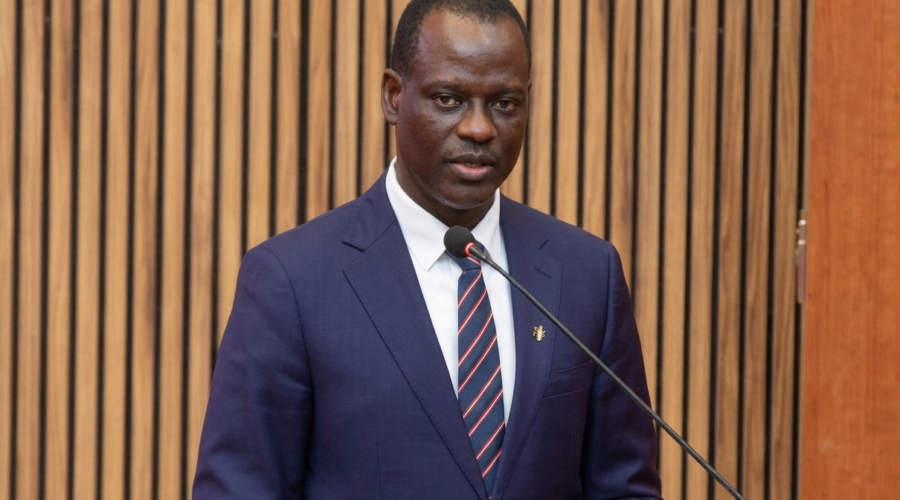
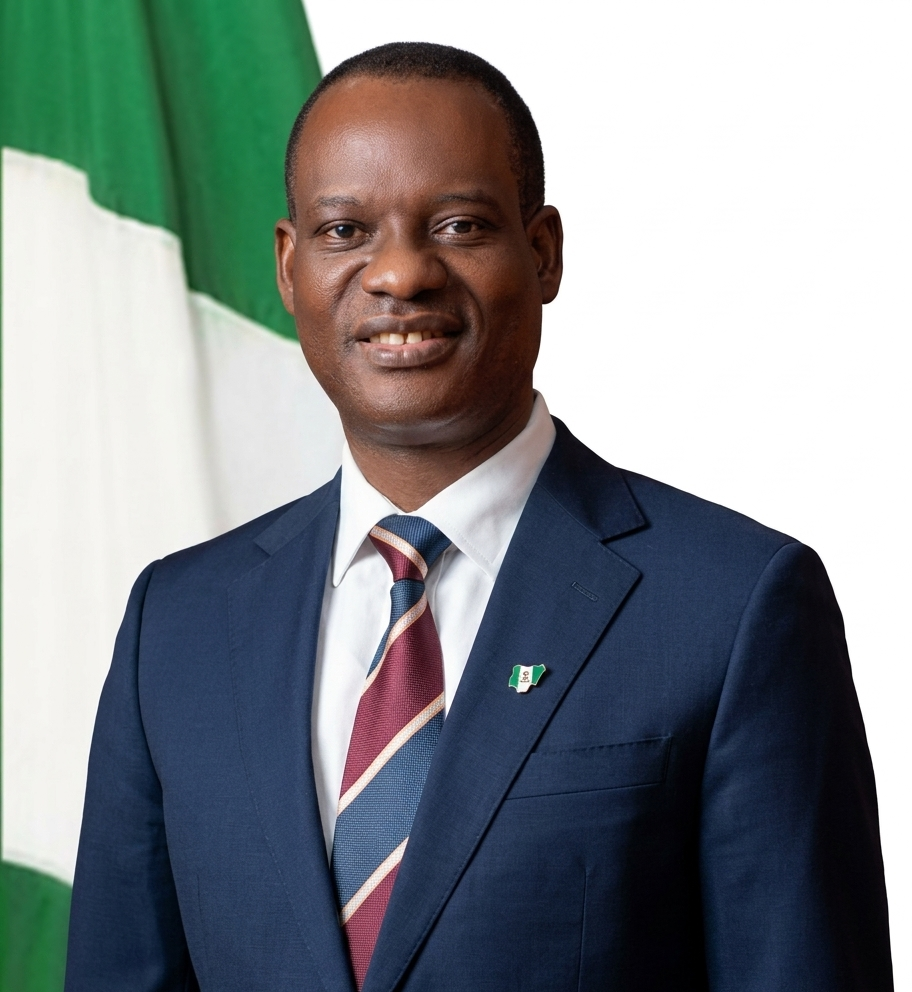
The Honourable Minister of Finance and Coordinating Minister of the Economy, Taiwo Oyedele, released a press release in Abuja on June 9, 2026, in response to the International Monetary Fund’s most recent Article IV Mission Concluding Statement for Nigeria. The declaration portrays a strongly positive vision from the government’s standpoint, but it also comes at a time when many Nigerians, particularly civil officials, are frustrated with the practical realities of economic reforms.
At the heart of the communication is the Federal Government’s claim that Nigeria’s economic trajectory is improving under Bola Ahmed Tinubu’s leadership, particularly after a series of painful but far-reaching reforms. However, underneath the macroeconomic optimism is growing scepticism about whether these reforms are resulting in actual welfare gains for regular residents.
IMF’s Assessment And The Government’s Interpretation
The statement begins by describing the IMF report as external validation of Nigeria’s reform plan. As stated by the government, “the Federal Government welcomes the publication of the International Monetary Fund (IMF) 2026 Article IV Mission Concluding Statement on Nigeria and notes its overall positive assessment of the country’s economic reform programme.”
This phrase establishes the tone for the whole announcement, presenting the IMF findings as validation that continuing policy decisions are producing results.
Further, the government emphasises that “the report provides further independent validation that the bold and necessary reforms undertaken under the leadership of President Bola Ahmed Tinubu, GCFR, are strengthening macroeconomic stability, restoring confidence, and laying the foundation for sustainable and inclusive growth.”
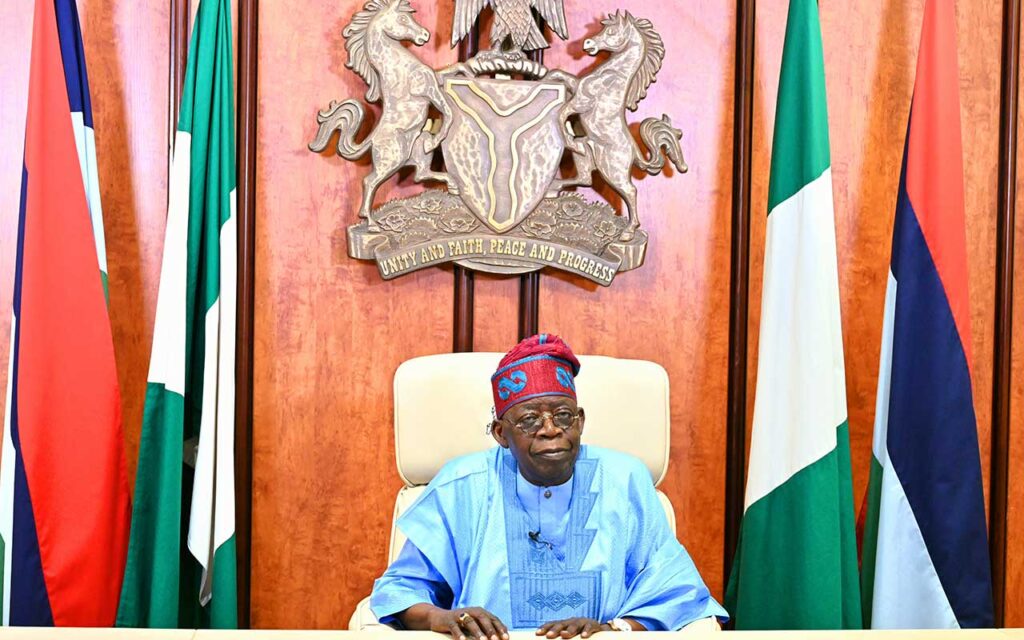
In essence, the administration claims that the reforms are not only stabilising the economy but also restoring confidence in Nigeria’s economic trajectory.
The Key Reforms Been Highlighted By IMF
The press release lists numerous improvements that the IMF apparently praised. These include foreign exchange liberalisation, subsidy elimination, budgetary restraint, and banking sector resilience.
The government points out that “the IMF observed that reforms implemented over the past two and a half years have yielded improved macroeconomic outcomes and enhanced Nigeria’s resilience to external shocks.”
Furthermore, “improvements in foreign exchange market functioning, stronger external buffers, ongoing fiscal and revenue reforms, banking sector resilience, and growing macroeconomic stability” are expressly mentioned.
Perhaps most crucially, the statement emphasises how vital difficult policy decisions have been. It says that “the difficult but necessary decisions to end fuel subsidies, eliminate deficit monetisation, liberalise the foreign exchange market, and strengthen fiscal discipline have contributed significantly to reducing vulnerabilities and rebuilding confidence in the economy”.
These reforms are largely seen as economically significant, but they are also politically and socially sensitive because of their immediate influence on prices and living conditions.
The press release also discusses Nigeria’s economic situation in the context of global instability, namely geopolitical pressures affecting energy markets. It clarifies that “the recent conflict in the Middle East has created new challenges for economies around the world through higher energy prices, rising food costs, tighter financial conditions, and disruptions to global supply chains.”
Despite these pressures, the government emphasises the relative stability of Nigeria’s external indicators, stating that “the foreign exchange parallel market premium has remained below five percent, sovereign spreads have remained broadly stable, and investor confidence has been preserved.”
According to the statement, “Nigeria is well positioned to benefit from higher energy prices through stronger export earnings, improved fiscal revenues, and increased foreign exchange inflows.”
Poverty, Food Security, Social Protection, And The Situation On The Ground
While the macroeconomic story is generally optimistic, the press release addresses one of Nigeria’s most serious contradictions: persistent poverty and food insecurity.
It acknowledges that “poverty and food insecurity remain significant challenges”, while predicting that per capita income growing by nearly 10 percent in 2025 indicating marked reduction in poverty levels.
However, this is where the contradiction between statistical improvement and lived experience emerges. Many Nigerians, particularly civil officials and low-income earners, have yet to experience real relief from inflationary pressures, transportation costs, and stagnant earnings.
The government concedes that “macroeconomic stability, while necessary, is not sufficient on its own. Economic growth must be inclusive and must translate into tangible improvements in the welfare of Nigerians..”
To Address These Issues, The Government Has Proposed Many Intervention Programmes
It highlights ongoing efforts to “direct cash transfers to vulnerable households, support for small businesses, student financing through the Nigerian Education Loan Fund (NELFUND), consumer credit initiatives, healthcare investments, and interventions aimed at improving livelihoods and expanding economic opportunities.”
In agriculture, the statement emphasises ongoing efforts under the “Renewed Hope National Agricultural Mechanisation Programme”, which aims to boost production, improve food security, and relieve inflationary pressure on food prices.

The IMF’s acknowledgement of Nigeria’s budgetary reforms is another significant point in the statement.
The government emphasises “successful implementation of Nigeria’s new tax laws, the digitisation of revenue collection processes, improved transparency in public finance, and enhanced accountability mechanisms”.
It also acknowledges IMF recommendations for data and reporting, stating that “the Government is already taking steps to strengthen fiscal data integrity, improve coordination among relevant institutions, enhance transparency in budget execution, and deepen public financial management reforms.” This implies that, while progress is being made, institutional limitations in data trustworthiness and fiscal coordination remain a source of concern.
The government also relies heavily on IMF estimates to justify its optimism. It states that “the IMF projects continued economic growth above four percent, improving external reserves, rising investment, and strengthening fiscal revenues over the medium term.”
It further asserts that “public debt has already declined relative to GDP, while reserve buffers have strengthened considerably”. These metrics are provided as evidence that Nigeria’s financial stability and attractiveness to investors are improving, particularly in light of recent credit rating upgrades.
The Missing Link: Civil Servants’ Wage Concerns
Despite the upbeat macroeconomic framework, a significant gap in the story is the status of federal employees and civil personnel.
As extensively articulated in public reactions and repeated in the attitude around the news release, federal employees (civil servants) are the worst hIt. The federal government does not appear to have any progressive plans for federal workers. The majority of promises made have yet to be fulfilled (including wage awards and special allowances).
This issue shows a growing gap between macroeconomic progress and household hardship. While the administration emphasises stability and reform progress, many workers continue to face increased living costs, delayed wage adjustments, and insufficient implementation of promised benefits. In practical terms, this generates a credibility gap between policy achievements and public perception, particularly among the salaried labour that serves as the foundation of public administration.
The Final Position of the Federal Government
The statement finishes on a strong forward-looking note, confirming its commitment to reform.
It says that “the Federal Government remains firmly committed to maintaining macroeconomic stability, accelerating inclusive growth, strengthening fiscal discipline, deepening structural reforms, improving the investment climate, expanding infrastructure, enhancing human capital development and job creation”.
It emphasises that the goal is not just economic indicators but human outcomes, stating that “the ultimate objective of these reforms is not merely improved economic indicators, but better outcomes for every Nigerian – lower inflation, decent jobs, higher incomes, greater economic opportunity, and a better quality of life“.
Conclusion
The IMF assessment, as presented in the Federal Government’s press statement, depicts an economy recovering following years of structural imbalance. Under Bola Ahmed Tinubu’s leadership, Nigeria is repositioning itself for long-term macroeconomic resilience through subsidy reduction and foreign exchange reforms.
However, the reality is more complex. While metrics such as reserves, investor confidence, and fiscal reforms suggest improvement, many Nigerians’ daily lives reveal a different tale. Civil servants, in particular, are caught between policy promises and the delayed implementation of wage-related reliefs.
Finally, citizens are looking to see that these reforms result in visible, verifiable gains in the lives of everyday residents, rather than simply defending them at the macro level. Without that connection, the gap between economic statistics and social realities will get worse.
For reference, you can find the original statement here: Taiwo Oyedele X Post
Related Posts

HP and UpSkill Universe Launch Free AI Training for 55,000 African SMEs
HP and UpSkill Universe are giving 55,000 African SMEs free AI training—helping entrepreneurs turn AI from hype into practical business growth.

Meta, 3MTT, NCAIR & RAIN Partner to Accelerate AI Skills and Innovation in Nigeria
Meta, 3MTT and RAIN launch AI Academy Nigeria to equip developers with AI skills, build startups and turn Nigeria’s growing AI talent into global innovation.

Nomba and Synafare Commit ₦2 Billion to Solar Financing for 300 Nigerian SMEs
Nomba and Synafare are committing ₦2 billion to solar financing, helping 300 Nigerian SMEs cut energy costs, boost productivity and power their growth.

Ghana’s Wobil Technologies Is Putting Solar to Work in Rice Farming, And Fighting Africa’s Post-Harvest Crisis
Ghana’s Wobil Technologies is using solar-powered machinery to cut rice losses, lower farming costs and help smallholder farmers keep more of every harvest.
Tinubu Orders Forensic Audit of IPPIS: Inside Nigeria’s Ghost Worker Scandal
Tinubu orders a forensic audit of IPPIS after 908 suspected ghost workers, ₦942m in fraudulent salaries and fake agencies expose Nigeria’s payroll crisis.