

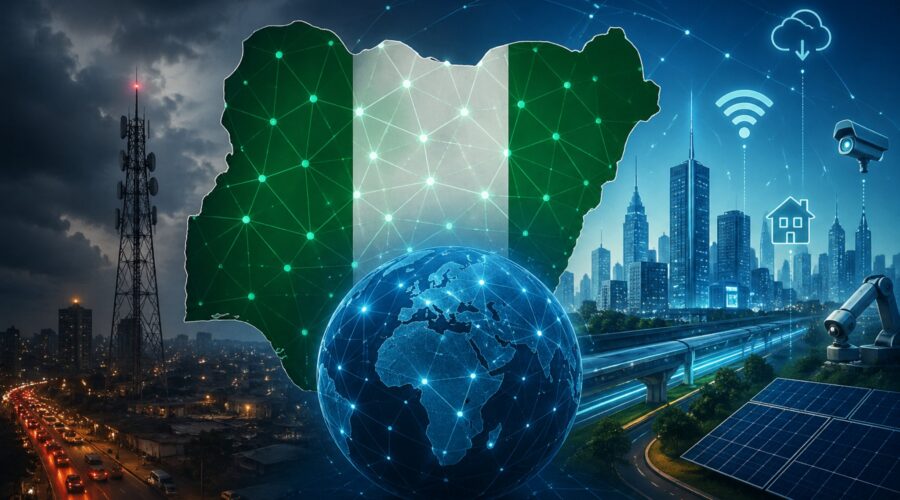
IPv6 Adoption in Nigeria Is Becoming a National Concern: targets 30% by 2030, $18bn Digital Opportunity
Nigeria’s digital economy is growing rapidly, being pushed higher and further by fintech innovation, e-commerce expansion, mobile connection, cloud computing, and an increasingly young tech-savvy of the populace. However, underneath this exciting growth lurks a genuinely troubling infrastructure dilemma that many individuals do not encounter on a daily basis: Nigeria’s low IPv6 adoption rate.
Professionals, telecom experts, internet governance activists, and technology leaders warn that Nigeria risks falling behind the rest of the globe if immediate action is not taken. Calls are increasing louder for the country to achieve at least 30% IPv6 adoption by 2030, which is regarded as critical for future-proofing Nigeria’s internet infrastructure.
IPv6 is critically being the foundation for smart cities, billions of linked devices, industrial automation, artificial intelligence systems, digital governance, and the next wave of internet expansion. Without it, Nigeria risks facing the future with out-of-date devices/systems.
IPv6; Why Is It So Important?
The acronym IPv6 stands for Internet Protocol Version 6. It is the most recent form of the communication system, which assigns a unique address to each internet-connected device. Phones, laptops, routers, sensors, smart meters, automobiles, security cameras, industrial devices, and servers all need IP addresses to communicate.
It was developed to replace the existing IPv4 system, which had run out of accessible addresses as the number of internet users and connected devices increased rapidly. Compared to IPv4, IPv6 provides a substantially higher number of addresses, making it easier to accommodate modern technologies such as 5G, cloud computing, and the Internet of Things.
Muhammed Rudman, CEO of the Internet Exchange Point of Nigeria (IXPN), stated at the Nigeria IPv6 Council’s inauguration on Thursday in Lagos that the slow transition from IPv4 is largely due to low demand, limited awareness, and the older system’s continued availability.
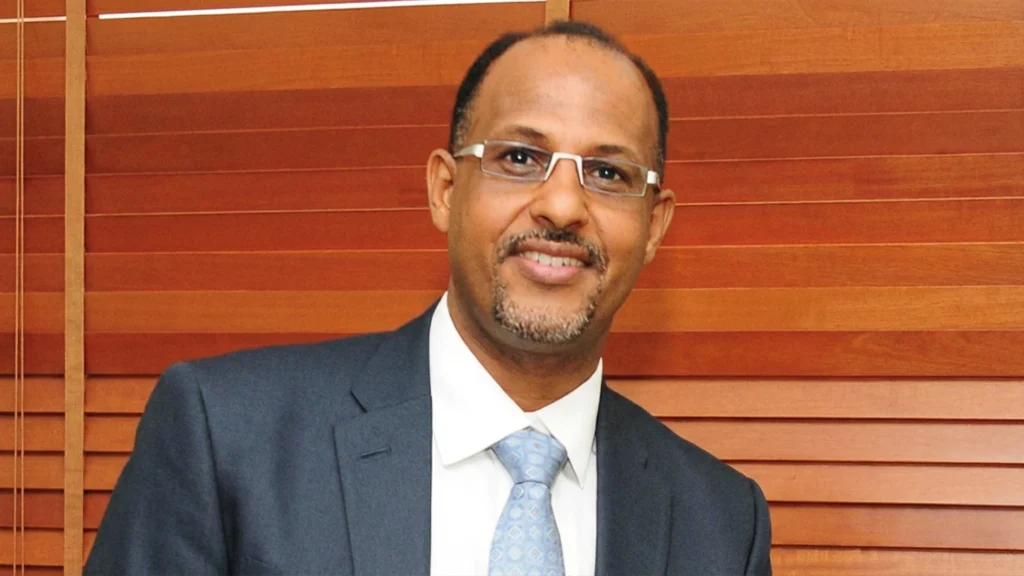
“Most users just want internet access. They do not care whether it is IPv4 or IPv6. That is why operators are not under pressure to migrate, even though the future depends on it,”
Muhammed Rudman
Despite Nigeria’s vast digital market, Rudman claims that many network operators currently have IPv6 capabilities but are not completely deploying them to clients. He stated that just a few networks now offer IPv6 services to end consumers. Nigeria currently trails the African average by around 6%, sparking concerns that the country would struggle to stay up with global technological trends.
Aminu Maida, executive vice chairman of the Nigerian Communications Commission (NCC), stated that the issue required immediate response, citing IPv6 as crucial to Nigeria’s digital future, security, and economic prosperity.
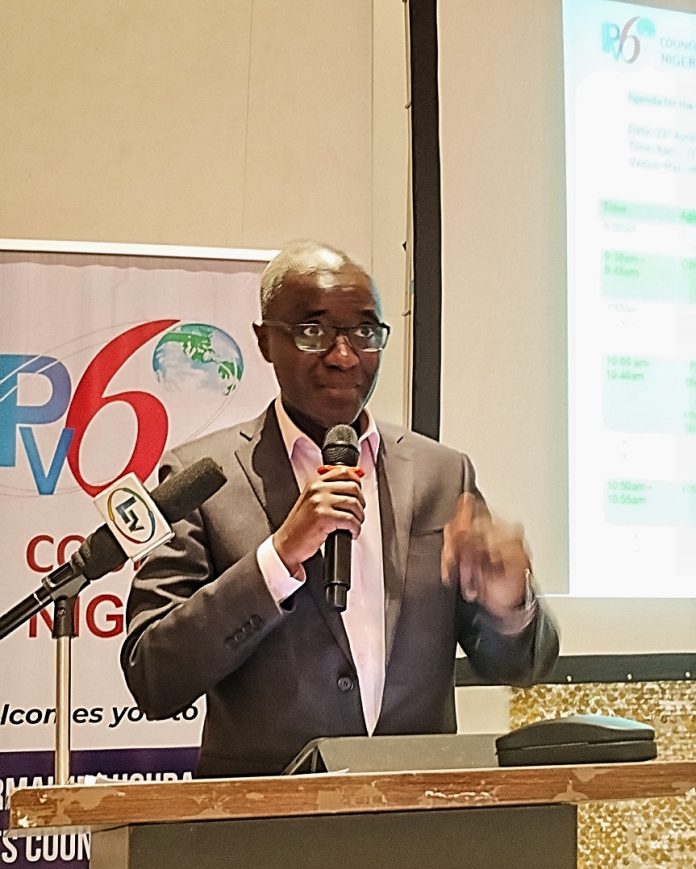
“IPv6 is no longer optional. It is a strategic necessity. The investments we make today will determine Nigeria’s digital competitiveness tomorrow,”
Aminu Maida
This means IPv6 is not an option for modern nations aiming to compete, it is absolutely critical.
Why Nigeria’s Low IPv6 Adoption Is Raising Alarm
Nigeria has one of Africa’s largest internet user bases. The country has millions of cellphones, rising broadband demand, a thriving startup culture, and a growing interest in smart infrastructure. Despite this encouraging trend, IPv6 deployment remains low when compared to more sophisticated digital economies.
Professionals fear that the delayed adoption creates a worrisome gap between Nigeria’s existing digital objectives and the infrastructure needed to achieve them.
Experts warn that if Nigeria delays migration for too long, the government may suffer higher expenses, lower network efficiency, slower innovation, lower competitiveness, and a greater reliance on legacy technologies that become more difficult to maintain. The concern is not theoretical. Many nations in Asia, Europe, North America, and Africa are rapidly deploying IPv6.
30% Target By 2030
The push for Nigeria to attain 30% IPv6 adoption by 2030 is seen as a feasible milestone that would showcase national success while generating more opportunity for a larger shift. Reaching that goal will demonstrate to investors, telecom operators, regulators, and global technology businesses that Nigeria is serious about developing a future-ready internet economy.
It would also assist prepare the country for the rapid rise of connected gadgets, remote work systems, digital classrooms, healthcare technologies, transportation networks, and secure government platforms.
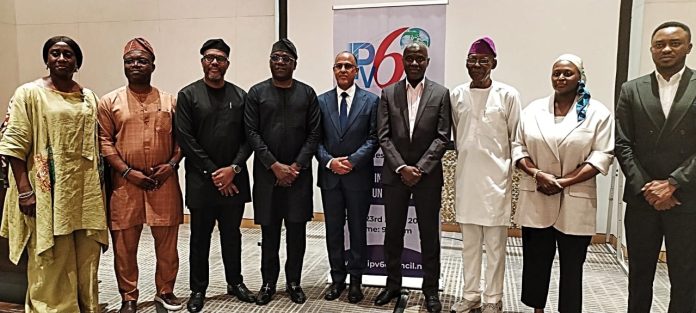
To close the gap, the NCC and the Nigeria IPv6 Council launched a National IPv6 Implementation Strategy targeted at increasing adoption across sectors. The strategy calls for at least 20% of government networks and 25% of telecom carriers to implement IPv6 by 2027, with widespread national adoption anticipated by 2030.
Rudman stated that capacity building is also a priority, with plans to train at least 50 experts by October as part of efforts to improve technical expertise in the country. However, he cautioned that Nigeria is facing a rising skills shortage, as many trained engineers are fleeing the nation, impeding progress.
Chris Uwaje, a technology leader, stated that Nigeria needs reconsider its approach to digital infrastructure in order to attain true digital sovereignty.

“We cannot continue to depend on outdated systems while the world is moving forward,”
“IPv6 adoption requires a national mindset shift, one that prioritises infrastructure, skills, and digital independence.”
Chris Uwaje
Without this improvement, Nigeria may confront frustrating delays just as demand for digital services increases. Smart cities cannot thrive without IPv6. Optimum addressing systems are necessary for traffic systems, environmental sensors, public surveillance, emergency services, smart street lighting, waste management networks, water monitoring systems, and digital payment transit hubs.
If Nigeria wants to construct advanced cities such as Lagos, Abuja, Port Harcourt, Kano, and emerging metropolitan hubs, IPv6 adoption must become a national development priority. A smart city constructed on obsolete internet architecture can quickly become costly, slow, fragmented, and impossible to scale up.
IoT Growth Relies On IPv6
The Internet of Things which refers to physical objects connected to the internet that collect and share data; these include smart meters, agricultural sensors, health wearables, industrial machinery, logistics trackers, and home automation systems.
Nigeria has numerous prospects in IoT for agriculture, oil and gas, manufacturing, healthcare, transportation, and security. However, large-scale IoT expansion necessitates a vast number of addresses. IPv4 struggled to fulfil the demand efficiently, whereas IPv6 was designed specifically for it.
This is why analysts refer to the faster IPv6 as the “hidden engine” of the linked economy which has huge benefits and the consequences of inactivity could be catastrophic, as Nigeria may become locked in costly workarounds such as carrier-grade NAT systems, which help stretch ageing IPv4 resources while reducing efficiency and complicating network management.
Businesses may encounter avoidable technological limits. Startups may struggle to scale globally. Public digital projects may grow slower and more costly to implement. Consumers may encounter uneven service quality over time.
Perhaps most worryingly, Nigeria may lose pace as faster-moving countries attract tomorrow’s innovation surge. That would be a painful and unnecessary setback.
Nigeria’s Opportunity To Lead Africa
A successful IPv6 transition could provide significant benefits to Nigeria’s economy. Broadband providers can scale networks more effectively. Data centers can expand in a more efficient ad efective manner. Startups can create future-ready platforms. Universities can boost their research networks. Government systems can be modernised securely. And for Nigeria, this might mean increased foreign investment, more jobs, higher productivity, and improved digital inclusiveness.
Nigeria already has the population size, entrepreneurial dynamism, young talent, and expanding digital market to become an African leader in next-generation internet infrastructure. Despite the anxiety, this narrative isn’t just about risk. It’s also about remarkable opportunities.
If governments and private-sector players respond decisively, Nigeria can convert today’s warning into tomorrow’s opportunity. A bold IPv6 policy may reinforce fintech leadership, speed up broadband development, expedite smart city ambitions, increase cloud use, and build a more resilient digital economy.
Nigeria aims to achieve 30% national compliance with Internet Protocol version 6 (IPv6) by 2030, capitalising on a $18 billion market potential. The NCC has appointed members to work on migration.
The Nigerian Communications Commission (NCC) stated in Lagos during the recent opening of the IPv6 Council. Muhammed Rudman, chairman of the Nigeria IPv6 Council, decried the country’s delayed adoption from IPv4 to IPv6.
IPv6 is the most recent, 128-bit networking standard intended to replace IPv4. It provides an enormous address space (addresses) to support the increasing Internet of Things (IoT) and eliminates the requirement for Network Address Translation (NAT) by assigning unique global addresses to devices.
Conclusion
The warning indicators are serious, yet the potential remains compelling. If Nigeria commits to achieve 30% IPv6 adoption by 2030 through coordinated policy, business investment, technical training, and public awareness, the country will have a more secure digital future.
The move to IPv6 is very important for expanding Nigeria’s digital economy, which is expected to produce more than $15 billion in value, as well as strengthening cybersecurity and enabling future technologies. If it is delayed, the repercussions can be costly, frustrating, and difficult to reverse.
The Internet’s next chapter is already being written. Nigeria today has a crucial decision: lead boldly into the future or risk falling behind.
Nigeria Must Act Before the Gap Widens.
Related Posts

Political Dynamics, Global Realignment: What Tola Adeyemi Told CEOs at FNCCI-KPMG Luncheon Series 6
As Nigeria heads toward the 2027 election, KPMG’s Tola Adeyemi urges businesses to prepare for multiple outcomes, policy shifts and new opportunities.
NITDA Builders Festival 2026: Smart Way to Unlock Startup Opportunities
NITDA Builders Festival 2026 offers Nigerian startups a path to ₦3bn in potential investment and pilot contracts by connecting real solutions with institutions.

Nigeria’s Internet Traffic: The Essential Growth Drivers Behind a 168% Surge
Nigeria’s internet traffic surged 168% in three years. Discover the key drivers behind the growth and what it means for businesses, SMEs and entrepreneurs.

Konga And Defence Headquarters Launch Nationwide Discount Scheme for Serving, Retired And Veteran Military Personnel
Konga and Defence Headquarters launch a nationwide discount scheme giving serving, retired and veteran military personnel access to essential goods at reduced prices.

Askya Offers African AI Startups Up To $200,000 In Investment Through New Growth Platform
Askya Investment Partners has launched a six-week AI Growth Platform for 10 African startups, offering zero-equity participation, business support and potential investment of up to $200,000