

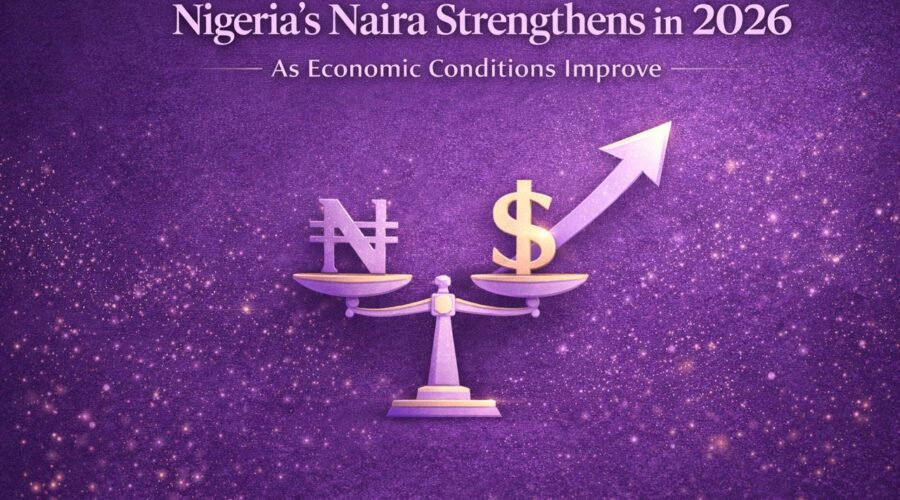
Nigeria’s Naira Strengthens in 2026 as Economic Conditions Improve
In 2026, the Nigerian naira has shown steady improvement against the US dollar, reflecting a combination of stronger foreign exchange inflows and rising investor confidence. Data from the Central Bank of Nigeria indicate that external reserves reached $46.0billion, the highest level since 2018. This increase represents more than 13% growth compared to the reserves recorded at the end of 2024. The central bank projects that reserves could climb further to $51.04 billion by the end of the year, supported by higher oil revenues, diaspora remittances, and domestic structural reforms.
This improvement in external reserves has contributed to a more stable foreign exchange market. The naira has appreciated slightly in the N1,440 at the end of 2025. Movements in the parallel market have mirrored this trend, with the gap between official and street rates narrowing, signalling reduced speculative pressures and improved market confidence. Analysts note that these shifts are encouraging for both businesses and households as they create predictability in pricing and financial planning.
Factors Driving the Naira’s Recovery in 2026
The impact of these developments extends to inflation and consumer prices. The central bank projects that headline inflation will moderate to 12.94% in 2026, down from 21.26% in 2025. This significant decline reflects lower import costs due to greater foreign exchange stability, as well as improved domestic supply of essential goods. A more stable currency allows businesses to plan and adjust their operations without sudden cost shocks, which contributes to a more manageable cost of living for households across the country.
Economic growth is also showing positive signs. The Nigerian economy is forecast to grow by 4.49% in 2026, an increase of over 1% from the previous year. Stronger growth is expected in both oil and non-oil sectors, supported by structural reforms and increased investor activity. Improved foreign exchange conditions are attracting more capital inflows, which strengthen business confidence and expand employment opportunities.
Implications of a Stronger Naira for Nigeria’s Economy and Businesses
Looking at the broader picture, these developments reflect a cautiously optimistic outlook for Nigeria in 2026. Rising reserves, a stronger naira, and moderating inflation create conditions that support sustainable economic growth. While global uncertainties and domestic policy challenges remain, the current trajectory suggests a more resilient financial environment and greater stability in prices and exchange rates. For Nigerians, these trends translate into improved economic predictability, a reduction in financial stress for households and businesses, and a stronger foundation for future growth.

Related Posts
A gathering of visionaries: Enugu Tech Festival 2026 targets over 50,000 participants
From Coal City to Code City, the Enugu Tech Festival 2026 brings together over 50,000 innovators, global tech leaders, and investors to shape Africa’s ambitious digital future.
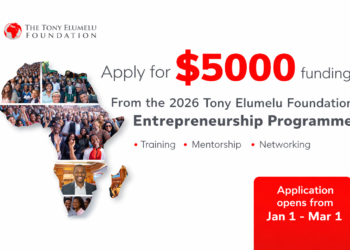
$5,000 Tony Elumelu foundation grant for African Entrepreneurs 2026: How to apply and win
Apply for the 2026 Tony Elumelu Foundation $5,000 grant and gain funding, mentorship, and training to launch or grow your African startup. Deadline: March 1.

Zero tariffs: China opens Its doors to 53 African nations, including Nigeria, Kenya, South Africa, Ghana and others
China opens its vast market to Africa tariff-free from May 1, 2026, unlocking bold new export opportunities and reshaping the continent’s trade future.

FG & Ericsson set sights on 50,000 Nigerian youths in game-changing NextGen hackathon revolution
FG and Ericsson launch a bold hackathon to empower 50,000 Nigerian youths with AI, cloud and 5G skills—fueling innovation, jobs and global tech impact.

Google Opens Applications for Class 10 of Its Startup Accelerator in Africa, With a Strong AI-First Focus
Google has opened applications for Class 10 of its Startup Accelerator Africa marking a shift toward an AI first approach designed to support research driven startups across the continent. The 12 week hybrid program targets Series A companies building scalable artificial intelligence solutions for African markets while offering equity free support technical expertise and access to Google Cloud infrastructure.