

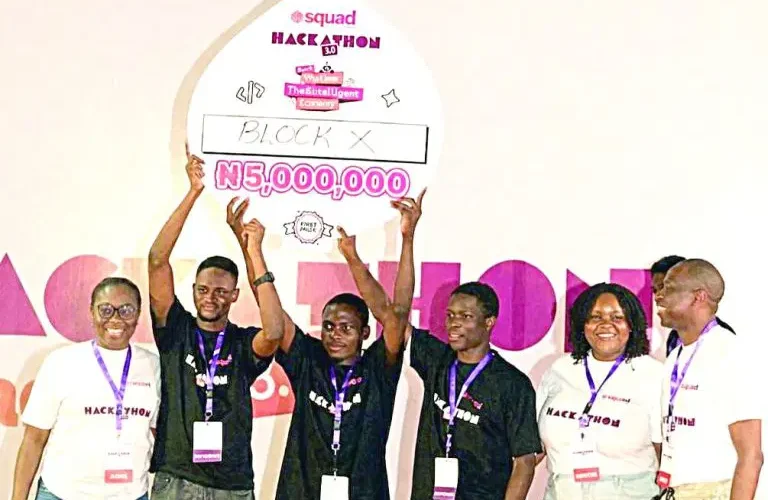
AI Solutions From Nigerian Students Go Viral at the 2026 GTCO Hackathon Tech Breakthrough
The GTCO Hackathon 2026 has become one of Nigeria’s most talked-about technology events, particularly after a slew of AI-powered solutions created by Nigerian students went popular on social media platforms and in worldwide tech circles. What began as a competitive innovation challenge swiftly turned into a strong statement about the future of artificial intelligence in Africa, as young developers introduced disruptive solutions aimed at reducing unemployment, agricultural inefficiencies, detecting fraud, and closing educational disparities.
More than 1,600 university students from throughout Nigeria applied for the 2026 GTCO HabariPay Squad Hackathon, where young developers showcased artificial intelligence-driven solutions to unemployment, financial fraud, agricultural inefficiencies, and workplace productivity.
The tournament, held on Saturday by HabariPay, a fintech subsidiary of Guarantee Trust Holding Company Plc, reflects Nigerian students’ rising interest in employing artificial intelligence to solve genuine economic and societal concerns rather than just consumer-facing digital activities.
The approach aims to address one of Nigeria’s long-standing economic challenges: the difficulty that millions of informal workers have in obtaining loans due to a lack of financial documents and banking history.
Clips and demos of these student-built AI systems spread quickly on platforms like X (previously Twitter), LinkedIn, and TikTok, eliciting appreciation, debate, and, in some cases, extreme scepticism about scalability and real-world suitability. Nonetheless, the mainstream narrative remains overwhelmingly positive, with many hailing the event as a “historic breakthrough” in Nigerian young innovation.
A Viral Wave Of AI Innovation Is Emerging From Nigerian Campuses
The most notable aspect of the 2026 GTCO Hackathon was not the competition itself but the emotional and technological impact of the solutions presented. Nigerian students demonstrated AI solutions developed to address long-standing national and continental concerns that require urgent attention.
One of the most extensively publicised advancements was AI-powered employment matching systems, which intelligently match job applicants with openings based on skill patterns rather than traditional CV filtering. Another solution presented predictive agricultural intelligence, which uses machine learning algorithms to assist farmers in optimising planting cycles, reducing waste, and forecasting weather interruptions more accurately.
According to Eduofon Japhet, Managing Director of HabariPay, over 1,600 undergraduate applications were received from Nigerian universities, with over 600 participants being picked based on technical competency, preceding projects, and collaborative capability.

“We had over 1,600 submissions and selected more than 600 participants based on the quality of their teams, their technical skill sets and the projects they had previously built, including their GitHub portfolios.”
“Beyond using AI to write emails and do mundane tasks, we gave participants actual problems that exist in the economy and asked them to apply artificial intelligence to solving them.”
Eduofon Japhet
She went on to say that participation grew more than tenfold compared to prior editions, thanks in part to comments from former participants who had become ambassadors for the course on their campuses and professional networks.
Beyond the hackathon, Japhet announced that outstanding participants would be enrolled in a two- to three-year mentorship and development programme. Under the project, selected students will receive tuition assistance, technical training, hands-on work experience, and future job possibilities within HabariPay and the larger GTCO ecosystem.
“We mentor them, pay their tuition fees, expose them to real-life work and, at the end of the programme, many of them become part of our workforce.”
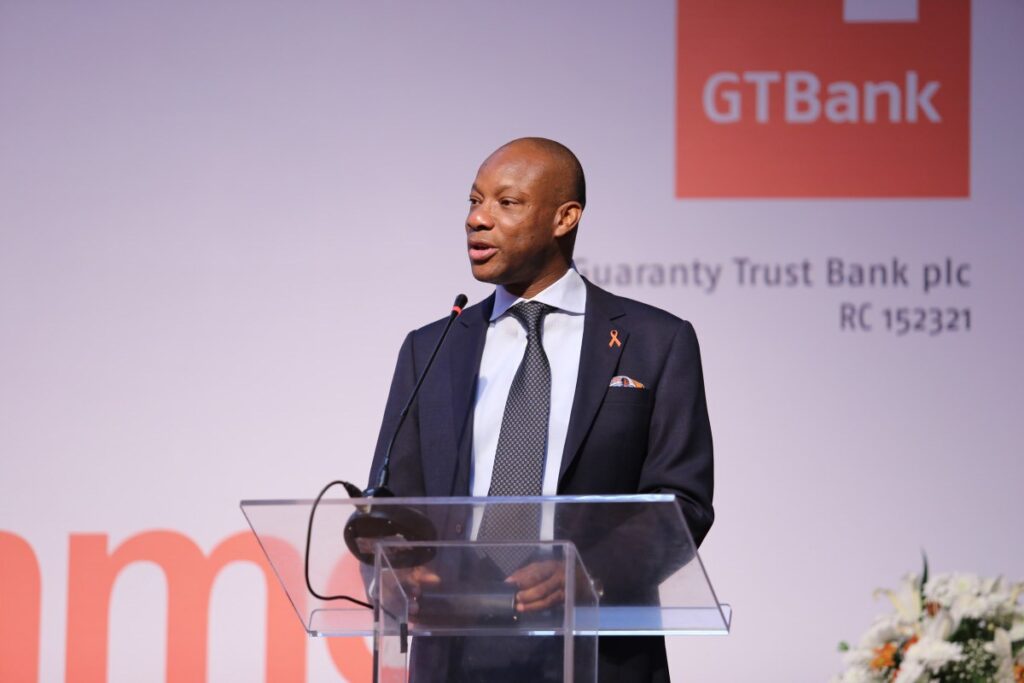
Segun Agbaje, Group Chief Executive Officer of Guarantee Trust Holding Company Plc, praised the shortlisted students as “the best of the best” and encouraged them to prioritise teamwork, perseverance, and integrity throughout the competition.
“You are already winners because you dared to apply and were selected from a highly competitive field.”
“There is no true victory in cheating. “The joy of winning comes from following the rules and doing it correctly.”
Segun Agbaje
The online reaction was fuelled by the complexity of these tools and even the emotional resonance of watching young Nigerians fight systemic difficulties through technology, being that The GTCO Hackathon has long been recognised as a competitive innovation forum, but the 2026 edition boosted its status to something far more influential. Many technology analysts regarded it as a “tipping point moment” in which student invention became less theoretical and more production-ready.
The event gained traction because it directly addressed pressing socioeconomic issues. Nigeria’s unemployment problem, agricultural inefficiencies, and educational system challenges created a real-world context that made each AI solution feel relevant, urgent, and emotionally charged.
Throughout the interviews and presentations, resilience was a common topic. Students described long nights of coding under unpredictable internet connections, restricted access to datasets, and a scarcity of mentorship resources. Despite these obstacles, they developed solutions that many onlookers praised as “bold”, “brilliant”, and “unexpectedly sophisticated”.
One participant stated, ‘We are not just building projects; we are building survival tools for our communities.‘ This emotion resonated strongly online, aiding in the viral distribution of their work.
Opportunity, Doubts, and the Path to Real-World Adoption
While the excitement surrounding the 2026 GTCO Hackathon is undeniable, experts have also raised serious concerns. Some industry watchers claim that, despite their innovative nature, many hackathon concepts fail with real-world deployment due to infrastructural shortages, financing constraints, and a lack of regulatory integration.
Victory Azuonye, a logistics and transport technology student at the Federal University of Technology in Minna and Team Code Flex leader, was one of the contestants.
Travelling from Kaduna State, Azuonye and his team created SignalOS, a WhatsApp and USSD-based platform to assist banks and formal institutions in identifying economically active Nigerians who work in the informal sector but are excluded from official financial systems.
Moses Edache, Team Sapphire’s leader and an Ahmadu Bello University student, created an AI-powered agricultural e-commerce platform to eliminate fraud in produce transactions. The site combines Squad payment APIs with escrow services, which hold customers’ funds until artificial intelligence systems verify that delivered agricultural products match the original listing.
“Our car broke down on the way; we missed our flight, and we spent the night at the airport still building.”
“It was exhausting, but the experience built resilience, courage and confidence.” Moses Edache
While neither Team Code Flex nor Team Sapphire made it into the competition’s Top 50 finalists, Sheriff Sanni, a Computer Science student at the University of Lagos and member of Team XYZ, successfully led his team to the final rounds. Sanni demonstrated an AI-powered workforce monitoring software that allows organisations to measure the productivity of both remote and on-site personnel.
The system monitors browser activity during work hours, assesses behavioural patterns using artificial intelligence, and delivers productivity reports for employers while allowing employees to halt monitoring during allowed breaks.
“There are many remote workers whose employers cannot verify what they do during the day.”
“Our technology enables companies to confirm that.” Sheriff Sanni
The outlook remains favourable, especially as venture capital interest in African AI businesses grows. However, many promising ideas lose momentum during the move from prototype to scalable product.
A bigger discourse is emerging in African contexts about data privacy, algorithmic fairness, and ethical AI deployment. These worries do not dampen the joy but rather shape a more mature discussion about how these breakthroughs should progress responsibly. But despite these hurdles, the overall tone remains positive, with many feeling that events like these are building the groundwork for a long-term innovation environment that has the potential to transform Africa’s role in global AI development.
Conclusion
The 2026 GTCO Hackathon is likely to be remembered as an impactful and huge point in Nigerian and African creativity. The viral spread of AI solutions created by students exemplifies a potent combination of creativity, urgency, resilience, and drive.
While issues such as scalability, funding, and infrastructure persist, the importance of what has been accomplished cannot be overstated. These young innovators have not only proved technical aptitude but have also rekindled hope in what is possible when talent meets opportunity.
Ultimately, this movement is about more than just artificial intelligence. It is about human intelligence, tenacity, and the irresistible drive of a generation eager to create its future via daring, revolutionary, and unquestionably powerful invention.
Read about all the hype to the “Take On Squad Hackathon 3.0” event here
Related Posts

Political Dynamics, Global Realignment: What Tola Adeyemi Told CEOs at FNCCI-KPMG Luncheon Series 6
As Nigeria heads toward the 2027 election, KPMG’s Tola Adeyemi urges businesses to prepare for multiple outcomes, policy shifts and new opportunities.
NITDA Builders Festival 2026: Smart Way to Unlock Startup Opportunities
NITDA Builders Festival 2026 offers Nigerian startups a path to ₦3bn in potential investment and pilot contracts by connecting real solutions with institutions.

Nigeria’s Internet Traffic: The Essential Growth Drivers Behind a 168% Surge
Nigeria’s internet traffic surged 168% in three years. Discover the key drivers behind the growth and what it means for businesses, SMEs and entrepreneurs.

Konga And Defence Headquarters Launch Nationwide Discount Scheme for Serving, Retired And Veteran Military Personnel
Konga and Defence Headquarters launch a nationwide discount scheme giving serving, retired and veteran military personnel access to essential goods at reduced prices.

Askya Offers African AI Startups Up To $200,000 In Investment Through New Growth Platform
Askya Investment Partners has launched a six-week AI Growth Platform for 10 African startups, offering zero-equity participation, business support and potential investment of up to $200,000