

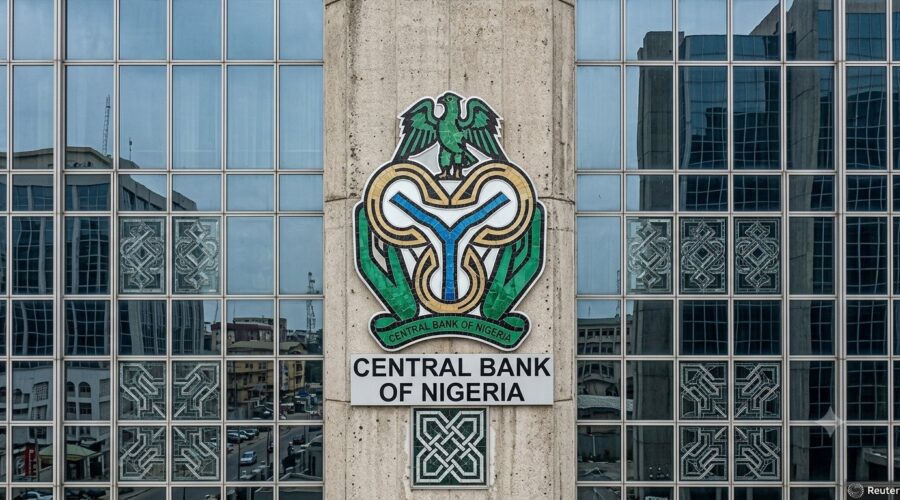
CBN Maintains Cautious Monetary Stance Ahead of July 2026 Monetary Policy Committee MPC Meeting
Nigeria’s business community is entering one of the most crucial economic weeks of 2026, as the Central Bank of Nigeria (CBN) prepares to meet its Monetary Policy Committee (MPC) on July 20-21, 2026. The meeting is anticipated to decide whether interest rates will remain maintained or if the central bank will finally begin to ease monetary policy after months of tough inflation-fighting efforts.
While inflation has been slowing for nearly a year, CBN Governor Olayemi Cardoso has stated that policymakers are still not sure that the economy is ready for a big adjustment. His most recent words signalled a robust but cautious stance, disappointing some investors who expected a fast fall in borrowing prices while reassuring others who value long-term economic stability above short-term respite.
The next MPC meeting has thus become an anticipated one for startups, small enterprises, commercial banks, manufacturers, investors, and ordinary Nigerians, all of whom will be impacted by whatever decision comes from Abuja.
The July 2026 MPC Meeting
The Monetary Policy Committee determines Nigeria’s monetary policy direction. At each meeting, members consider inflation, exchange rate stability, foreign reserves, economic growth, lending conditions, global risks, and financial market developments before deciding whether to raise, lower, or keep the country’s benchmark interest rate, officially known as the Monetary Policy Rate.
The MPR is the basis upon which commercial banks price loans and other lending products. Whenever the CBN rises or maintains high interest rates, borrowing becomes more expensive for both firms and consumers. Conversely, when interest rates fall, lending becomes more affordable, promoting investment and consumption.
This is precisely why Nigeria’s startup environment, SMEs, and investment community are keenly watching next week’s news.
Governor Olayemi Cardoso Signals Continued Caution
Governor Olayemi Cardoso acknowledged during the BusinessDay Conference in Lagos on Thursday, July 16, 2026, that Nigeria has achieved significant success in lowering inflation after nearly eleven months of disinflation. However, he cautioned that global factors had complicated what looked to be a straightforward route to lower interest rates.
Cardoso noted that the CBN expected inflation to decline significantly by 2027, but geopolitical developments, particularly tensions with Iran and their impact on global oil markets, introduced new inflationary concerns.
In one of his harshest pronouncements ahead of the MPC meeting, Cardoso stated:

“There were 11 months of continuous disinflation.”
“If not for the fact that we had this, we had projected that going into next year inflation would have been down to very moderate levels.”
“We didn’t cut, and believe me, we saw things that most other people didn’t see.”
Olayemi Cardoso
He went on to say that the good trend had increased anticipation that interest rates would eventually begin to moderate. These remarks basically showed that external economic shocks remain robust enough to postpone any significant policy relaxation. Perhaps the most startling remark from Governor Cardoso was when he defended the CBN’s prior choice to keep interest rates constant amid growing market expectations for a rate decrease.
Although he did not reveal the confidential economic indicators underlying that comment, the message was clear. The Central Bank aspires to stay data-driven rather than reacting to public pressure or financial market speculation.
Cardoso emphasised that all MPC decisions would continue to be based on economic evidence rather than investor opinion.
Inflation Is Falling, But Interest Rates May Remain High
Many Nigerians expect that falling inflation will immediately result in reduced borrowing rates. Unfortunately, monetary policy is rarely so clear. While headline inflation has dropped significantly compared to recent highs, the CBN remains concerned that inflationary pressures would return rapidly if monetary conditions become excessively loose.
Several factors continue to undermine Nigeria’s inflation prospects. Geopolitical concerns continue to drive international oil price volatility. Exchange rate stability, while greatly improved, still necessitates cautious control. Food costs remain under structural pressure due to logistics, insecurity, and agricultural supply constraints. Global financial turmoil continues to impact capital flows into emerging markets.
Because of these uncertainties, the CBN looks keen not to repeat the policy blunders that have previously allowed inflation to recover.
Current Monetary Policy Position: How SME’s Could Be Affected
The CBN began a moderate easing cycle earlier in 2026, when it cut the Monetary Policy Rate by 50 basis points to 26.5 percent at the February MPC meeting. At their May meeting, officials agreed to suspend further reductions and maintain all key monetary parameters while closely monitoring inflation developments.
According to Governor Cardoso’s most recent comments, the pause is likely to remain into the July meeting.
Small and medium-sized businesses probably have the most at stake. SMEs frequently use bank loans to finance inventory, machinery, payroll, expansion, and daily operations. When benchmark interest rates remain high, commercial loan rates tend to follow suit.
This raises financing costs, lowers profitability, and may hinder business expansion. At the same time, stable monetary policy may help to maintain exchange rate stability and limit imported inflation, allowing businesses to plan more securely for the long run.
For many SMEs, the short-term pain of higher borrowing costs may eventually translate into greater macroeconomic stability if inflation continues to fall.

Companies planning significant investments are likely to be cautious until borrowing rates fall. Manufacturers considering factory expansion, logistics companies purchasing fleets, merchants launching new locations, and industrial enterprises financing capital projects may postpone borrowing choices while waiting for clearer indications from the CBN.
Banks are also anticipated to keep lending rates relatively high until monetary policy officially swings to easing. High interest rates hurt more than just businesses. Consumers often face tighter financial conditions as personal loans, mortgages, auto lending, and credit facilities remain relatively pricey.
When families limit their discretionary spending, businesses selling consumer items may see slower sales growth. Lower inflation, on the other hand, may progressively restore buying power as wage growth catches up with reducing price rises.
Governor Cardoso stated that Nigeria’s previous economic reforms had already increased the country’s resilience to recent global shocks. Despite concerns about rising interest rates, some positive factors continue to boost Nigeria’s economic prospects.
Foreign investor confidence has steadily increased as monetary changes gained legitimacy. The CBN has constantly emphasised transparency and data-driven decision-making, hence increasing trust in monetary policy. Earlier changes also strengthened Nigeria’s ability to withstand external economic shocks.
These initiatives mark significant progress following years of macroeconomic turbulence.
What Businesses Can Expect From The July MPC Meeting
Based on Governor Cardoso’s most recent public comments, financial markets are increasingly expecting the Monetary Policy Committee to maintain its cautious posture when it meets on July 20-21, 2026. While a surprise rate drop is not completely out of the question, present signals clearly indicate that policymakers will prioritise inflation management over promoting short-term economic growth.
Businesses should consequently expect borrowing conditions to remain reasonably tight while continuing to monitor future inflation figures, exchange rate fluctuations, and global economic trends.
Follow Amebopreneur for the latest on Nigeria’s tech ecosystem, startup funding opportunities, and the cross-border partnerships shaping Africa’s innovation future.
Related Posts
Marque Technologies: Building World-Class Solutions And Changing The Rules Of Digital Innovation In Africa
Marque Technologies is helping Nigerian businesses grow through AI, enterprise software, NFC digital identity, and smart digital solutions built for Africa.

Bosun Tijani Foundation Opens Applications for Second Cohort of Generative AI Fellowship
The Bosun Tijani Foundation has opened its six-month Generative AI Fellowship, offering young Nigerians hands-on…
NITDA Hands Over Digital Identity Security Public Key Infrastructure To NIMC
Nigeria just strengthened its digital future as NITDA hands PKI to NIMC, paving the way for safer digital identities, stronger cybersecurity and trust.

World’s Fourth-Largest Cocoa Producer, Nigeria, Bans The Export Of Raw Cocoa Beans
Nigeria has banned raw cocoa bean exports, pushing local processing to boost jobs, industrial growth, and value creation in the world’s fourth-largest cocoa producer.

Nigeria Fintech Forum 2026: Nosh Partners As Platinum Sponsor For The Fifth Edition
Nosh joins Nigeria Fintech Forum 2026 as Platinum Sponsor, spotlighting digital payments, crypto, regulation and Africa’s evolving fintech future.