

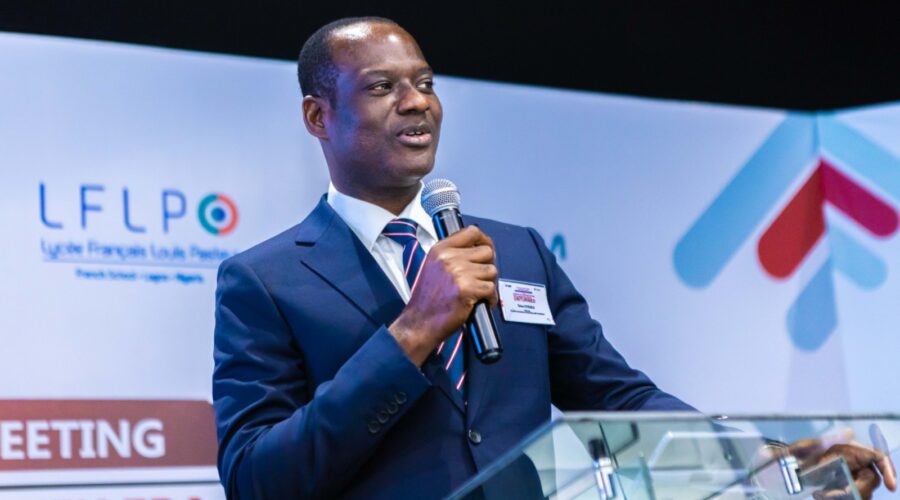
Full Transcript of Taiwo Oyedele’s KeyNote Speech at the FNCCI January 2026 Breakfast Meeting
For decades, Nigeria carried structural distortions that constrained growth, discouraged investment, and weakened competitiveness. These distortions did not disappear on their own; they accumulated.
Subsidies that crowded out productive spending. Multiple exchange rates that distorted pricing and transparency. A complex, discretionary tax system that increased risk and uncertainty.
The cost of delay became higher than the collective short term benefit to the people. Thankfully this administration made a conscious choice to act not because reform is easy or painless, but because inaction would have caused greater harm and total economic collapse.
What Has Changed: From Intent to Laser Focussed Implementation
Nigeria’s reform agenda is anchored on three interlinked pillars.
First, market clarity and transparency – restoring price signals through FX reforms and subsidy removal.
Second, a fiscal reset, with tax reform at its core. Nigeria cannot grow on borrowing. Revenue must be predictable, fair, and aligned with economic aspirations.
Third, improving the business environment through simplification, digitisation, and stronger institutional coordination.
Importantly, these reforms are not theoretical. They are already here with us, though still being debated, and refined through direct engagement with the private sector.
Thanks to the reforms, Nigeria is better positioned to navigate the increasingly volatile global economic and geopolitical environment.
Tax Reform: What “Leaving No Stone Unturned” Means
For investors, the most important signal is clarity, fairness and consistency of rules.
Consequently, our fiscal reforms are designed to deliver:
- Greater predictability
- Lower tax burden and compliance costs
- Reduced exposure to arbitrary assessments and
- Better alignment with international standards
Key reform measures include:
- A progressive tax structure that protects the vulnerable and supports human dignity
- A modern VAT system with broader input credits and zero-rating for essentials
- Lower and more competitive corporate tax rates
- Clearer dispute resolution mechanisms
- And sustained efforts to harmonise taxes across all tiers of government
The reform is not about more revenue, it is a structural reset aimed at competitiveness, growth, and fairness.
But leaving no stone unturned also means confronting difficult issues:
- Rationalising government spending
- Removing inefficiencies
- Closing loopholes that reward avoidance
What the Business Community Is Saying
In our extensive engagements with organised business groups, stakeholders have commended the reforms for confronting long-standing fiscal barriers to investment and competitiveness. The provisions in the new tax laws aimed at boosting disposable income for households, reducing the cost of basic consumptions, harmonisation across tiers of government to tackle multiple taxation and informal levies, creating a level playing field and incentivising productivity resonated most strongly with businesses and investors.
These engagements are important because they confirm that reform is being shaped not in isolation, but in dialogue with those who create jobs, produce goods, and invest capital.
From Reform to Results: The Road Ahead
We are encouraged by early signals: moderating inflation, improving FX stability, stronger reserves, and renewed foreign investment interest.
But reform is a journey. The next phase is about:
- Clear transition rules
- Consistent implementation
- Continuous stakeholder engagement
- And practical enlightenment to support compliance
Reform must be firm, but it must also be responsive, not to sentiments or vested interests but to constructive feedback.
Partnership Is the Differentiator
The government cannot deliver transformation alone. We need businesses to:
- Invest with confidence
- Small businesses to formalise their operations and
- For all stakeholders to engage constructively
In return, government must:
- Provide predictable rules
- Apply the rules fairly
- Listen actively
- And act with sincerity of purpose
That is the partnership we invite you to join us in building.
Restoring Confidence for Inclusive Development
Ladies and gentlemen, leaving no stone unturned means we are addressing structural challenges, not applying temporary patches. It means building a tax and fiscal framework that rewards productivity, protects the vulnerable, and supports long-term investment.
Leaving no stone unturned means we are addressing not just symptoms, but systems. Not just today’s challenges, but creating tomorrow’s opportunities.
Nigeria is open for business – not just on the basis of promises, but on the foundation of reform.
The government’s priority now is to deepen implementation and translate macro stability into micro-level outcomes. Growth must be felt in factories, offices, farms, and households not only in statistics.
I thank the Franco-Nigerian Chamber for its engagement, and its continued partnership as we build a more competitive and resilient Nigerian economy.
Thank you and may God bless you all.

Related Posts

Nigeria in a Reform Driven Era: Turning Stability into Sustainable Growth
Nigeria’s reform momentum took centre stage as business leaders and policymakers examined how fiscal stability, tax reforms, and execution can unlock inclusive, sustainable growth.

Nigeria Innovation Day 2025: Electrifying the Future with Partnership, Technology, and Purpose
Innovation Day Nigeria 2025 showcased 25 years of Schneider Electric’s impact, highlighting bold advances in energy, tech, and partnerships shaping Nigeria’s future.
French Week 2025 Business Forum: Building Partnerships, Driving Growth
The French Week 2025 Business Forum highlighted the growing Franco-Nigerian partnerships across sectors like energy, agriculture, and technology, signaling a future of sustainable growth.
FrenchWeek 2025 Celebrates 40 Years of Innovation and Cross-Border Collaboration
From breakthrough pitches to game-changing insights, FrenchWeek 2025 showed why Nigerian startups are redefining global tech. Discover the highlights.
Le LAGOS FRANCAIS: FRENCH WEEK 2025 SET TO CELEBRATE 40 YEARS OF FRANCO–NIGERIAN PARTNERSHIP
Why is French Week 2025 being called a “turning point” for Nigeria’s business landscape? The players, the deals, the plans — and what’s at stake.