

Nigeria in a Reform Driven Era: Turning Stability into Sustainable Growth
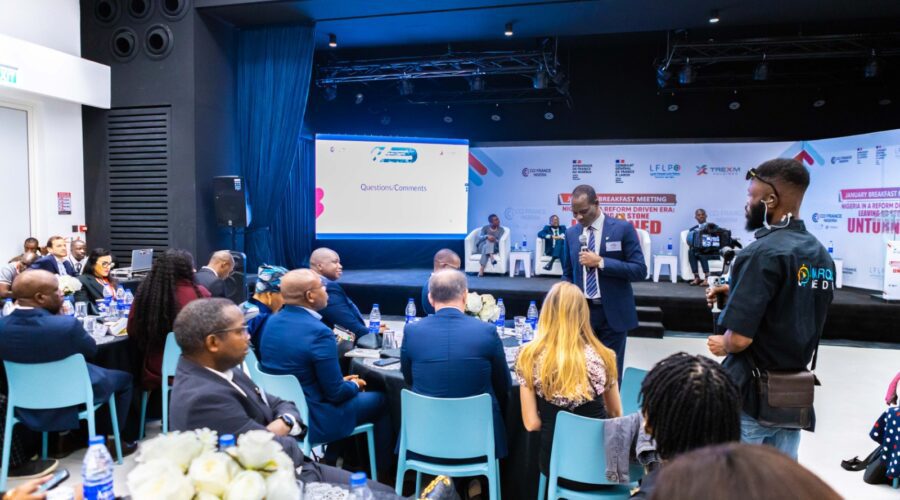
It was a gathering of business leaders, diplomats, key government functionaries, policy makers, among others at the first business breakfast meeting of the Franco-Nigerian Chamber of Commerce and Industry(FNCCI) in partnership with TREXM Holdings and Lycée Français Louis Pasteur, on the theme; Nigeria in a Reform Driven Era: leaving No Stone Unturned.
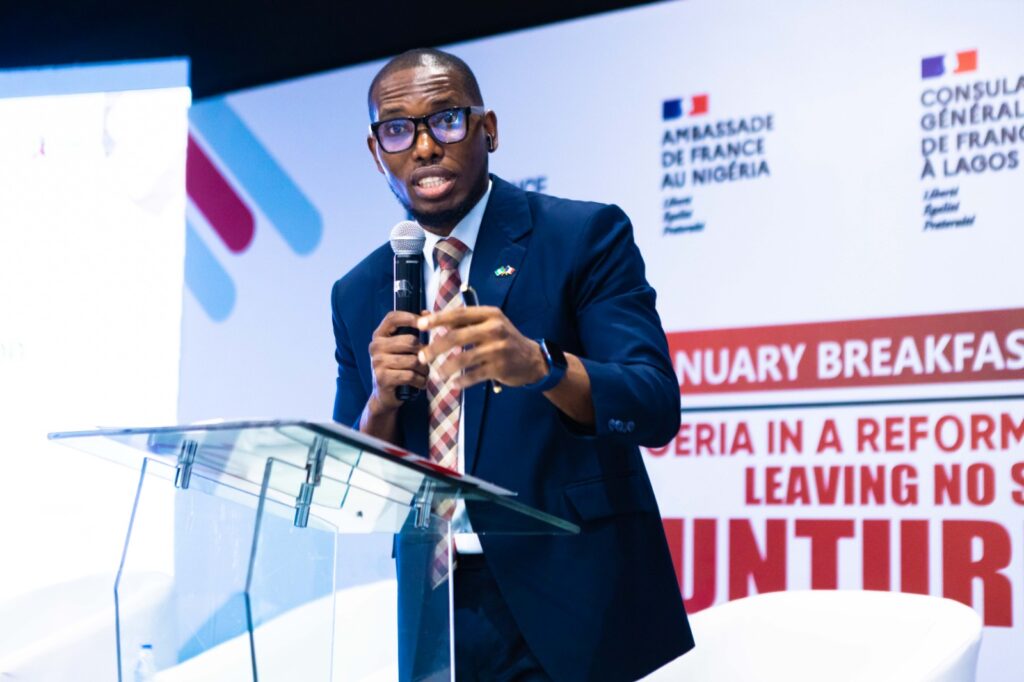
In his introductory remarks, the Director general of the FNCCI, Mr Moses Umoru stated that there is growing consensus that Nigeria has entered a phase of improved macroeconomic stability. After years of structural pressure, several landmark reforms are beginning to settle into the system. The removal of fuel subsidies, the unification of the foreign exchange market, and the introduction of the Nigeria Tax Act signal a deliberate shift toward fiscal discipline and transparency. These measures, alongside increased competition in the oil and gas sector, have contributed to greater FX market stability and a moderation in petrol pump prices.
He further noted that the impact is beginning to reflect in key indicators. Inflation has declined for eight consecutive periods, averaging approximately 14.45 percent. At the same time, international confidence is strengthening. The World Bank recently revised Nigeria’s 2026 growth projection upward to 4.4 percent, from the 3.7 percent forecast issued in June 2025. With stability gradually taking hold, attention is now firmly on how these gains can be converted into broad based, sustainable economic growth.
Delivering the keynote address, the Chairman of the Presidential Fiscal Policy and Tax Reforms Committee, Taiwo Oyedele, underscored the philosophy behind the new tax reforms. He emphasized that:
“the Nigeria Tax Act is not designed to tax more, but to tax fairly.” According to him, “leaving no stone unturned means confronting deep structural challenges rather than applying temporary fixes.”
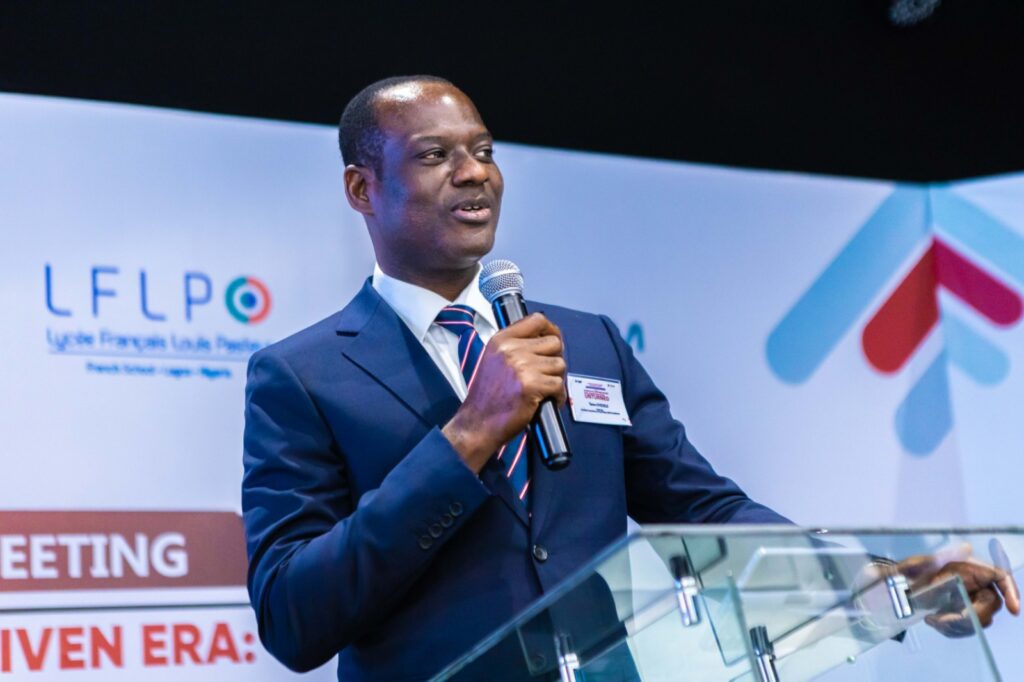
The objective of the tax reform is to build a tax and fiscal framework that rewards productivity, protects the vulnerable, and supports long term investment.”
Taiwo Oyedele
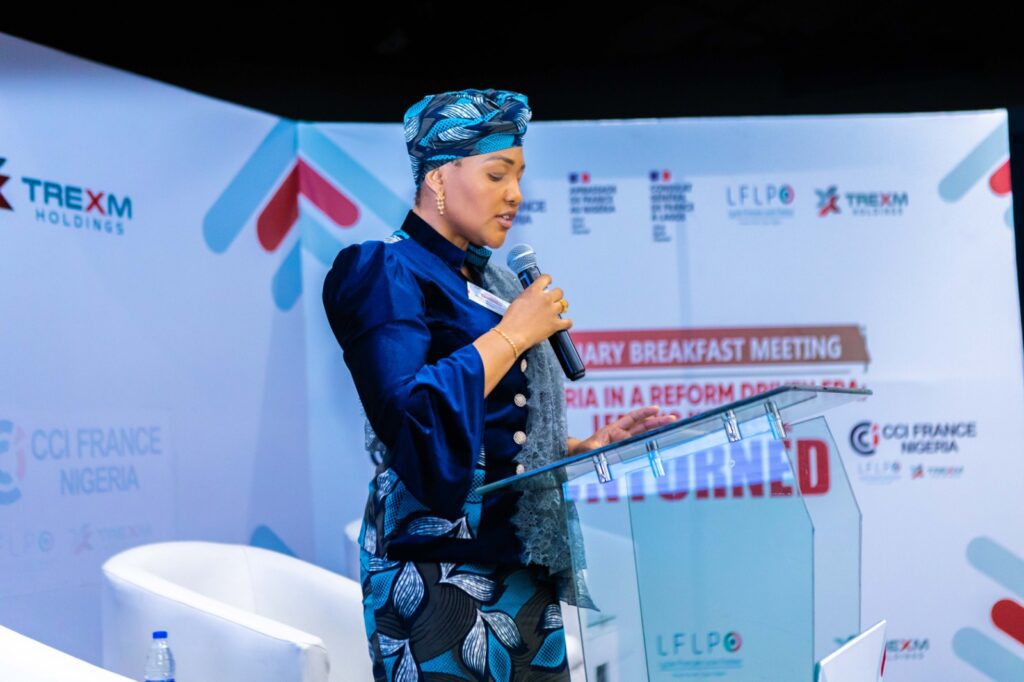
The conversation was further enriched by the presence of the Director General of the Presidential Enabling Business Environment Council Secretariat, Princess Zahrah Mustapha Audu. In her goodwill remarks, she stated that
“competitiveness does not emerge by chance but is built deliberately through coordination, consistency, and trust.”
She explained that
“an enabling business environment is one where systems function predictably, institutions collaborate effectively, and businesses can plan with confidence.”
She also noted that ongoing reforms are focused on improving regulatory quality, inter agency coordination, and trade and logistics processes. According to her, “platforms such as ReportGov help shift reform conversations from isolated complaints to system level improvements, strengthening accountability and responsiveness across government institutions.”
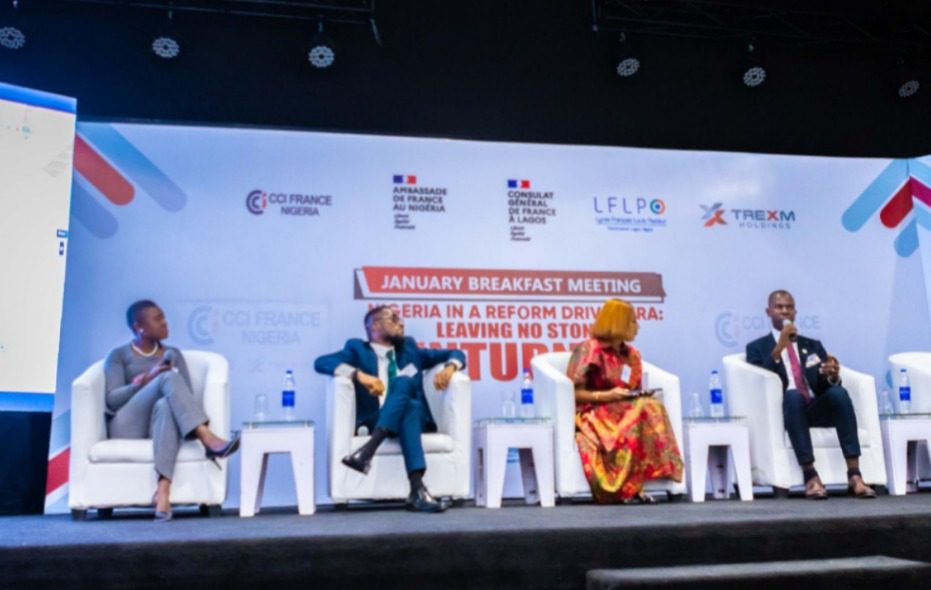
An animated panel discussion followed, featuring Ikemesit Effiong, Partner at SBM Intelligence; Ajibola Sogunro, Partner, Tax and Regulatory Services at Forvis Mazars Nigeria; and Aminat Jegede, Partner in Tax, Regulatory and People Services at KPMG Nigeria. Moderated by Alicia Adefarasin, Senior Counsel at Dentons, the panel examined policy coherence, regulatory certainty, and the importance of aligning reforms with business realities to sustain investor confidence.
The session was formally opened by the Consul General of France, Laurent Favier, who observed that “Nigeria’s economic landscape in 2026 presents both opportunities and challenges.” He urged business leaders to “exercise agility and foresight in their strategic decisions.” Reaffirming France’s commitment to Nigeria, he noted that “institutions such as Agence Française de Développement are investing in transformative projects that promote resilience and sustainable development,” while Business France and CCI France International continue to support French investment in Nigeria.
As discussions concluded, one message stood out clearly. Reforms alone are not the destination. Strong execution, institutional trust, and sustained collaboration between government and the private sector will determine whether Nigeria’s reform momentum translates into inclusive and durable growth. In a reform driven era, leaving no stone unturned means ensuring that policy intent is matched by consistent delivery.
Related Posts
NITDA Builders Festival 2026: Smart Way to Unlock Startup Opportunities
NITDA Builders Festival 2026 offers Nigerian startups a path to ₦3bn in potential investment and pilot contracts by connecting real solutions with institutions.

Konga And Defence Headquarters Launch Nationwide Discount Scheme for Serving, Retired And Veteran Military Personnel
Konga and Defence Headquarters launch a nationwide discount scheme giving serving, retired and veteran military personnel access to essential goods at reduced prices.
Meta, 3MTT, NCAIR & RAIN Partner to Accelerate AI Skills and Innovation in Nigeria
Meta, 3MTT and RAIN launch AI Academy Nigeria to equip developers with AI skills, build startups and turn Nigeria’s growing AI talent into global innovation.

Uber’s Exited Nigeria, Just Weeks After It Acquired ‘Delivery Hero’ (Glovo) for €13 Billion
Uber has exited Nigeria after 12 years, just weeks after launching a €13 billion bid for Delivery Hero, Glovo’s parent. One exit, one massive global gamble.

25 Years Of MTN Nigeria; The Astonishing Journey Of Transformed Communication And Digital Legacy Across A Nation
MTN Nigeria turns 25, celebrating a remarkable journey that transformed communication, connected millions, empowered businesses and shaped Nigeria’s digital future.