

How French Tech Lagos 2.0 Is Quietly Rewriting the Rules of African Innovation
What happens when Europe’s most ambitious tech nation meets Africa’s most dynamic startup ecosystem?
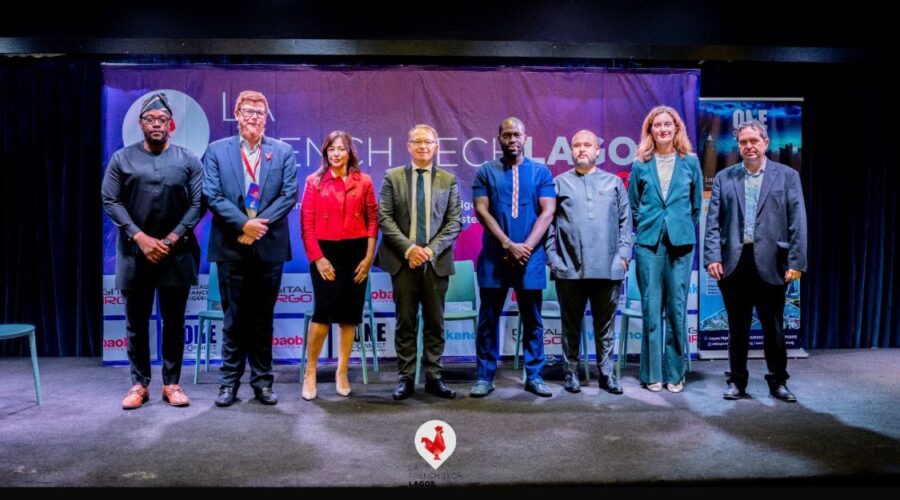
There’s a particular kind of energy that fills a room when people stop talking about potential and start talking about progress. That was exactly the atmosphere at the French Tech Lagos 2.0 launch event, a gathering that felt less like a conference and more like a turning point.
For years, Nigeria has been described as a market full of promise. At French Tech Lagos 2.0, that language shifted. The conversation was no longer about what Nigeria could become. It was about what Nigeria already is and what becomes possible with the right international partnerships behind it.
France, Nigeria, and a €7.4 Billion Reason to Pay Attention
France has quietly become one of Europe’s most formidable tech powerhouses, with over €7.4 billion in startup investments concentrated in artificial intelligence and low-carbon technologies. Nigeria, on the other hand, boasts one of the youngest, most digitally fluent populations on the planet. This country hasn’t just adopted technology but repeatedly scaled it under some of the most challenging conditions in the world.
Put these two ecosystems together, and you get more than a networking event. You get the foundation of one of the most consequential tech corridors between Europe and Africa. That’s the vision behind French Tech Lagos 2.0.
Busting the “Nigeria Is Too Risky” Myth
The event took head-on a narrative that has followed Nigeria for decades: that it’s simply too risky for serious foreign investment. Panellists didn’t sugarcoat the challenges: infrastructure gaps, regulatory complexity, and macroeconomic unpredictability. But their message was clear: the perceived risk almost always exceeds the actual risk.
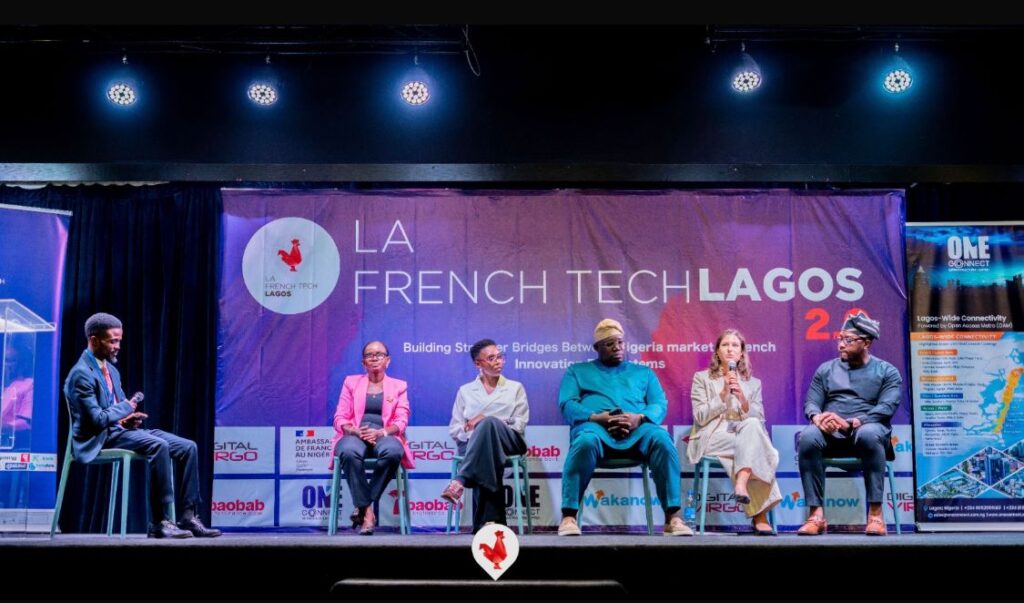
They also added that Nigeria’s real competitive edge isn’t just its 200+ million population. It’s the ecosystem’s extraordinary ability to build, adapt, and scale under pressure. When infrastructure fails, Nigerians build a way out. When payment systems don’t exist, Nigerians invent them. For forward-thinking international investors, that resilience isn’t a consolation prize; it’s the pitch.
What France Is Actually Bringing to the Table
This partnership goes beyond goodwill. The French Embassy’s Economic Department was explicit: France sees Nigeria not as a consumer market to sell into, but as a strategic partner. That commitment is backed by two pillars:
- Financial Catalysts — Through Proparco, the private sector arm of the French Development Agency, specialised funding instruments will flow directly to Nigerian startups. This is investment infrastructure, not aid.
- Institutional Bridges — Lasting connections in research, skills development, and knowledge transfer. The guiding principle: knowledge should move as freely as capital.
For Nigerian founders, this means access to French networks and innovation infrastructure that has historically required either a visa or the right connections.
Nigeria’s Pragmatic Take on AI and Why It Matters “Movement Is the Currency of Innovation”
While other parts of the world debate whether AI will steal jobs or not, Nigeria’s tech ecosystem is already deploying it as a practical tool. Telecoms leaders, for instance, are using AI to shift from reactive troubleshooting, fixing problems after users complain, to predictive operations that catch issues before they surface. That’s not just a tech upgrade; it’s a full reimagination of how a service business runs.
The caveat? The French Tech Lagos 2.0 notes that none of it works without solid physical infrastructure, reliable power, robust connectivity, and capable data centres. Which is exactly why infrastructure remains a non-negotiable part of Nigeria’s tech conversation.
The most memorable idea from French Tech Lagos 2.0 wasn’t about money or policy. It was about people.
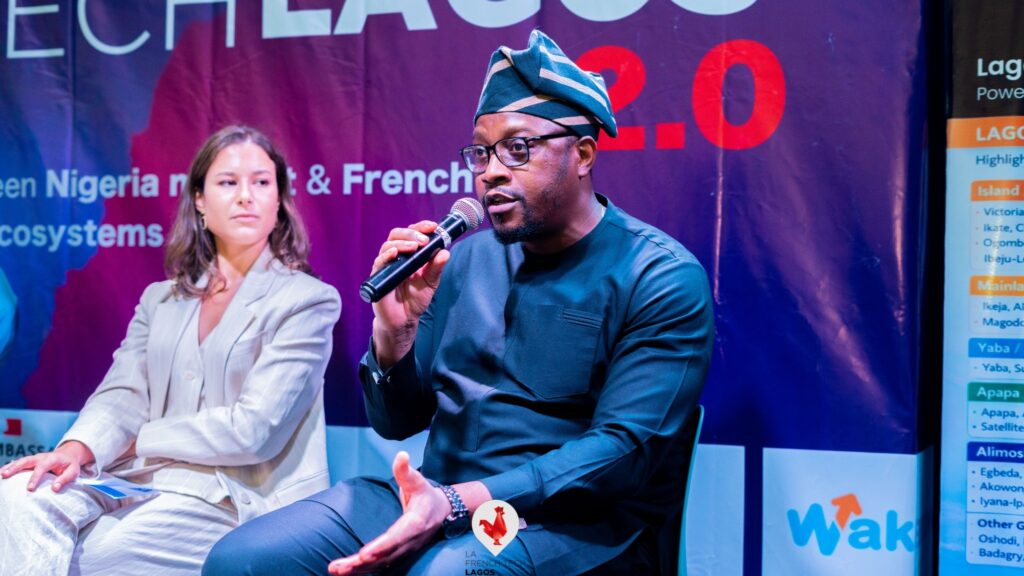
Brain drain has long been framed as Nigeria’s loss. French Tech Lagos 2.0 offered a sharper reframe: movement is the currency of innovation. When a Lagos developer spends two years in a Paris AI lab and returns with new skills and networks, that’s not emigration; that’s an import. The world’s most dynamic ecosystems, Israel, India, and South Korea, didn’t grow by keeping talent in their countries. They grew by building something worth coming back to.
The question for Nigeria isn’t how to stop people from leaving. It’s how to build an ecosystem so compelling that they return.
The Real Measure of Success
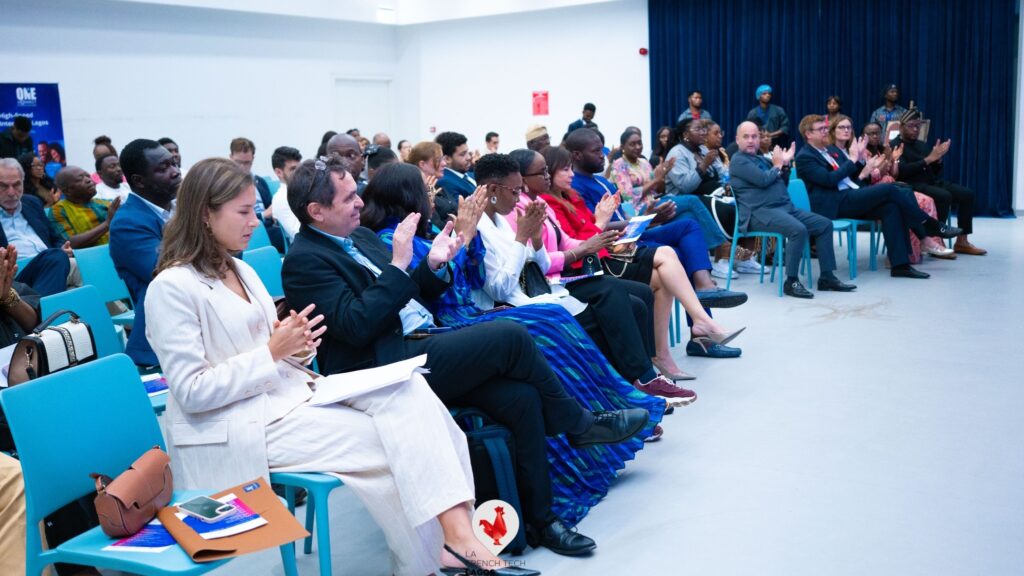
The true test of French Tech Lagos 2.0 won’t be found in post-event press releases. It will show up in the ventures launched, the talent that circulates back, and the business ties that outlast the conference by years.
This isn’t just another event on the African tech calendar. It’s the beginning of a bridge, one that, if built well, could fundamentally expand what’s possible for Nigerian founders, developers, and innovators for a generation to come.
Follow Amebopreneur for the latest on Nigeria’s tech ecosystem, startup funding opportunities, and the cross-border partnerships shaping Africa’s innovation future.
Related Posts

Political Dynamics, Global Realignment: What Tola Adeyemi Told CEOs at FNCCI-KPMG Luncheon Series 6
As Nigeria heads toward the 2027 election, KPMG’s Tola Adeyemi urges businesses to prepare for multiple outcomes, policy shifts and new opportunities.
NITDA Builders Festival 2026: Smart Way to Unlock Startup Opportunities
NITDA Builders Festival 2026 offers Nigerian startups a path to ₦3bn in potential investment and pilot contracts by connecting real solutions with institutions.

Nigeria’s Internet Traffic: The Essential Growth Drivers Behind a 168% Surge
Nigeria’s internet traffic surged 168% in three years. Discover the key drivers behind the growth and what it means for businesses, SMEs and entrepreneurs.

Konga And Defence Headquarters Launch Nationwide Discount Scheme for Serving, Retired And Veteran Military Personnel
Konga and Defence Headquarters launch a nationwide discount scheme giving serving, retired and veteran military personnel access to essential goods at reduced prices.
Askya Offers African AI Startups Up To $200,000 In Investment Through New Growth Platform
Askya Investment Partners has launched a six-week AI Growth Platform for 10 African startups, offering zero-equity participation, business support and potential investment of up to $200,000