


Beyond the Hype: How Artificial Intelligence Is Reshaping Work, Learning and Business in Nigeria
Artificial intelligence (AI) is moving from an unfamiliar technology to a tool that is increasingly shaping how people work, learn and run businesses. In Nigeria, its use is growing as workers, students, entrepreneurs and organisations explore ways to save time, analyse information and improve the services they provide.
AI tools can help people draft documents, summarise information, generate ideas, translate text and handle repetitive tasks. However, the technology is not a solution to every problem. Its value depends on how it is used, the quality of the information it receives and the judgement of the people relying on its results.
Nigeria’s policy direction is set out in the National Artificial Intelligence Strategy, published in September 2025. The strategy reflects the country’s interest in developing AI in ways that support innovation and national development. The question now is how these ambitions will translate into practical benefits for people and organisations.
AI in the Workplace
At work, AI can support tasks that once required significant time and effort.
Employees may use it to organise notes, prepare first drafts, summarise long reports, analyse data or respond to routine enquiries. For small teams with limited resources, these tools can make it easier to complete everyday tasks and focus on work that requires human judgement.
But AI-generated work still needs to be checked. A tool may produce an answer that sounds confident while containing inaccurate information, outdated details or made-up references.
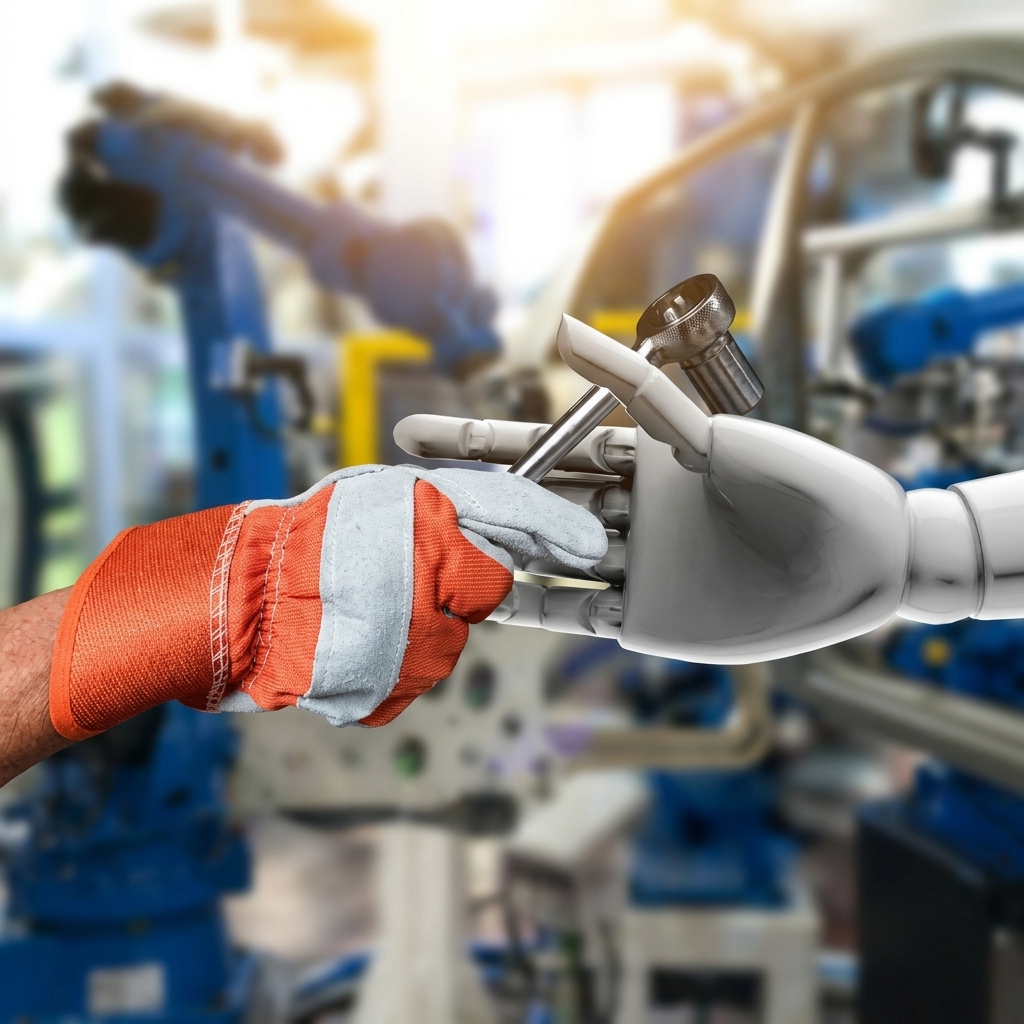
Workers should verify facts before sharing or publishing content, and they should avoid entering confidential company or customer information into tools that have not been approved for that purpose.
The most useful approach is to treat AI as an assistant rather than a replacement for professional responsibility. Human workers remain accountable for the quality, fairness and accuracy of the final work.
AI in Education
In education, AI can help learners explore difficult topics, practise writing, receive explanations and generate questions for revision. Teachers may also use it to prepare lesson materials, develop classroom activities and adapt explanations for students with different learning needs.
At the same time, easy access to AI creates questions about originality, assessment and learning. If students rely on a tool to complete every assignment, they may miss the opportunity to develop their own research, reasoning and writing skills. Schools and universities therefore need clear rules on when AI can be used, how its use should be acknowledged and which tasks must be completed independently.
UNESCO’s Guidance for Generative AI in Education and Research stresses the need for a human-centred approach, including attention to privacy, inclusion and the role of teachers.
Stefania Giannini, writing in 2023 as UNESCO Assistant Director-General for Education

Stefania Giannini
The principle is important: AI should support learning, not take away the thinking and understanding that education is meant to develop.
AI and Business Growth
For Nigerian businesses, AI may offer practical ways to improve customer service, understand market trends, support marketing, manage information and automate repetitive administrative work. Small businesses can use accessible tools to help prepare product descriptions, plan social media content, draft customer messages or review basic business data.
However, adopting AI does not automatically lead to growth. Businesses need to identify a clear problem before choosing a tool. They also need reliable data, staff who understand how to use the technology and processes for checking the results.

A study by the Centre for the Study of the Economies of Africa (CSEA), which examined AI use among 528 digitally enabled businesses across Lagos, Rivers State and Abuja, provides local evidence on how firms are engaging with the technology. The findings are discussed in CSEA’s study on AI usage in Nigeria.
Nigeria’s language diversity is another important consideration. AI systems that work well in widely represented languages may be less effective for local languages when training data is limited.
In September 2025, the Federal Ministry of Communications, Innovation and Digital Economy announced the Nigerian Atlas for Languages and AI at Scale (N-ATLAS), an open-source multilingual large language model, powered by Awarri, that is intended to advance language resources and AI development.
More details are available in the ministry’s announcement on Nigeria’s N-ATLAS initiative. Initiatives of this kind could help make AI more relevant to Nigeria’s linguistic and cultural realities.
The Risks of Artificial Intelligence
AI also presents risks that cannot be ignored. One is misinformation. AI tools can generate convincing but false statements, images and audio, making it harder for people to distinguish reliable information from fabricated material. Journalists, businesses, educators and members of the public should verify important claims against trustworthy original sources.
Privacy is another concern. Users may expose personal, financial or business information when they upload it to an AI service without understanding how it is handled. Organisations should set clear rules for data protection and ensure that staff know which information must not be shared.
Bias can also affect AI outputs. If a system has been trained on incomplete or unrepresentative data, its responses may overlook or unfairly represent certain groups. AI can also affect jobs as some tasks become automated, although it may create new roles and increase demand for different skills. These changes make training and thoughtful planning essential.
Challenges Facing AI Adoption in Nigeria
The benefits of AI will not be shared equally unless practical barriers are addressed. Reliable electricity, affordable internet access and suitable digital devices remain important requirements. People and businesses that struggle with these basics may find it difficult to use AI consistently.
Digital skills are another challenge. Having access to an AI tool does not necessarily mean a person knows how to use it well, assess its limitations or protect sensitive information.
Training needs to cover not only how to operate tools but also how to check their outputs and use them responsibly.

There are also questions about language representation, data availability, cost and trust. For AI to serve more Nigerians, developers and policymakers will need to consider local needs, support responsible innovation and strengthen the digital infrastructure that makes these tools usable.
Preparing for an AI-Driven Future
Individuals can prepare by developing digital literacy, learning how AI tools work and practising how to verify their outputs. Skills such as critical thinking, communication, creativity, problem-solving and collaboration will remain valuable because they help people decide when AI is useful and when its suggestions should be challenged.
Businesses should start with a clear objective, test tools on manageable tasks and evaluate whether they actually improve quality, speed or cost. They should establish rules for privacy, human review and accountability before expanding their use of AI.
Schools and training institutions can help by teaching students how to use AI ethically while continuing to assess independent understanding.
Policymakers and technology developers also have a role in supporting infrastructure, protecting users and ensuring that AI systems respond to Nigeria’s diverse communities.
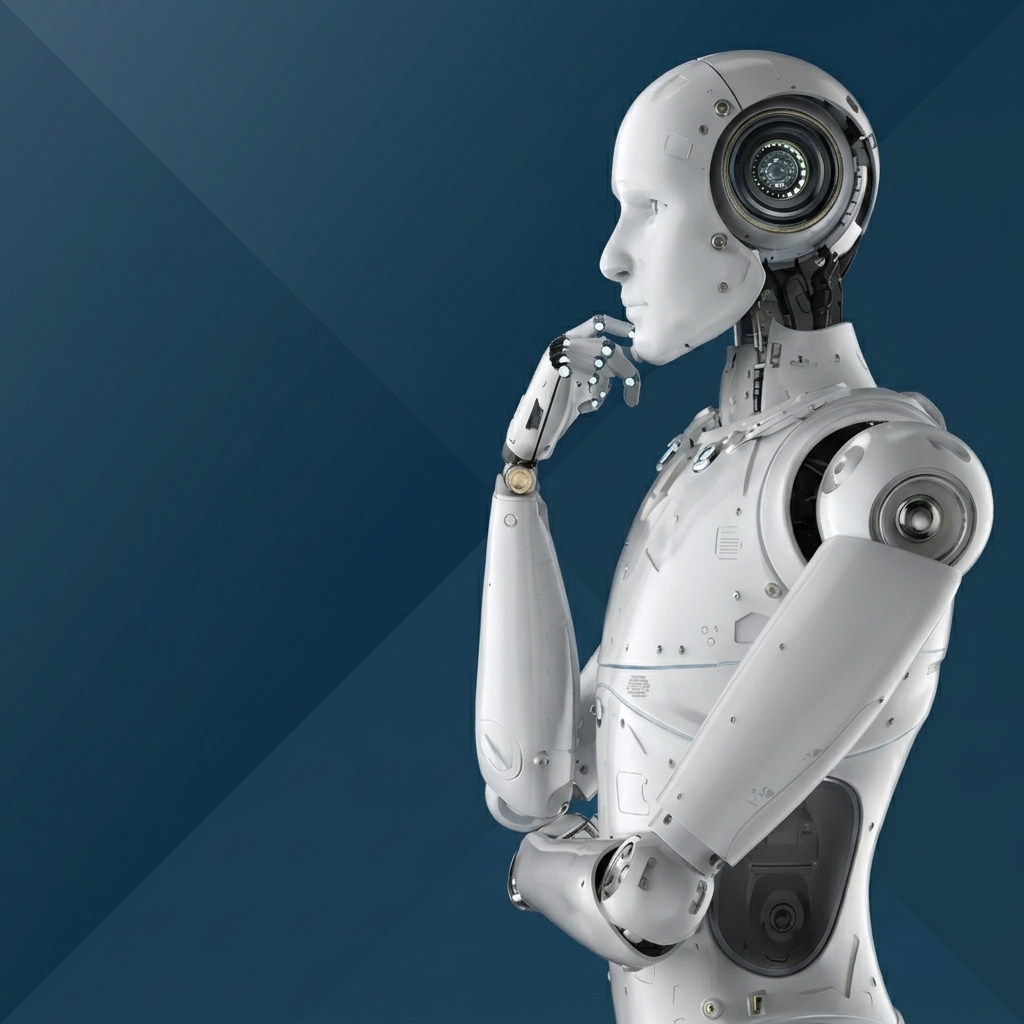
The goal should not be to adopt AI simply because it is popular. It should be used where it offers real value while remaining alert to its limitations.
Conclusion
Artificial intelligence is already changing the way people work, learn and do business, and its influence is likely to grow. For Nigeria, the opportunity lies in applying the technology to real needs, from helping businesses operate more efficiently to supporting education and developing tools that better reflect local languages.
But progress will depend on more than access to new software. Reliable infrastructure, practical skills, good data, responsible policies and human oversight are all essential. AI can help people do more, but it cannot replace the need for sound judgement, accurate information and accountability. The challenge for Nigeria is to move beyond the hype and build an approach to AI that is useful, inclusive and responsible.
Follow Amebopreneur for the latest on Nigeria’s tech ecosystem, startup funding opportunities, and the cross-border partnerships shaping Africa’s innovation future.
Related Posts

10 Young Nigerian Startups Win ₦21 Million In Grants: Meet The Entrepreneurs Behind The Ideas
Ten young Nigerian startups win a ₦21 million grant and a Korea trip at the ACE Startup Academy finale. Here are the verified facts.

French Week Nigeria 2026: Lagos to Host Major France-Nigeria Business and Technology Gathering
French Week Nigeria 2026 runs from October 29 to November 6 in Lagos, bringing together over 1,000 executives, diplomats and entrepreneurs for business, technology, energy and agribusiness events.

French Week Nigeria 2026 Opens in Lagos: “One Week, Infinite Opportunity” for Franco-Nigerian Business
French Week Nigeria 2026 runs 29 October to 6 November in Lagos, uniting over 1,000 C-level executives, diplomats, and entrepreneurs for a week of Franco-Nigerian business networking, innovation, and cross-border opportunity.

The Business of Everyday Needs: How Nigerians Are Turning Daily Problems into Business Opportunities
Discover how Nigerians are turning everyday problems into profitable business opportunities, from laundry and food delivery to cleaning and repairs, with smart strategies for lasting success.

Nigeria’s Payment Data Rule: Essential Risks Before the 2027 Deadline
Nigeria’s January 1, 2027 payment data deadline is approaching. Discover the cybersecurity risks, migration costs and infrastructure challenges banks and fintechs must overcome to comply.