

Local Voices, Global Translation: NITDA and Nkenne AI Partners to Build AI That Understands Every Nigerian Voice
People often praise Nigeria for its rich culture, but that diversity always makes it hard to get everyone onboard. With over 500 languages spoken in Nigeria, so many people have trouble using digital services that are mostly made for people who speak English, and for millions, this language gap isn’t just annoying; it’s a barrier to getting health care information, financial services, talking to the government, and really participating in the digital economy.
The National Information Technology Development Agency (NITDA), the federal agency in charge of Nigeria’s tech policy and infrastructure, has made a bold and inclusive move into AI. NITDA has decided to build local capacity and infrastructure that understands the language needs of Nigerians instead of just relying on global tech companies to make their systems work in Nigeria.
The partnership: NITDA and Nkenne AI
The main goal of this project is to work with Nkenne AI, a company that grew out of the African language learning platform NKENNE. This platform was originally focused on teaching and preserving African languages like Igbo, Yoruba, Hausa, Swahili and Nigerian Pidgin.
NKENNE began as a cultural project, but its large collection of language data and community involvement made it possible for the organisation to do something bigger: train AI systems that can understand and work with African languages on a large scale. That evolution led to the creation of Nkenne AI, a platform that is making the technology that will finally bring real multilingual AI to Nigeria and beyond.
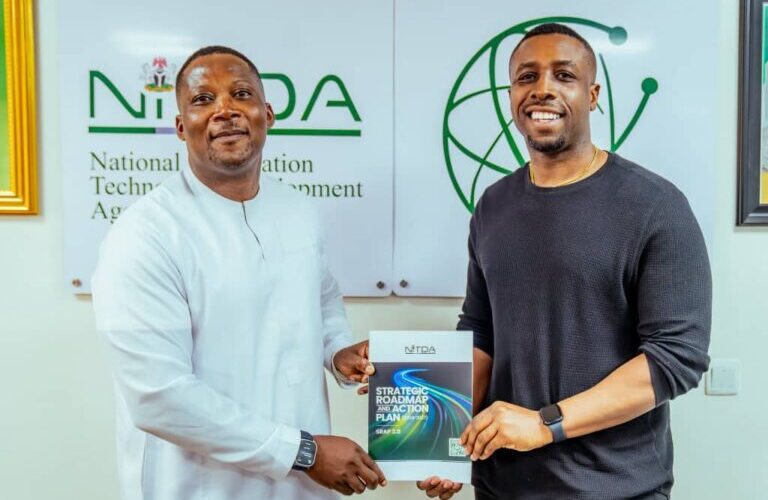
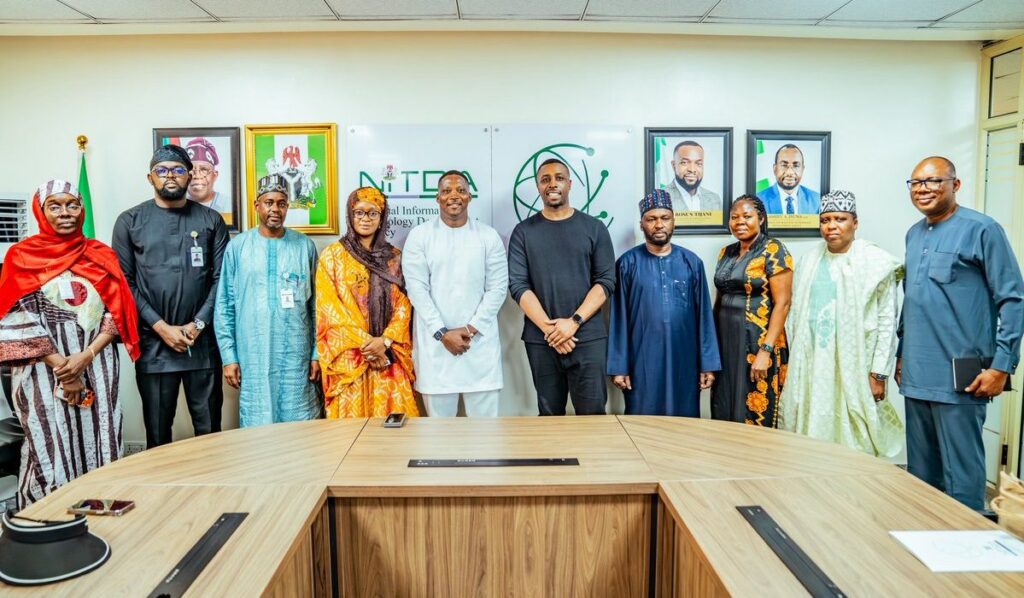
In early March 2026, NITDA and Nkenne AI made their partnership official. The goal was clear: to use government support, talent development goals, and technical know-how to build AI systems that really understand Nigerian languages.
What makes this partnership special
Most AI systems around the world today are trained mostly on English, Spanish, German, Mandarin, or other major languages. This means that low-resource languages, especially tonal ones that are common in Africa, are not well represented. Nkenne AI’s method solves this problem by purposefully gathering and tagging data that shows the structure, tone, and subtleties of African languages. This includes speech datasets for speech-to-text, bilingual translation pairs, tone-aware tagging, and linguistic resources that have been checked by the community.
The goal of the partnership with NITDA is to use these tools in real-world settings. When users can communicate in their own languages, important digital systems like healthcare communication, fintech platforms, public service portals, and others can be more open and accessible.
This comes at a time when big tech companies are starting to pay more attention to African languages. For example, Google recently added support for Yoruba and Hausa to its AI search. However, NITDA’s project is much bigger and more ambitious than just adding languages one at a time.
The language AI partnership is far more than just models and code.
Bunmi Ajala, National Director of the National Centre for Artificial Intelligence and Robotics (NCAIR), spoke on behalf of NITDA’s Director-General, Kashifu Inuwa Abdullahi, about the agency’s strategic vision to position Nigeria as a leading continental hub for artificial intelligence and digital innovation.
According to Ajala, NITDA is undertaking an ambitious roadmap that prioritises increasing the country’s digital capabilities and preparing its workforce for an AI-driven future. A significant pillar of that roadmap is the government’s goal of achieving 70% digital literacy among Nigerians by 2027, which is projected to open up new economic opportunities and enhance participation in the digital economy.
She emphasised that building a strong talent pipeline and incorporating artificial intelligence into public service delivery remain critical to the agency’s transformation plan.
By putting linguistic inclusion first, Nigeria is risking nothing less than a more fair digital future where people can use technology in the languages they think, speak, and live their lives in every day. This isn’t about Africa catching up; it’s about Africa being the best in the world at dealing with complexity, diversity, and contextual relevance.
Conclusion
Nkenne AI being a multilingual AI system that can handle African languages on a large scale, the platform’s rich text and speech datasets are one of its core attributes in this partnership. CEO Michael Odokara-Okigbo says that the company’s mission changed from preserving culture to laying the technological groundwork for African languages to thrive in AI systems.
It has AI that can translate text to text, transcribe speech to text, synthesise text to speech, and work with multilingual APIs. The first languages to be focused on are Yoruba, Igbo, Hausa, Swahili, and Nigerian Pidgin, but the plan is to add more African languages in the future.
The NITDA-Nkenne AI collaboration is far more than just a technical project; it represents a theoretical framework for inclusive, locally fuelled AI innovation. Nigeria is making significant progress toward a digital future in which everyone, regardless of language, can fully engage. This program emphasises a fundamental truth: AI has the greatest impact when it speaks the language of the people.
Related Posts

Political Dynamics, Global Realignment: What Tola Adeyemi Told CEOs at FNCCI-KPMG Luncheon Series 6
As Nigeria heads toward the 2027 election, KPMG’s Tola Adeyemi urges businesses to prepare for multiple outcomes, policy shifts and new opportunities.
Access Bank $500 Million Eurobond Repayment: An Essential Lesson in Financial Planning
Access Bank’s $500m Eurobond repayment offers a powerful lesson in liquidity planning, foreign-currency risk and smart financial management for Nigerian businesses.

Funding is Available, But Are Nigerian Small Businesses Ready for It?
Funding exists for Nigerian small businesses, but access remains a challenge. Discover what SMEs need to become funding-ready and turn capital into sustainable growth.
Meta, 3MTT, NCAIR & RAIN Partner to Accelerate AI Skills and Innovation in Nigeria
Meta, 3MTT and RAIN launch AI Academy Nigeria to equip developers with AI skills, build startups and turn Nigeria’s growing AI talent into global innovation.
Nomba and Synafare Commit ₦2 Billion to Solar Financing for 300 Nigerian SMEs
Nomba and Synafare are committing ₦2 billion to solar financing, helping 300 Nigerian SMEs cut energy costs, boost productivity and power their growth.