


OPay Withdraws Planned US IPO: What Does It Mean for the Fintech’s Growth Plans?
OPay’s plan to list on the New York Stock Exchange has been called off after the Nigeria-focused fintech company withdrew its proposed $304 million initial public offering (IPO), just hours after pricing its shares.
The offering was priced on the evening of Thursday, October 29, 2026, and the withdrawal was announced the next day, Friday, October 30. It came as a surprise because the company had already completed a major step towards its debut.
OPay had priced 16 million American Depositary Shares (ADSs) at $19 each, the lower end of its proposed range of $19 to $21. The offering would have valued the company at approximately $4 billion. Ahead of the planned open, Bloomberg reported that the ADSs were indicated to trade between $16.25 and $16.75, below the IPO price.
The company then announced that it would not proceed with the listing following a regulatory inquiry in an unnamed foreign jurisdiction.
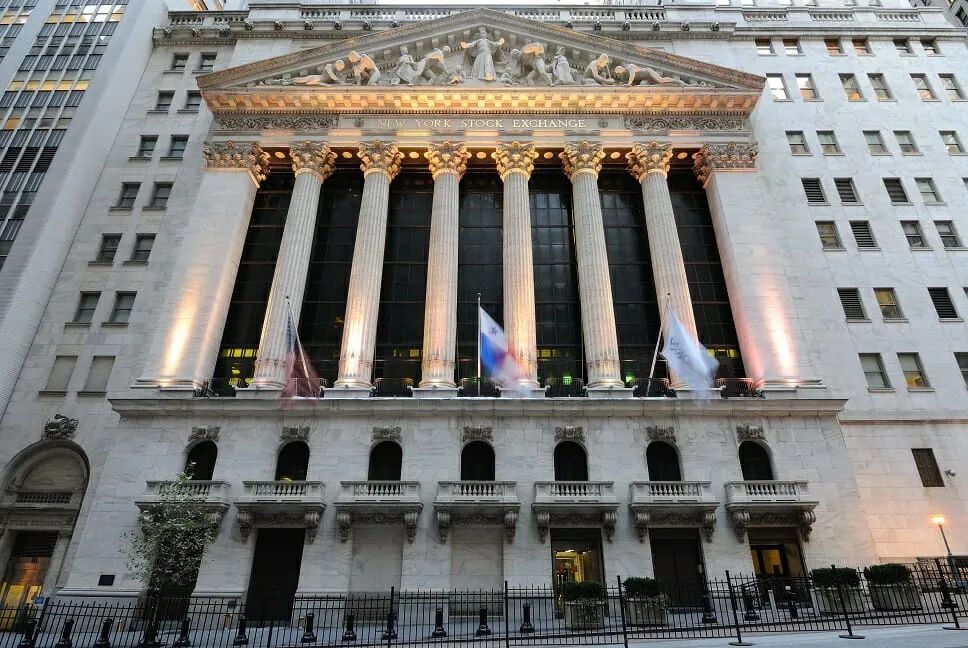
The development has raised questions about the company’s plans to attract international investors, its future fundraising options and what the decision could mean for its expansion.
Why OPay Withdrew the IPO
In its statement, OPay said the inquiry related to a foreign jurisdiction that it considered immaterial to its core business operations. It did not identify the regulator or give details of the inquiry, but said it expected the matter to be resolved.
OPay said it expects the inquiry to be concluded satisfactorily in the near future. After discussions with its underwriters, however, it decided that not proceeding with the offering at this time was “the most prudent course of action”
The company and its underwriters then agreed to terminate the underwriting agreement dated October 29, 2026. As a result, the shares did not begin trading on the New York Stock Exchange as planned.
OPay also sought to separate the development from its business performance. It said the inquiry should not be read as a reflection on its financial condition, operational integrity or regulatory standing, and that its services in Nigeria and its other markets would continue without disruption.
The lack of official detail leaves important questions open. OPay has not said which jurisdiction is involved, what prompted the inquiry or how long it may take. Bloomberg, citing people familiar with the matter, has reported that the inquiry came from Chinese regulators and arrived at the last minute, hours after pricing OPay has not confirmed this, so it remains an unconfirmed report based on anonymous sources.
A Fintech Company With Growing Financial Results
The withdrawal comes at a time when OPay has been recording significant growth.
According to financial information reported ahead of the planned listing, the company generated $536.25 million in revenue in 2025, a 161 per cent increase from $205.73 million in 2024. It also moved from a net loss of about $51 million in 2024 to a net profit of $72.47 million in 2025. The improvement reflected increased transaction activity, user growth and the expansion of its financial services.
Nigeria remains its biggest market, accounting for 88.1 per cent of revenue in 2025, while Indonesia contributed 9.9 per cent. Egypt and other markets made up the remaining share.
The company’s registration documents also showed the scale of its operations. OPay reported 50.1 million monthly active users as of July 31, 2026, and said it processed 90.1 billion transactions, representing $558 billion in gross transaction value over the 12 months to June 30, 2026.
These figures help explain why the company was seeking to enter the international capital market. A public listing could have provided access to additional funding while giving existing and new investors an opportunity to participate in its growth. However, strong financial results do not guarantee a successful public offering. Regulatory clarity, investor confidence and market conditions also matter.
What the IPO Was Expected to Fund
OPay’s proposed listing was more than a chance to raise money from investors. It was also tied to the company’s longer-term plans to expand its operations and strengthen its position in digital financial services.
Before the withdrawal, the company indicated that proceeds from the offering would support investments in technology, expansion of its network and markets, product development, and possible acquisitions or strategic investments.
Competition in digital financial services continues to grow, as fintech companies compete to attract customers, improve payment services and offer more financial products to individuals and businesses. OPay operates across payments, money transfers, savings, credit and merchant services, and its ability to expand these will depend partly on how effectively it invests in technology, infrastructure and customer support.
The withdrawal does not mean these plans have been abandoned. However, the company will need to decide how to pursue them now that the public offering has been called off.
What the Withdrawal Means for Investors and the Fintech Market
The decision also raises questions for investors who had shown interest in the offering.
OPay’s amended prospectus disclosed non-binding indications of interest worth up to $270 million from nine investors. About $80 million of that came from existing shareholders or firms linked to them. Indications of interest are not orders, and investors can buy more, less or nothing. Stanbic Africa Holdings, part of Standard Bank Group, had also agreed to invest up to $200 million in a concurrent private placement. With the offering terminated, the planned transactions will not proceed as announced.
For OPay, the immediate challenge is to address the outstanding inquiry and update stakeholders on material developments.
A successful resolution could help the company revisit its fundraising plans, although any future listing would depend on regulatory requirements and market conditions.
The development is also relevant to Nigeria’s fintech industry. OPay has become a major player in the country’s digital financial services market, and its planned listing attracted attention as a potential example of a Nigerian-focused technology company accessing a major international exchange.
A successful listing could have raised the visibility of the African fintech sector. The withdrawal does not remove that opportunity permanently, but it shows that business growth alone does not guarantee a smooth entry into public markets.
Conclusion
OPay’s decision to withdraw its planned US IPO leaves its international fundraising plans uncertain at a time when the company is reporting strong revenue growth and expanding its financial services.
The company has maintained that the regulatory inquiry will not affect its operations or standing in Nigeria and its other markets. However, the absence of official detail about the inquiry means its resolution will remain an important issue for investors and business partners.
For now, OPay’s priority will be to address the matter, maintain confidence in its operations and continue delivering its services across its markets. Whether it returns to the international capital market will depend on how the situation develops and the company’s next steps.
Follow Amebopreneur for the latest on Nigeria’s tech ecosystem, startup funding opportunities, and the cross-border partnerships shaping Africa’s innovation future.
Related Posts
France–Nigeria Agri-Business Summit 2026: Strengthening Partnerships, Investment and Sustainable Growth
France and Nigeria are deepening agricultural ties through strategic investments, innovation and partnerships, unlocking new opportunities for agribusiness growth and global trade.

MTN Nigeria and Airtel Increase Network Spending as Data Demand Grows
MTN and Airtel are ramping up network investments as Nigeria’s data demand surges, intensifying competition for faster, more reliable internet.
PEBEC Intensifies Push to Make Nigeria Easier for Business Under New Leadership
PEBEC is stepping up reforms to cut bureaucracy, streamline government services and make doing business in Nigeria faster, easier and cheaper.

Beyond Traditional Savings: The Smart Path More Nigerians Are Taking Toward Real Wealth Creation
As inflation erodes the value of idle cash, more Nigerians are looking beyond traditional savings to smarter investment options that build lasting wealth.

French Week 2026: Reinforcing the Resilience of the Nigerian Startup Ecosystem
How can Nigerian startups survive, scale and compete globally? French Tech Summit 2026 explored investment, AI, talent development and international partnerships shaping the future of Nigeria’s startup ecosystem.