


Beyond Traditional Savings: The Smart Path More Nigerians Are Taking Toward Real Wealth Creation
For a long time, putting money in a bank savings account, Ajo, Esusu, Adashe, co-operative, etc., felt like the responsible thing to do. You set aside part of your salary, kept some funds for emergencies, or saved toward a big expense. That approach signalled discipline and offered a sense of security.
Economic pressures over the past few years have started to change that thinking. Rising prices, inflation, and currency swings have made many people ask a different question. Is simply saving money still enough, or does that money also need to work harder?
More Nigerians are now looking at options beyond the regular savings account. Money market funds, treasury bills, mutual funds, shares, and even some dollar-linked products are entering everyday conversations about personal finance. This does not mean people are abandoning traditional savings. It means more people recognise that keeping money safe and growing wealth are two separate goals.
Inflation Is Forcing a New Conversation
One of the clearest reasons for the shift is inflation. Money left in a low-interest savings account may grow a little in numerical terms, but its purchasing power can shrink when prices rise faster than the interest earned.
Take a simple case. Someone keeps ₦1 million in a savings account that pays about 5 percent a year.
After twelve months the balance may reach roughly ₦1.05 million before charges and tax. If inflation runs at 15 percent over the same period, that money buys less than it did at the start. The real return is negative.
Traditional savings accounts are built for safety and easy access, not for beating inflation over the long term.
Once people notice this gap, they begin looking for ways to protect and grow the value of what they have.
Financial Awareness Is Spreading
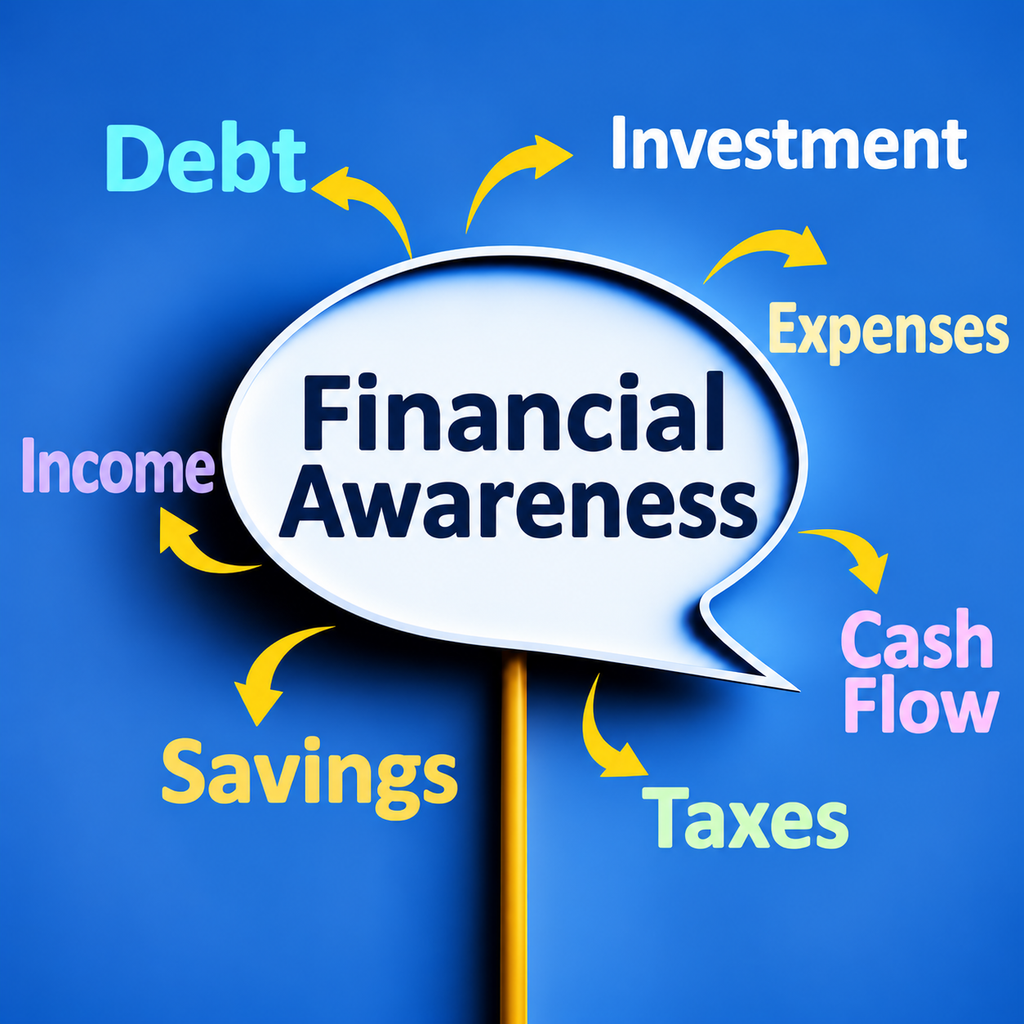
More Nigerians are also learning the language of investing. Concepts that once sounded technical, like compound returns, diversification, fixed-income products, dividends, money market funds are becoming familiar.
The 2026 Access to Financial Services in Nigeria Survey by Enhancing Financial Innovation and Access (EFInA) captured part of this change.
Formal savings rose from 38 percent of adults in 2023 to 53 percent in 2026.
Overall financial inclusion moved from 74 percent to 79 percent in the same period.
Access is improving. The next step is understanding. Having a bank account or a savings balance is useful, but knowing how different products work and when to use them is what turns access into real financial progress.
Digital Platforms Have Lowered the Barriers
Technology has made investment options easier to reach. In the past, many products required large minimum amounts, personal connections, or complicated paperwork. Digital platforms have simplified parts of that process.

Today people can put money into money market funds, buy treasury bills, join mutual funds, purchase shares, or consider fixed-income securities through apps and online platforms.
Dollar-linked options also exist, though they carry their own costs and risks.
The growth of money market funds shows the change in numbers. Data from the Securities and Exchange Commission showed their net asset value rising from about ₦1.68 trillion in 2024 to ₦4.74 trillion by the end of 2025.
More people are choosing professionally managed products that aim to earn better returns than ordinary savings while still offering reasonable access to the money.
A Younger Generation Sees Wealth Differently
Young professionals, freelancers, and people working in the digital economy are especially active in these conversations. Social media, online education, and investment communities have made information easier to find.
People discuss how to invest their first ₦50,000, how to build an emergency fund, how to put idle cash to work, and how to start in the stock market. For many, the goal is no longer just to save. It is to create several streams of financial strength over time.
That interest is healthy, but it also brings risk. Not every platform or product is legitimate or suitable. Financial education has to grow at the same pace as participation.
Saving and Investing Serve Different Purposes
The biggest shift is often in mindset. Saving is about setting money aside and keeping it available. Investing is about putting capital to work so it can generate returns over a chosen period.
Someone saving for rent, school fees, or a medical emergency has a different need from someone building funds for retirement or long-term goals. Both matter. Confusing the two can create problems.
A practical approach often includes three layers: money kept easily accessible for day-to-day needs, an emergency reserve, and a portion allocated to investments that match the person’s goals and comfort with risk.
Short-term needs call for liquidity and safety. Longer horizons may allow for a mix of equities, fixed-income products, or managed funds.
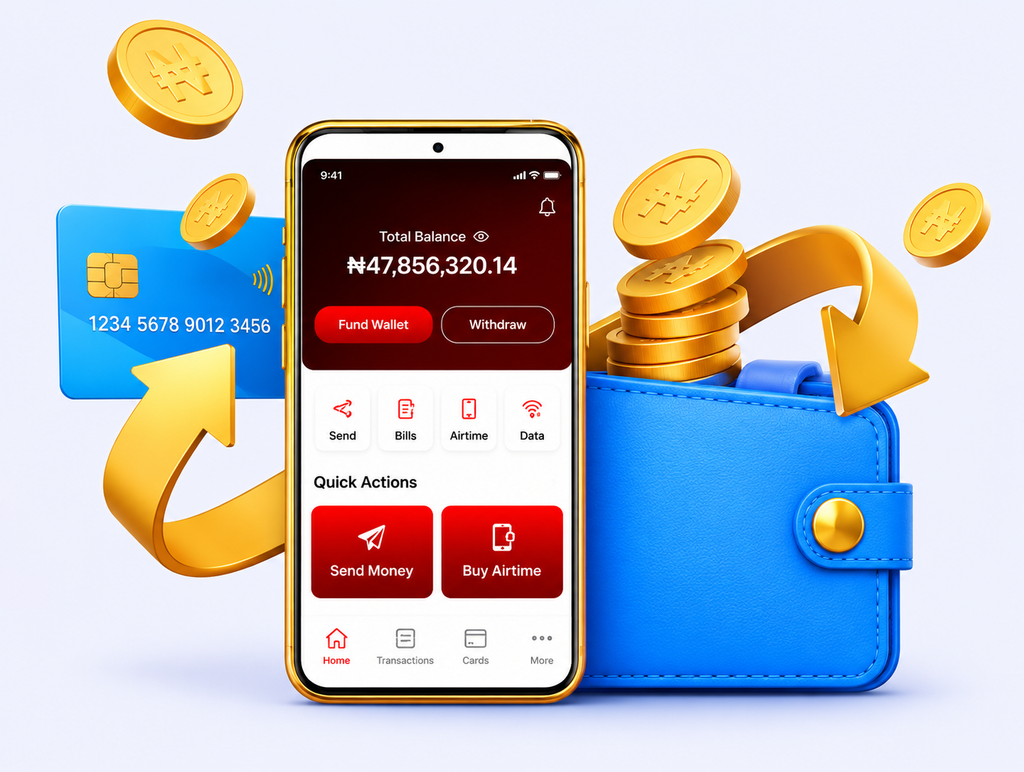
The aim is not to invest every naira. It is to give each part of your money a clear job.
Understanding the Risks Is Essential
Moving beyond traditional savings does not remove risk. Share prices can fall. Bonds face interest-rate and credit risks. Money market funds are not the same as bank deposits and do not guarantee fixed returns. Foreign-currency products can move with exchange rates and often involve extra costs.
Fraudulent schemes that promise unusually high or guaranteed returns remain a real danger. Anyone exploring investment options should check that the firm or platform is properly registered with the Securities and Exchange Commission and other relevant regulators.
The best opportunity is rarely the one that advertises the highest return. It is the one whose risks, costs, and potential rewards you actually understand and that fit your own financial situation.
What This Means for the Wider Economy
When more people take part in regulated investment products, domestic capital markets can grow deeper.
Household savings can flow into mutual funds, bonds, equities, and other instruments that help businesses raise money.
Nigeria’s Securities and Exchange Commission has recognised this direction in its Capital Market Master Plan 2.0 covering 2026 to 2036. The plan stresses wider investor participation, more product choices, stronger market infrastructure, and better financial education.
A larger base of local investors can improve market liquidity, support company growth, and reduce over-reliance on foreign capital.

That only works if investor protection is strong, institutions remain transparent, and products stay accessible and trustworthy.
Conclusion
Traditional savings still matter for emergencies and short-term needs. At the same time, more Nigerians are recognising that protecting purchasing power and building long-term financial strength often require a wider set of tools.
The useful path is not to choose between saving and investing. It is to understand when each is appropriate and how they can work together. When people make informed decisions about their money, both personal finances and the wider capital market stand to benefit.
Follow Amebopreneur for the latest on Nigeria’s tech ecosystem, startup funding opportunities, and the cross-border partnerships shaping Africa’s innovation future.
Related Posts

French Week 2026: Reinforcing the Resilience of the Nigerian Startup Ecosystem
How can Nigerian startups survive, scale and compete globally? French Tech Summit 2026 explored investment, AI, talent development and international partnerships shaping the future of Nigeria’s startup ecosystem.

Maltina at 50: Why Nigerian Breweries Is Giving the Brand a New Look
After 50 years, Maltina is getting a golden makeover. Discover why Nigerian Breweries is refreshing the iconic brand while keeping its familiar taste and heritage alive.

French Week 2026: Energy Roundtable Session Explores Nigeria–France Energy Partnership
Nigeria and France are deepening energy ties as industry leaders push for gas expansion, local expertise, cleaner energy and investment opportunities.
Beyond the Yield: Nigeria’s Critical Challenge of Turning Portfolio Interest into Long-Term Investment
Nigeria is attracting billions in foreign capital, but is the money building businesses or simply chasing high returns? Discover the investment gap.

Google.org Awards Helium Health $2.5 Million for AI Maternal Healthcare
Google.org has awarded Lagos-based Helium Health a $2.5 million grant to deploy AI-powered maternal healthcare solutions across Nigeria. Learn how the HeliumMum initiative aims to reduce maternal mortality, the states involved, key quotes, dates, facts, and why the project matters for healthcare innovation.