

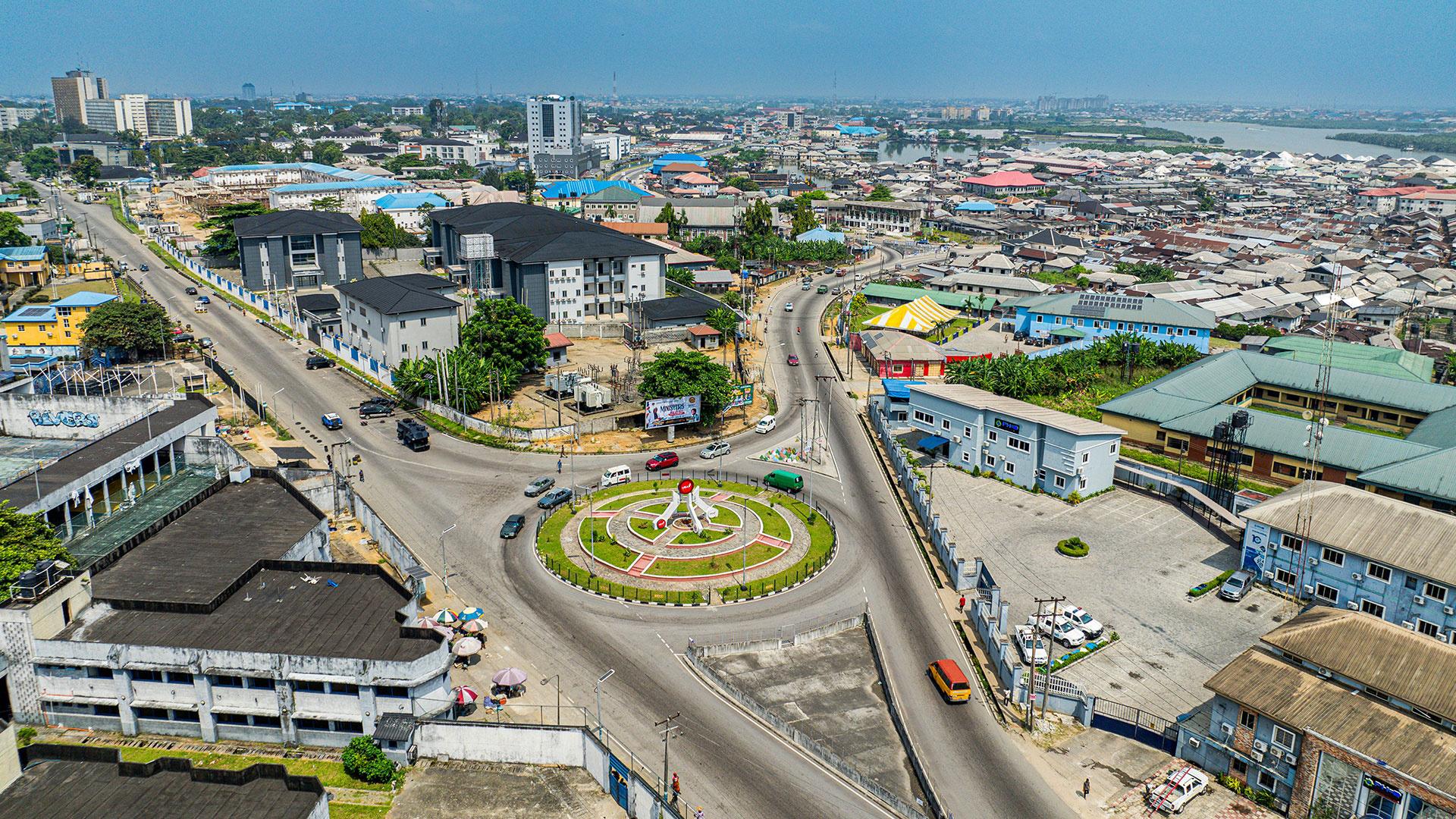
Is Port Harcourt Becoming a Difficult Market for Broadband Businesses? Inside Spectranet’s Exit and What It Means for Your Connection
Port Harcourt is facing an important question about the future of its digital economy: if one of Nigeria’s biggest independent internet service providers can no longer justify operating in the city, how difficult has the broadband business actually become?
After fifteen years in Nigeria, Spectranet Limited announced it would shut down its operations in Ibadan and Port Harcourt, citing the high cost of operating there.
The company gave subscribers six months’ notice. Services stay available and supported during that period, and all services in both cities stop when it ends. Counting six months from late November points to roughly late May 2027.
The question became more urgent following Spectranet Limited’s announcement that it would discontinue broadband services in Port Harcourt and Ibadan within six months. The decision marks a significant retreat for a company that has spent more than a decade building its presence in Nigeria’s internet market. It also raises concerns about the economics of providing reliable, high-speed internet outside the country’s largest commercial centres.
Amebopreneur examines Spectranet’s departure, the economics of fixed broadband, infrastructure investment, regulatory challenges, emerging competition and the implications for businesses operating in Rivers State.
Spectranet’s Port Harcourt Exit: What Happened?
The development was announced on November 24, 2026, when Spectranet disclosed that it would discontinue its broadband services in Port Harcourt and Ibadan following a review of its operations.
The company attributed the decision to increasing operational costs and mounting challenges associated with maintaining service quality in both markets. Rather than continue operating under conditions it considered increasingly difficult, and the company decided to concentrate its resources on Lagos and Abuja.
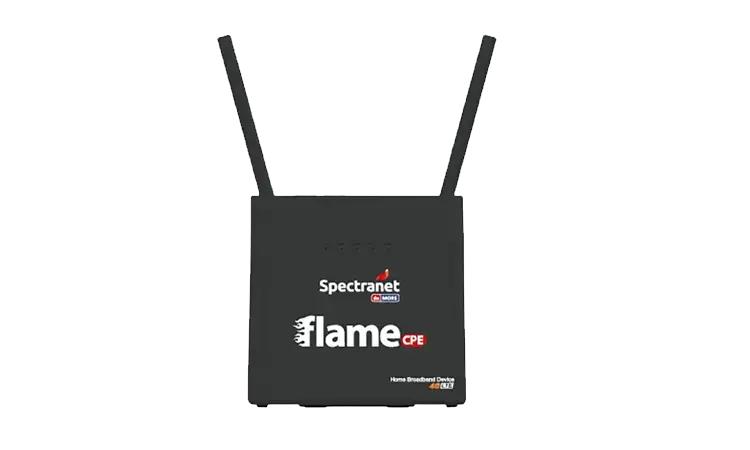
The announcement was made by Sumit Gambhir, Spectranet‘s Chief Operating Officer, who explained that the decision followed a careful assessment of the company’s operations.

“Following a careful review of our operations and the increasing operational challenges associated with delivering our services in these two cities, we have taken the difficult decision to discontinue Spectranet services in Ibadan and Port Harcourt.”
“Our decision to discontinue services in Ibadan and Port Harcourt was not taken lightly.”
Sumit Gambhir,
He further acknowledged the inconvenience the decision could create for subscribers, explaining that the company wanted to manage the withdrawal responsibly.
According to the company’s announcement, affected subscribers would receive six months’ advance notice, beginning from the date of their first official notification. Existing services and customer support would remain available throughout the notice period, after which operations in the two cities would cease.

This means the withdrawal is planned for approximately May 2027, although the precise termination date depends on when individual subscribers receive their first official notification. Spectranet has not published one universal shutdown date for every customer.
The company has also promised a device buy-back programme for eligible equipment and arrangements for eligible unused data balances. However, as of November 28, 2026, the detailed eligibility requirements, buy-back prices and refund procedures have not been publicly established.
Subscribers who retain compatible devices may also be able to use them in Lagos or Abuja, subject to Spectranet’s applicable requirements.
Importantly, the withdrawal does not represent Spectranet’s complete departure from Nigeria. The company intends to continue operating in Lagos and Abuja, where it says it wants to strengthen network performance and customer experience.
Spectranet Is Not a Small Internet Provider: Understanding the Scale of the Decision
One reason the announcement deserves attention is Spectranet’s position in Nigeria’s independent broadband market, the company’s withdrawal is not an unknown operator abandoning an experimental market. Spectranet has operated in Nigeria for approximately 15 years and established itself as one of the country’s largest internet service providers by subscriber numbers.
According to the Nigerian Communications Commission’s second-quarter 2026 Internet Service Operator Statistics, Spectranet recorded 111,384 active subscribers nationally, making it the largest individual ISP in the regulator’s reported dataset.
This represented approximately 26.5 per cent of the 420,989 active subscribers recorded across the listed internet service operators.
Nigeria’s ISP market, Q2 2026
Active subscribers reported to the Nigerian Communications Commission
Spectranet – 111,384, 26.5% of total market subscribers
Starlink – 98,642, 23.4% of total market subscribers
FiberOne – 56,486, 13.4% of total market subscribers
ipNX – 15,084, 3.6% of total market subscribers
Swift Networks – 12,567, 3.0% of total market subscribers
Total reported ISP subscribers – 420,989
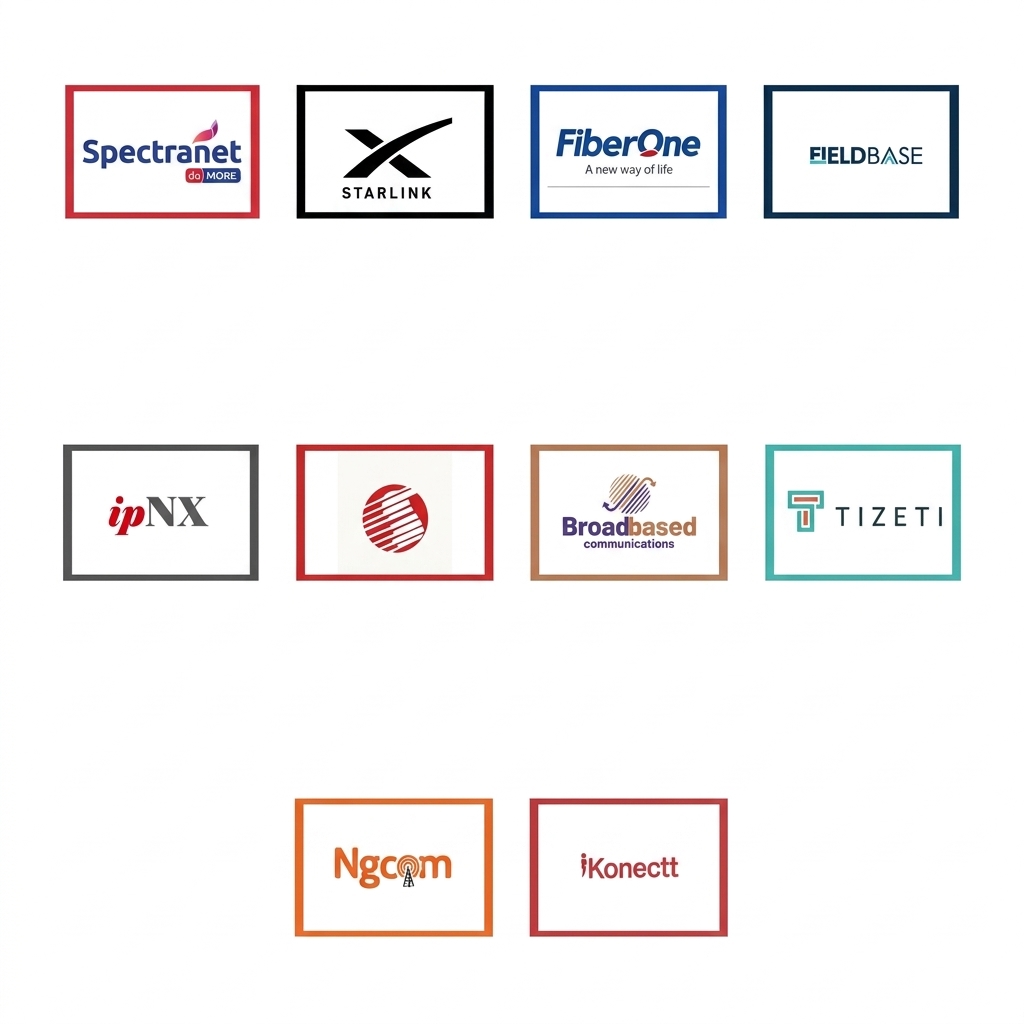
The same NCC report recorded Starlink at 98,642 subscribers and FiberOne at 56,486. Other notable operators included ipNX with 15,084 subscribers and Swift Networks with 12,567.
There is another important distinction in the NCC data. Spectranet’s subscriber base consisted of 110,040 wireless broadband connections and 1,344 wired fixed-broadband connections. This indicates that its reported national subscriber base was overwhelmingly wireless rather than traditional fibre-to-the-home connectivity.
The company’s national subscriber numbers cannot tell us exactly how many customers will be affected in Port Harcourt. Spectranet has not published a city-by-city breakdown of the subscribers covered by its withdrawal announcement.
Nevertheless, the departure of an established operator raises legitimate questions about the ability of independent ISPs to maintain commercially sustainable operations across multiple Nigerian cities.
The Real Problem – It all seems as if Fixed Broadband Is Becoming Expensive to Operate In Nigeria?
To understand why Spectranet is withdrawing from Port Harcourt, it is necessary to understand the economics of fixed broadband. Internet service provision is often misunderstood as a business of purchasing internet bandwidth from a wholesale provider and reselling it to households and offices.
In reality, building and maintaining a reliable broadband network requires substantial investment in physical infrastructure, equipment, power, maintenance, technical personnel, customer support and network capacity.
An internet provider can have hundreds or thousands of subscribers and still struggle financially if the cost of serving those customers is higher than the revenue generated from their subscriptions. This is particularly challenging for companies that must maintain infrastructure across several cities with different customer densities and revenue potential.
Electricity and backup power are recurring expenses
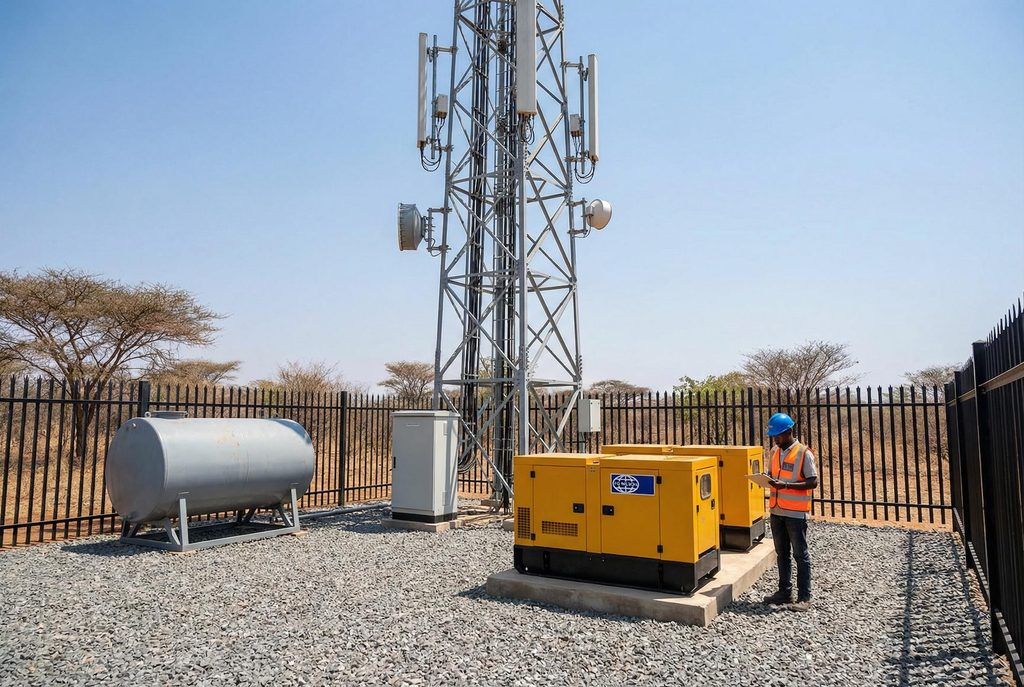
Power supply is another important consideration for Nigerian broadband operators.
Telecommunications infrastructure depends on continuous electricity to maintain network operations. Even where fibre cables themselves do not require electrical power along their entire length, the supporting network equipment, transmission facilities, routers, switches and customer-premises equipment require reliable electricity.
Depending on the network architecture, operators must maintain batteries, inverters, generators and other backup systems.ELectricity is not simply an administrative expense. It is part of the infrastructure required to deliver uninterrupted connectivity.
In a market where businesses and households already spend significant amounts on alternative power, broadband providers must also manage their own energy costs; these expenses can become particularly difficult to control when subscriber revenue is insufficient to support the infrastructure for an independent ISP operating in several cities.
Maintenance, technical personnel and customer acquisition
A broadband network requires continuous monitoring and maintenance. Cable damage, equipment failures, power interruptions, signal interference and other technical problems can affect service availability. Operators also employ technicians to install equipment, investigate complaints, repair faults and maintain network performance.
Customer acquisition presents another challenge. Broadband providers spend money on marketing, sales representatives, promotions, installation incentives and customer support to attract and retain subscribers.
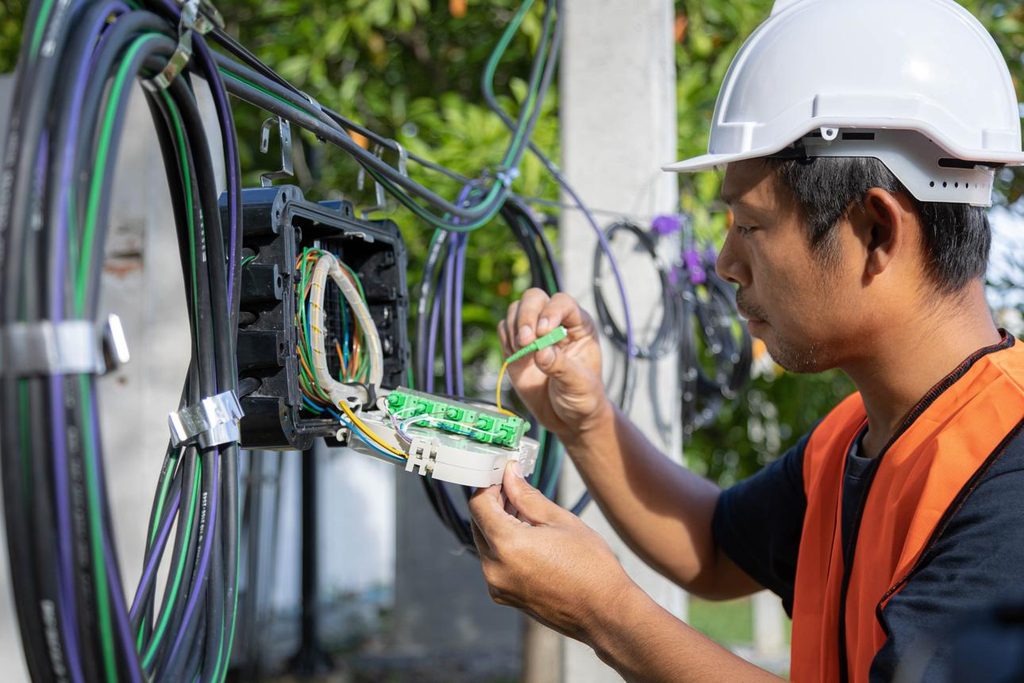
These expenses continue even when a customer temporarily stops subscribing or moves to another provider. The economics become especially difficult when customers expect unlimited internet access at affordable monthly prices, while operators face increasing costs for bandwidth, equipment, energy and infrastructure maintenance.
For Spectranet, the company has publicly identified rising operational costs as a major reason for its withdrawal. However, it has not released a detailed financial breakdown showing how much electricity, infrastructure maintenance, bandwidth or customer acquisition contributed to the decision.
One of the biggest challenges facing fixed broadband expansion in Nigeria is the cost and complexity of deploying fibre infrastructure. Fibre-optic technology is widely regarded as an important foundation for high-capacity broadband because it can deliver high speeds, low latency and substantial network capacity.
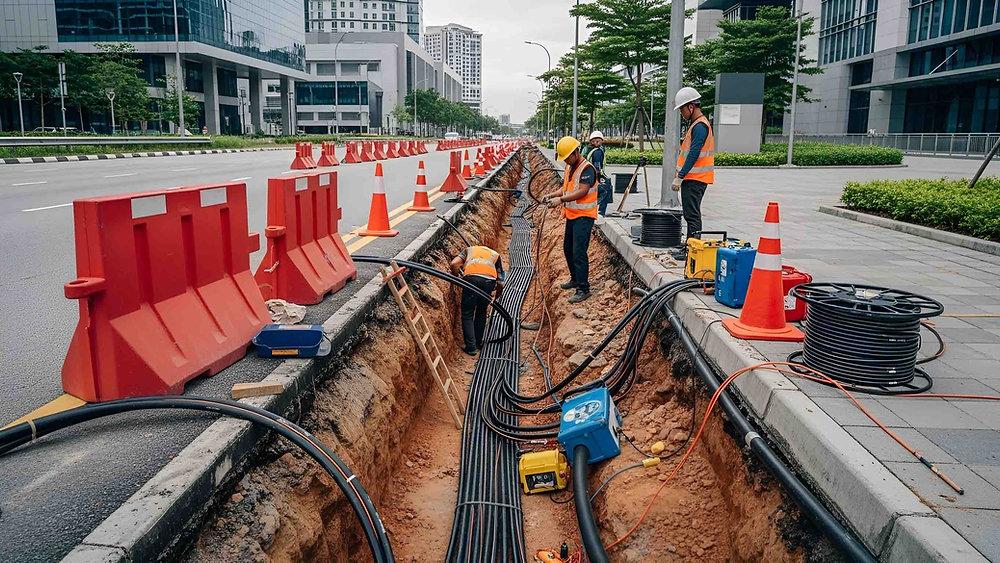
However, building a fibre network is capital-intensive, particularly when operators must extend coverage beyond neighbourhoods that already have established telecommunications infrastructure.
Nigeria has attempted to address part of this challenge through its Right of Way (RoW) policy.
The Federal Government’s benchmark policy sets a charge of ₦145 per linear metre for fibre-optic cable deployment. The policy was intended to reduce the cost of obtaining permission to install telecommunications infrastructure and encourage states to support broadband expansion.
However, the implementation has remained uneven. A report published by BusinessDay titled N145 RoW policy fails to cut fibre costs as states add up to N700,000 application fees, highlighted how additional state-level application charges could undermine the intended reduction in fibre deployment costs.
The report identified application fees reaching ₦700,000 in some jurisdictions, despite the national benchmark.
For operators considering expansion into Port Harcourt, the practical cost of deploying infrastructure involves more than the published right-of-way rate. Permissions, civil works, route planning, access to buildings, equipment installation and ongoing maintenance all contribute to the total investment.
Where approvals are complicated or deployment costs are unpredictable, broadband expansion becomes more difficult to plan financially.
The result is a frustrating contradiction. Nigeria needs more fibre infrastructure to improve internet access, but the companies expected to build that infrastructure must first overcome substantial financial and regulatory obstacles.
Is Port Harcourt Actually a Weak Broadband Market? The Demand Is There, but the Economics Are Different
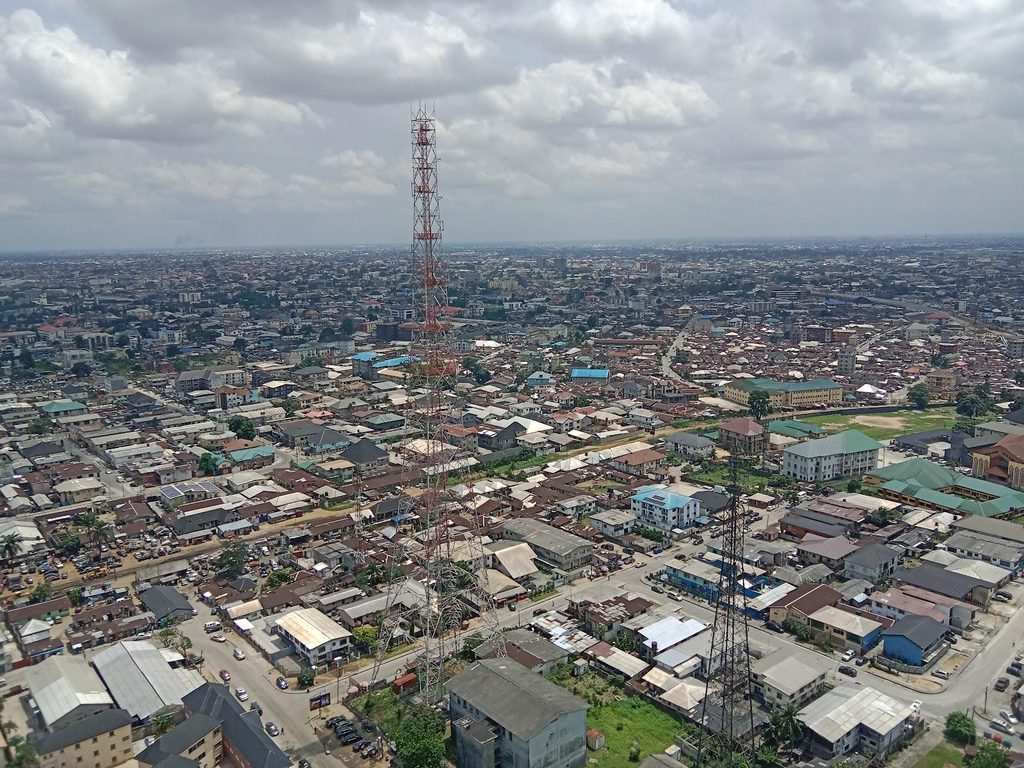
Port Harcourt is one of Nigeria’s most important commercial centres. Its economy is closely connected to the oil and gas industry, maritime services, engineering, construction, logistics, manufacturing, education and professional services.
These sectors depend increasingly on digital infrastructure.
Oil and gas contractors exchange technical documents, coordinate offshore operations, manage enterprise systems and communicate with international partners. Engineering companies rely on cloud-based design applications, digital collaboration and remote technical support. Logistics businesses use online platforms to coordinate deliveries, manage documentation and communicate with customers.
The city also has SMEs, freelancers, technology entrepreneurs, digital agencies, educational institutions and remote workers that depend on affordable, reliable internet, this creates a substantial commercial argument for broadband investment.
However, having businesses that need internet access does not automatically create a profitable market for a fixed broadband provider. The critical issue is whether those businesses and households are concentrated in locations where operators can serve them efficiently, and whether they are willing and able to pay subscription prices that cover the cost of providing the service.
For example, a fibre operator may find it economically attractive to connect an office complex, business district or residential estate where several customers can be served from a relatively compact network.
The same investment may become less attractive in an area where customers are widely dispersed, installation is complicated and the number of paying subscribers is low.
This is why broadband profitability is closely connected to customer density, average revenue per user, infrastructure utilisation and the time required to recover initial investment. Port Harcourt may have a broadband demand problem in some neighbourhoods, but the more fundamental issue could be the cost of converting that demand into sustainable revenue.
Competition Is Changing
Spectranet’s withdrawal creates an opportunity for competing internet service providers to attract customers in Port Harcourt. However, the market is not empty, and the next phase of competition will involve more than simply offering cheaper data subscriptions.
The Nigerian broadband industry is increasingly being shaped by three major technologies: fibre-to-the-home, fixed wireless access and satellite internet. Each has different infrastructure requirements, operating costs and customer experiences.
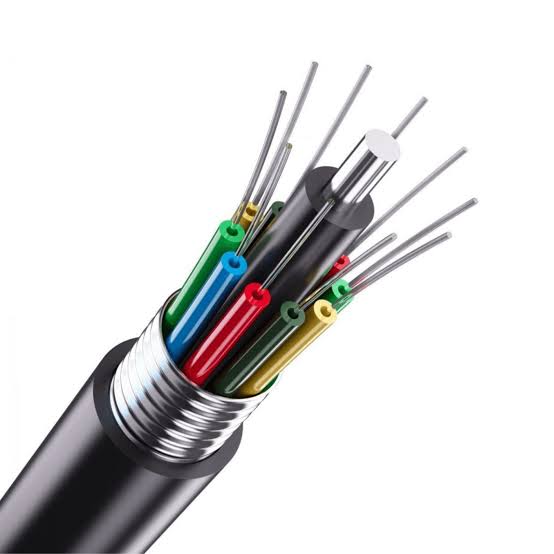
Fibre broadband providers
One established competitor is ipNX. The company operates in Port Harcourt and offers fibre-based connectivity for residential and business customers where its infrastructure is available.
Its business model is particularly relevant because fibre can serve customers requiring high-capacity connectivity, predictable performance and support for multiple devices.
The NCC recorded 15,084 active ipNX subscribers nationally in Q2 2026, including 14,698 wired connections. This demonstrates its substantial exposure to fixed broadband compared with operators whose subscriber bases are predominantly wireless.
Another provider is NGCOM Lastmile Solutions, which markets its FiberMax broadband service and fixed wireless AirFiber connectivity. Its Port Harcourt presence provides another option for customers seeking residential and business internet.
Megafast Networks is another operator with a presence in Port Harcourt, including the Trans-Amadi industrial area. Its services include fibre-based connectivity and wireless broadband.
These providers are particularly relevant because they demonstrate that Port Harcourt still has companies operating in the fixed broadband space.
However, a provider having an office or advertising its services in Port Harcourt does not mean its network covers every neighbourhood. Customers must confirm availability at their exact addresses.
Fixed wireless access: MTN and Airtel enter the opportunity
Another important competitor is MTN Nigeria.
MTN has been expanding its home broadband offerings through fixed wireless products such as FlyX, alongside its fibre-based FibreX service.
Fixed wireless access uses cellular network infrastructure to deliver broadband connectivity to a fixed location. Rather than requiring a fibre cable to be installed directly at every customer’s premises, an outdoor or indoor router connects to the operator’s wireless network.
This can reduce the time and physical infrastructure required to connect customers, particularly in areas where mobile network coverage is already established.
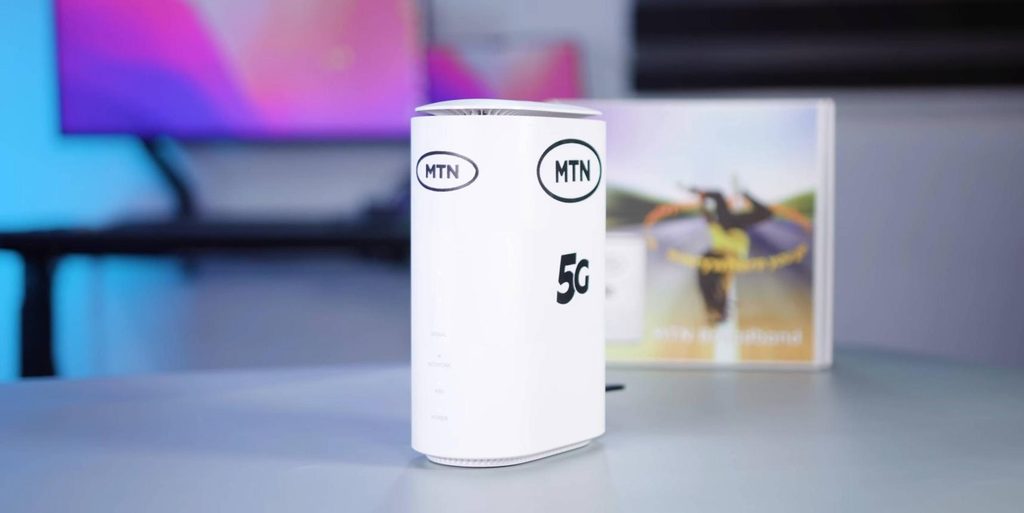
Airtel Nigeria is another competitor through its 5G Outdoor Unit (ODU), which is designed to provide home and business connectivity through a fixed wireless arrangement.
These services could provide alternatives, particularly where suitable 5G coverage exists, for Spectranet subscribers but fixed wireless is not automatically better than fibre. Performance depends on signal strength, network capacity, distance from base stations, building obstructions and the number of users sharing available network resources.
Satellite internet: Starlink changes the competitive equation
Starlink represents a different competitive threat to conventional internet service providers.
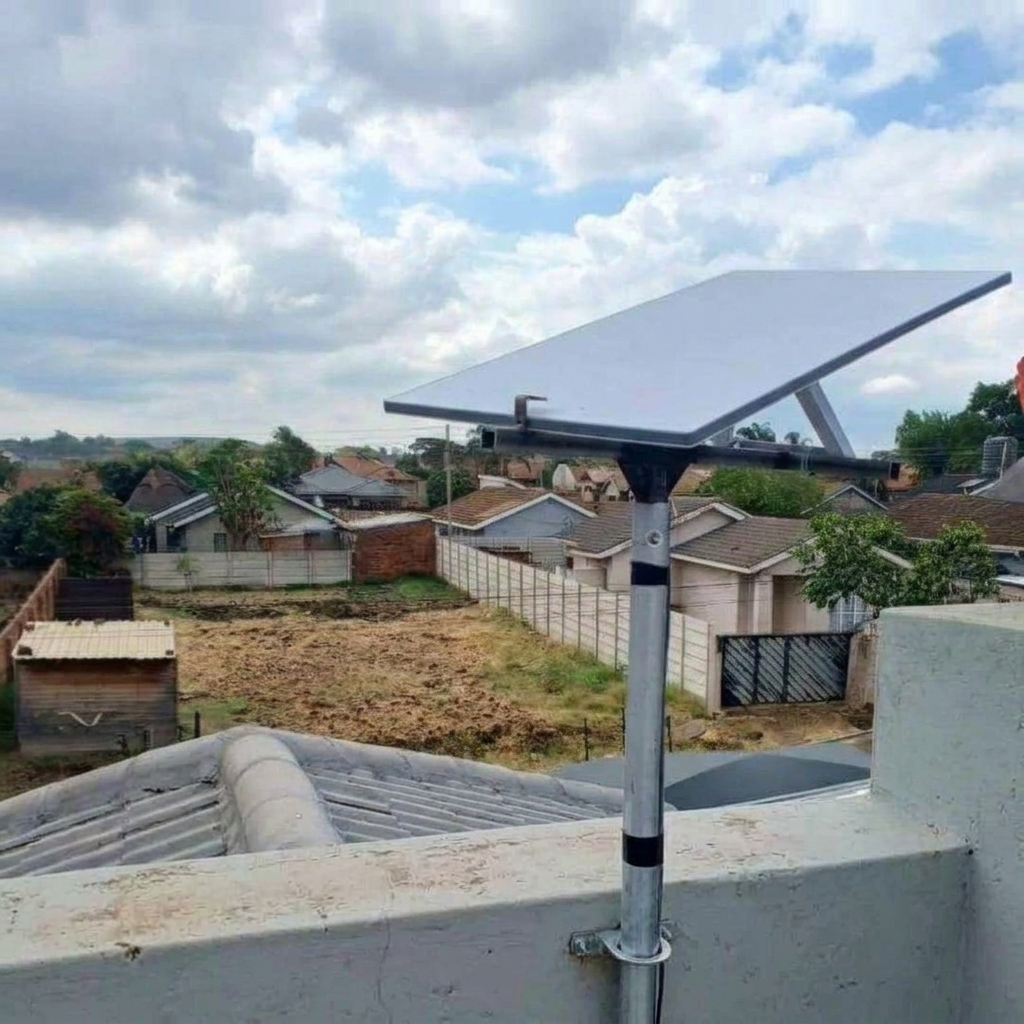
Rather than relying on the same last-mile fibre or terrestrial cellular infrastructure, Starlink delivers broadband through a satellite network and a customer-installed terminal. This makes it particularly attractive to customers in locations where terrestrial fibre infrastructure is unavailable, unreliable or difficult to deploy.
The NCC recorded 98,642 Starlink subscribers in Q2 2026, placing it behind Spectranet in the reported national ISP subscriber market.
Its growth demonstrates that Nigerian customers are increasingly considering alternative ways to obtain broadband connectivity.
However, satellite internet has its own limitations, including equipment acquisition costs, subscription expenses, environmental and installation considerations, and the need for a suitable view of the sky. It may be a practical alternative for some businesses, but it is not necessarily the most economical choice for every household or office.
What Spectranet’s Exit Mean for Port Harcourt Businesses
The implications of Spectranet’s withdrawal will depend on how many businesses currently rely on its services and how easily they can migrate to alternative providers. For businesses in Port Harcourt, internet connectivity is increasingly part of the infrastructure required to operate efficiently.
One immediate concern is business continuity. A company using Spectranet for cloud accounting, email, digital payments, online customer management, remote access and communication with suppliers cannot afford to lose connectivity without a replacement.
An unexpected disruption could affect transactions, delay operations, interrupt customer service and reduce employee productivity.
For SMEs, the problem can be particularly serious because many do not have dedicated IT departments or multiple internet connections.
A second concern is the potential cost of switching providers. Businesses may need to purchase new routers, pay installation fees, replace incompatible equipment or commit to different subscription packages.
Even when the monthly subscription is affordable, the combined cost of installation and equipment can create an additional financial burden.
A third concern is network reliability. If several businesses migrate to the same provider, that provider must have sufficient network capacity to accommodate the additional demand.
Otherwise, customers could simply exchange one connectivity problem for another.

There is also a wider implication for Port Harcourt’s digital business ecosystem. Startups, technology companies, freelancers, software developers, digital marketing agencies and remote professionals require dependable internet to compete beyond their immediate locations.
An unreliable broadband environment can make it harder for these businesses to attract international clients, participate in remote projects and maintain consistent digital operations.
For companies in the oil and gas, maritime, logistics and engineering sectors, connectivity is equally important.
These businesses frequently exchange large files, coordinate operations, access cloud-based applications and maintain communication with partners across different locations.
Consequently, the availability of competitive broadband services has implications beyond the telecommunications industry. It affects the attractiveness of Port Harcourt as a location for digitally enabled businesses.
Conclusion
Spectranet’s planned withdrawal from Port Harcourt is a warning about the financial challenges of operating an independent broadband business in Nigeria. The company’s decision, announced on November 24, 2026, reflects increasing operational pressures and the difficulty of maintaining its preferred service standards across multiple markets.
However, it would be premature to conclude that Port Harcourt is becoming commercially unattractive to every broadband provider.
The city has a substantial business community, an established technology ecosystem and industries that depend on reliable connectivity. Its demand for broadband remains relevant to its economic development.
What is changing is the competitive environment and the cost of satisfying that demand.
For subscribers, the coming months will be important. Spectranet customers will need to evaluate alternative providers before the withdrawal takes effect, while competing operators will have an opportunity to demonstrate whether they can deliver the reliability and affordability that customers expect.

The bigger lesson is that Nigeria does not simply need more internet service providers. It needs more financially sustainable internet service providers capable of delivering reliable connectivity at competitive prices.
Follow Amebopreneur for the latest on Nigeria’s tech ecosystem, startup funding opportunities, and the cross-border partnerships shaping Africa’s innovation future.
Related Posts

Can AI Finally Solve Nigeria’s SME Record-Keeping Problem?
Can AI fix record-keeping for Nigerian SMEs? Explore Omata AI, WhatsApp bookkeeping, inventory, payment reconciliation and real software costs.

Nigeria’s Data Localisation Deadline Puts Banks and Fintech Companies Under Pressure
Nigeria’s January 2027 data localisation deadline is closing in. Banks and fintechs face a costly migration challenge as the CBN tightens control over financial data.
France and Nigeria Strengthen Economic Ties with Landmark Energy and Agribusiness Agreements
France and Nigeria deepen economic ties as French Week 2026 delivers three landmark agribusiness agreements and a strategic energy roadmap to boost investment and industrial growth.

Nigeria Leads West Africa in M&A Deal Count in 2026, but Deal Values Slump
Nigeria leads West Africa in 2026 M&A deals, but an 88.9% value slump reveals a cautious market reshaped by fintech, energy and major corporate acquisitions.
NSIA Deepens Role as Catalytic Investor Across Health, Energy and Innovation
NSIA is driving Nigeria’s long-term growth with bold investments in healthcare, renewable energy, infrastructure and homegrown innovation.