


Ghana’s Wobil Technologies Is Putting Solar to Work in Rice Farming, And Fighting Africa’s Post-Harvest Crisis
Ghana’s agricultural technology ecosystem is producing an increasingly powerful breed of startups that are strongly tackling some of the continent’s most stubborn physical problems.
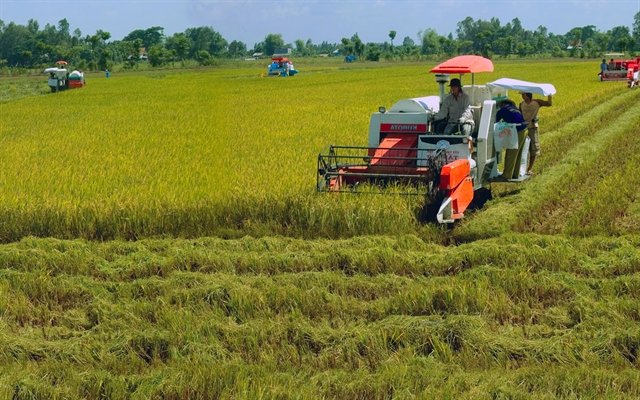
One of the most compelling examples is Wobil Technologies, a Ghanaian student-founded climate-smart agritech startup developing locally manufactured, hybrid solar-powered agricultural machinery designed to make rice farming more efficient, affordable and sustainable.
The company’s journey began with a simple wooden, petrol-powered rice-threshing machine built by university students. Today, Wobil has evolved into a climate-tech and agricultural mechanisation company with a patent-pending Multi-Stage Hybrid Solar-Powered Rice Thresher, alongside a solar-powered grain cleaner and winnower.
More importantly, Wobil is attempting to solve a problem that directly affects food security, farmer income, agricultural productivity and climate resilience in Africa: the enormous amount of rice lost after it has already been harvested.
The Story Behind Wobil Technologies
Wobil Technologies was founded in 2019 by Erica Appiah and John Wobil, both undergraduate students at Kwame Nkrumah University of Science and Technology (KNUST). What began as a community-focused effort was never intended to become a traditional startup.
The creators intended to address an issue that they had seen among farmers in their areas. Their first breakthrough occurred when they constructed a wooden rice-threshing machine driven by a petrol engine and transported it to a farm in Adansi Asarekrom to demonstrate its capabilities.
According to Erica Appiah, surrounding farmers urged the students to bring the equipment to their farms and harvest their rice, with some even offering to pay right away.
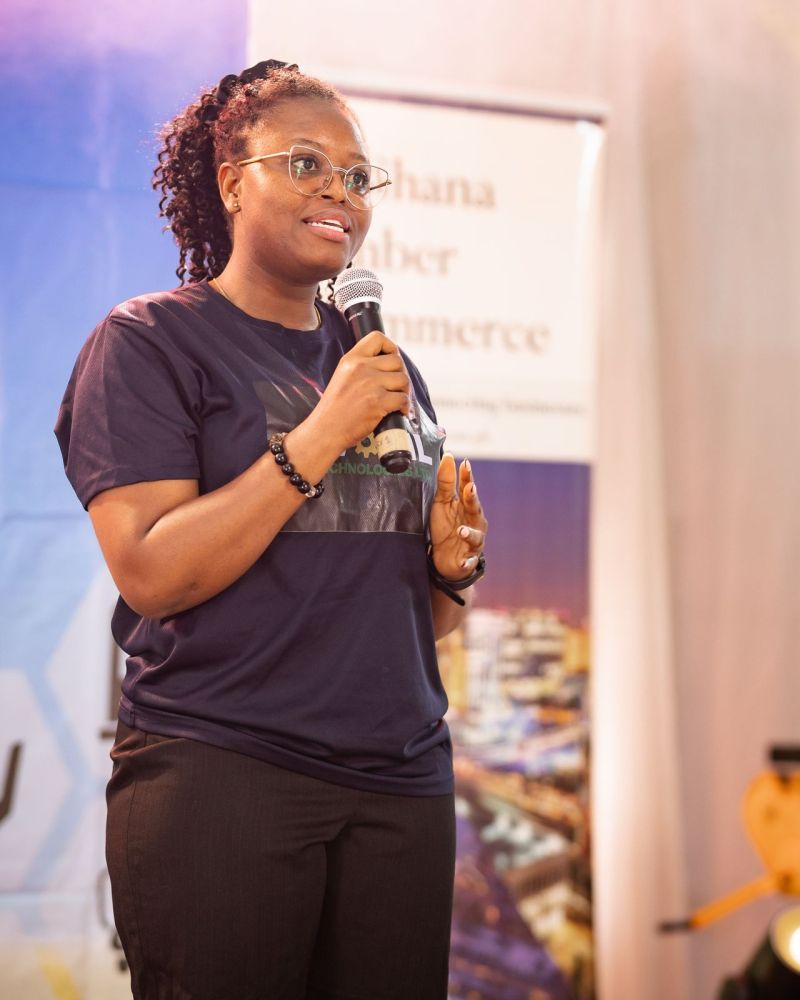
“When we switched it on, farmers working nearby immediately asked us to bring it to their own fields to thresh their rice, and they were willing to pay for it on the spot.”
Erica Appiah
That unexpected reaction convinced the young innovators that they had discovered a legitimate market potential. Wobil Technologies was then officially registered in September 2021, transforming the undergraduate initiative into a legitimate agricultural technology company.
From a student project to a climate-conscious Agritech startup
Wobil Technologies’ success is especially noteworthy because it did not start with solar power. Its original strategy relied on typical fuel-powered machines. However, as the founders looked into the challenges that smallholder farmers face, the limitations of diesel and petrol-powered agricultural equipment became clear.
Wobil began to focus on renewable energy-powered agricultural machines, eventually developing hybrid solar-powered systems. Its current main product is the Multi-Stage Hybrid Solar-Powered Rice Thresher, which is accompanied by a solar-powered grain cleaner and winnower. The technology was designed specifically for African agriculture, taking into account mobility, cost, energy availability, and the working conditions that smallholder farmers face.
This shift effectively turned Wobil from an agricultural machinery manufacturer to a rapidly expanding hub for climate technology, renewable energy, and African agritech.
The Hidden Crisis: Ghana’s Rice Post-Harvest Losses
Wobil is addressing a problem that arises after farmers have worked hard. Rice may have been properly planted, grown, and harvested, but significant amounts can still be lost during threshing and processing.
Wobil conducted a study in 2021 and revealed that farmers could lose up to 46% of their harvested rice owing to manual and delayed threshing, with poor grain quality worsening the problem. Its website reports an average post-harvest loss of 46.09%, with a maximum loss of more than 100% in the research setting. That is a troubling figure.
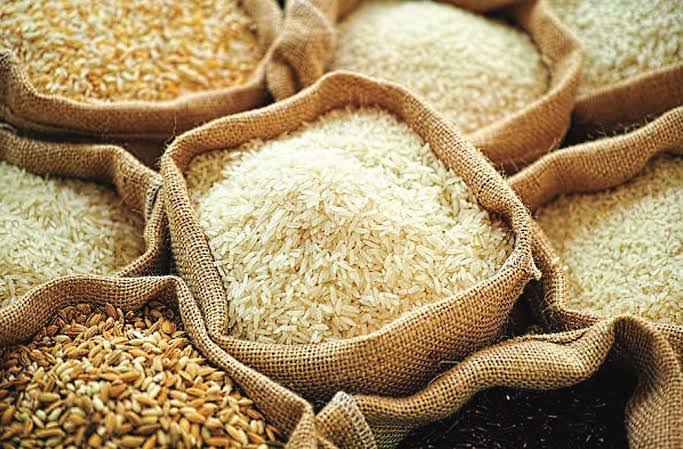
For a smallholder farmer with limited funds, losing nearly half of a harvest is more than simply an agricultural inconvenience. It can lead to reduced income, lower household purchasing power, and impaired food security.
Farmers’ lack of access to adequate machinery exacerbates the problem. Traditional threshing is labour-intensive, physically demanding, and time-consuming, and hiring more workers may be prohibitively expensive.
Wobil’s creators hoped to develop machinery that might provide faster and more efficient processing directly to rural areas.
Why Does Solar Power Matter?
The solar component is one of the most significant advances in Wobil’s story. Agricultural machinery in many African markets is still strongly reliant on fossil fuels and biomass. Ghanaian researchers working on the Innovate for renewable Agricultural Technologies (INFoCAT) initiative identified poor mechanisation, agricultural drudgery, and restricted access to renewable energy as interconnected concerns.
The study aimed to show how clean-energy-powered agricultural devices could boost productivity while lowering the physical burden on smallholder farmers.
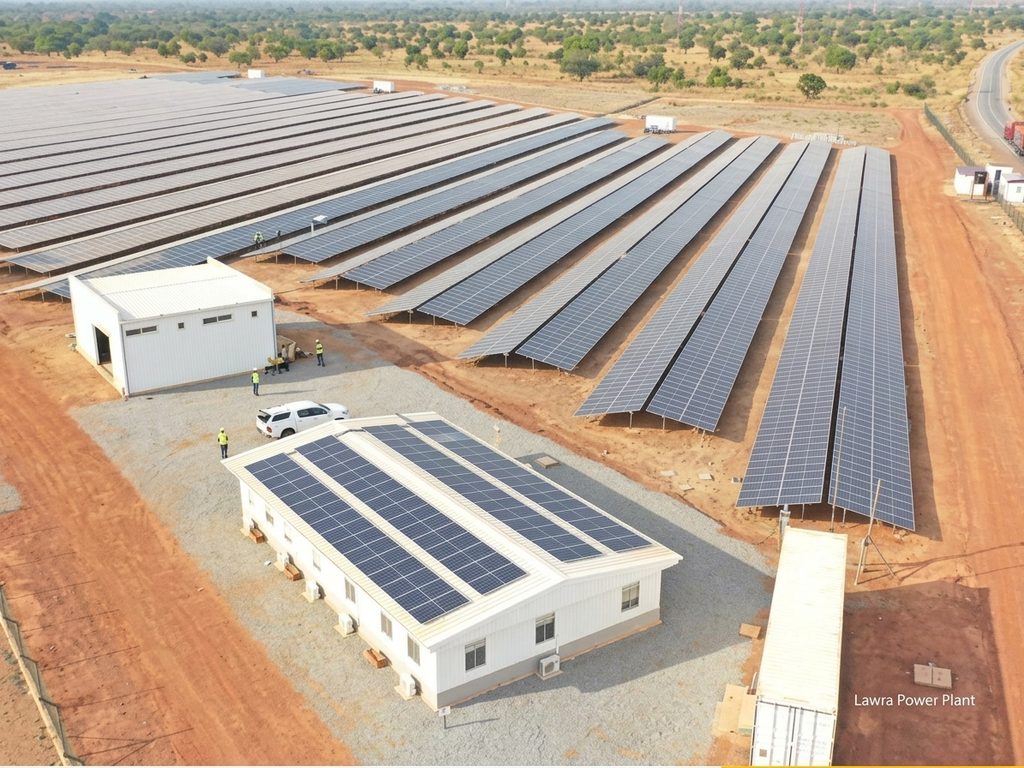
Solar power offers Wobil the opportunity to minimise reliance on fuel-powered machinery while also making agricultural processing more environmentally sustainable.
According to Erica Appiah, Wobil’s latest technology can save more than 70% on energy expenses when compared to traditional diesel-powered threshers, as well as reduce post-harvest losses and improve grain quality.
Farmers aren’t just receiving a greener machine. They may receive a machine that will minimise operating expenses while allowing them to preserve more of the food they have previously produced.
Wobil’s approach is also noteworthy in that it does not simply import an agricultural machine developed elsewhere and try to force it into Ghanaian conditions. The company designs, builds, tests, and operates agricultural machinery, and its products are informed by direct experience in farming communities.
Mobility, weight, efficiency, maintenance, and longevity are among the factors considered by the company when designing its machinery.
The company’s clean-energy innovation extends beyond threshing. Wobil has invented a solar-powered multi-grain winnower capable of cleaning rice, maize, beans and other grains. The system uses controlled airflow powered by solar energy to separate grains from undesired elements such as chaff, dust, stones and other foreign substances.
The outcome is cleaner grain that is more acceptable for selling and further processing. The idea was developed under the INFoCAT initiative, which focuses on enhancing agricultural production and income using inexpensive clean-energy technology for smallholder farmers.
Independent validation has also strengthened the case for Wobil’s technology. The company’s grain cleaner and winnower received validation from CSIR-Crops Research Institute (CSIR-CRI) under Ghana’s Ministry of Food and Agriculture, with a reported cleaning efficiency of 98%.
The INFoCAT Breakthrough And Presidential Moment for Wobil
One of the biggest milestones in Wobil Technologies’ recent journey came through the Innovate for Clean Agricultural Technologies, or INFoCAT, project.
INFoCAT is implemented by the United Nations University Institute for Natural Resources in Africa (UNU-INRA), with the initiative supported by the International Development Research Centre (IDRC) and implemented across Ghana, Senegal and Côte d’Ivoire.
The programme was designed to help young innovators develop clean-energy agricultural technologies that could work in real farming communities. According to Erica Appiah, Wobil received an initial US$7,400 seed fund during the project to adapt its agricultural solution into something more efficient, productive and solar-powered.
The team faced the difficult challenge of balancing three competing objectives: quality, sustainability and affordability.
“We did not want to compromise on being fully green, but we also wanted farmers to be able to afford the technology.”
That challenge captures one of the biggest issues facing climate-tech startups across Africa. A technology can be environmentally impressive, but if farmers cannot afford it, it will struggle to achieve meaningful impact. The effort eventually produced a major breakthrough.
Following testing and evaluation, Wobil Technologies emerged as one of the winners of the INFoCAT competition in Ghana. UNU-INRA reported that the winning support was approximately US$25,000. The broader INFoCAT programme awarded US$37,000 in support in each participating country, with Wobil Technologies emerging as the first-place Ghanaian winner.
The project’s 2026 profile identifies Wobil’s winning innovation as its Solar-Powered Multi-Grain Winnower, designed to improve grain cleaning while eliminating the need for conventional fuel during operation.
Wobil’s growing profile received another significant boost in March 2026. Between March 17 and March 19, 2026, Wobil Technologies participated in Ghana’s maiden Agritech Fair. During the event, Ghanaian President John Dramani Mahama visited the Wobil Technologies stand on March 17, where the team demonstrated its rice threshers and explained their importance to smallholder farmers.
For a company that began with university students experimenting with a wooden machine, the moment represented a remarkable progression from a small community project to an innovation being showcased before the country’s president.
The People Behind the Innovation
Wobil Technologies’ story is also a story about young African engineers and entrepreneurs.

The team includes John Wobil, who serves as CEO, alongside Erica Adjoa Appiah, who has played a major role in farmer engagement and currently serves as CFO/CMO, as well as Gabriel Wobil, Abena Charity Azogmi and Solomon Akutinga.
Erica’s journey is particularly notable. She studied Agribusiness Management at KNUST and later pursued a Master’s degree in Agricultural Supply Chain Management.
Her connection to farming began much earlier. As a child, she frequently visited her grandmother and great-grandmother, who were subsistence farmers, and witnessed the physically demanding nature of agricultural work.
Those experiences eventually influenced her decision to work directly with farmers and translate their needs into product improvements.
Appiah has described being the only woman on the founding team as being challenging during Wobil’s early years, while simultaneously managing academic responsibilities, internal disagreements, financial uncertainty and the pressure to pursue a more conventional career.
“Entrepreneurship has stretched me beyond what I imagined.”
She has also spoken about the doubts and financial pressures that accompanied the startup’s early development. Yet seeing farmers successfully operate Wobil’s machines became a powerful source of motivation.
“Watching someone use our machine for the first time, seeing the relief on their face, is what reminds me why we started.”
She has also highlighted how farmers’ initial surprise at seeing a woman involved in building agricultural machinery often turns into encouragement.
As of September 2026, Disrupt Africa reports that Wobil has served 900 smallholder farmers, processed approximately 1,000 metric tonnes of rice, and generated an additional GHS4.7 million, equivalent to roughly US$420,000, in farmer revenue.
The company has also created 58 direct jobs, while women account for 36% of its paying customers. Wobil has set an ambitious target of increasing women’s participation among its paying customers to 50% by 2028.
Earlier milestones were already impressive. WIPO reported in 2022 that Wobil’s Multi-Stage Rice Thresher had served more than 220 smallholder farmers, with threshing capacity of approximately 750 to 1,300 kilograms per hour. At that point, the technology had helped reduce reported post-harvest losses from 46.09% in 2021 to 11.26% in 2022 among the reported context.
The company’s own website currently also reports more than 500 tonnes of rice threshed, 232 farmers serviced and significant farmer revenue generated, although these figures appear to reflect an earlier reporting snapshot than the newer September 2026 figures.
The company currently operates in Ghana’s Ashanti and Volta regions, but its expansion ambitions include moving into Bono, Northern and Western Ghana before eventually expanding into other West African markets.
According to Erica Appiah, Côte d’Ivoire and Nigeria are among the countries the company wants to enter as it expands across West Africa. That could transform Wobil from a Ghanaian agritech startup into a broader West African climate-tech agricultural machinery company.
The opportunity is enormous because many of the problems Wobil is addressing are not unique to Ghana.
Across Africa, smallholder farmers continue to face challenges involving mechanisation, energy access, labour costs, post-harvest losses and inadequate agricultural infrastructure.
Conclusion
Wobil Technologies began with university students, a wooden machine and a simple desire to help farmers. Seven years later, that experiment has evolved into an ambitious Ghanaian climate-smart agritech company developing hybrid solar-powered agricultural machinery.
Its journey demonstrates the enormous potential that exists when renewable energy, agricultural technology, local engineering and youth entrepreneurship are combined around a real community problem.
The company’s Multi-Stage Hybrid Solar-Powered Rice Thresher and solar-powered grain-cleaning technologies are attempting to reduce devastating post-harvest losses, lower energy costs, improve grain quality and make agricultural mechanisation more accessible to smallholder farmers.
Perhaps the most powerful lesson from Wobil Technologies is that Africa’s next technology revolution may not happen only inside fintech apps or urban offices.
It may happen in rice fields. It may happen through machines powered by the sun. And it may be built by young African engineers who understand the problem because they grew up close enough to it to see what needs to change.
Wobil Technologies is showing that African climate-tech can be practical, locally engineered and commercially ambitious while simultaneously creating real value for farmers, communities and food systems.climate tech
And if the company succeeds in taking its solar-powered agricultural machinery from Ghana into the wider West African market, this small student-founded venture could become a powerful symbol of a much bigger transformation: Africa building the technology it needs to feed itself, reduce agricultural waste and create a cleaner, more resilient future.
Follow Amebopreneur for the latest on Nigeria’s tech ecosystem, startup funding opportunities, and the cross-border partnerships shaping Africa’s innovation future.
Related Posts

Political Dynamics, Global Realignment: What Tola Adeyemi Told CEOs at FNCCI-KPMG Luncheon Series 6
As Nigeria heads toward the 2027 election, KPMG’s Tola Adeyemi urges businesses to prepare for multiple outcomes, policy shifts and new opportunities.

NITDA Builders Festival 2026: Smart Way to Unlock Startup Opportunities
NITDA Builders Festival 2026 offers Nigerian startups a path to ₦3bn in potential investment and pilot contracts by connecting real solutions with institutions.

Nigeria’s Internet Traffic: The Essential Growth Drivers Behind a 168% Surge
Nigeria’s internet traffic surged 168% in three years. Discover the key drivers behind the growth and what it means for businesses, SMEs and entrepreneurs.

Konga And Defence Headquarters Launch Nationwide Discount Scheme for Serving, Retired And Veteran Military Personnel
Konga and Defence Headquarters launch a nationwide discount scheme giving serving, retired and veteran military personnel access to essential goods at reduced prices.

Askya Offers African AI Startups Up To $200,000 In Investment Through New Growth Platform
Askya Investment Partners has launched a six-week AI Growth Platform for 10 African startups, offering zero-equity participation, business support and potential investment of up to $200,000