

Nomba and Synafare Commit ₦2 Billion to Solar Financing for 300 Nigerian SMEs
Nigeria’s small and medium-sized businesses are getting a huge new lifeline as fintech company Nomba and renewable-energy financing company Synafare commit ₦2 billion to help approximately 300 Nigerian SMEs acquire solar power systems over the next 24 months.
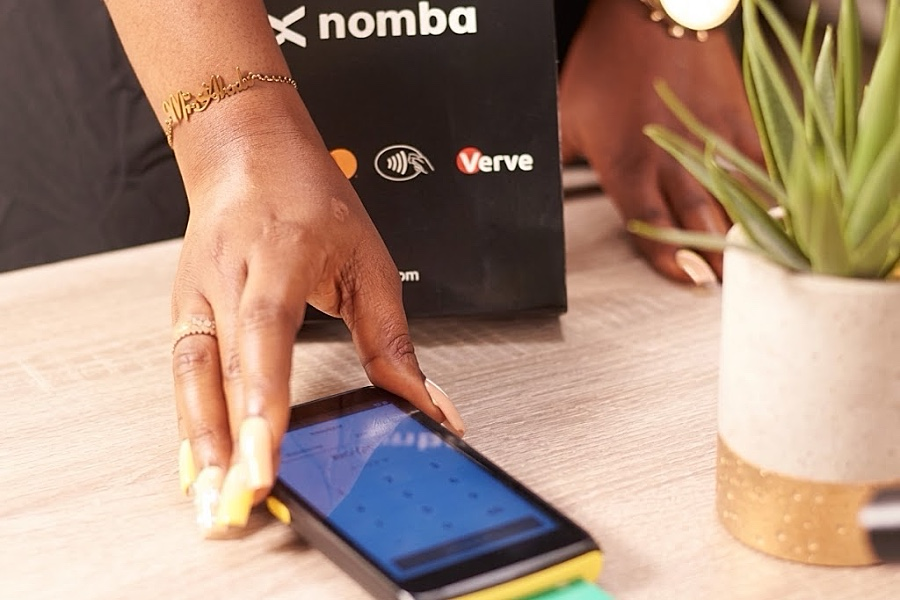
The initiative tackles two of the most painful challenges confronting Nigerian businesses: unreliable electricity and the abruptly upfront/deposit cost of switching to solar. Instead of forcing businesses to find the full purchase price for solar equipment before installation, the partnership is designed to give qualifying SMEs access to financing for solar panels, inverters and batteries, allowing them to spread the cost over time.
The programme is expected to reach approximately 300 businesses, although the amount each business receives will depend on its size, credit assessment and energy requirements. Current financing under the partnership averages approximately ₦50 million per business, while qualifying firms can receive as much as ₦100 million.
The financing covers essential components of a solar power system, including solar panels, batteries and inverters. That makes the programme particularly relevant for businesses that desperately need reliable electricity but cannot comfortably absorb the enormous upfront capital cost associated with installing a commercial solar system.
Rather than seeing solar purely as an environmental investment, Nomba and Synafare are positioning it as a productive business asset, one that is capable of helping businesses operate, reduce energy-related pressures and potentially improve their productivity.
In Nigeria, when grid electricity becomes unreliable, businesses often turn to petrol and diesel generators to keep shops, offices, factories, restaurants, clinics and other operations running; that dependence can become painfully expensive as fuel prices rise and businesses struggle with unpredictable operating costs, solar power provides an alternative
“Every business we work with wants solar power equipment to run and grow their operations, but the upfront cost of solar products is often out of reach.”
Tobi Esho

According to Esho, the financing partnership is intended to close that gap by making solar equipment accessible to businesses that may otherwise struggle to pay the entire cost upfront.
How the Nomba and Synafare Financing Model Works
The partnership is built around a division of responsibilities between the two companies. Synafare acts as the renewable-energy specialist and origination partner. It identifies businesses interested in adopting solar power, vets them and pre-qualifies suitable SMEs.
After that process, Synafare submits the business’s application and Know Your Customer (KYC) documentation to Nomba.
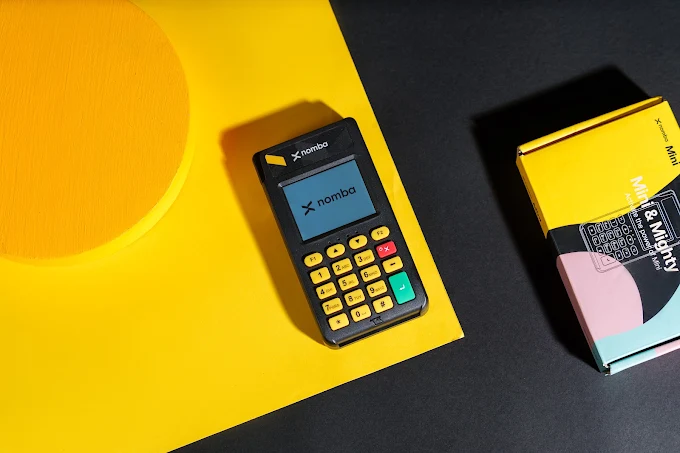
Nomba then carries out its own independent credit assessment. If the business meets the necessary requirements and is approved, Nomba provides the financing directly to the SME.
Following disbursement, Synafare manages repayment collections back to Nomba. The model therefore combines Synafare’s renewable-energy expertise and merchant network with Nomba’s credit infrastructure, lending capabilities and balance sheet.
More Than ₦500 Million Has Already Been Disbursed
The announcement is positive because the ₦2 billion pledge is based on an existing connection, rather than being an untested concept. Nomba and Synafare have been collaborating for more than one year, and during that period the partnership has financed more than ₦500 million across 10 SMEs.
The companies say that the loans issued through the programme are currently performing, with no defaults recorded and a 0% non-performing loan rate. The performance of those initial loans provides an important confidence signal as the companies prepare to increase the scale of the programme.
However, there is an important distinction between successfully financing 10 SMEs and scaling to approximately 300. Maintaining strong underwriting and repayment performance while dramatically increasing the number of borrowers will be one of the biggest tests of the initiative.

“At Nomba, we’ve built our credit business on a simple principle: lend responsibly, and lend directly, so the value reaches the merchant without unnecessary friction.”
Yinka Adewale
Nomba CEO Yinka Adewale said the company’s approach is built around responsible and direct lending.
He added that the company’s partnership with Synafare has demonstrated how direct lending can help address financing constraints in an important area such as solar-energy access. Adewale described the ₦2 billion commitment as a statement of confidence in both Nigerian SMEs and the financing model Nomba and Synafare have developed.
For Synafare, the problem is straightforward: businesses want more reliable electricity, but many cannot afford the capital expenditure required to install solar systems.
Esho said the existing financing model has helped bridge that gap, and the new ₦2 billion commitment should allow the companies to bring the model to a significantly larger number of businesses.
The objective is therefore bigger than simply selling solar equipment. It is about making solar energy financing in Nigeria more accessible to businesses that need dependable power to remain competitive.
A business that could not afford a solar installation yesterday may, through financing, acquire the equipment, spread its repayments and begin benefiting from alternative electricity without having to remove a huge amount of working capital from its business at once.
Conclusion
The next 24 months will be critical; the target is ambitious: approximately 300 Nigerian SMEs, backed by ₦2 billion in financing. The companies will have to identify suitable businesses, conduct rigorous credit assessments, deploy financing responsibly, support solar adoption and maintain repayment performance.
It is an attempt to connect finance, clean energy and SME growth in one model. The fact that the partnership has already disbursed more than ₦500 million and reports no defaults makes the expansion even more noteworthy, although the much larger target will ultimately determine whether the model can scale successfully.
For Nigerian SMEs, the message is particularly positive: access to reliable electricity does not have to remain an impossible dream because of upfront costs.
And for the country’s renewable-energy sector, this ₦2 billion commitment could prove to be an important catalyst, turning solar energy from an expensive aspiration into a more accessible growth tool for Nigerian businesses.
Follow Amebopreneur for the latest on Nigeria’s tech ecosystem, startup funding opportunities, and the cross-border partnerships shaping Africa’s innovation future.
Related Posts

Political Dynamics, Global Realignment: What Tola Adeyemi Told CEOs at FNCCI-KPMG Luncheon Series 6
As Nigeria heads toward the 2027 election, KPMG’s Tola Adeyemi urges businesses to prepare for multiple outcomes, policy shifts and new opportunities.
NITDA Builders Festival 2026: Smart Way to Unlock Startup Opportunities
NITDA Builders Festival 2026 offers Nigerian startups a path to ₦3bn in potential investment and pilot contracts by connecting real solutions with institutions.

Nigeria’s Internet Traffic: The Essential Growth Drivers Behind a 168% Surge
Nigeria’s internet traffic surged 168% in three years. Discover the key drivers behind the growth and what it means for businesses, SMEs and entrepreneurs.

Konga And Defence Headquarters Launch Nationwide Discount Scheme for Serving, Retired And Veteran Military Personnel
Konga and Defence Headquarters launch a nationwide discount scheme giving serving, retired and veteran military personnel access to essential goods at reduced prices.

Askya Offers African AI Startups Up To $200,000 In Investment Through New Growth Platform
Askya Investment Partners has launched a six-week AI Growth Platform for 10 African startups, offering zero-equity participation, business support and potential investment of up to $200,000