

NITDA Builders Festival 2026: Smart Way to Unlock Startup Opportunities
For many Nigerian startup founders, moving from a working product to paying customers or serious investors can be one of the hardest parts of building a technology business.
A founder may have a product that solves a real problem, a small team and early users but still struggle to get in front of organisations that need the solution or investors willing to finance its growth.
The NITDA Builders Festival 2026, organised in partnership with Tech Revolution Africa, is designed to help close part of that gap by connecting Nigerian startups with government agencies, corporations, investors and other organisations looking for technology-driven solutions.
At the centre of the programme is a target investment and pilot-contract pipeline of *₦3 billion*. Importantly, this figure represents a target pipeline rather than a guaranteed grant or cash payment to participating startups. The programme is designed to move beyond the traditional startup pitch format by matching existing products with specific problems identified by institutions.
From Pitching Ideas to Solving Real Problems
The NITDA Builders Festival 2026 is built around a relatively simple idea: instead of asking founders to pitch generic business ideas to investors, institutions first identify problems they need technology to solve. The official Builders Festival platform lists challenges ranging from digital civil registration and population data management to satellite connectivity, customs risk profiling, SME financing, healthcare identity systems, vaccine supply-chain visibility and road-maintenance monitoring.

For startups, this changes the conversation; rather than simply telling an investor that a product has potential, founders are expected to demonstrate how their existing product can address a clearly identified need.
The programme is therefore targeting startups that have already moved beyond the idea stage. According to the official programme information, Nigerian-registered startups at the minimum viable product stage or beyond can apply, provided they have evidence such as a live user, active pilot or paying customer. Idea-stage and pre-product applications are not eligible.
That requirement means the opportunity is aimed at businesses that can demonstrate some level of execution rather than founders who are still developing a concept.
Why Is NITDA Talking About It Now?
The Nigerian Startup Act became law in 2022, but the existence of legislation does not automatically mean that every benefit becomes available to founders immediately.
NITDA’s recent focus has been on implementation. At an NSA Incentives Activation Co-Creation Session in Abuja, NITDA and its Office for Nigerian Digital Innovation (ONDI) brought stakeholders together to discuss how incentives under the Act could become more practical for startups and investors. NITDA said these incentives cover areas including funding, tax and fiscal support, regulatory support, exports and trade, ecosystem development and training. More than 15 government institutions are involved in implementing different aspects of the incentives.
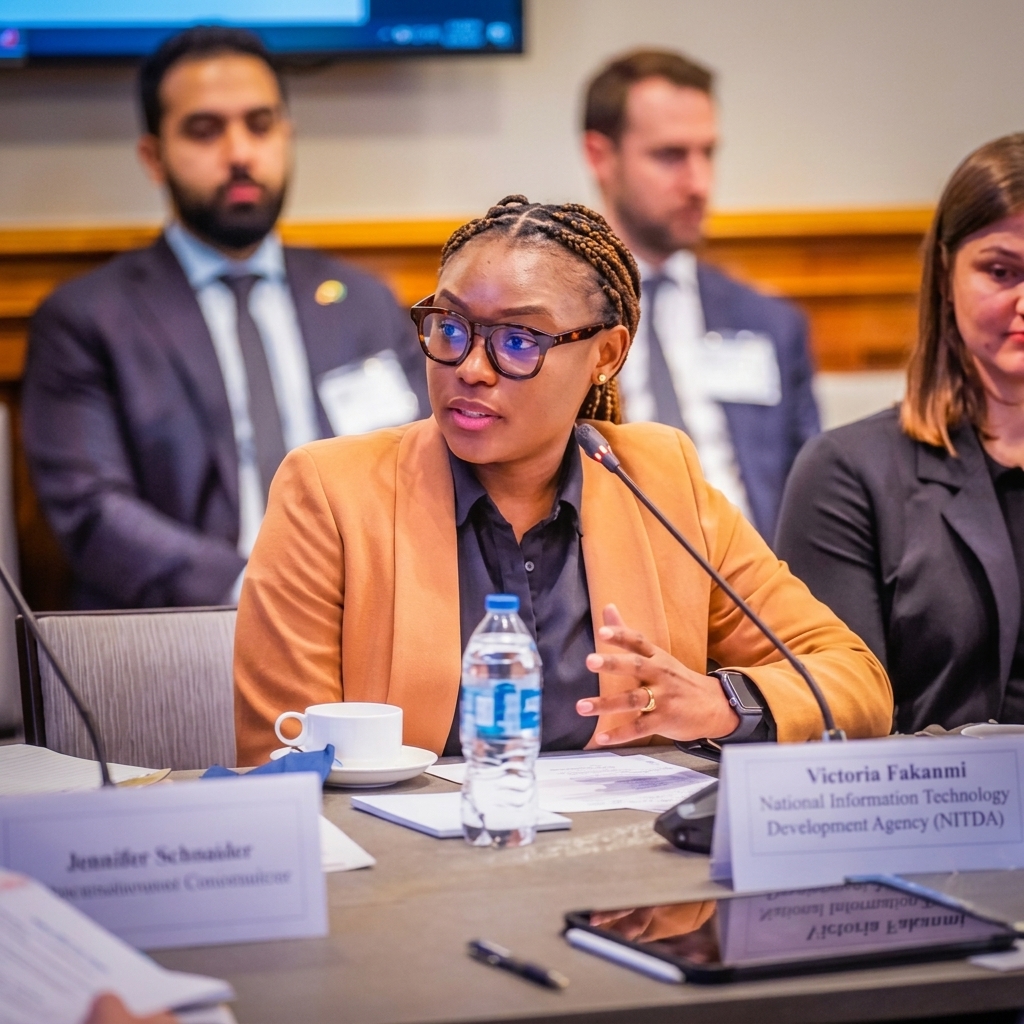
Speaking on behalf of NITDA Director-General Kashifu Inuwa, ONDI National Coordinator Victoria Fabunmi stressed the need to move from policy design to actual delivery.
We want to go to the next level. We want to be able to say that the actors in our ecosystem have been able to benefit significantly from the legislation that has been passed.
Victoria Fabunmi
For founders, this highlights an important distinction: the question is not only whether the Startup Act provides incentives, but also whether entrepreneurs can understand the requirements and successfully access the opportunities available to them.
Who Can Benefit?
One of the first things founders need to understand is the importance of startup labelling.
The official Startup Support and Engagement Portal explains that the Nigerian Startup Act provides a system for labelling qualifying startups. The portal was created partly to help startups access opportunities provided under the Act.
The portal also lists access to the Startup Investment Seed Fund, grants and loans among the potential benefits associated with obtaining a startup label. Other benefits include access to tools and resources, tax and fiscal incentives, capacity-building programmes, regulatory sandboxes and ecosystem support. This means founders should not view the Builders Festival simply as “free money from NITDA”.
Instead, they should first determine whether their company qualifies under the Nigerian Startup Act and whether it has completed the required labelling process.
The Act defines a startup as a company that meets specific conditions, including being a limited liability company incorporated in Nigeria, being within the prescribed age limit and having objectives connected to the creation, innovation, production, development or adoption of a unique digital technology product, service or process.
What Are Investors and Institutions Looking For?
The programme’s selection criteria provide an indication of what founders are expected to demonstrate. The official Builders Festival platform highlights three areas: market traction, team resilience and product maturity. Market traction means founders need to show that people or organisations are actually using the product or that there is meaningful evidence of demand.
Product maturity is equally important. The organisers specifically state that they are looking for “Ready-to-Deploy” solutions rather than ideas that are still “Ready-to-Research.”This means founders should be able to demonstrate more than an attractive presentation.
They should know who uses their product, what problem it solves, how it works and what happens when it is deployed in a real environment. The third consideration is the team behind the product. A technology solution intended for use by a government agency, financial institution or large corporation may require integration, cybersecurity, technical support and the ability to scale.
Founders therefore need to demonstrate that their teams have the technical and operational capacity to handle the demands that can come with growth.
Why the Market-Problem Connection Matters
Glory Olamigoke, co-founder of Tech Revolution Africa, said the challenge facing Africa’s innovation ecosystem is not simply a shortage of technical talent.

“Africa does not suffer from a shortage of technical talent; it suffers from a coordination gap between complex, systemic problems and the builders who can solve them.”
Glory Olamigoke
His comment captures the central idea behind the Builders Festival.
Nigeria has a growing pool of software developers, product managers, engineers and entrepreneurs. But having skilled builders does not automatically mean their solutions will reach the organisations that need them. A startup can spend months building a product without securing a major customer. At the same time, an organisation can spend months looking for technology capable of solving an operational problem. The Builders Festival is designed to bring those two sides into the same process.
What Nigerian Founders Should Prepare
For founders considering the programme, preparation should go beyond creating another pitch deck.The first step is to clearly define the problem the product solves.
A founder should be able to explain the problem in simple terms, identify who experiences it and show what the current alternatives look like.
The second is evidence. If a product already has customers, users or pilot partners, founders should be ready to present that information clearly. Useful evidence could include active users, customer retention, transaction volumes, pilot results, revenue figures or measurable improvements produced by the solution.
The third is product readiness. Founders should expect questions about infrastructure, security, integration, reliability and scalability, particularly if their target customers include government agencies or large businesses.
The fourth is the business model. A product may solve an important problem but still struggle to become a sustainable company if nobody is willing to pay for it.
Founders should therefore be clear about who pays, what they pay for, how much the product costs and how the business can grow.
Local Problems Could Create Larger Technology Businesses
Another important feature of the programme is its focus on problems within Nigeria. The official challenge list includes areas such as financial services, healthcare, logistics, agriculture, telecommunications, government services and education.
These problems may appear local, but the technology solutions developed to address them could potentially have wider applications across Africa.
For example, a platform developed to improve supply-chain visibility for Nigerian healthcare facilities could eventually be adapted for other markets with similar challenges.
Similarly, a financial technology product designed around Nigerian SME data could potentially be modified for other African economies.
This is where solving a local problem can become the starting point for building a regional technology company. NITDA Director-General Kashifu Inuwa has also stressed the importance of building technology locally rather than simply consuming technology developed elsewhere.
Speaking at GITEX Nigeria 2026, Inuwa said:
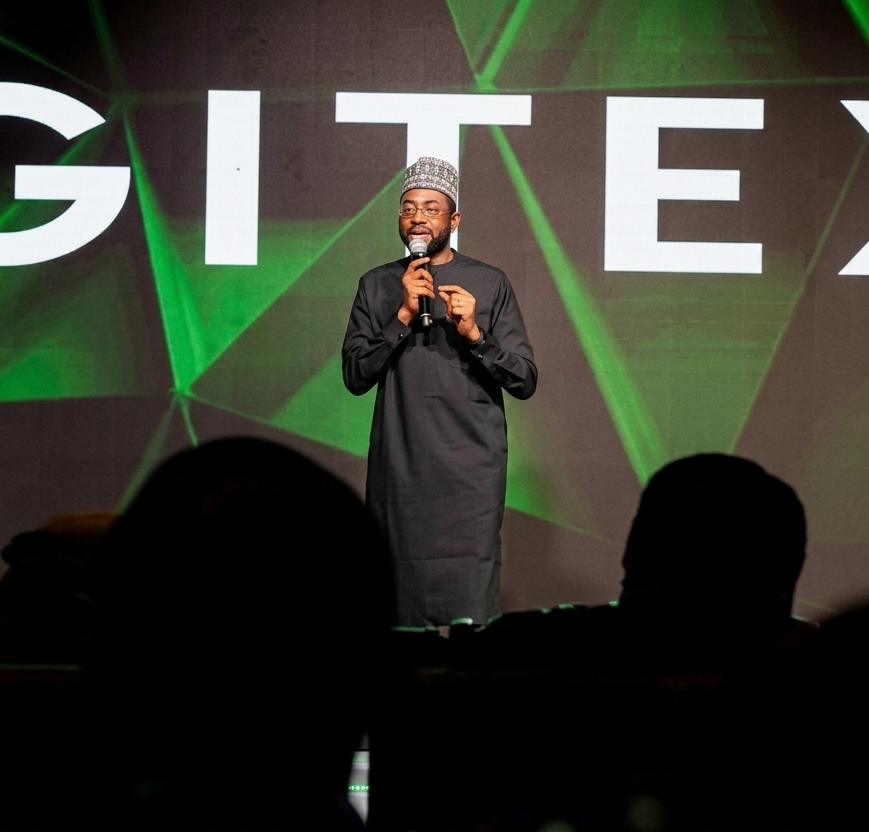
We do not want to be at the receiving end of technology alone. We want to be active builders, creators and owners of technology that solves real problems and creates value for our people.
Kashifu Inuwa
That position aligns with the broader objective of creating more opportunities for Nigerian technology companies to develop solutions for the domestic market and eventually compete beyond it.
What Happens After Selection?
The Builders Festival is expected to connect selected startups with institutions whose challenges match their products.The process includes application, review, matching and pitching, followed by opportunities to participate in deal-room discussions.
According to the programme’s official platform, matched startups will be able to meet institutions that have already identified a need for their products. Those discussions can lead to potential pilot agreements, memoranda of understanding and investment conversations.Selected startups are also expected to have access to masterclasses covering areas including product development, engineering and go-to-market strategy.
The programme will culminate in the Digital Nigeria International Conference 2026 in Abuja, where startups will have an opportunity to showcase their solutions and engage with potential partners and investors.The official Digital Nigeria website currently lists the conference for November 10–12, 2026*.Applications for the Builders Festival are currently open, with the official programme page listing October 5, 2026 as the application deadline.
What This Means for Nigerian Startups
The significance of the initiative may ultimately depend on how many startups move from pitching to actual commercial relationships.For founders, the opportunity is not simply about appearing at a technology event or putting a logo on an investor deck. The more important consideration is whether a startup can demonstrate that its product works, that customers need it and that the team can deliver at scale.
For investors and large institutions, the programme provides a structured way to discover startups that are already working on practical solutions.
For the Nigerian technology ecosystem, it could also help strengthen the connection between innovation, funding and real economic demand.The message for founders is therefore straightforward: building a product is only one part of building a technology company. The next step is proving that someone needs it, that it works in the real world and that the business behind it is capable of growing.
Conclusion
For Nigerian startup founders, the *NITDA Builders Festival 2026* is more than another opportunity to pitch a business idea; it is a chance to connect working technology solutions with institutions, investors and potential customers. Founders considering the programme should review the eligibility requirements, prepare evidence of traction and product readiness, and follow the official application process before the deadline.
Follow Amebopreneur for the latest on Nigeria’s tech ecosystem, startup funding opportunities, and the cross-border partnerships shaping Africa’s innovation future.
Related Posts

Nigeria’s Internet Traffic: The Essential Growth Drivers Behind a 168% Surge
Nigeria’s internet traffic surged 168% in three years. Discover the key drivers behind the growth and what it means for businesses, SMEs and entrepreneurs.

Konga And Defence Headquarters Launch Nationwide Discount Scheme for Serving, Retired And Veteran Military Personnel
Konga and Defence Headquarters launch a nationwide discount scheme giving serving, retired and veteran military personnel access to essential goods at reduced prices.

Askya Offers African AI Startups Up To $200,000 In Investment Through New Growth Platform
Askya Investment Partners has launched a six-week AI Growth Platform for 10 African startups, offering zero-equity participation, business support and potential investment of up to $200,000

Cabo Verde Telecom and DE-CIX Plan New South Atlantic Connectivity Corridor
DE-CIX and Cabo Verde Telecom have signed a non-binding Letter of Intent to explore a South Atlantic connectivity corridor linking Lisbon and São Paulo, strengthening direct digital infrastructure across Europe, Africa, and Latin America.
African Governments Are Now Training Their Civil Servants to Use AI as AfDB Launches Free Programme for Public Officials
The African Development Bank, UNDP, Google and Apolitical have launched free AI training for African public officials, covering AI skills, leadership, risks and government procurement.