

10 Nigerian Climate-Tech Startups Secure $560,000 Funding to Combat Extreme Heat Crisis In Nigeria
As excessive heat intensifies in Nigeria, ten outstanding startups have been chosen to scale solutions aimed at safeguarding farmers, hospitals, small enterprises, and vulnerable people from the mounting climate threat.
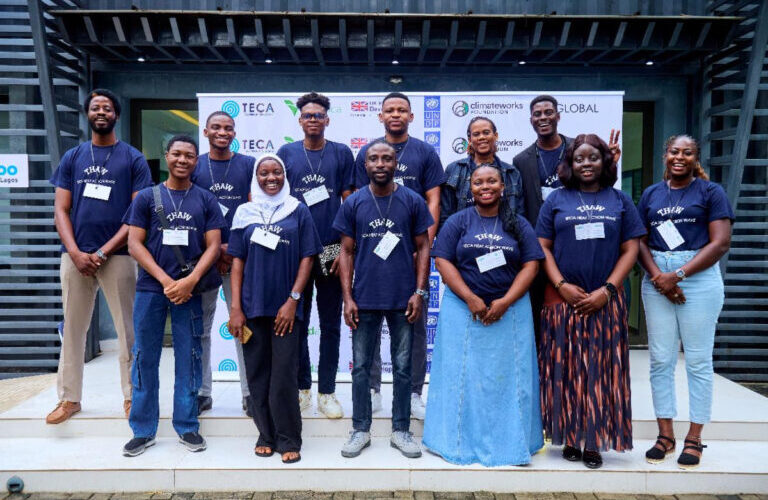
According to an African Media Agency (AMA) statement shared with Third Lens on Wednesday, the 10 Nigerian Climate-Tech startups were chosen for the inaugural TECA Heat Action Wave (THAW) programme, which was launched by BFA Global, FSD Africa, ClimateWorks Foundation, and the UK Foreign, Commonwealth, and Development Office (FCDO) Nigeria.
It is a no-brainer that this extreme heat is already causing billions of dollars in agricultural losses, healthcare strain, and energy waste, and Nigeria, as a nation that is proactive, is swiftly and effectively approaching a transformative moment in its climate-tech evolution.
This is a critical, high-stakes transition in Africa’s greatest economy, bringing together innovative minds with climate survival, economic resilience, and human safety.
Nigeria’s Extreme Heat Crisis Can No Longer Be Ignored
Nigeria’s temperature is rapidly rising. Heat indices in cities including Lagos, Abuja, and Kano are rising to unsafe levels above 50°C, putting millions at risk.
This is a terrible, urgent disaster affecting:
- Food systems in which harvests deteriorate faster and supply chains fail under duress.
- Healthcare systems, where hospitals face heat-related ailments and unpredictable power.
- Workers, particularly those who work outside, are exposed to potentially fatal heat stress on a daily basis and,
- Energy infrastructure becomes increasingly unreliable in adverse weather situations.
According to climatic data, heatwaves in Nigeria are growing more frequent and intense as a result of climate change, increasing dangers in all sectors of society. This rising crisis has resulted in both a severe vulnerability and a significant creative potential.
The THAW Program
The THAW programme is aimed at demonstrating that climate-focused entrepreneurs can produce both impact and returns. This shift is attracting a new generation of entrepreneurs who are developing strong, future-proof firms rather than pursuing short-term technological trends.
Each selected firm will receive $56,000 in investment and hands-on assistance with product development, business growth, investor preparedness, and scaling plans.
The selected firms are developing solutions in agriculture, healthcare, climate intelligence, sanitation, and renewable energy. Their innovations include solar-powered cooling systems, livestock health monitoring, AI-powered crop diagnostics, heat alerts, and digital health tools for outdoor workers.
The Ten Selected Startups
3. Emplaris

Offers a heat-resistant logistics technology that enables farmers to move perishable produce more effectively, avoiding spoiling caused by excessive temperatures through optimised routing and heat monitoring.

Offers a hyperlocal early-warning system that sends climatic and heat alerts via easily accessible channels, allowing farmers and micro-entrepreneurs to anticipate problems and take preventive measures.

creates a predictive energy and heat-risk intelligence solution for healthcare facilities to help hospitals avoid outages and control equipment stress during extreme heat occurrences.

provides an AI-powered livestock health and co-ownership platform that enables early disease identification and prevention, allowing farmers to reduce heat-related livestock mortality and increase output.

is an AI-powered soil and crop diagnostics platform that enables farmers to respond to heat-induced soil deterioration and crop stress via real-time insights and personalised advice.

creates a climate-resilient agricultural system by merging heat-adaptive beekeeping, herb production, and consumer items to stabilise yields and supplies as temperatures rise.

offers a climate intelligence platform that converts satellite and weather data into actionable insights, allowing farmers and financial institutions to mitigate heat-related risks and make better decisions.

is a solar-powered, portable cooling solution for small businesses and households to protect perishable items during excessive heat and power outages.

creates a climate-resilient sanitation system that uses on-site treatment and water reuse to prevent failure and contamination in hot and wet regions.

offers a climate-smart digital health platform that integrates heat alarms, AI diagnostics, and telemedicine to reduce heat-related health risks for outdoor workers and vulnerable populations.
The ten selected startups reflect a diversified, solution-driven ecosystem that approaches high heat from many perspectives and are headquartered in various states, including Lagos, Kaduna, and Edo, demonstrating Nigeria’s expanding climate-tech ecosystem. Six of the ten enterprises have female co-founders.
According to Tyler Ferdinand, TECA Director at BFA Global,
“Extreme heat is rapidly becoming one of the biggest operational risks facing African economies, yet it remains dramatically underinvested.”
“Through TECA’s Heat Action Wave, we’re backing entrepreneurs building the tools, services, and financial products that will allow people, businesses, and cities to function in a hotter world. Our goal is not only to support these ventures but also to prove that climate adaptation can become a powerful new investment frontier.”
Tyler Ferdinand


“If climate adaptation finance is going to scale in Africa, it has to be grounded in real, investable solutions. This group of innovators tackling extreme heat is important because it shows what those solutions look like in practice, and that’s what gives markets the confidence to follow. At FSD Africa, our role is to help turn early innovation like this into something markets can actually back.”
“At the same time, momentum for adaptation is growing, as we see both more funding and more innovation, these new business ventures are strong community-led solutions that can accelerate resilience in Nigeria and more broadly in the west African region.”
Juliet Munro

“The cost of inaction on climate change is growing, as over 70% of workers around the world are at risk from deadly extreme heat. At the same time, momentum for adaptation is growing, as we see both more funding and more innovation. These new business ventures are strong, community-led solutions that can accelerate resilience in Nigeria and more broadly in the West African region.”
Jessica Brown
“Responding to climate change is central to Nigeria’s future growth and resilience. The UK is excited to support this cohort of ambitious Nigerian businesses developing transformative solutions to extreme heat. TECA’s Heat Action Wave is part of a broader UK partnership with Nigeria that backs private sector–led innovation, creates jobs, and drives shared prosperity for both our countries as we transition to a greener economy.”
Temi Akinrinade
A Hopeful and Transformational Outlook
The rise of these firms instills a strong sense of confidence. They claim to cut food waste, boost farmer earnings, bolster healthcare systems, and shield vulnerable areas from excessive temperatures.
There is also a significant inclusion angle, since six out of ten firms have female co-founders, indicating a more diverse and equitable innovation ecosystem.
These ideas have the potential to spread far beyond Nigeria, even more so throughout Africa, establishing the country as a pioneer in climate adaptation innovation.
The challenges, though, include funding gaps, scale barriers, and harsh realities. There is also a risk of fragmentation and sluggish adoption, particularly in rural areas where knowledge and access are restricted.
Furthermore, Nigeria’s overall economic and infrastructure instability may hinder the adoption of these advancements. In short, while the opportunity is enormous, the path ahead is complicated, difficult, and unknown.
Conclusion
The sponsorship of these ten Nigerian businesses is a bold, transformative step in the country’s innovation trajectory and represents a transition from reactive thinking to proactive, solution-focused resilience.
While obstacles exist, the growth of climate-tech as a significant sector demonstrates Nigeria’s willingness to tackle its climatic reality with innovation, urgency, and ambition.
If sustained and scaled, this movement has the potential to change not only Nigeria’s startup environment, but also its overall strategy to survival in a warming world. In many respects, this is about creating a future that can endure the fire.
The initiative will run until 2026, concluding in demo days and investor engagement opportunities, with further funding available for top-performing ventures.
Related Posts

Political Dynamics, Global Realignment: What Tola Adeyemi Told CEOs at FNCCI-KPMG Luncheon Series 6
As Nigeria heads toward the 2027 election, KPMG’s Tola Adeyemi urges businesses to prepare for multiple outcomes, policy shifts and new opportunities.

NITDA Builders Festival 2026: Smart Way to Unlock Startup Opportunities
NITDA Builders Festival 2026 offers Nigerian startups a path to ₦3bn in potential investment and pilot contracts by connecting real solutions with institutions.

Nigeria’s Internet Traffic: The Essential Growth Drivers Behind a 168% Surge
Nigeria’s internet traffic surged 168% in three years. Discover the key drivers behind the growth and what it means for businesses, SMEs and entrepreneurs.

Konga And Defence Headquarters Launch Nationwide Discount Scheme for Serving, Retired And Veteran Military Personnel
Konga and Defence Headquarters launch a nationwide discount scheme giving serving, retired and veteran military personnel access to essential goods at reduced prices.

Askya Offers African AI Startups Up To $200,000 In Investment Through New Growth Platform
Askya Investment Partners has launched a six-week AI Growth Platform for 10 African startups, offering zero-equity participation, business support and potential investment of up to $200,000