

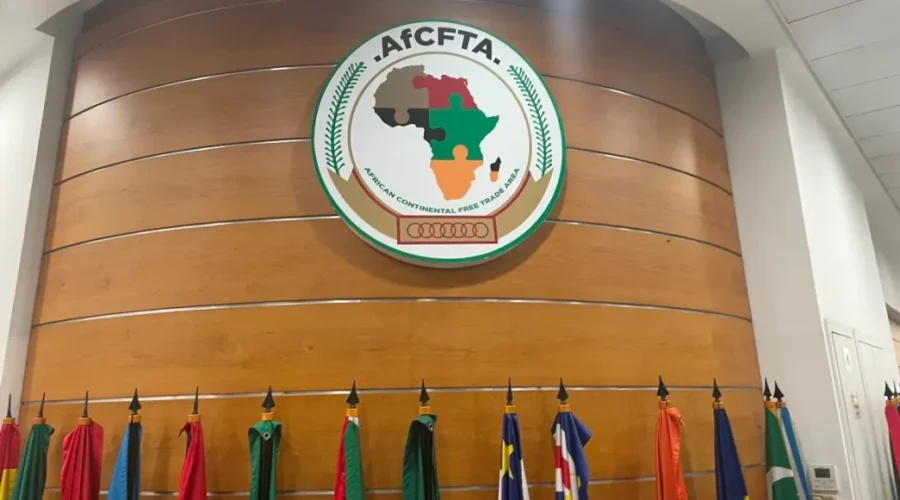
AfCFTA Chooses Nigerian Technology for Africa-wide Customs Modernization, Signs A $3.1 Deal with Bergman
The $3.1 Billion Deal
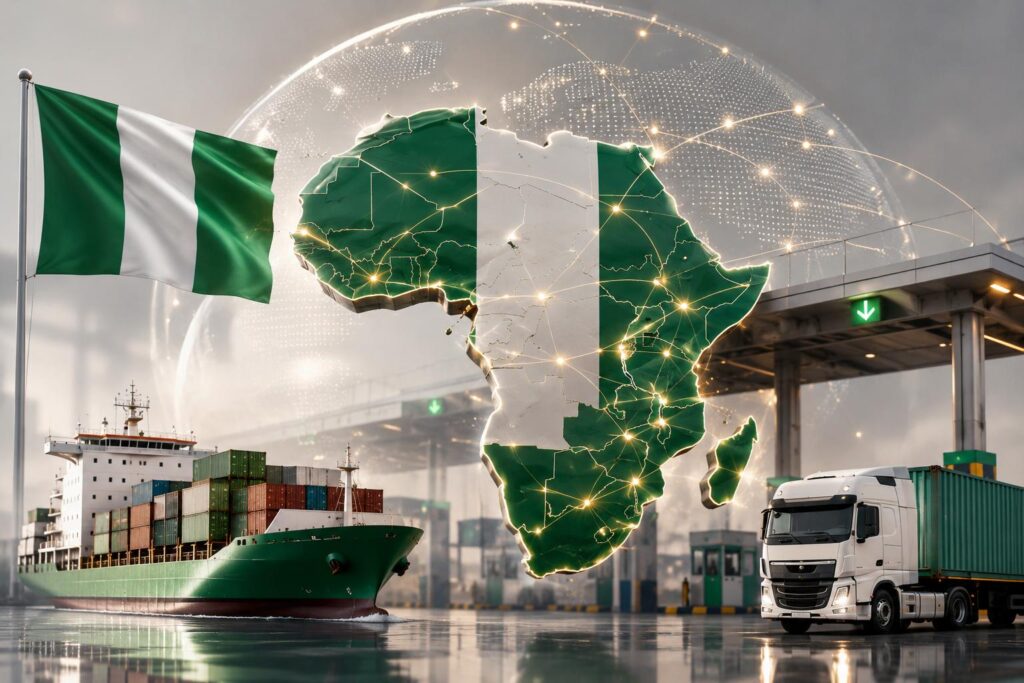
The African Continental Free Trade Area (AfCFTA) Secretariat has signed a 20-year Memorandum of Understanding (MoU) with Bergmans Security Consultant and Supplies Limited to implement the AfCFTA Customs Modernisation Project (ACMP), a historic initiative that is expected to transform customs administration and facilitate seamless trade across Africa.
The agreement, signed on the sidelines of the Digital Trade Forum 2026 in Lagos, establishes the framework for a Public-Private Partnership (PPP) in which Bergmans will invest an estimated $3.1 billion to build a continent-wide digital and physical customs infrastructure aimed at harmonising customs procedures, improving trade corridors, and simplifying cross-border movement of goods among AfCFTA Member States.
The development is widely considered both a great win for Nigeria’s technological ecosystem and a watershed moment in Africa’s long-held aim to make cross-border trade faster, smarter, and more efficient.
The agreement was signed in Lagos during the Digital Trade Forum 2026, when the AfCFTA Secretariat formally entered into a 20-year concession arrangement for the AfCFTA Customs Modernisation Project (ACMP).
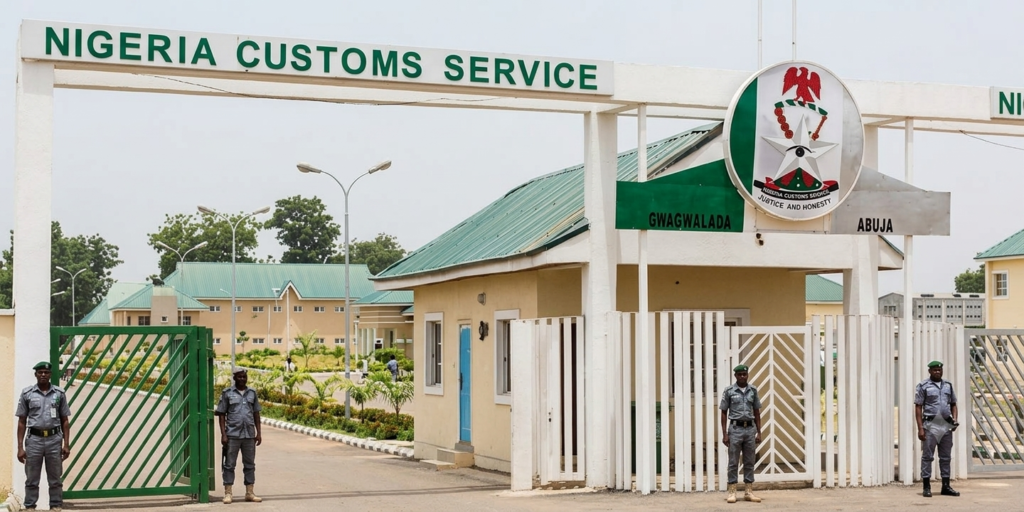
Rather than being a simple software deployment, the project creates a comprehensive Public-Private Partnership in which Bergmans Security Consultant and Supplies Limited will invest approximately $3.1 billion to develop both digital and physical customs infrastructure in participating African countries.
The effort aims to standardise customs procedures, digitise documentation, strengthen trade corridors, reduce border crossing waits, increase revenue collection, and enable customs systems from various African countries to communicate easily with one another.
Why Nigeria Was Chosen
Despite the establishment of the African Continental Free Trade Area, transporting commodities across African borders remains one of the continent’s most significant economic challenges. Many countries continue to operate their own customs platforms, which are inefficient at exchanging information. Businesses frequently duplicate paperwork and face lengthy inspections, uneven laws, and costly border delays.
Bashir Adeniyi, Comptroller-General of the Nigeria Customs Service (NCS), stated at the MoU signing in Lagos that the agreement is a step forward in increasing intra-African commerce under AfCFTA.
“In Nigeria, we moved from Automated System for Customs Data (ASYCUDA) to NICIS and now to B’Odogwu, our indigenous customs processing platform. Other countries such as Ghana, Cameroon, Uganda and Morocco operate different systems. What this agreement will achieve is interoperability, allowing these systems to communicate seamlessly,”
“If you make a declaration in Ghana, it should not be difficult for the Nigerian Customs system to process it as an import. This is what the agreement means, and it is truly historic.”
Bashir Adeniyi

Adeniyi explained that African countries now use multiple customs management systems, making cross-border trade overly difficult. He stated that once the agreement is implemented, customs declarations submitted in one African country will be accepted and processed electronically in another.
The Comptroller-General explained that, despite decades of trade facilitation initiatives, the lack of digital integration across customs administrations has been a significant obstacle.
These obstacles have hindered intra-African trade for decades. The AfCFTA Customs Modernisation Project seeks to remove many of these hurdles by establishing a continent-wide interoperable digital customs ecosystem capable of standardising operations while allowing individual countries to retain control over their customs administrations.
According to Wamkele Mene, secretary-general of the AfCFTA Secretariat, the project aligns with the organisation’s mission of simplifying trade for African firms, particularly small and medium-sized organisations.
Mene noted that AfCFTA has closely studied the Nigeria Customs Service’s customs modernisation programme and believes it is suited for continental adoption.
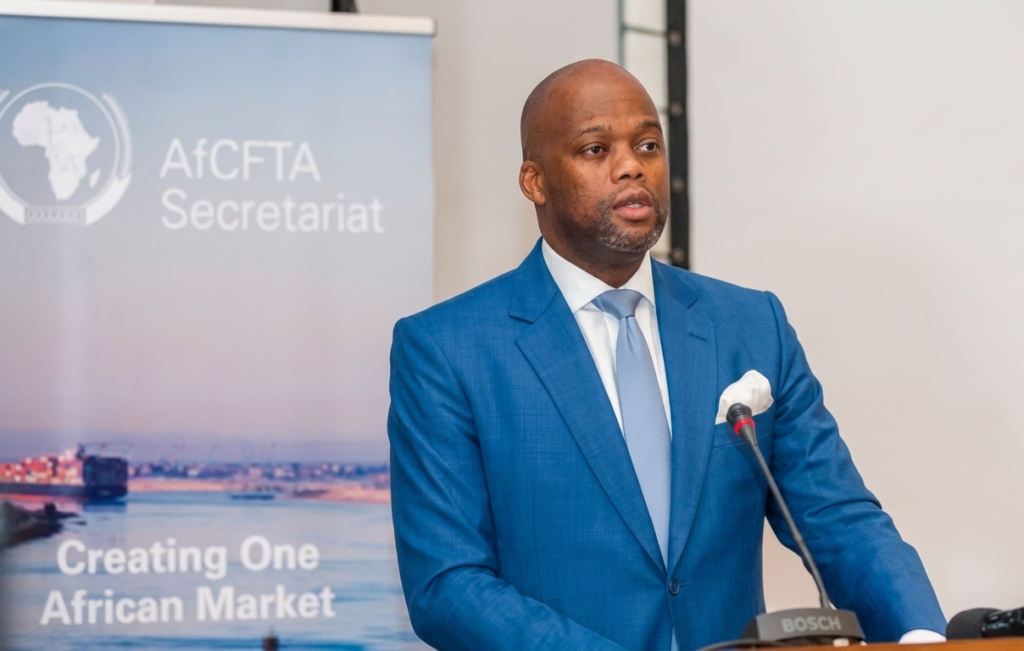
“We have been observing the excellent work done in Nigeria in digitising customs operations, improving revenue collection and modernising border management. The continent has much to gain from this model.”
“We want to create a continental customs system in which economic operators can efficiently move goods across borders.” This collaboration with Bergmans Security will help us fulfil that objective.”“When businesses can clear goods quickly, affordably and efficiently, they benefit directly. That is the promise of digital customs.”
Wamkele Mene
He used the Ghana-Togo border as an example, where one-stop border stations exist physically but lack digital interoperability, forcing traders to go through various customs procedures.
Meanwhile, Adeniyi, speaking on income creation, stated that reducing border procedures will assist in increasing government earnings. He also stated that the platform would seamlessly link with Nigeria’s ongoing National Single Window programme and other digital commerce systems being implemented around Africa.
“If we get trade facilitation right, we reduce delays, lower the cost and time of doing business, and businesses will clear more goods faster. Ultimately, higher trade volumes will translate into increased customs revenue.” – Bashir Adeniyi.
Adeniyi stated that the cooperation will prioritise platform deployment, stakeholder awareness, and customs personnel training across participating nations to ensure smooth implementation.
Speaking on the arrangement, Bergmans Security Consultants and Supplies Limited stated that it represented the export of native Nigerian technology to the rest of Africa.
Chairman of BSCS, Saleh Ahmadu, stated that the company has spent the last five years creating and deploying customs technology in Nigeria, demonstrating that locally generated solutions can handle Africa’s trade difficulties. He asked stakeholders to invest in local talent and the development of homegrown solutions that can benefit the world.
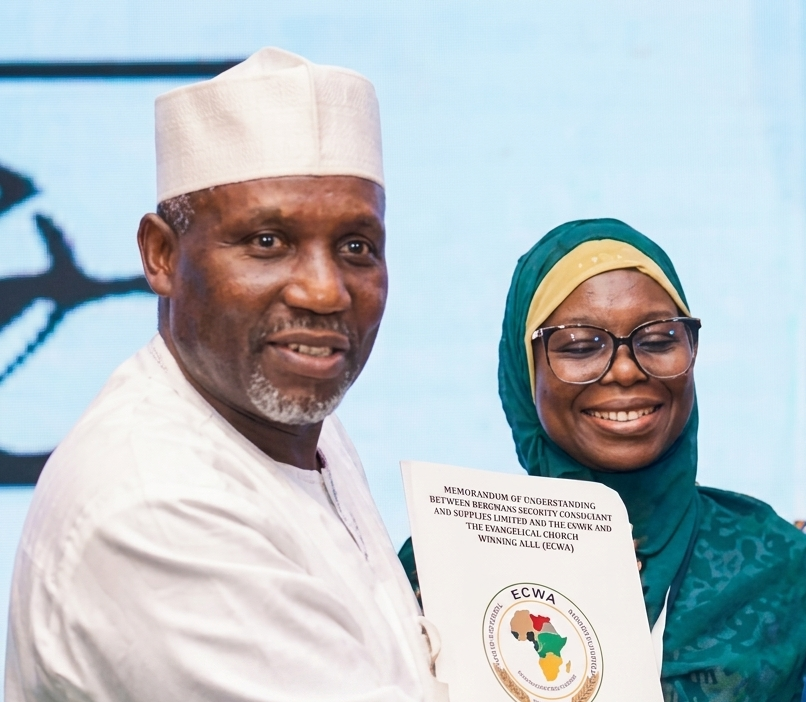
“Our system was built in Nigeria, for Africa. AfCFTA evaluated different international solutions but found that our platform was better suited to African realities.
“The goal is to build one African customs platform that allows customs administrations to work together seamlessly.”
Saleh Ahmadu
He stated that implementation would begin in at least six African countries before spreading throughout the continent. Perhaps the most fascinating feature of the accord is its massive economic potential. AfCFTA is one of the world’s largest free trade areas, linking more than 1.4 billion people across Africa and valued at more than $3.4 trillion.
However, simply abolishing tariffs will not unlock that possibility if customs systems remain inefficient, fragmented, and substantially paper-based. The interoperable customs platform aims to become the digital backbone that enables trade agreements to function effectively in practice rather than only on paper.
The announcement is also a positive indication for Nigeria’s fast-growing IT sector. While Bergmans is in charge of the project, a continental customs modernisation programme of this size will almost certainly necessitate expertise in cybersecurity, artificial intelligence, cloud infrastructure, fintech, logistics software, identity verification, digital payments, blockchain, Internet of Things devices, compliance systems, and enterprise integration.
This opens up interesting opportunities for Nigerian startups and African software enterprises to serve as technology vendors, implementation partners, consultants, cybersecurity experts, and infrastructure developers. With this, manufacturers may see quicker supply times for raw materials. Exporters could have speedier access to regional markets. Importers may spend less time awaiting shipment clearance.
Small and medium-sized businesses may find it easier to engage in regional trade without encountering excessive bureaucracy. Also, consumers may eventually benefit from cheaper logistics costs, increased product availability, and more competitive pricing as supply chains become more efficient.
As a result, the initiative has the potential to have an impact on almost every trade-related industry, including agriculture, manufacturing, retail, e-commerce, transportation, aviation, shipping, and financial technology.
Conclusion
The AfCFTA Customs Modernisation Project is a huge one for Africa at large. Yes, data privacy and cybersecurity will become increasingly crucial as customs data travels between interconnected digital platforms, but even more, the project’s success will thus rely not only on technology but also on governance, training, law harmonisation, and long-term collaboration among member nations.
The realities surrounding this project highlight the cautionary side of an otherwise really positive development. Rather than importing another foreign platform, AfCFTA chose technology developed by a Nigerian company to service the entire continent.
This choice strengthens Nigeria’s reputation as a manufacturer of enterprise technology capable of sustaining complex government infrastructure. It also strengthens the growing belief that African solutions can effectively handle African concerns. Although technical, political, financial, and operational obstacles will definitely arise during execution, the decision to entrust such an ambitious continental initiative to a Nigerian technology business is a strong support of local ingenuity.
The coming years will decide if this audacious idea becomes the digital backbone of Africa’s interconnected economy. If it does, historians may remember the July 2026 agreement in Lagos as the moment when Nigerian invention helped reshape the future of trade across a continent.
Follow Amebopreneur for the latest on Nigeria’s tech ecosystem, startup funding opportunities, and the cross-border partnerships shaping Africa’s innovation future.
Related Posts
Renew Capital Selects 15 African Startups From More Than 500 Applicants
From 500+ applicants across 48 African countries, Renew Capital picked just 15 startups, spotlighting embedded finance as Africa’s next big investment wave.
France And Nigeria Launch Joint Agribusiness Club To Drive Investment And Food Security
France and Nigeria have launched a new Agribusiness Club to unlock investment, boost food security, connect 500+ stakeholders, and strengthen Nigeria’s agricultural future.

Nigeria’s Startup Ecosystem Just Had Its Strongest Month In Years; Raises $113.7 Million in June 2026
A record-breaking June saw Nigerian startups secure $113.7M in funding. Explore the standout deals, emerging trends, and what’s driving investor confidence.
AfCFTA, Agility And Industrial Growth: How African CFOs Are Rethinking Business Strategy
Discover how AfCFTA is reshaping African business strategy as CFOs embrace regional trade, industrial growth and resilient corporate leadership.

Breaking: The World Bank Group Approves A New 2026–2032 Fresh Financing For Nigeria Worth $1.25 billion
Nigeria just secured a $1.25 billion World Bank-backed financing package to drive jobs, digital growth, energy access, and agriculture. Here’s what it means.