

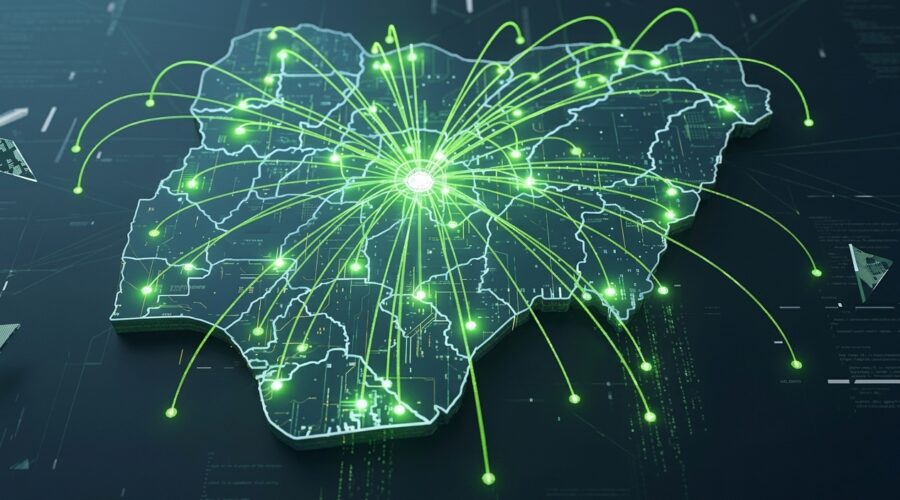
Nigeria’s Internet Traffic: The Essential Growth Drivers Behind a 168% Surge
Nigeria’s internet traffic has surged by approximately 170 per cent in three years, highlighting how quickly the country’s digital habits are changing. Data published by the Nigerian Communications Commission (NCC) shows that monthly internet traffic increased from 615,207.39 terabytes (TB) in July 2023 to 1,662,021.45 TB in July 2026. This represents an increase of about 1.05 million terabytes over the period.
Interestingly, the growth has occurred alongside a decline in active mobile subscriptions. An analysis of NCC figures published by Business A.M. reported that active mobile subscriptions fell from approximately 220.86 million in July 2023 to 195.11 million in July 2026. The contrast raises an important question: why is internet traffic increasing so sharply even as the number of active mobile lines declines?
The answer involves more than the number of people connected to the internet. Network improvements, changing smartphone habits, digital financial services, online entertainment and the growing use of digital tools by businesses may all contribute to increased data consumption. Understanding these developments also helps explain the opportunities and challenges facing Nigerian entrepreneurs.
Network Upgrades Are Driving Higher Internet Traffic
One of the clearest explanations for Nigeria’s rising internet traffic is investment in telecommunications infrastructure.
On 24 April 2026, The Nation reported that Nigerian Communications Commission Executive Vice Chairman Dr Aminu Wada Maida linked the increase in data consumption to upgrades in telecommunications infrastructure and tower sites. Blueprint reported similar remarks on 25 April 2026. According to the reports, Maida said:
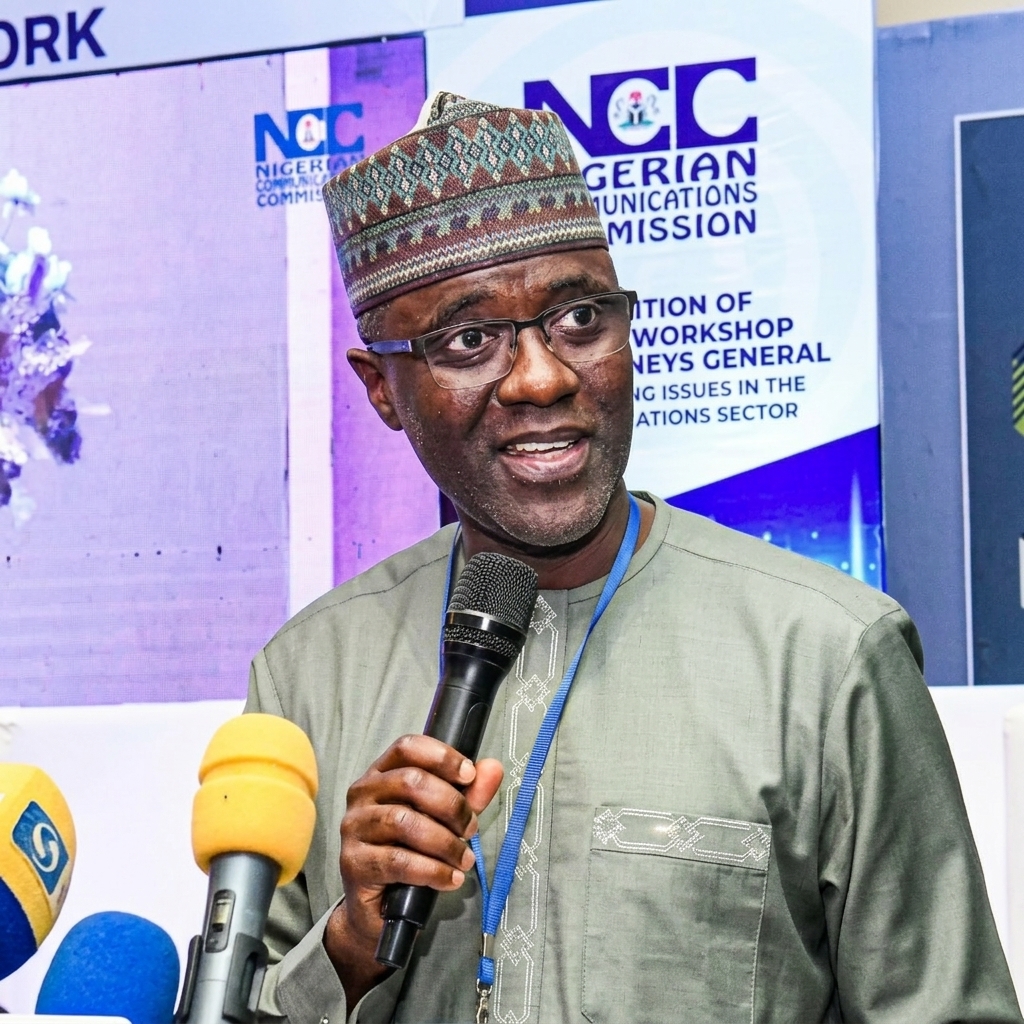
“…data consumption has risen by more than 170 per cent.”
Dr Aminu Wada Maida
The reports also stated that more than 3,000 tower sites and related infrastructure had been upgraded in the previous year. The NCC had set a target of 12,000 site upgrades for 2026, with approximately 2,800 reportedly completed by April.
These upgrades matter because telecommunications networks need sufficient capacity to carry increasing volumes of data. When connectivity improves, users may find it easier to stream videos, join online meetings, download files and use applications that require a stable connection.
The NCC’s network performance reporting also examines the relationship between network capacity, congestion and service quality. Its Q1 2026 report specifically considers how capacity limitations affect connectivity during periods of heavy usage.
However, infrastructure investment should not be treated as the only explanation for the increase. Network improvements can enable greater consumption, while changes in users’ habits and the services they access can also influence demand.
Smartphones Are Changing How Nigerians Use the Internet
For many Nigerians, a smartphone now serves several purposes beyond calls and text messages. It can function as a banking tool, classroom, workplace, entertainment centre and marketplace.
A small business owner can use a smartphone to display products, respond to customer enquiries and monitor payments. A student can watch tutorials, attend virtual classes and download learning materials. A professional can use the same device to communicate with colleagues, apply for jobs and manage work-related tasks.
These activities create more opportunities for internet use throughout the day.
The GSMA, which represents mobile operators worldwide, has highlighted the importance of smartphone access and affordability in expanding mobile internet adoption. Its research on Nigeria also points to a continuing gap between the availability of mobile network coverage and the number of people who actually use mobile internet.
This distinction is important. Network coverage does not automatically mean that every person can afford a suitable device or regular data subscriptions.
At the same time, people who already have smartphones may be using them for a wider range of activities than they did previously. Moving from occasional browsing to video streaming, digital payments, online learning and work-related applications can increase data consumption without requiring an increase in the number of mobile subscriptions.
Video Streaming and Social Media Are Increasing Data Demand
Another possible contributor to rising internet traffic is the growing use of video and other data-intensive online services.

Video streaming, live broadcasts, online tutorials and social media content can consume substantial amounts of data, particularly when users watch high-resolution videos or remain connected for extended periods.
These platforms also provide practical opportunities for businesses. A fashion entrepreneur can showcase new designs through short videos, while a food vendor can use online content to introduce products and attract customers. Creators can build audiences, share information and develop commercial partnerships through digital platforms.
The same activities, however, can increase the amount of data users consume.
A person who spends several hours watching videos may use considerably more data than someone who primarily sends text messages or reads articles. Businesses that frequently upload product demonstrations or conduct live sessions may also require larger data packages.
Although these are plausible contributors to Nigeria’s rising internet traffic, the NCC’s aggregate statistics do not identify how much traffic comes from individual social media or streaming platforms. It would therefore be inaccurate to attribute a specific share of the 170 per cent increase to these activities without additional evidence.
Digital Banking and Online Payments Are Supporting Business Activity
Digital financial services have changed how many Nigerians manage everyday transactions. Mobile banking applications, payment platforms and online transfers allow individuals and businesses to send and receive money without visiting a physical banking hall for every transaction.
For small and medium-sized enterprises, these tools can simplify payment collection, transaction monitoring and customer service. Online businesses can also integrate payment services into their websites and sales processes.
These activities depend on connectivity, making reliable internet access increasingly important to businesses that operate digitally.
The World Bank’s Nigeria Digital Economy Diagnostic, published in November 2019, identifies digital infrastructure, digital financial services, digital platforms, digital entrepreneurship and digital skills as important parts of Nigeria’s digital development.
The report’s co-author, Isabel Neto, a World Bank senior digital development specialist, explained how investment and innovation could help businesses reach markets and develop new services.
The report provides useful background on the relationship between digital infrastructure and economic activity, although it predates the latest internet traffic figures.

For entrepreneurs, the practical implication is that digital connectivity supports more than communication. It can help businesses reach customers, process transactions and coordinate operations. Nevertheless, the growth in overall internet traffic does not establish how much digital banking contributes to the increase.
Remote Work and Digital Entrepreneurship Are Creating New Opportunities
Internet connectivity is also changing how Nigerians approach employment and entrepreneurship. Professionals in software development, graphic design, digital marketing and data analysis can use online tools to work with employers and clients in different locations.
A typical remote worker may spend time attending video meetings, transferring files, using cloud storage and collaborating through project management platforms. These activities depend on reliable internet access, and some require transferring substantial amounts of data.
Entrepreneurs can benefit in similar ways. A business can promote its services online, receive enquiries from customers in other cities and manage parts of its operations through digital platforms.
This creates opportunities for Nigerian professionals and business owners to reach markets beyond their immediate locations. However, the benefits depend on the quality and affordability of connectivity. Poor network service can interrupt meetings, delay work and affect customer service, while high data costs can increase operating expenses.
The rise in internet traffic is consistent with a more data-intensive digital economy, although the available traffic statistics do not separately measure how much remote work contributes to the increase.
The Business Opportunity Is Growing, but Access Remains Unequal

Nigeria’s growing internet traffic creates potential opportunities for businesses that provide online products and services. Companies can reach customers through websites, social media, digital marketplaces and mobile applications without relying entirely on physical locations.
The increase may also create demand for services such as cloud computing, cybersecurity, software development, digital advertising and online payments. For SMEs, these tools can support customer acquisition, sales and business operations.
However, greater internet usage does not automatically translate into higher profits for every business. Success still depends on customer demand, pricing, competition and the ability to deliver products or services effectively.
Affordability is another important consideration. The GSMA‘s research on Nigeria highlights the difference between mobile network coverage and actual mobile internet adoption.
This means the benefits of digital growth are not necessarily shared equally. Some people may have access to reliable internet and suitable devices, while others face financial or infrastructure barriers.
For Nigerian entrepreneurs, this presents both an opportunity and a challenge: digital tools can help businesses reach more customers, but companies must also consider the costs and limitations their customers face when accessing online services.
Broadband Infrastructure Will Shape the Next Stage of Growth
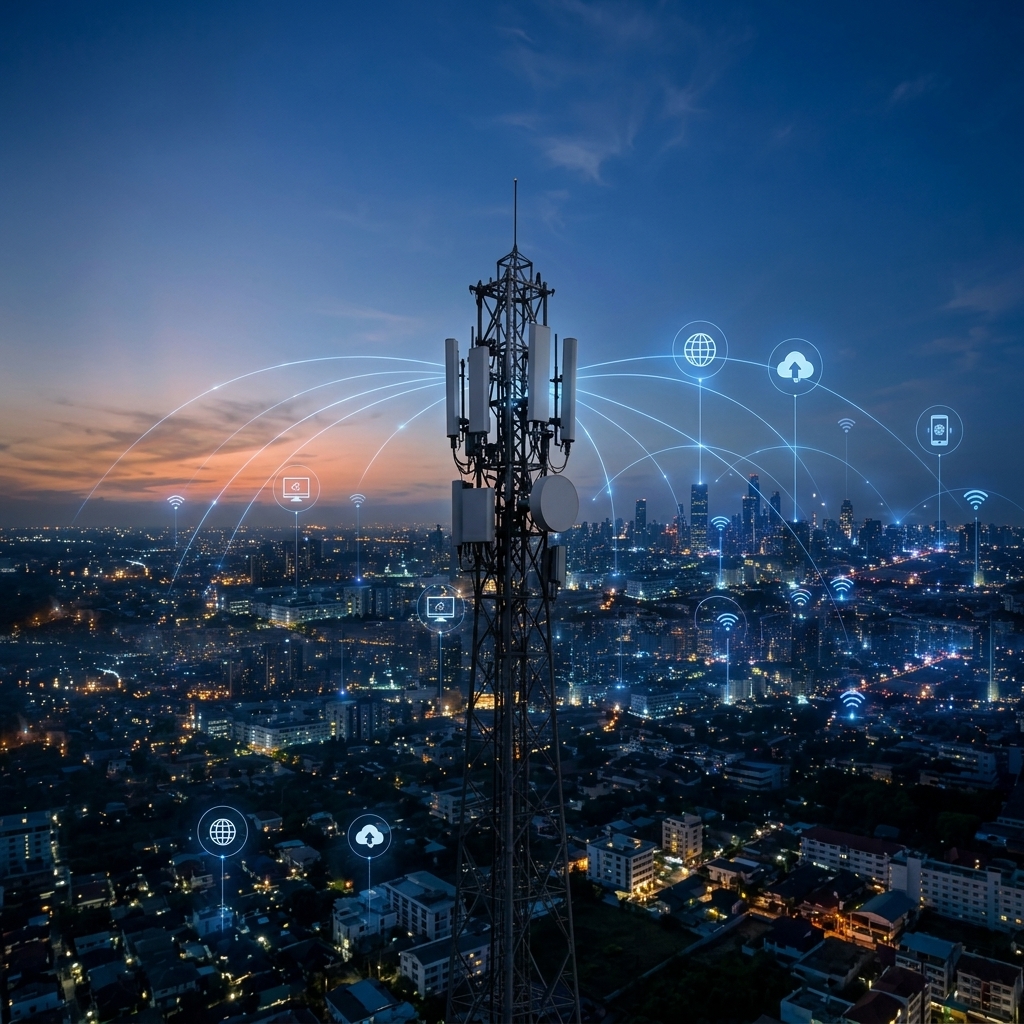
As internet traffic increases, telecommunications networks need sufficient capacity to carry the additional data.
Mobile networks and fibre-optic infrastructure work together to deliver connectivity to homes, offices and mobile devices.On 7 October 2025, the World Bank announced $500 million in financing for Nigeria’s Building Resilient Digital Infrastructure for Growth (BRIDGE) Project. The wider project is valued at $1.6 billion and is designed to expand affordable, high-speed broadband.
According to the announcement, it plans to deploy more than 90,000 kilometres of fibre-optic cable, extending Nigeria’s national backbone from 35,000 to 125,000 kilometres.
World Bank Country Director for Nigeria Mathew Verghis said:
“Access to fast and reliable internet will help to create more quality jobs”
Mathew Verghis

The project illustrates the scale of infrastructure investment being pursued to improve Nigeria’s digital connectivity. Fibre networks can strengthen the infrastructure carrying data between locations and support telecommunications operators and internet service providers.
However, expanding infrastructure is only part of the solution. Affordable data, suitable devices, digital skills and reliable service are also important if more Nigerians are to benefit from improved connectivity.
What Rising Internet Traffic Means for Nigerian Businesses
For Nigerian businesses, rising internet traffic highlights the growing importance of digital channels in everyday operations.
Companies that depend on online sales, digital payments, advertising or remote collaboration need connectivity that is both reliable and affordable. Businesses can respond by monitoring their data consumption, choosing suitable internet plans and maintaining backup connectivity where interruptions would affect essential operations.
They can also reduce unnecessary data use by compressing large files, optimising website images and reviewing how employees use online services.
At the industry level, the NCC faces the challenge of ensuring that network capacity keeps pace with demand while maintaining service quality. Its Q1 2026 network performance report examines congestion, capacity limitations and differences in performance across locations. For consumers and businesses, the important question is not simply how much data the country consumes, but whether that connectivity is dependable, affordable and useful for economic activity.
Conclusion
Nigeria’s internet traffic increased by approximately 170 per cent between July 2023 and July 2026, according to NCC statistics, reflecting the growing importance of connectivity to the country’s digital economy. For entrepreneurs and professionals, the opportunity lies in using reliable internet access to reach customers, improve services and build sustainable businesses. Follow Amebopreneur for more updates on Nigeria’s technology and business landscape.
Follow Amebopreneur for the latest on Nigeria’s tech ecosystem, startup funding opportunities, and the cross-border partnerships shaping Africa’s innovation future.
Related Posts
NITDA Builders Festival 2026: Smart Way to Unlock Startup Opportunities
NITDA Builders Festival 2026 offers Nigerian startups a path to ₦3bn in potential investment and pilot contracts by connecting real solutions with institutions.

Konga And Defence Headquarters Launch Nationwide Discount Scheme for Serving, Retired And Veteran Military Personnel
Konga and Defence Headquarters launch a nationwide discount scheme giving serving, retired and veteran military personnel access to essential goods at reduced prices.

Askya Offers African AI Startups Up To $200,000 In Investment Through New Growth Platform
Askya Investment Partners has launched a six-week AI Growth Platform for 10 African startups, offering zero-equity participation, business support and potential investment of up to $200,000

Cabo Verde Telecom and DE-CIX Plan New South Atlantic Connectivity Corridor
DE-CIX and Cabo Verde Telecom have signed a non-binding Letter of Intent to explore a South Atlantic connectivity corridor linking Lisbon and São Paulo, strengthening direct digital infrastructure across Europe, Africa, and Latin America.
African Governments Are Now Training Their Civil Servants to Use AI as AfDB Launches Free Programme for Public Officials
The African Development Bank, UNDP, Google and Apolitical have launched free AI training for African public officials, covering AI skills, leadership, risks and government procurement.