

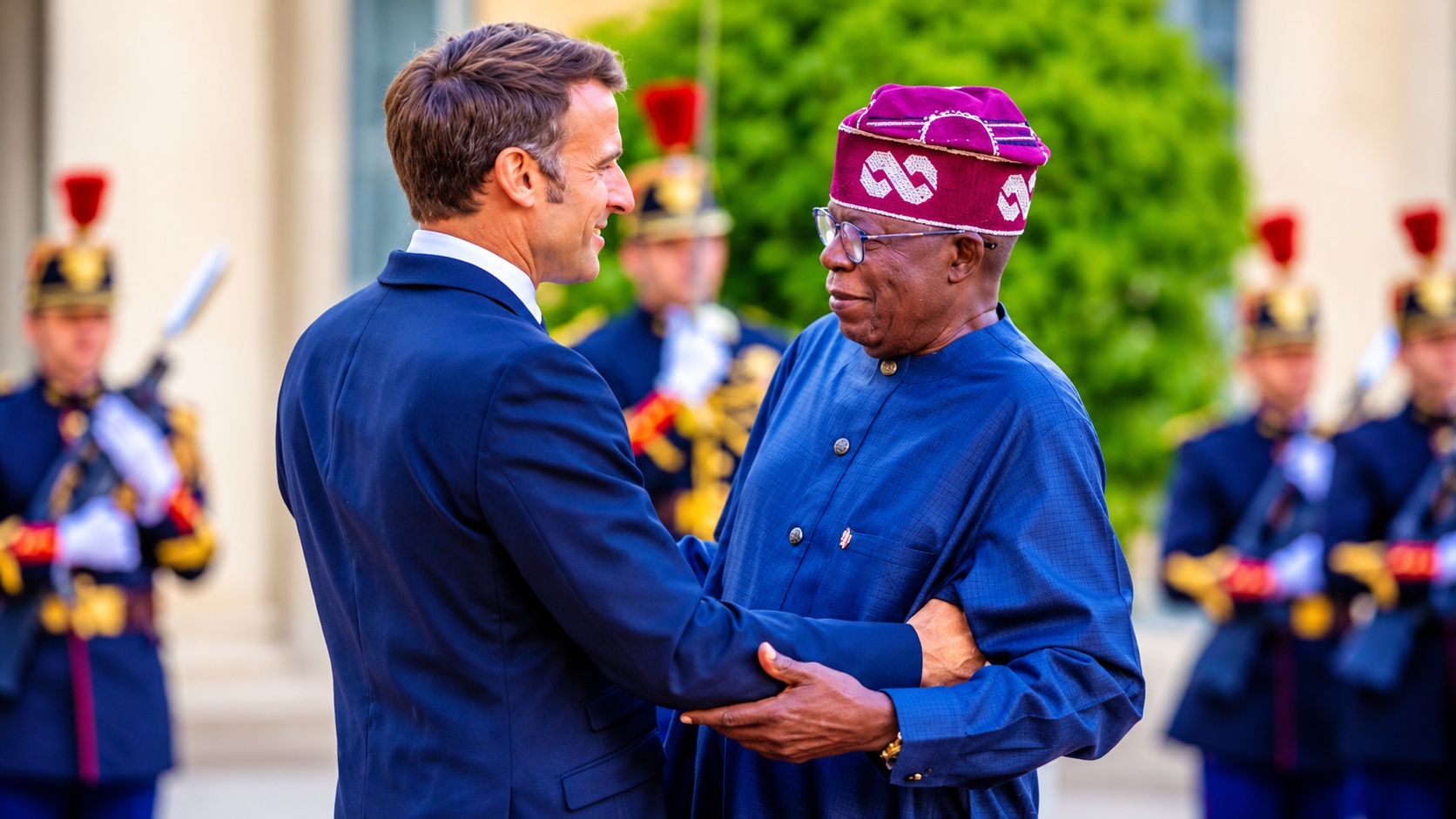
French Investment in Nigeria Expands: Trade Hits $4.7 Billion
French investment in Nigeria is no longer a diplomatic talking point. It is a fast-moving commercial story, with retail, hospitality, logistics, agribusiness and infrastructure all in play. Bilateral trade between the two countries reached $4.7 billion in 2025, and over one hundred French companies operate directly in Nigeria. Here is what the record shows, what the numbers do and do not say, and where the risks sit.
With new capital flowing into retail, hospitality, logistics, agribusiness, infrastructure, technology and energy, French investment in Nigeria is entering one of its strongest periods in recent years. The growing commercial relationship reflects a significant shift from diplomatic engagement toward tangible investment projects, business partnerships and long-term economic cooperation.
Bilateral trade between Nigeria and France reached US$4.7 billion in 2025, while more than 100 French companies now operate across Nigeria. France’s foreign direct investment (FDI) stock in Nigeria also stood at €8.1 billion in 2025, underlining the country’s position as one of France’s most important economic partners in Africa.
The announcements illustrate growing European confidence in Nigeria despite persistent macroeconomic challenges such as inflation, exchange-rate volatility and infrastructure deficits. They also reinforce Nigeria’s position as France’s largest trading partner in Sub-Saharan Africa.
Bilateral Trade Reaches $4.7 Billion
One of the most significant developments is the continued expansion of trade between both countries.
Official figures released during preparations for French Week 2026 showed that bilateral trade between Nigeria and France reached US$4.7 billion in 2025.
Speaking before the event, Laurent Favier, Consul General of France in Lagos, said the relationship has moved beyond diplomatic intentions toward measurable commercial activity driven by governments and the private sector.
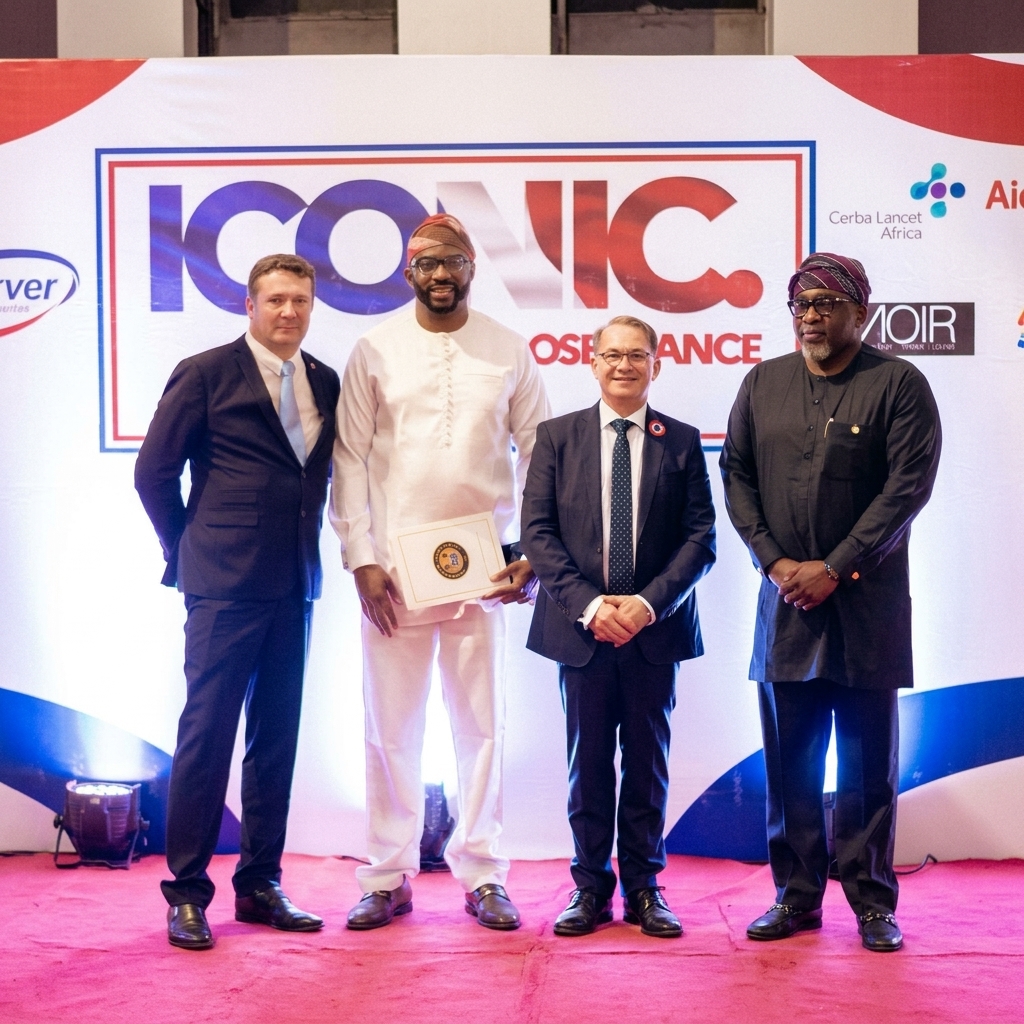
Favier described Nigeria as France’s leading trading partner in Sub-Saharan Africa, highlighting the increasing importance of the Nigerian market for French businesses.
More Than 100 French Companies Now Operate in Nigeria
French businesses already have a substantial presence across the Nigerian economy.
According to Laurent Favier, over 100 French companies currently operate in Nigeria across pharmaceuticals, agriculture, insurance, logistics, transport, infrastructure and hospitality.
Collectively, these companies generate approximately 14,000 direct local jobs, demonstrating that French investment extends beyond capital inflows into employment creation and skills development.
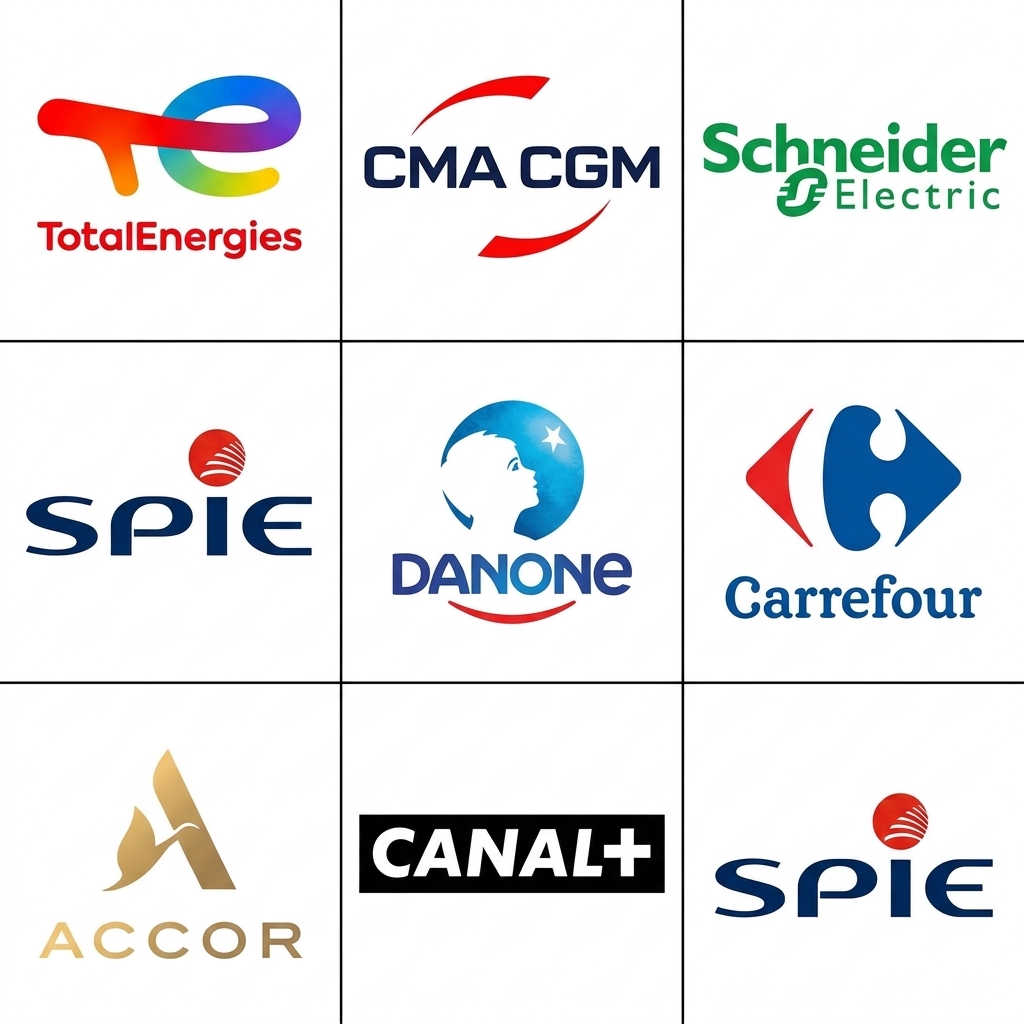
Major French companies expanding or maintaining significant operations in Nigeria include:
These companies represent industries ranging from energy and logistics to retail and hospitality. One of the clearest signs of expanding French investment is the retail sector.
French retail giant Carrefour is increasing its presence in Nigeria’s consumer market, reflecting growing confidence in the country’s long-term consumer spending potential despite current economic pressures.
The expansion also signals that international retailers continue to view Nigeria’s large population and expanding urban middle class as attractive growth opportunities.
Hospitality Sector, Logistics and Infrastructure Continue to Attract French Investors
In hospitality, French hotel group Accor and Shoreline Group agreed to create Nigeria’s first national hotel platform, which the Presidency read as growing confidence in Nigerian hospitality and tourism.
Hospitality has emerged as another major destination for French capital.
Business travel and urban development continue to create demand for modern hospitality infrastructure. Earlier in 2026, President Bola Tinubu welcomed the signing of an agreement between Accor and Shoreline Group to establish Nigeria’s first national hotel platform.
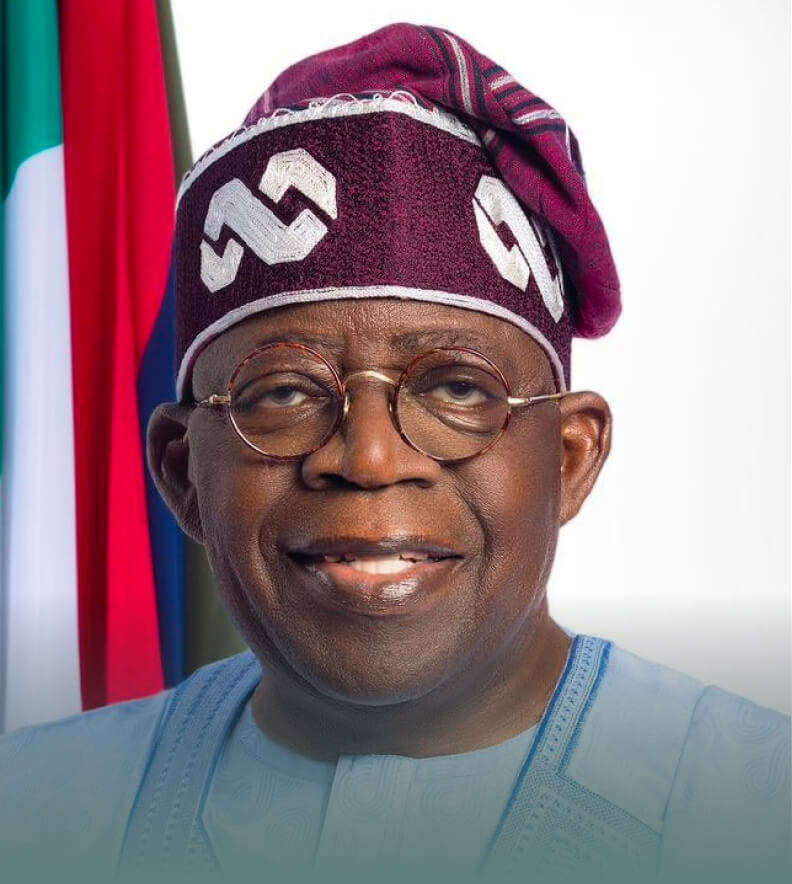
“A major vote of confidence in Nigeria’s hospitality, tourism, services and investment future.”
President Bola Ahmed Tinubu
Infrastructure as well remains one of the strongest pillars of Nigeria-France economic cooperation.
Among the most notable projects is the Gateway Deep Sea Port alongside the Ogun State Blue Marine Special Economic Zone, where agreements were advanced in Paris during President Bola Tinubu’s September 2026 visit to France.
The Lekki Deep Sea Port also represents another important area of French participation. French shipping and logistics company CMA CGM has agreed to operate the container terminal at the port, which features:
A 14-metre draft. An annual handling capacity of approximately 2.5 million TEUs. The project is expected to strengthen Nigeria’s international trade competitiveness while improving logistics efficiency.
Omi Eko Project Will Modernise Lagos Water Transport
In logistics and infrastructure, the Omi Eko project in Lagos, backed by the French Development Agency (AFD) alongside the European Union and the European Investment Bank, is set to bring 75 electric ferries, 25 upgraded terminals and 15 routes covering 140 kilometres.
The project bids to improve water transportation across Lagos while reducing congestion and supporting cleaner urban mobility.
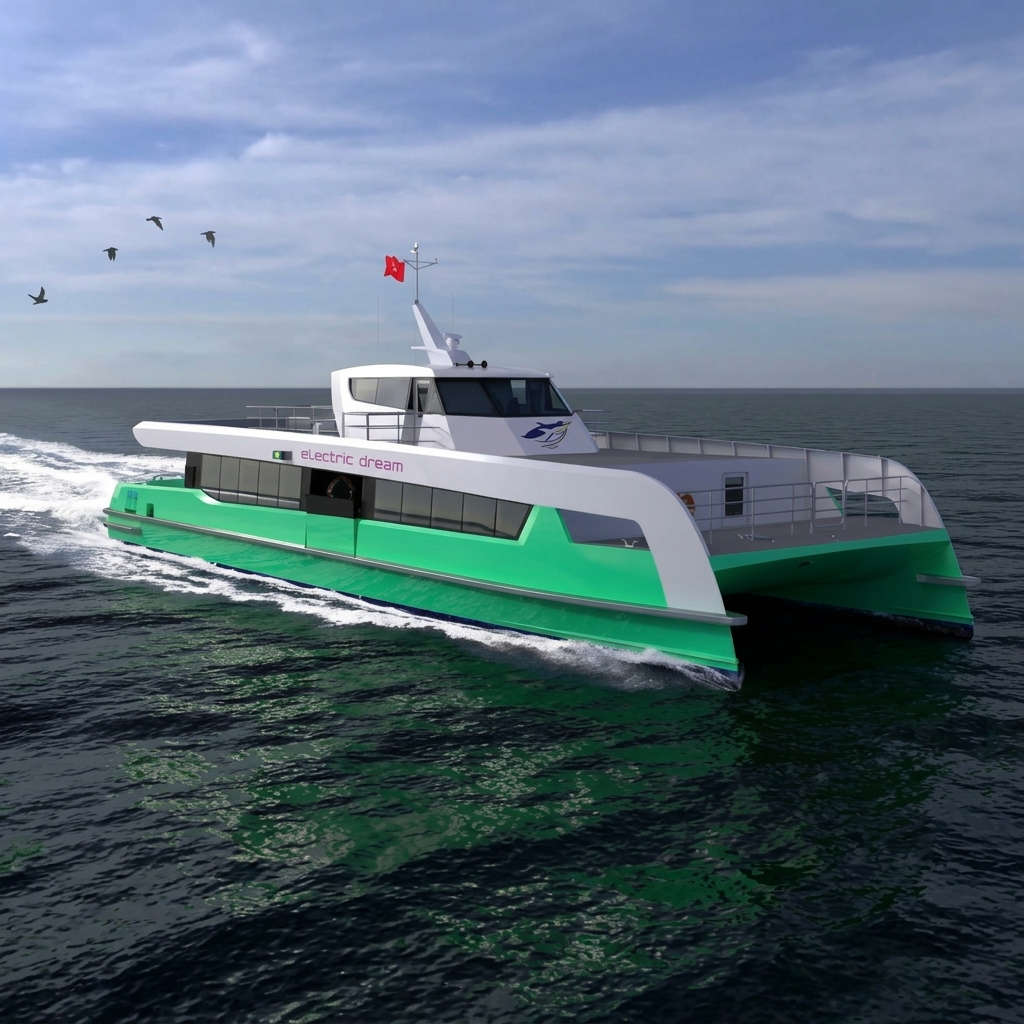
Consul General Laurent Favier said cooperation had gained “remarkable momentum”.
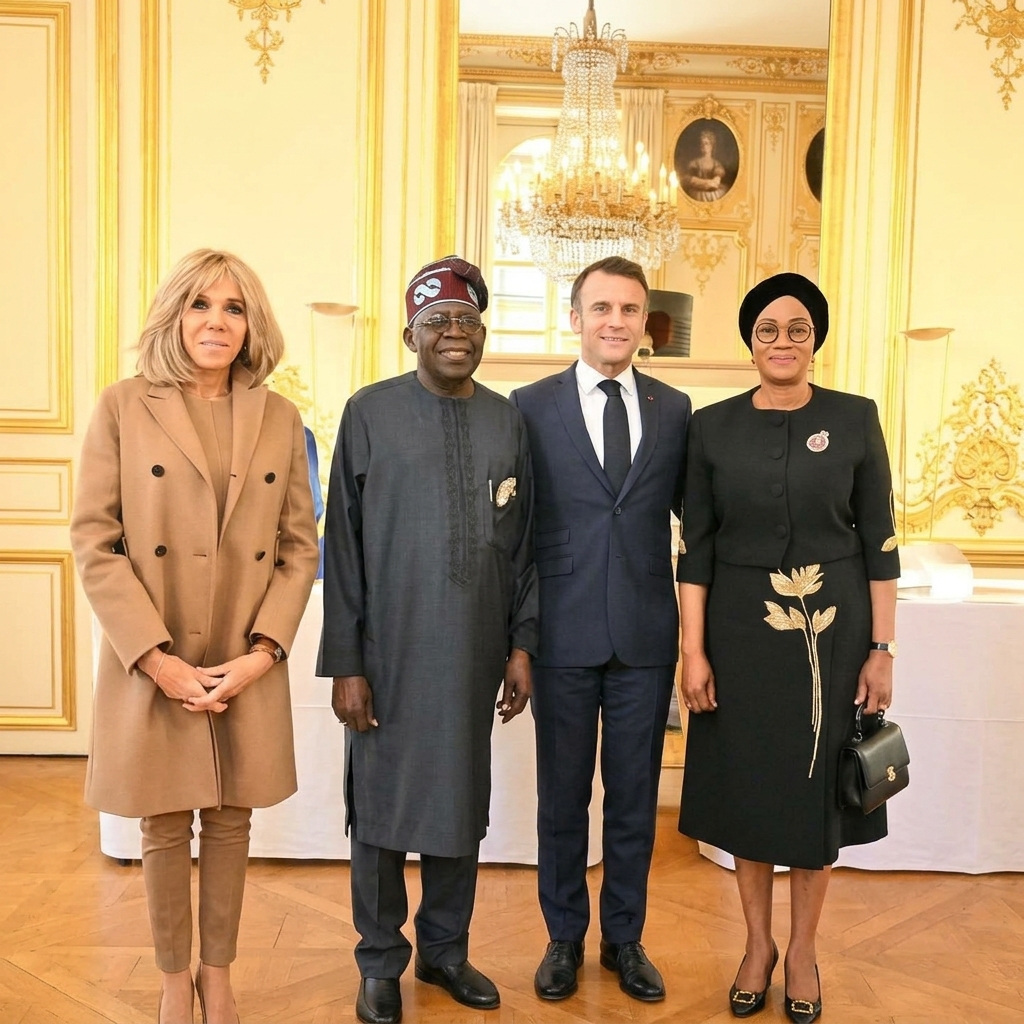
On 18 September, Emmanuel Macron hosted Tinubu for a private dinner at the Élysée Palace. Landmark agreements were pushed forward in Paris in September 2026 with Tinubu present, including partnerships for the Gateway Deep Sea Port and the Ogun State Blue Marine Special Economic Zone.
At the 10th France-Nigeria Business Council meeting, Tinubu said the relationship had moved from dialogue to “serious economic execution”. Attendees included Aliko Dangote, Abdul Samad Rabiu, Tony Elumelu, Patrick Pouyanné of TotalEnergies and Rodolphe Saadé of CMA CGM.
He also met Vincent Bolloré, whose group has interests in Canal+, MultiChoice and Universal Music Group, and that the group confirmed plans to deepen its Nigerian operations in film, entertainment and fibre-optic infrastructure.
Agribusiness Cooperation Is Expanding
In agribusiness, a Franco-Nigerian Agri-Business Club was recently created to help French players invest in agricultural mechanisation, agro-processing and cutting post-harvest losses. Energy remains the anchor. TotalEnergies took a 2024 final investment decision with NNPC on the Ubeta gas field, earmarked to feed Nigeria LNG Train 7.
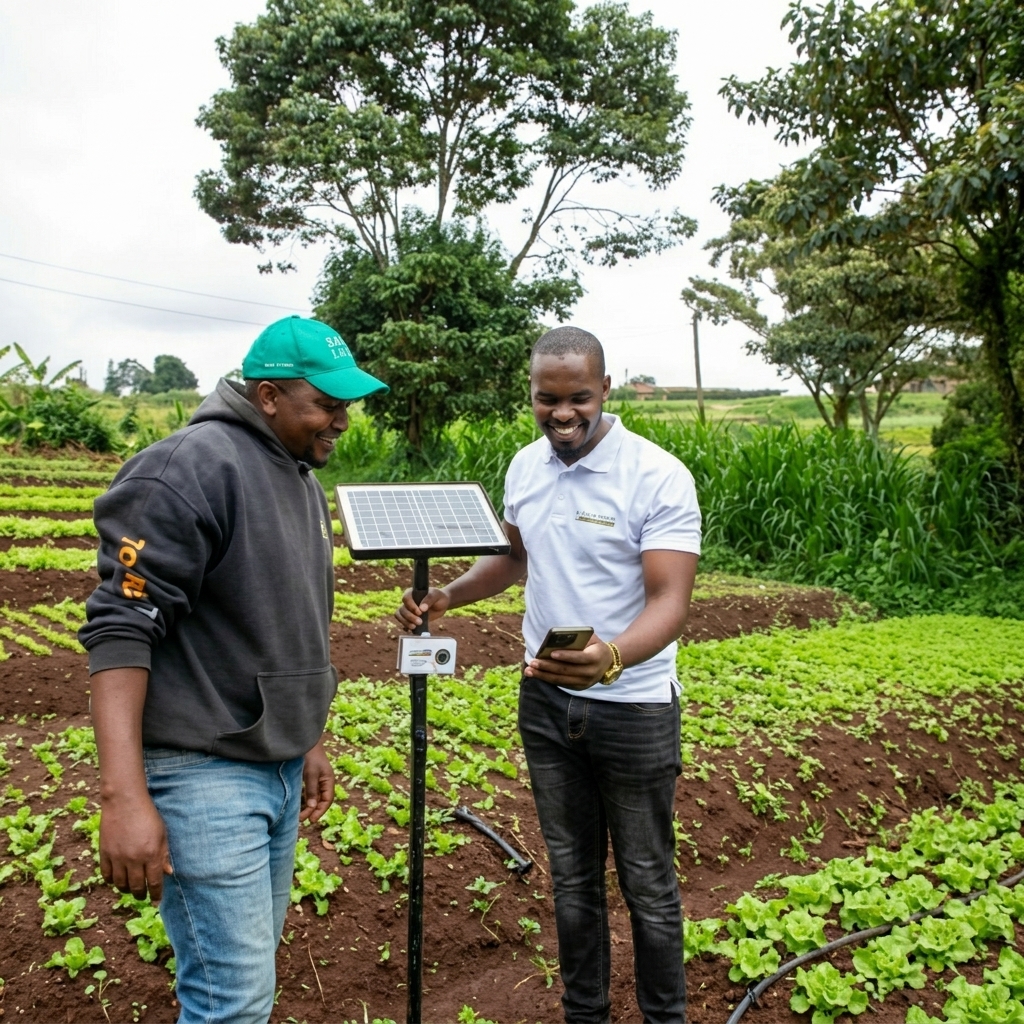
Agriculture is becoming one of the fastest-growing areas of bilateral cooperation.
France and Nigeria recently established the Franco-Nigerian Agri-Business Club, designed to strengthen collaboration across the agricultural value chain.
The initiative seeks to encourage investment in agricultural mechanisation, agro-processing, capacity building, reduction of post-harvest losses and food value chains.
The initiative also aims to help Nigerian agricultural producers gain better access to European markets while encouraging French agribusiness firms to invest locally.
The Money Flows Both Ways
The commercial relationship is increasingly becoming two-way rather than one-directional. The French Consul General notes that most of Nigeria’s biggest banks, including Access Bank, Zenith Bank, UBA and First Bank, are now present in France, with Access Bank opening a French Desk in Paris. Nigerian agribusinesses JR Farms and Babafood have set up there, tech start-up GecX60 has an R&D centre in Blagnac, and Convexity plans its first European office in Paris.
Over 17 years, AFD has supported 57 projects across 23 states with more than €3.3 billion in financing, including over €1.1 billion through its private-sector arm Proparco, and more than one million Nigerians have gained access to safe drinking water through French-backed projects. That groundwork is a big reason French firms feel comfortable committing capital.
He also disclosed that Flour Mills of Nigeria Group has expressed interest in expanding into the French market. Nigeria also participated in the International Agriculture Show in France in 2026, marking its second appearance after participating in 2024.
Financial services are becoming another important bridge between both economies.
According to Laurent Favier, Access Bank has opened a French Desk in Paris, while Zenith Bank, United Bank for Africa and First Bank of Nigeria have established a presence in France.
These developments are expected to facilitate trade finance, investment services and cross-border business transactions.
Technology Cooperation Continues to Grow
Technology is another emerging area of collaboration. French officials disclosed that Nigerian Internet of Things startup GecX60 has established a research and development centre within the Orange Group incubator in Blagnac, France.
Meanwhile, Nigerian blockchain consultancy Convexity is preparing to establish its first European office in Paris. These developments illustrate expanding cooperation beyond traditional sectors into innovation and digital technology.
President Tinubu Says Partnership Has Entered “Execution Phase” during the 10th France–Nigeria Business Council Meeting held on May 13, 2026, President Bola Tinubu described the evolving relationship as entering a new stage.

“Nigeria and France are no longer simply exchanging goodwill. We are opening a new chapter of serious economic execution.”
“We are ready for investment that builds, capital that produces, and enterprise that creates jobs.”
President Bola Ahmed Tinubu
The president also stated that Nigeria would continue implementing reforms designed to improve competitiveness and attract credible investors.
Conclusion
French investment in Nigeria has genuine substance. It is backed by more than 100 companies, 14,000 to 16,000 direct jobs, a French investment stock of €8.1 billion, and high-level deal-making in Paris this September.
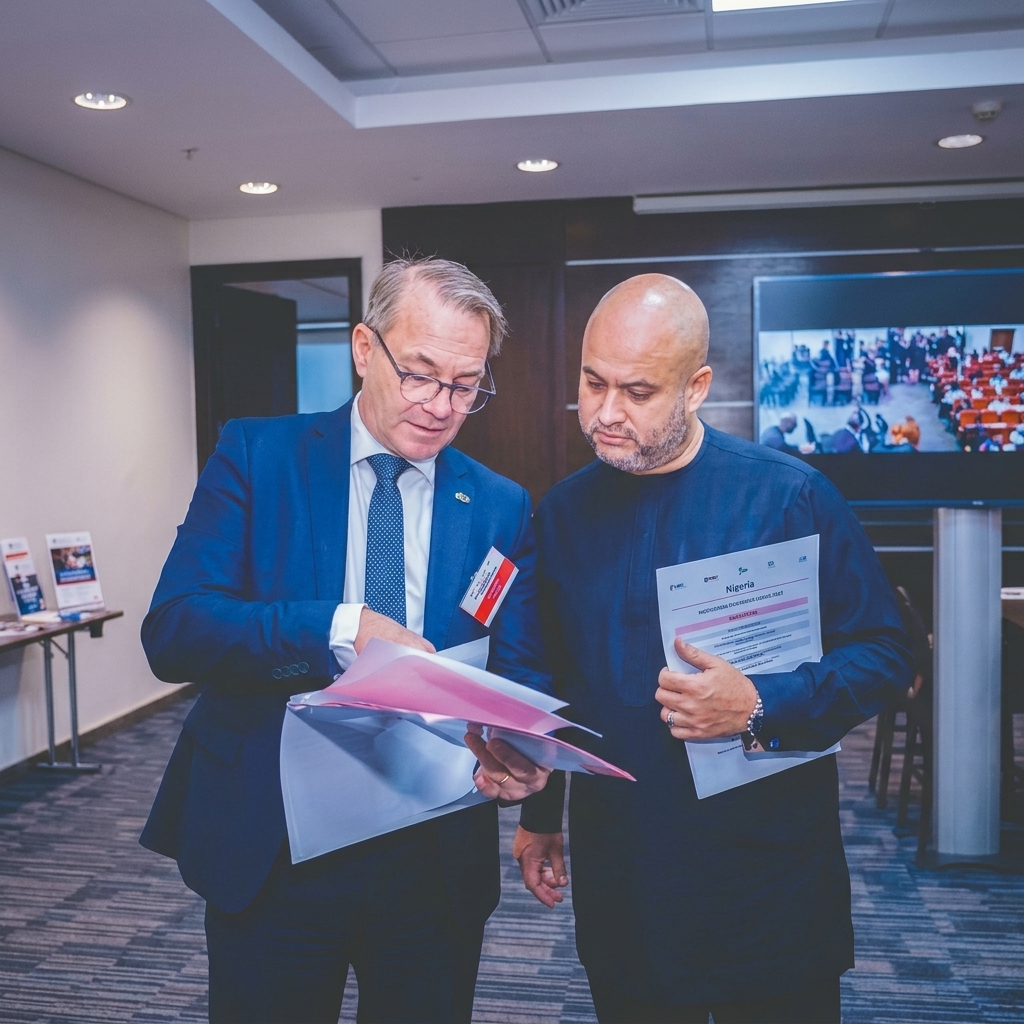
It is also more complicated than the clean $4.7 billion headline suggests. Goods trade actually fell in 2025, the petroleum link is weakening, and the best news now sits in ports, hotels, ferries, farms and media rather than oil alone.
Statements from French officials, the FNCCI and President Bola Tinubu all point to the same conclusion: both countries are seeking to convert diplomatic goodwill into measurable economic outcomes.
The French investment could play an increasingly important role in supporting Nigeria’s economic growth, job creation and integration into global value chains over the coming years, if ongoing reforms continue and announced projects are delivered successfully.
Follow Amebopreneur for the latest on Nigeria’s tech ecosystem, startup funding opportunities, and the cross-border partnerships shaping Africa’s innovation future.
Related Posts
UK Connects 25 Nigerian Tech Startups With Global Investors: Investment Matchmaking Programme Opens New Growth Opportunities
The UK government has connected 25 Nigerian technology startups with 15 investors through a strategic investment matchmaking programme at Moonshot 2026 in Lagos, helping founders access capital, international markets and global partnerships.

Beyond the Hype: How Artificial Intelligence Is Reshaping Work, Learning and Business in Nigeria
Discover how AI is transforming work, education and business in Nigeria, the opportunities it offers, the risks to watch and how to prepare for an AI-driven future.
10 Young Nigerian Startups Win ₦21 Million In Grants: Meet The Entrepreneurs Behind The Ideas
Ten young Nigerian startups win a ₦21 million grant and a Korea trip at the ACE Startup Academy finale. Here are the verified facts.
French Week Nigeria 2026: Lagos to Host Major France-Nigeria Business and Technology Gathering
French Week Nigeria 2026 runs from October 29 to November 6 in Lagos, bringing together over 1,000 executives, diplomats and entrepreneurs for business, technology, energy and agribusiness events.
French Week Nigeria 2026 Opens in Lagos: “One Week, Infinite Opportunity” for Franco-Nigerian Business
French Week Nigeria 2026 runs 29 October to 6 November in Lagos, uniting over 1,000 C-level executives, diplomats, and entrepreneurs for a week of Franco-Nigerian business networking, innovation, and cross-border opportunity.