

Beyond the Yield: Nigeria’s Critical Challenge of Turning Portfolio Interest into Long-Term Investment
Understanding the difference between renewed foreign portfolio interest and the deeper investment commitments Nigeria needs to finance its economic transformation.
Nigeria is drawing international capital again. After years of foreign exchange shortages, capital flight and weak confidence, the reforms that began in 2023 have started to change the story. Foreign exchange liberalisation, tighter monetary policy, the end of fuel subsidies and clearer fiscal signals have brought investors back to Nigerian assets.
The numbers from 2025 make the shift plain. Total capital importation reached $23.22 billion, an 88.5 percent jump from the previous year.
Foreign portfolio investment made up $19.74 billion of that total, roughly 85 percent. Foreign direct investment came in at just $923 million.
Those figures raise a straightforward question. Are investors placing long-term bets on Nigeria’s economic future, or are they mainly chasing attractive yields on government securities and money-market instruments?
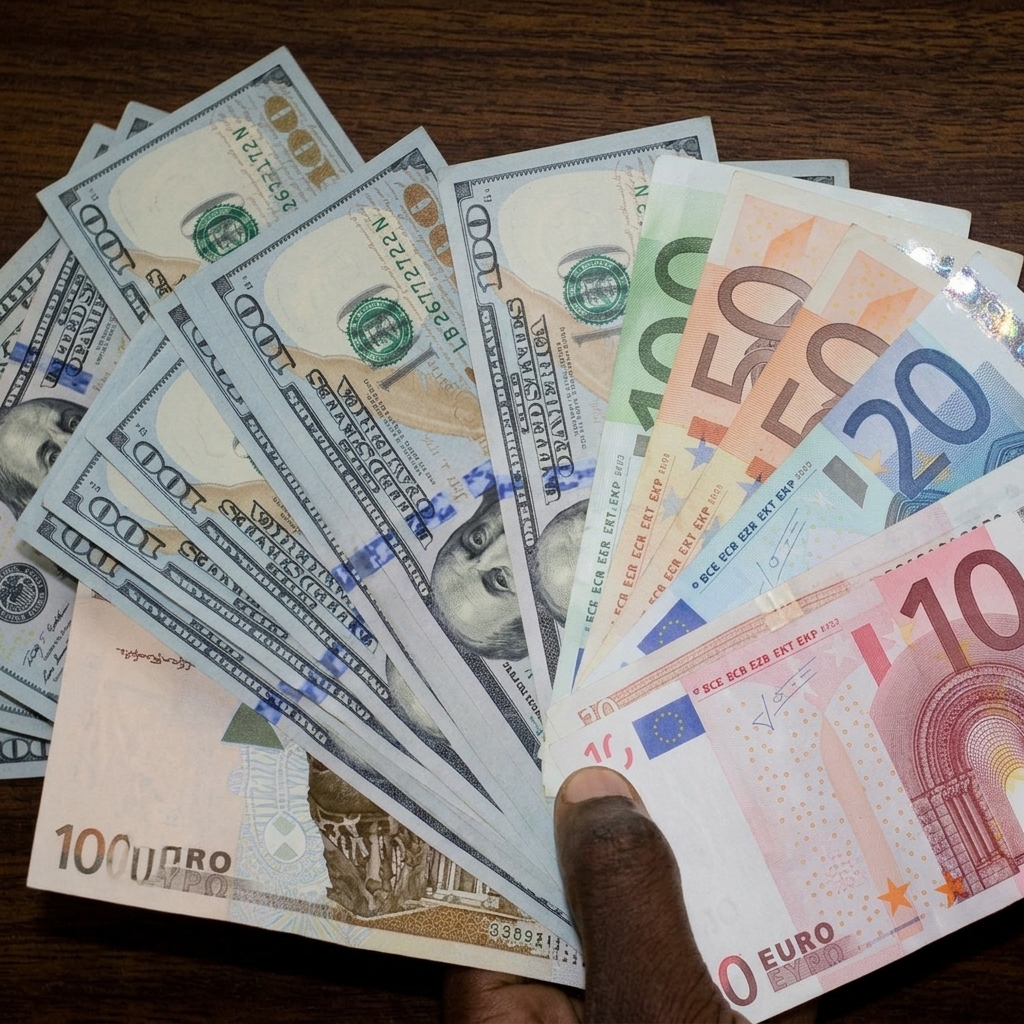
The difference between the two types of capital will shape how much real growth the country can achieve.
Portfolio Money Versus Productive Capital
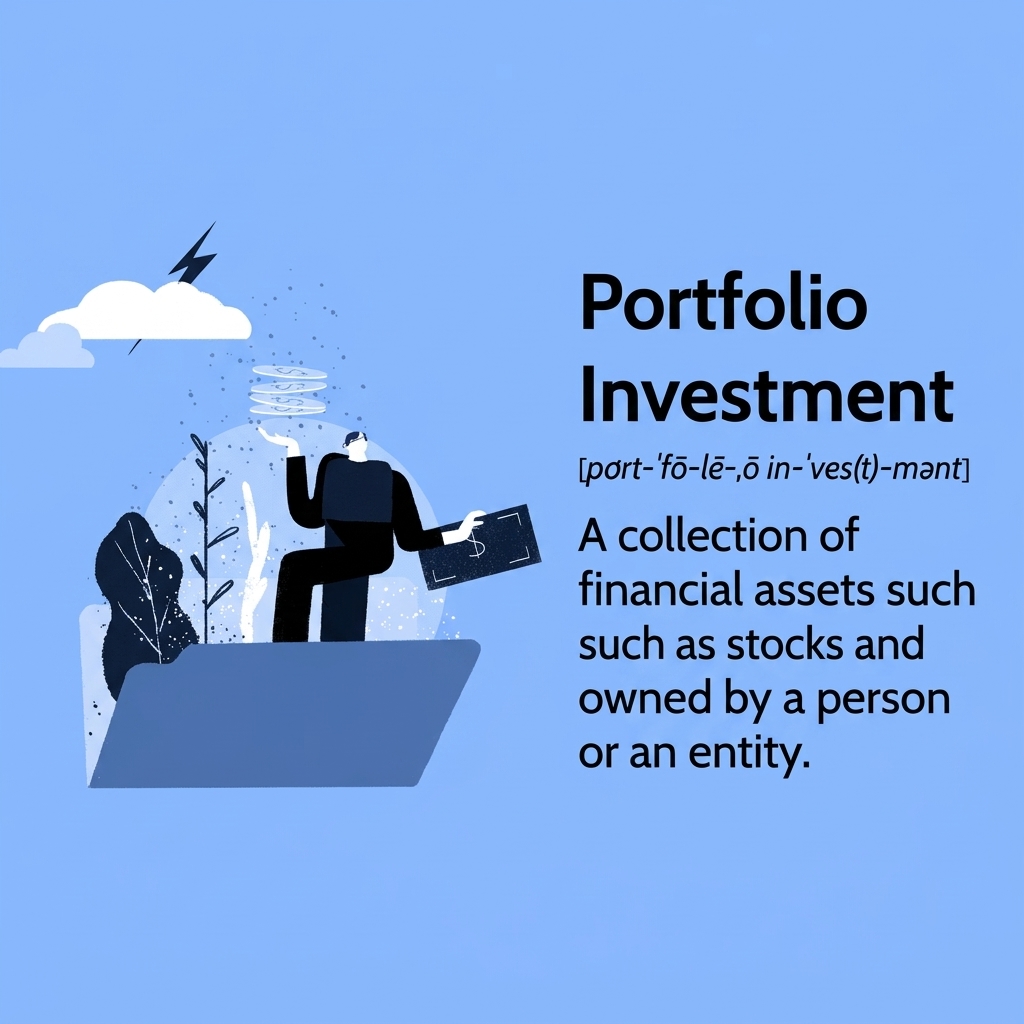
Portfolio investment usually means buying bonds, treasury bills or listed shares. The investor does not take control of a factory, a power plant or a logistics network. Returns come from interest payments, price movements and currency changes. The money can leave almost as quickly as it arrives.
Foreign direct investment works differently. It involves building or expanding factories, energy facilities, technology platforms or large commercial operations. It tends to create jobs, transfer skills, expand local supply chains and stay in the country longer.
Both forms of capital have value. Portfolio flows improve liquidity in the financial system and help the government finance its budget.
Direct investment expands the productive base of the economy. The problem arises when one dominates the other for too long.
In 2025 more than eight out of every ten dollars that entered Nigeria arrived as portfolio capital. The pattern continued into early 2026, with portfolio investment still accounting for the overwhelming majority of inflows. This imbalance is not unique to Nigeria, but it carries clear risks for an economy that needs factories, power plants, agro-processing plants and digital infrastructure.
Why the Money Is Coming Back
Several factors explain the renewed interest. Policy direction has become more predictable. The foreign exchange market functions more transparently than it did three years ago. Interest rates have remained high enough to attract yield-seeking funds from global investors looking for returns above those available in developed markets.
Nigeria also remains a large consumer market with a young population and growing digital activity. These structural features still matter to investors who look beyond the next interest payment.
Yet attractive yields alone do not guarantee lasting commitment. An investor who can earn high returns on Nigerian treasury bills has less immediate need to risk capital on a manufacturing plant that requires reliable power, efficient ports and stable regulation.
The Volatility Risk of Hot Money
Portfolio capital moves fast. A shift in global interest rates, a change in currency expectations or fresh domestic uncertainty can trigger rapid outflows.
Economies that lean too heavily on this type of money often experience sudden stops that disrupt exchange rates, government financing and overall confidence.
The International Monetary Fund’s 2026 Article IV assessment recognised the return of portfolio inflows and the improvement in macroeconomic stability.
At the same time it stressed the need for more predictable foreign exchange arrangements, clearer regulation and better infrastructure if Nigeria wants more durable investment.
The message is practical. Attracting financial capital is progress. Keeping productive capital is the harder and more important task.
What Would Bring Deeper Commitment

Turning short-term interest into long-term investment requires several conditions to improve together.
Macroeconomic stability must feel durable rather than temporary. Investors need to believe that inflation, exchange rates and fiscal policy will not constantly rewrite their projections.
Infrastructure has to work. Reliable electricity, better roads, functioning ports and digital connectivity lower the cost of doing business and make industrial projects viable.
Regulatory consistency matters as much as incentives. Sudden rule changes, slow approvals and unclear enforcement raise the risk premium on any long-term project.
Domestic capital markets also need to deepen. Stronger equity markets, corporate bond markets and specialised financing vehicles can channel both local and foreign savings into real businesses instead of concentrating so much liquidity in government paper.
Finally, the quality of investment should be judged by what it builds. Jobs created, technology transferred, exports expanded and productivity improved remain the clearest measures of success.
Portfolio Flows as a Starting Point, Not the End Goal
Portfolio investment is not the enemy. It can improve market liquidity, support price discovery and introduce international investors to the Nigerian market. Some of those investors may later decide to put money into factories, logistics networks or energy projects once they understand the opportunities better.
That transition does not happen automatically. It depends on whether the broader environment rewards longer commitments. Nigeria must therefore treat the current wave of portfolio interest as an opening, not a destination.
The country needs substantial capital to expand industry, modernise infrastructure, strengthen agriculture, develop energy capacity and grow competitive firms. Government borrowing and short-term inflows can help finance the budget, but they cannot by themselves deliver the productive transformation required.
Initiatives that combine policy reform, risk-sharing instruments and private capital, such as those supported by the World Bank Group, point in the right direction. They aim to make projects in digital infrastructure, agriculture and small-business finance more bankable for private investors.
The Real Measure of Success
Nigeria is once again visible to international investors. Capital importation has risen sharply and foreign participation in the financial markets has returned. These developments deserve recognition.
Yet the composition of the inflows shows that most of the money is still chasing yields rather than building factories, power plants or technology platforms.
Portfolio investment provides liquidity and introduces capital. Long-term investment expands productive capacity, creates jobs and strengthens the real economy.
The opportunity lies in connecting the two. Attracting more foreign money is useful. Creating an environment where investors are willing to leave that money in the country for years is essential.

The strength of an investment destination is not measured only by how much capital arrives. It is measured by how much lasting economic value that capital creates.
Follow Amebopreneur for the latest on Nigeria’s tech ecosystem, startup funding opportunities, and the cross-border partnerships shaping Africa’s innovation future.
Related Posts

French Week 2026: Energy Roundtable Session Explores Nigeria–France Energy Partnership
Nigeria and France are deepening energy ties as industry leaders push for gas expansion, local expertise, cleaner energy and investment opportunities.

Google.org Awards Helium Health $2.5 Million for AI Maternal Healthcare
Google.org has awarded Lagos-based Helium Health a $2.5 million grant to deploy AI-powered maternal healthcare solutions across Nigeria. Learn how the HeliumMum initiative aims to reduce maternal mortality, the states involved, key quotes, dates, facts, and why the project matters for healthcare innovation.

France–Nigeria Agri-Business Summit 2026: Strengthening Partnerships, Investment and Sustainable Growth
The France–Nigeria Agri-Business Summit 2026 brought together investors, industry leaders and innovators to unlock agricultural opportunities, strengthen cross-border partnerships and drive sustainable growth.

French Tech Lagos Summit: Reinforcing the Resilience of the Nigerian Startup Ecosystem
The French Tech Lagos Summit 2026 brought together Nigerian and French tech leaders to explore startup resilience, AI innovation, talent development and cross-border investment opportunities.
French Week 2026: Energy Roundtable Session Explores Nigeria-France Energy Partnership
Nigeria and France are exploring how to turn Nigeria’s vast gas resources into reliable power, unlock energy investments and drive industrial growth.