

French Tech Lagos Summit: Reinforcing the Resilience of the Nigerian Startup Ecosystem
The French Tech Lagos Summit 2026 opened in Lagos on Tuesday, November 3, bringing together technology entrepreneurs, investors, business leaders and representatives of the French and Nigerian business communities to discuss ways of strengthening Nigeria’s startup ecosystem.
Held at the Alliance Française Mike Adenuga Centre, Ikoyi, the summit was organised by French Tech Lagos in partnership with the Franco-Nigerian Chamber of Commerce and Industry (FNCCI), under the theme, “Reinforcing the Resilience of the Nigerian Startup Ecosystem.”
The event provided an opportunity for participants to discuss the challenges facing Nigerian startups, explore opportunities for collaboration between both countries and consider how technology businesses can remain competitive despite economic and operational constraints.
Strengthening France–Nigeria Technology Partnerships
In his opening remarks, President of French Tech Lagos, Yann Gilbert, spoke about the need to strengthen the organisation and build stronger connections between the French and Nigerian technology communities.
He outlined priorities for 2026 and early 2027, encouraging members of both ecosystems to engage more actively and explore opportunities for collaboration.
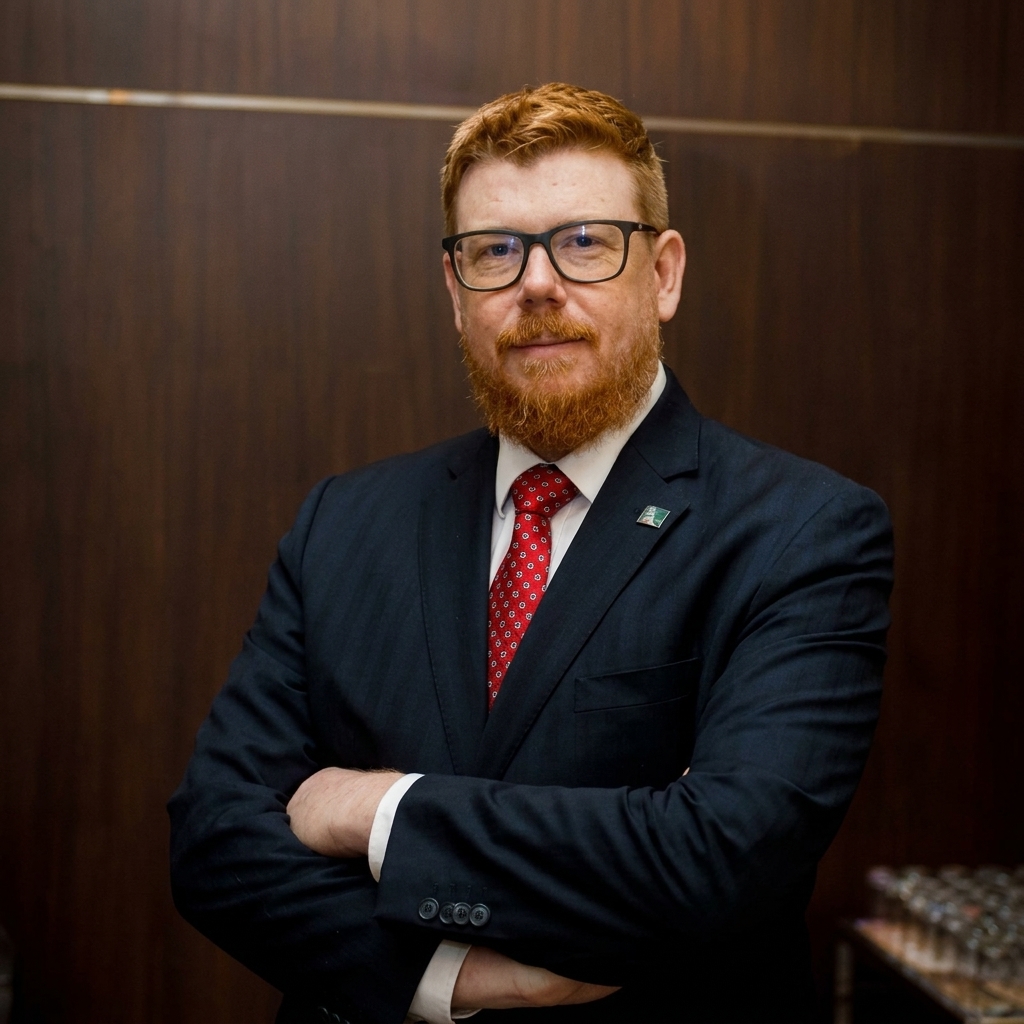
President of FNCCI, Guillaume Niarfeix, highlighted the Chamber’s role in promoting business relationships between France and Nigeria. He noted that the organisation had operated for 50 years and represented more than 500 members. Speaking about the importance of partnerships,
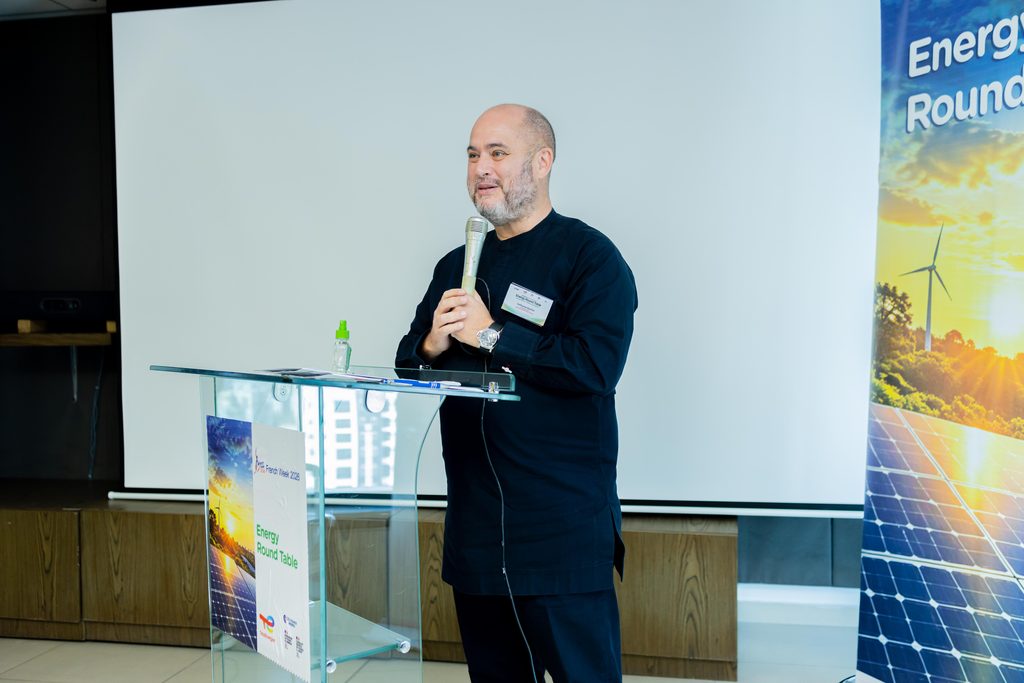
“It is a delight to have tech entrepreneurs in the room.”
Guillaume Niarfeix
He also referred to the Chamber’s previous partnership with TotalEnergies, which brought energy leaders together for the first France–Nigeria Energy Roundtable, describing the summit as another opportunity to build business relationships and support economic growth.
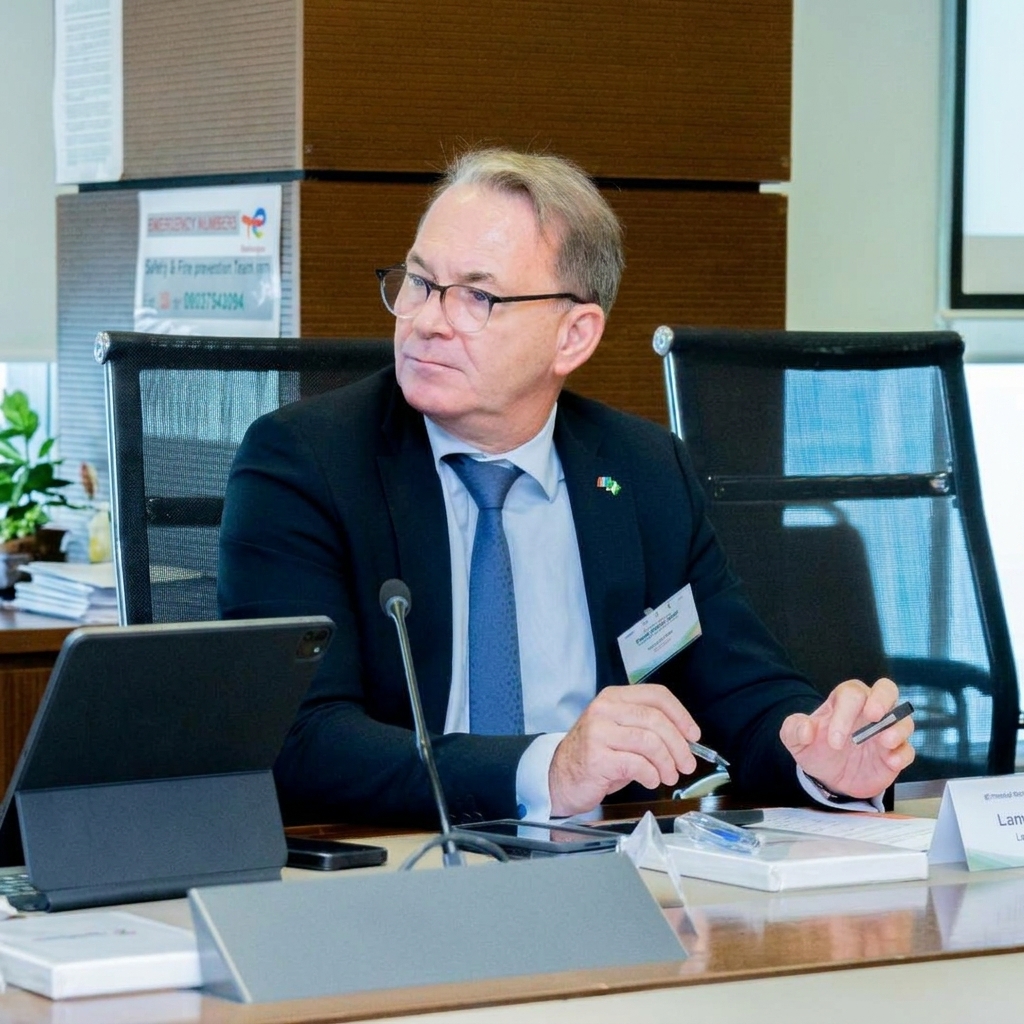
The Consul General of France in Lagos, Laurent Favier, also emphasised the importance of investment, human capital development, reliable digital infrastructure and international partnerships in building a resilient startup ecosystem.
He reaffirmed France’s commitment to supporting Nigeria’s digital economy through collaboration, skills development and investment.
The opening session was followed by the Nigerian launch of the Africa Forward Community, an initiative of Bpifrance, France’s public investment bank.
The platform is designed to connect entrepreneurs, investors, businesses and other ecosystem operators across France and Africa, creating opportunities for networking, partnerships and investment.
The launch featured a discussion titled “France–Nigeria: Building Bridges Between Tech Ecosystems to Unlock Innovation and Investment.”
The session brought together Ann Mareme Atayie, Senior International Institutions Manager at Bpifrance; Samira Hamidi, Board Member of French Tech Lagos and Country Manager at Digital Virgo; Dotun Olowoporoku, Partner at Ventures Platform; and Abiodun Dominic, Co-founder of Friends of Nigeria.
The discussion explored how stronger connections between both technology ecosystems could support innovation, encourage investment and create opportunities for businesses operating in Nigeria and France.
Building Resilient and Competitive Engineering Teams
Another major session at the summit focused on the challenges of building and retaining engineering teams in Nigeria’s technology sector.
The panel, titled “Growing Under Constraints: How Nigerian Tech Startups Build Resilient and Competitive Engineering Teams,” was moderated by Emmanuel Paul of Business Front.
The panel featured Bayo Puddicombe, Vice President of Engineering at Qore; Gbolahan Salami, Senior Vice President at Wakanow Nigeria; Cheryl Omini, Strategic Client Partner for West Africa at Andela; Charles Emembolu, Co-founder and Director of TechQuest; and Tito Cookey-Gam, Principal at Partech Africa.
Discussions centred on talent recruitment, staff retention, compensation, technical training and the growing influence of artificial intelligence on engineering work.
The speakers agreed that Nigerian startups face difficulties competing for experienced engineers, particularly when international companies can offer higher salaries. However, they noted that the challenge goes beyond recruitment, as companies also need to invest in developing and retaining the talent already available.
Omini spoke about the importance of training and reskilling, explaining that employers should consider developing existing staff rather than relying entirely on external recruitment. She also advised early-stage startups with limited resources to begin with a small team of experienced engineers and expand as the business grows.
The discussion also examined how artificial intelligence is changing the way engineering teams work. While AI tools can make product development faster, the panelists stressed that technical knowledge, proper supervision and human judgement remain important.
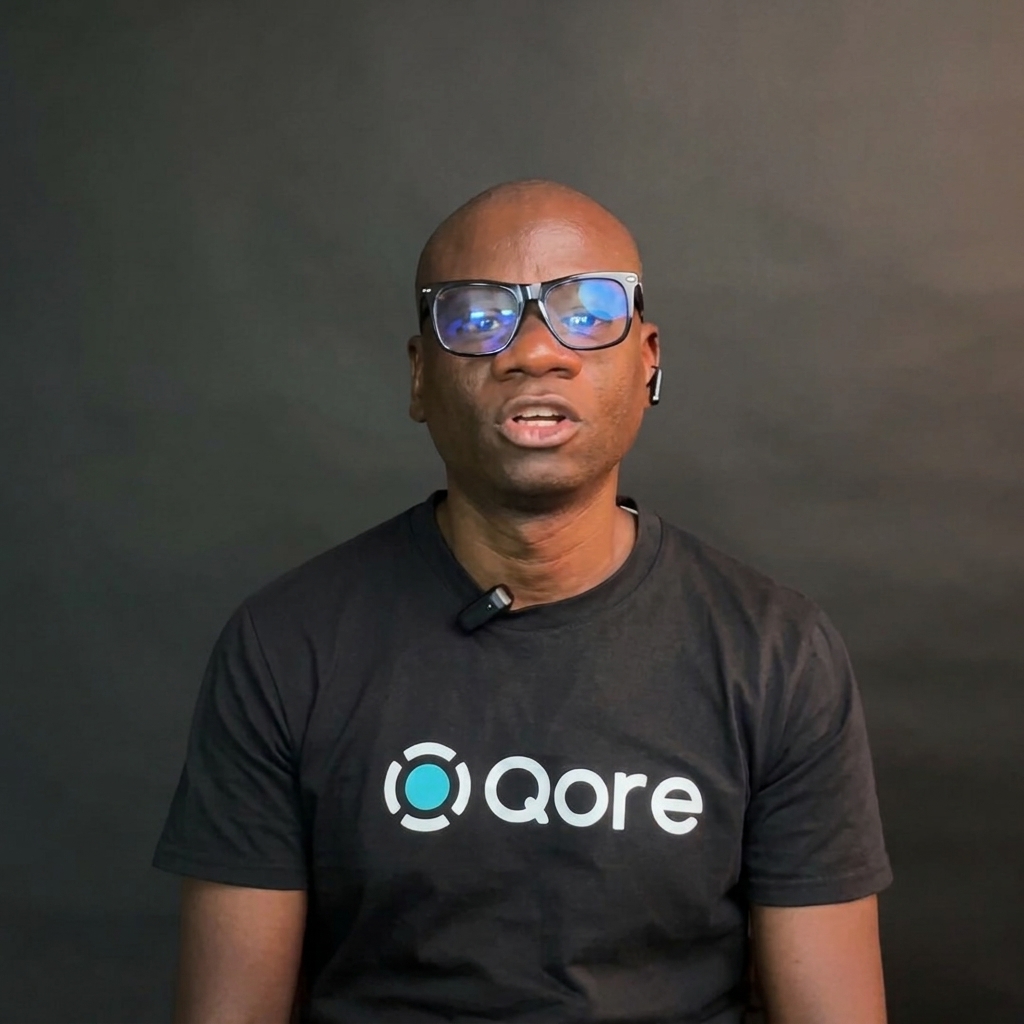
Puddicombe cautioned against relying entirely on AI-generated code, particularly when developing products that handle sensitive information or financial transactions.
He explained that engineers still need to understand the systems they build and ensure that applications are properly reviewed before deployment.
Other speakers highlighted the importance of practical technology education, university partnerships and internships in addressing the talent gap.
They also encouraged startups to balance the need for competitive compensation with responsible financial management.
The panel concluded that building a strong technology workforce requires cooperation between startups, educational institutions, government and the private sector.
AI and Web3 Challenge, Awards and Closing
The summit also featured an AI and Web3 Developer Challenge, which brought together developers from Nigeria, Ghana and Côte d’Ivoire to develop technology-based solutions to a household savings challenge.
The participants presented platforms designed to help couples and families manage shared savings goals, monitor individual contributions and track their financial progress. Some of the solutions incorporated MetaMask wallets, blockchain transactions and artificial intelligence tools to provide insights into spending patterns and savings habits.
The presentations were assessed by a jury comprising Mr Shehu, Lead Engineer at Yellow Card; Roland Bello, Vice President at Paga Engine; Mr Joshua, Chief Technology Officer at Ascend; Mr Mohamed, Head of Zebos; and Samira Hamidi, Country Director at Digital Virgo and Board Member of French Tech Lagos.
Following the presentations and evaluation, Chukwudi David emerged as the overall winner of the challenge. Noah Adeleye was announced as the first runner-up, while Joseph came third as the second runner-up.
The organisers also acknowledged the support of their partners, including Baobab Microfinance Bank through its Jollof Plus platform, Air France and the Franco-Nigerian Chamber of Commerce and Industry. The Chamber announced a contribution of ₦500,000 towards supporting the first and second runners-up in the challenge. Air France also offered a return ticket to France as part of its support for the initiative.
During the closing ceremony, Laura Marie, Delegate to the Head of the Regional Economic Department, thanked the speakers, panelists, jury members and participants for their contributions to the summit. She also acknowledged the commitment of the French Tech community, Africa Forward Community, the Franco-Nigerian Chamber of Commerce and Industry and Friends of Nigeria in making the event a success.
She further recognised the sponsors, including Air France, Baobab, Accenture and JAF Funds, for their support.
Reflecting on the day’s discussions, Marie highlighted the importance of developing talent in a rapidly changing technological environment and described global thinking and partnerships as important ways of strengthening the technology ecosystem.
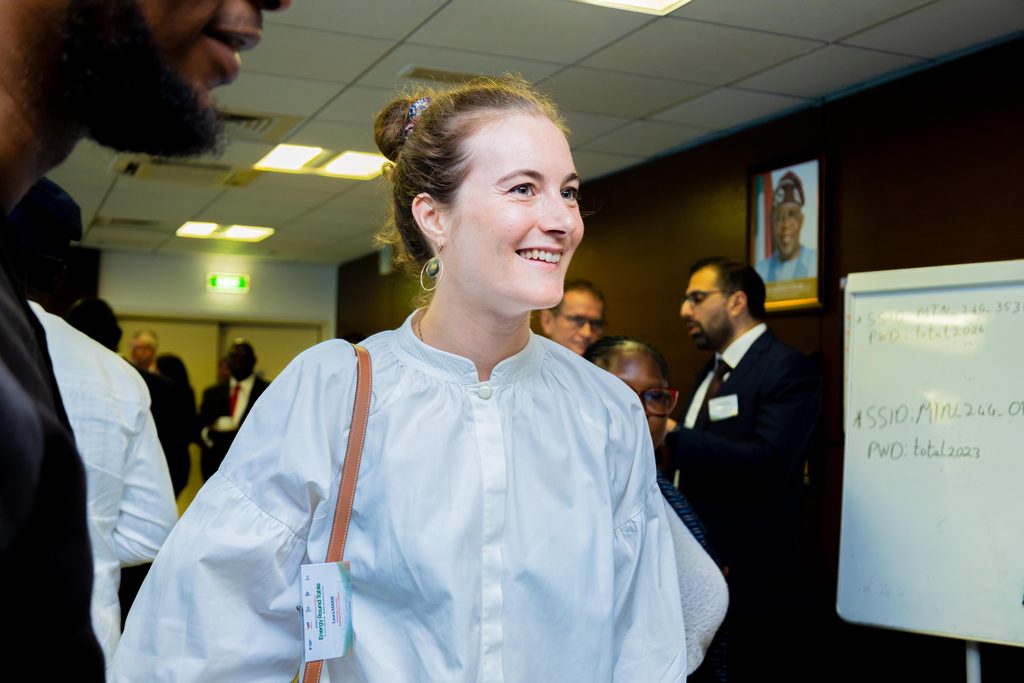
“Our priority is really to turn this connection into concrete partnerships between French and Nigerian companies,” she
Laura Marie
She also outlined France’s strengths in technology, pointing to its network of incubators, including Station F, the French Tech network, research institutions and universities. She noted that France has expertise in areas such as artificial intelligence, cybersecurity and cloud technology, as well as funding opportunities that could benefit Nigerian partners.
According to her, France and Nigeria have complementary strengths, while platforms such as Africa Forward Community and French Tech Lagos provide opportunities to connect both ecosystems.
Marie also commended the developers who participated in the AI and Web3 Challenge, noting that their presentations demonstrated Nigeria’s talent and capacity for innovation. She congratulated the finalists and encouraged participants to maintain the connections established during the summit and turn their exchanged ideas into practical initiatives.
Conclusion
The French Tech Lagos Summit 2026 brought together key players in the French and Nigerian technology communities to discuss practical ways of strengthening startups, developing talent and encouraging investment. Through its discussions, partnerships and developer challenge, the summit highlighted the importance of collaboration and continued support in building a more resilient Nigerian startup ecosystem.
Follow Amebopreneur for the latest on Nigeria’s tech ecosystem, startup funding opportunities, and the cross-border partnerships shaping Africa’s innovation future.
Related Posts
French Week 2026: Energy Roundtable Session Explores Nigeria-France Energy Partnership
Nigeria and France are exploring how to turn Nigeria’s vast gas resources into reliable power, unlock energy investments and drive industrial growth.

Nigeria’s Credit Ratings: From Fragile to Credible – What the Upgrades Really Mean
Nigeria’s credit rating upgrades signal renewed investor confidence after major economic reforms. Discover what changed, what it means for businesses and investors, and what lies ahead.
Havelsan and DICON Sign Landmark $2.5 Billion Nigeria Defence MoU Technology Cooperation Agreement at AFRIDEX 2026
Turkish defence technology company Havelsan and Nigeria’s Defence Industries Corporation (DICON) have signed a technology cooperation agreement at AFRIDEX 2026. Discover what the partnership covers, why it matters for Nigeria’s defence technology sector, and what it could mean for local innovation and industrial growth.
UK Connects 25 Nigerian Tech Startups With Global Investors: Investment Matchmaking Programme Opens New Growth Opportunities
The UK government has connected 25 Nigerian technology startups with 15 investors through a strategic investment matchmaking programme at Moonshot 2026 in Lagos, helping founders access capital, international markets and global partnerships.
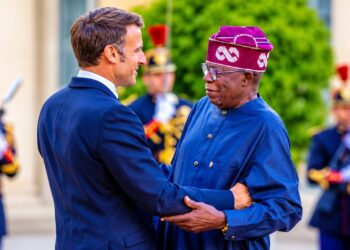
French Investment in Nigeria Expands: Trade Hits $4.7 Billion
French investment in Nigeria is gaining momentum as bilateral trade reaches $4.7 billion and more than 100 French companies expand across retail, hospitality, logistics, agribusiness and infrastructure. Discover the latest facts, projects, dates and what they mean for Nigeria’s economy.