

Economics of an Election Year: Why the Parallel Market Gap Matters More Than the Official Rate
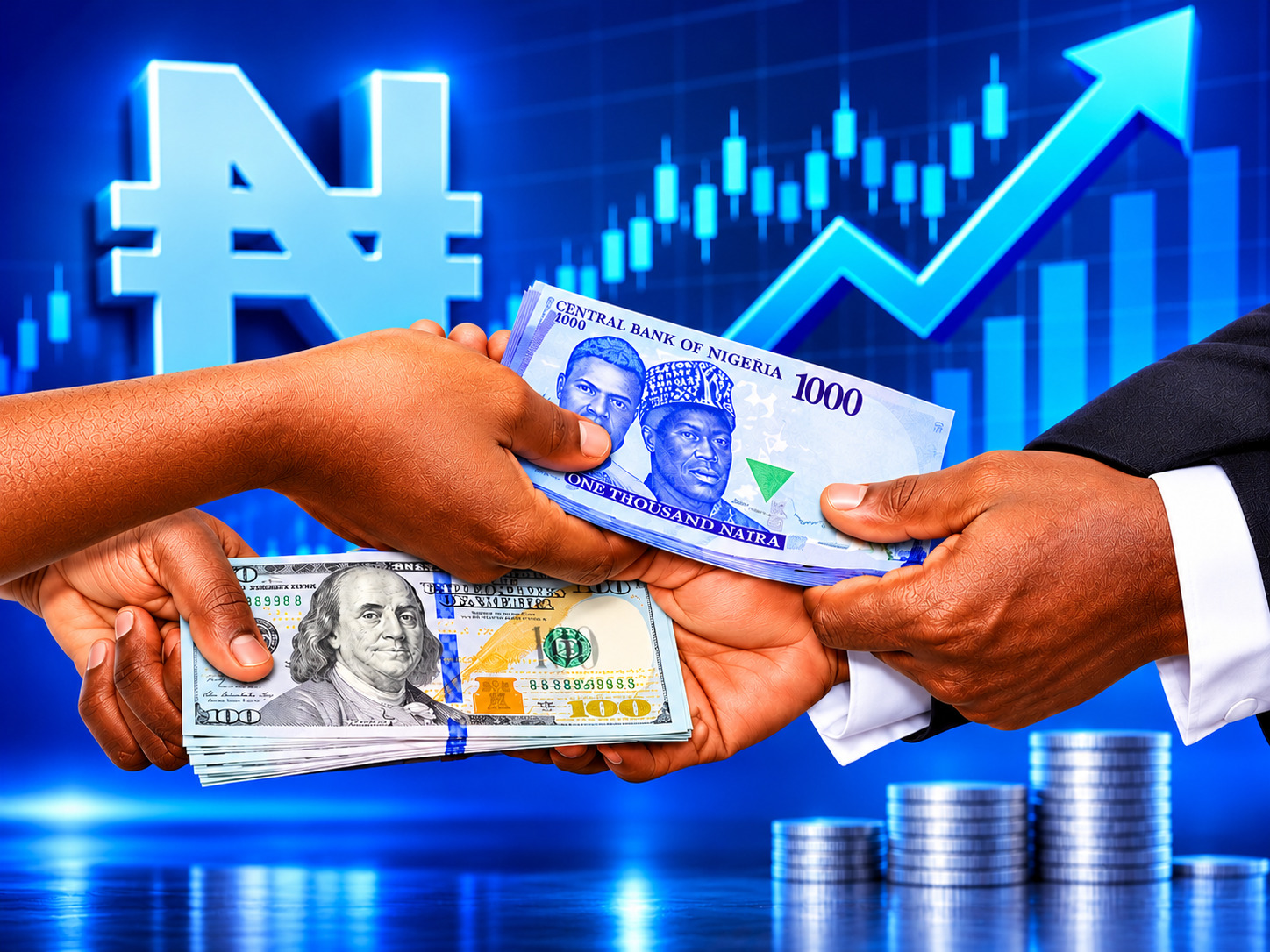
The dollar is trading between ₦1,445 and ₦1,470 on the parallel market. The official rate sits near ₦1,350 to ₦1,363. That gap of roughly ₦100 or more is the widest in months. It is not noise. It is one of the clearest early indicators of the economics of an election year.
A stable official rate with a stretching parallel premium is not evidence of calm. It is evidence that demand is rising faster than the official window can absorb it. Seasonal factors play a role. Festive demand, year-end settlements and import payments always increase pressure in November and December. But election cycles add another layer. Campaign logistics, political financing and heightened uncertainty tend to increase the demand for dollars at the same time that some investors grow more cautious about holding naira assets.
The Central Bank still has tools. Reserves remain significantly higher than a year ago. Oil production and pipeline activity have improved. Portfolio inflows have been supportive for much of the year because domestic yields remain attractive relative to global rates.
The recent coordination agreement between the CBN and NNPC on foreign-exchange inflows is a practical attempt to make oil dollars more predictable. These are real sources of strength.
Yet the composition of capital inflows remains a vulnerability.

The bulk of recent inflows has been portfolio money rather than long-term foreign direct investment. Portfolio capital can exit quickly when uncertainty rises. Long-horizon investors in manufacturing, infrastructure and energy are more sensitive to policy continuity across an election. When the parallel market starts to pull away, it often reflects that difference in confidence.

Businesses feel the gap first. Importers and manufacturers who cannot access official dollars at scale pay the street rate. Their costs rise. Pricing power is limited. Investment decisions get deferred.
The option value of waiting increases when no one is certain what the currency or the policy environment will look like after the votes are counted. This does not mean investment disappears. It means some of it is postponed. For an economy that needs faster industrialisation, deferred capital expenditure has a measurable cost.
Election spending itself adds pressure. Large political outlays, much of it poorly tracked, inject liquidity and create additional foreign-exchange demand. The parallel market registers that demand earlier and more honestly than the official window. History shows that the premium tends to widen in the months before general elections and can take time to normalise afterward.
None of this makes a collapse inevitable. The CBN has intervened before and can do so again. Improved oil inflows and a still-attractive interest rate differential give the authorities more firepower than they had in previous cycles. Disinflation, if sustained, could also reduce the incentive for domestic agents to chase dollars as a store of value.
The real question is not whether the official rate can be held for another few weeks. It is whether the parallel gap can be kept from becoming a self-reinforcing signal of stress as political activity intensifies.
A widening premium raises the cost of doing business, complicates inflation management and tests the credibility of the reforms that have stabilised the market so far.
The parallel market is not the only measure of economic health. But it is a useful one.
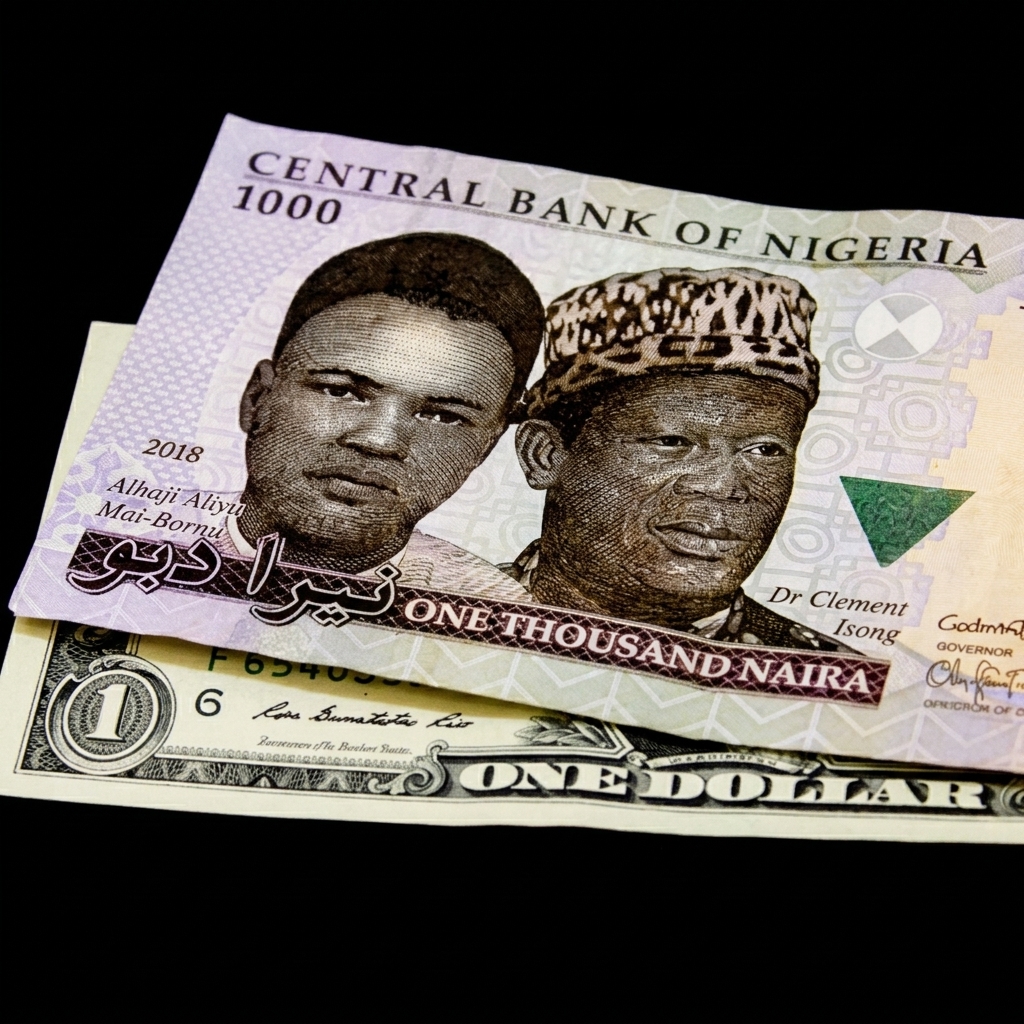
When the gap stays wide, it tells you that the official numbers are not yet telling the full story. In an election year, that gap deserves closer attention than optimistic headlines about the official rate alone.
Follow Amebopreneur for the latest on Nigeria’s tech ecosystem, startup funding opportunities, and the cross-border partnerships shaping Africa’s innovation future.
Related Posts

PEBEC Intensifies Drive to Eliminate Bottlenecks in Nigeria’s Business Sector
PEBEC is stepping up reforms to cut bureaucracy, eliminate business bottlenecks and make operating in Nigeria faster, easier and less costly.

Airtel Foundation ₦100 million Technology Scholarship For Undergraduates: Everything Nigerian Students Must Know Before December 24
Airtel Foundation opens its ₦100 million tech scholarship for Nigerian undergraduates. See who qualifies, what you get, and the December 3, 2026 deadline.
UAC Nigeria’s Revenue Jumps 228% to ₦523bn as C.H.I. Acquisition Expands Business
UAC Nigeria’s revenue surged 228% to ₦523bn as the C.H.I. acquisition boosts growth, strengthens its food portfolio and reshapes its business.
Economics of an Election Year: What 2027 Means for Nigeria’s Markets, Investors and Businesses
How will Nigeria’s 2027 elections shape investor confidence, capital flows, stock market performance and business growth? The economic stakes are higher than ever.

Nestlé Nigeria Records 52% Growth in Nine-Month Profit Before Tax to ₦193.9bn
Nestlé Nigeria’s profit before tax surged 51.5% to ₦193.9bn as revenue grew and finance costs declined, marking another major step in its financial recovery.