

Nestlé Nigeria Records 52% Growth in Nine-Month Profit Before Tax to ₦193.9bn
Nestlé Nigeria Plc has reported a 51.5 per cent increase in profit before tax to ₦193.88 billion for the nine months ended September 30, 2026, compared with ₦127.96 billion recorded in the corresponding period of 2025, as improved operating performance and lower net finance costs supported its earnings.
The company’s revenue also increased by 10.4 per cent to ₦976.53 billion from ₦884.54 billion in the previous year, reflecting continued demand for its food and beverage products despite prevailing cost pressures in the operating environment.
The results, contained in the company’s unaudited financial statements filed with the Nigerian Exchange on October 29, 2026, showed that profit after tax rose by 42.6 per cent to ₦103.37 billion, compared with ₦72.48 billion recorded in the same period of 2025.
The performance represents further progress in the company’s recovery following the financial difficulties experienced during previous periods, particularly those associated with foreign exchange losses, which reached ₦290.7 billion in 2024, and rising financing costs.
Improved Revenue And Operating Performance
A breakdown of the financial results showed that Nestlé Nigeria’s gross profit increased by 20.2 per cent to ₦392.86 billion from ₦326.88 billion in the corresponding period of 2025.
The increase came as the company’s cost of sales rose at a slower rate than revenue, growing by approximately 4.7 per cent to ₦583.67 billion from ₦557.66 billion.
This supported an improvement in gross profit margin, which increased to approximately 40.2 per cent from 37 per cent in the previous year.
Operating profit also recorded growth, rising by 14.8 per cent to ₦208.21 billion from ₦181.34 billion.
However, marketing and distribution expenses increased by 32.8 per cent to ₦148.39 billion from ₦111.76 billion, reflecting higher spending associated with product promotion and distribution. Administrative expenses also increased by 7.2 per cent to ₦37.24 billion from about ₦34.74 billion.
Despite these increases, the growth in gross profit supported the company’s operating performance.
Lower Finance Costs Support Profit Growth
One of the major contributors to Nestlé Nigeria’s improved profit before tax was the reduction in its net finance costs.
The company’s net finance costs declined by approximately 73.2 per cent to ₦14.33 billion from ₦53.39 billion in the corresponding period of 2025.
This improvement was supported by higher finance income, which increased to ₦37.14 billion from ₦1.79 billion in the previous year. Foreign exchange translation gains on foreign currency-denominated balances accounted for almost all of this increase.
The company recorded approximately ₦35.34 billion in net exchange gains during the nine-month period. Finance costs also declined to ₦51.47 billion from ₦55.17 billion, further reducing the pressure on earnings.
The improvement in finance costs is significant because it shows that the company’s profit growth was supported not only by increased sales and operating performance but also by a lower financing burden and changes in foreign exchange valuations.
However, the contribution from foreign exchange translation gains is worth monitoring, as such gains depend partly on movements in exchange rates and may not be repeated at the same level in subsequent reporting periods.
Profit before tax of ₦193.88 billion and profit after tax of ₦103.37 billion imply an effective tax rate of about 47 per cent.
Equity Position Strengthens
Nestlé Nigeria also recorded an improvement in its financial position during the period, with shareholders’ equity rising to ₦116.27 billion as of September 30, 2026, from ₦12.89 billion at the end of December 2025.
The increase reflects the company’s improved profitability and a significant reduction in accumulated losses.
Profitability has remained an important focus for the company following the financial challenges associated with currency depreciation and foreign exchange exposures in previous years.
Nevertheless, the company’s financial position will continue to depend on its ability to sustain earnings, manage financing costs and maintain sufficient cash flow to support its operations.
Management Highlights Continued Recovery
Commenting on the results, Wassim Elhusseini, Chief Executive Officer and Managing Director of Nestlé Nigeria Plc, said the company had recorded its eighth consecutive quarter of profitability since returning to profit in the fourth quarter of 2024.
He attributed the performance to the resilience of the company’s brands, disciplined execution and the commitment of its employees.
Elhusseini also highlighted the company’s intention to sustain profitable growth through product innovation, improved operational efficiency, stronger margin management and targeted investments.
According to him, Nestlé Nigeria will continue to focus on strengthening its relationship with consumers while improving efficiency across its value chain.

The company also intends to maintain investments in its workforce and support the communities where it operates, while responding to changes in the economic and business environment.
Parent Fees And Corporate Changes
Nestlé Nigeria is 70.81 per cent owned by Société des Produits Nestlé SA of Switzerland. According to Nairametrics’ analysis of company filings, it charged ₦34.8 billion in general licence fees over the nine months, up from ₦32.3 billion a year earlier.
The company also plans to move its waters and premium beverages business into a new company. The move needs regulatory approvals, and its effect on future results is not yet known.
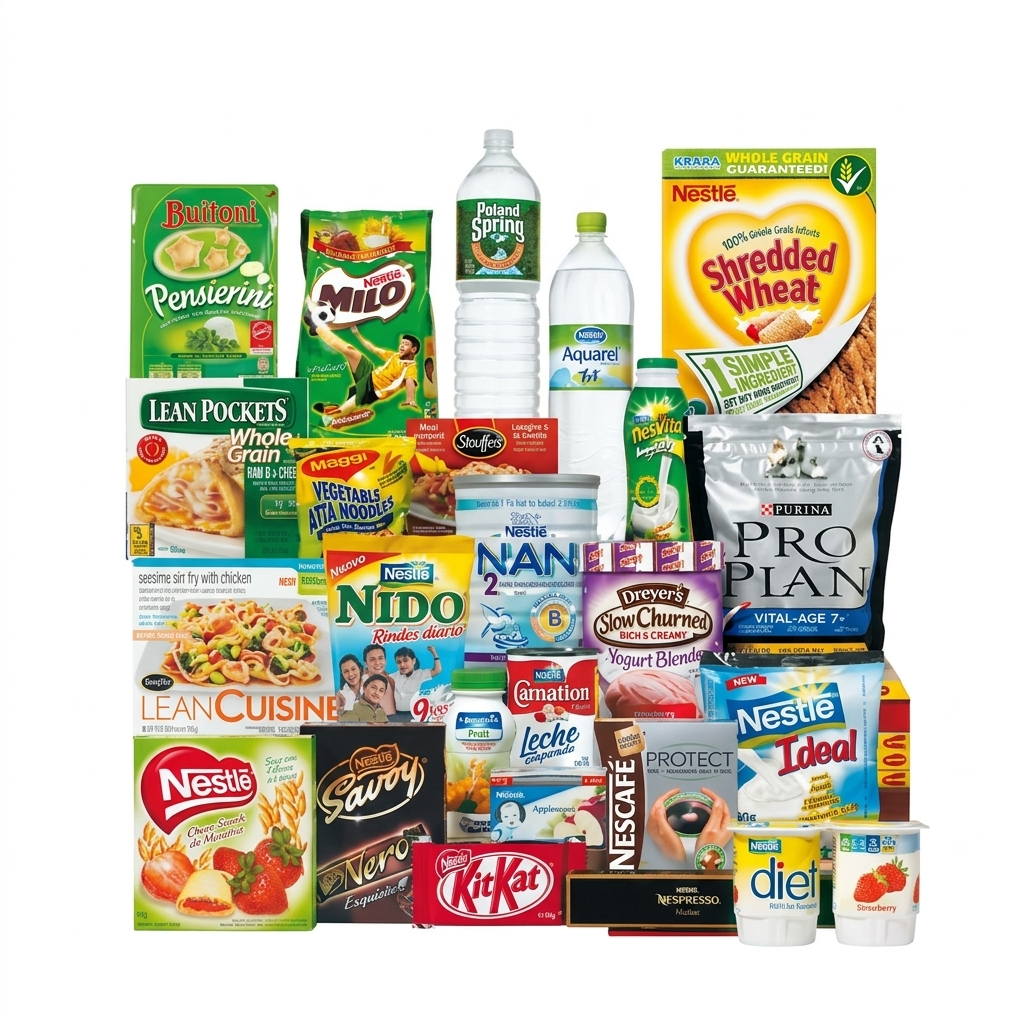
Nestlé Nigeria operates in Nigeria’s food and beverage industry, with products across several categories, including food seasoning, dairy, beverages, cereals and bottled water. Its portfolio includes MAGGI, MILO, GOLDEN MORN, CERELAC, NESCAFÉ, NIDO and NESTLÉ PURE LIFE.
Its latest financial performance suggests that the business is making progress in strengthening its earnings position after previous periods of financial pressure.
However, sustaining the improvement will require continued attention to production costs, distribution expenses, foreign exchange exposure and consumer purchasing power.
The increase in marketing and distribution expenses also shows that maintaining product visibility and market demand comes with additional costs, making effective expense management important to future profitability.
Conclusion
Nestlé Nigeria’s nine-month results highlight a period of improved financial performance, supported by revenue growth, stronger operating profit and a significant reduction in net finance costs. Profit before tax rose 51.5 per cent and profit after tax rose 42.6 per cent.
Sustaining this performance will depend on the company’s ability to maintain revenue growth, improve operational efficiency and manage its financing obligations as it works towards achieving sustainable profitability.
Follow Amebopreneur for the latest on Nigeria’s tech ecosystem, startup funding opportunities, and the cross-border partnerships shaping Africa’s innovation future.
Related Posts
France–Nigeria Agri-Business Summit 2026: Strengthening Partnerships, Investment and Sustainable Growth
France and Nigeria are deepening agricultural ties through strategic investments, innovation and partnerships, unlocking new opportunities for agribusiness growth and global trade.

OPay Withdraws Planned US IPO: What Does It Mean for the Fintech’s Growth Plans?
OPay’s $304 million US IPO was withdrawn just hours after pricing, raising questions about regulatory scrutiny, investor confidence and the fintech’s next growth move.

Beyond Traditional Savings: The Smart Path More Nigerians Are Taking Toward Real Wealth Creation
As inflation erodes the value of idle cash, more Nigerians are looking beyond traditional savings to smarter investment options that build lasting wealth.

French Week 2026: Reinforcing the Resilience of the Nigerian Startup Ecosystem
How can Nigerian startups survive, scale and compete globally? French Tech Summit 2026 explored investment, AI, talent development and international partnerships shaping the future of Nigeria’s startup ecosystem.

Maltina at 50: Why Nigerian Breweries Is Giving the Brand a New Look
After 50 years, Maltina is getting a golden makeover. Discover why Nigerian Breweries is refreshing the iconic brand while keeping its familiar taste and heritage alive.