


Nigeria Leads West Africa in M&A Deal Count in 2026, but Deal Values Slump
Nigeria’s corporate sector has seen a steady run of acquisitions, divestments and ownership changes in 2026, spanning fintech, telecoms, agriculture, energy and manufacturing. The headline numbers, however, point to a more cautious market.
Volume Holds, Value Slumps
DealMakers Africa’s first-half 2026 report recorded 39 transactions in Nigeria, about 71 per cent of the 55 deals in West Africa, making it the region’s most active market by volume.
The disclosed value told a different story. Nigeria’s came to roughly $105.8 million, down 88.9 per cent year on year, and Kenya, at $1.44 billion, overtook it as Africa’s leading market by value outside South Africa. Kenya did so with only 25 deals, driven by a few large transactions, including Nedbank’s $855 million stake in NCBA.
West Africa’s disclosed value fell 72.1 per cent to $537.61 million, although deal count slipped only from 59 to 55. Private equity weakened too, with 24 regional deals worth $108.45 million against 31 worth $397 million a year earlier. Across Africa excluding South Africa, value fell 10 per cent and volume about 13 per cent. Even so,
Fintech Buys Capabilities
In January, Flutterwave announced an all-stock acquisition of open-banking startup Mono, reportedly valued at $25 million to $40 million. Mono’s bank-linking technology extends Flutterwave beyond payment collections and payouts, and Mono continues to operate independently.
Paystack also acquired Ladder Microfinance Bank in January, rebranding it Paystack MFB to gain a regulated banking arm.

In March, Moniepoint bought restaurant-management platform Orda Africa for an undisclosed sum, folding it into its Moniebook business suite. It was reported as the fourth major acquisition in Nigeria’s startup ecosystem this year.
Agriculture And Manufacturing
In mid-November, Sunbeth Treenuts and Sesame Limited completed its purchase of UAC of Nigeria’s 73.29 per cent stake in Livestock Feeds Plc for ₦19.5 billion, about $14.4 million, paid in cash at ₦8.85 a share. The deal followed regulatory approval and ends UAC’s ownership, which began in 2013.
Five new directors joined the Livestock Feeds board, and Sunbeth intends to combine its sourcing of soybeans and other feed ingredients with the company’s factories and distribution network.
In February, Helios Investment Partners completed its acquisition of Frigoglass’s Nigerian glass business for €98.1 million, taking indirect control of Beta Glass Plc and Frigoglass Industries Nigeria Limited.
Telecoms And Energy
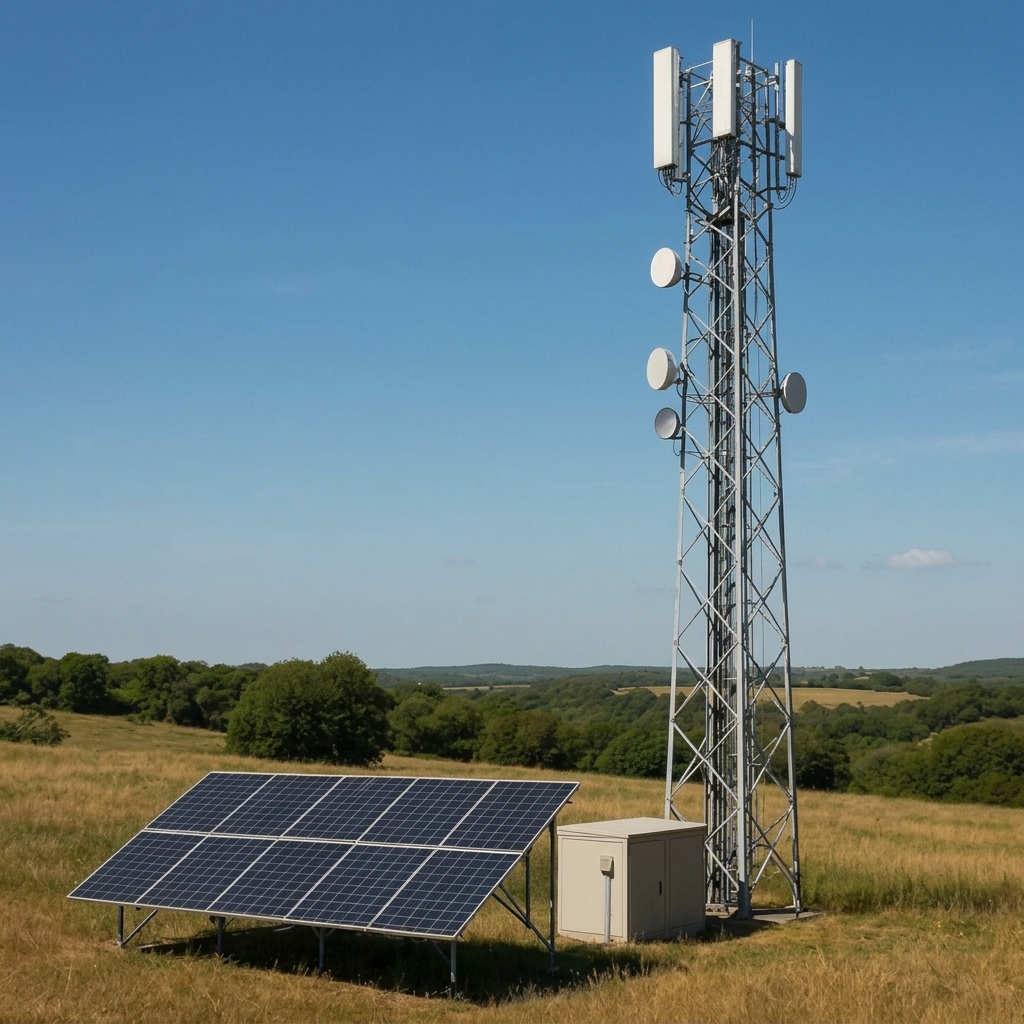
The year’s largest proposal is MTN Group’s plan, announced on 17 February, to buy the roughly 75 per cent of IHS Holding it does not already own at $8.50 per share. The deal values IHS at about $6.2 billion, with around $2.2 billion payable for the outstanding shares. IHS operates about 29,000 towers across Africa, around 18,000 of them in Nigeria.
Shareholders approved the deal in August, and the Federal Competition and Consumer Protection Commission’s clearance includes a proposed sell-down of up to 30 per cent of the Nigerian business to local investors. Some approvals remain outstanding, and MTN is targeting completion in 2026.
MTN Nigeria has also announced a ₦152.06 billion restructuring, selling 60 per cent stakes in MoMo Payment Service Bank and Y’ello Digital Financial Services to MTN Group while keeping 40 per cent. Separately, Legend Internet and Spectranet have announced a merger expected to create an internet provider with a combined market capitalisation of about ₦80 billion, subject to regulatory approval.
In energy, TotalEnergies completed the $800 million sale of its 10 per cent non-operated interest in the Renaissance Joint Venture to Vaaris Energy on 27 October. Eni has also completed the sale of a subsidiary holding a 5 per cent stake in the venture to Apex Global Energy, while Shell has agreed to sell Shell Nigeria Gas to Vaaris, pending approval. Together, they show indigenous buyers taking over assets once held by international oil companies.
What Is Driving The Deals
Acquisitions give buyers immediate access to customers, infrastructure, technology and distribution that could take years to build, and divestments such as UAC’s and TotalEnergies’ show companies pruning portfolios.

Technology is another driver: fintechs are expanding from single payment services into broader financial ecosystems, while diversification lets companies enter adjacent sectors and reduce reliance on one revenue source.
Banking was a notable exception. Despite the Central Bank of Nigeria’s 31 March recapitalisation deadline, most lenders raised fresh equity, about ₦4.65 trillion in total, rather than merge. Investors elsewhere are also more selective amid geopolitical uncertainty, weighing strategic value and financing more closely.
Completion depends on more than price. Depending on size and sector, deals may need approval from the FCCPC, the Securities and Exchange Commission and the Nigerian Exchange. MTN–IHS, Legend–Spectranet and Shell’s gas sale all still await clearance.
Conclusion
Nigeria’s 2026 dealmaking shows strong corporate appetite, from Flutterwave’s open-banking push and Sunbeth’s move into animal feed to MTN’s proposed IHS takeover and local buyers’ purchases of oil assets. Yet the 88.9 per cent fall in disclosed value, and Kenya’s rise past Nigeria, show how heavily totals depend on a few large deals. Whether pending transactions close and deliver stronger businesses will be the real test.
Follow Amebopreneur for the latest on Nigeria’s tech ecosystem, startup funding opportunities, and the cross-border partnerships shaping Africa’s innovation future.
Related Posts
NSIA Deepens Role as Catalytic Investor Across Health, Energy and Innovation
NSIA is driving Nigeria’s long-term growth with bold investments in healthcare, renewable energy, infrastructure and homegrown innovation.
Nigeria’s Largest Listed Firms Increase Capital Spending by 42.48% to ₦3.41 Trillion as Investment Expands
Nigeria’s biggest listed companies raised capital spending by 42.48% to ₦3.41 trillion, signalling a major investment push across telecoms, cement and energy.
Who Gets the Money? Inside AfDB’s $102 Million Bet on Nigerian Businesses and Farmers
AfDB’s $102 million funding package targets 200 Nigerian businesses, 5,000 farmers and 6,000 jobs. Find out who qualifies and where the money goes.
PEBEC Intensifies Drive to Eliminate Bottlenecks in Nigeria’s Business Sector
PEBEC is stepping up reforms to cut bureaucracy, eliminate business bottlenecks and make operating in Nigeria faster, easier and less costly.
Economics of an Election Year: Why the Parallel Market Gap Matters More Than the Official Rate
Nigeria’s widening dollar gap may be signalling more than currency pressure. Discover why election spending, investor confidence and political uncertainty could test naira stability.