

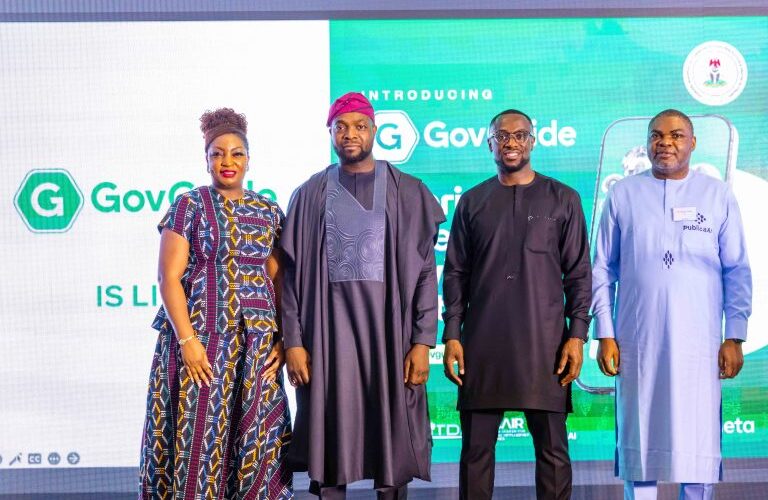
AI-Powered GovGuide Nigeria Officially Launches
A Huge Leap In Nigerian E-Governance
Nigeria has launched a new artificial intelligence-powered chatbot to assist citizens in accessing government information and services, marking one of the country’s largest public sector AI projects to date. Meta collaborated with the Federal Ministry of Communications, Innovation, and Digital Economy (FMCIDE), the National Centre for Artificial Intelligence and Robotics (NCAIR), and local AI business Publica AI to create GovGuide Nigeria.
The platform, which was announced recently during the presentation of Meta’s Economic Impact report in Nigeria, employs Meta’s open-source Llama AI models to give government service information via a multilingual voice and text interface on the web.
The announcement also highlights Meta’s broader effort to broaden the reach of its open-source AI models into emerging countries, particularly Africa. Its No Language Left Behind (NLLB-200) methodology now handles over 50 African languages, nearly double the coverage provided by most traditional translation systems.
Nigeria has officially entered a new age of artificial intelligence-driven public service delivery with this debut of GovGuide Nigeria. In a country where bureaucratic delays, unclear government processes, and limited accessibility have irritated individuals for decades, GovGuide has the potential to be a huge solution that reshapes how Nigerians interact with government institutions.
What exactly Is The GovGuide Nigeria?
GovGuide Nigeria is an advanced multilingual AI chatbot platform designed to give Nigerians quick, easy, and conversational access to government information and services.
Unlike traditional government portals, which are often difficult to browse, GovGuide employs artificial intelligence and conversational technologies to assist users in quickly finding answers, understanding procedures, and connecting with services from numerous ministries, departments, and agencies.
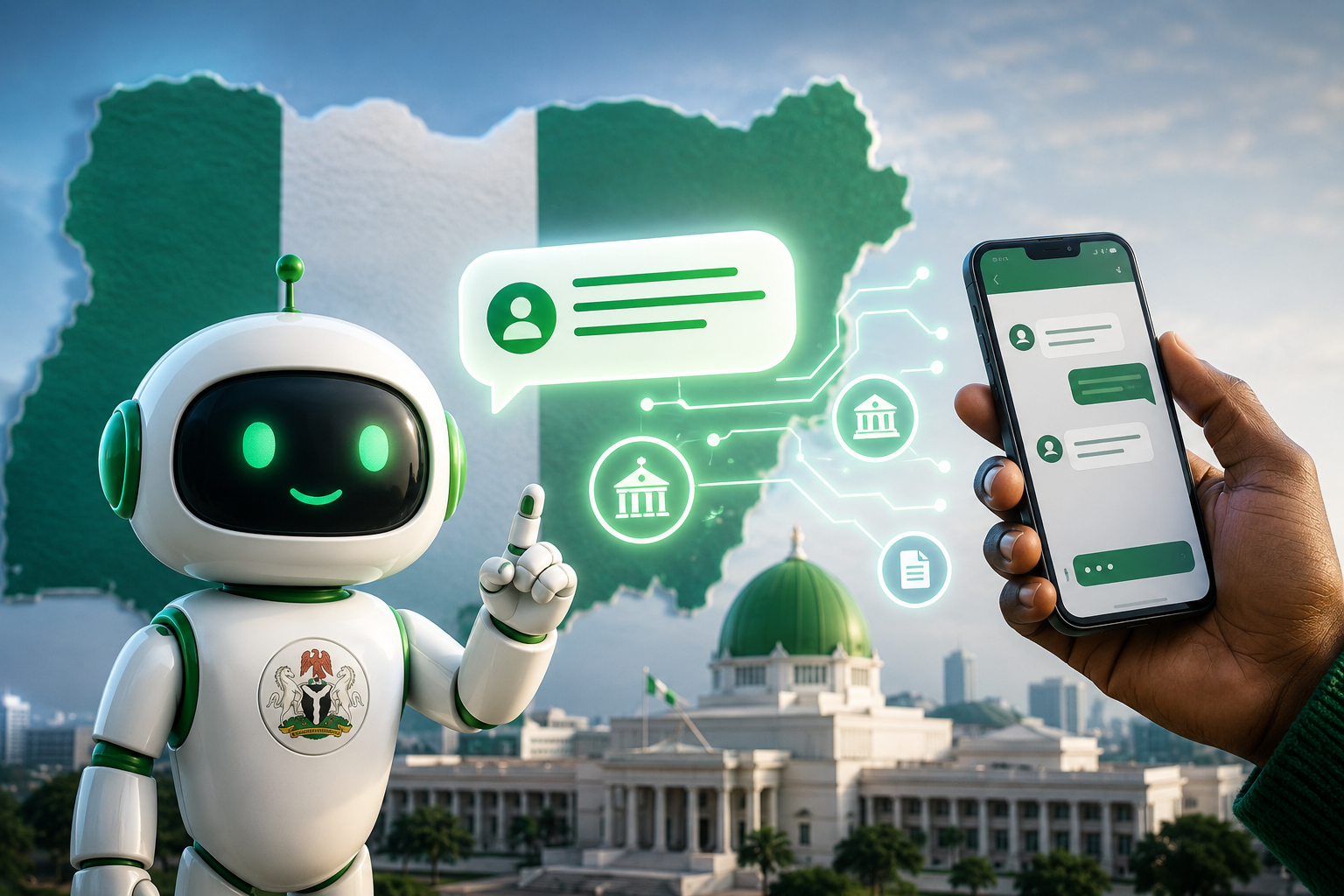
The platform allows for both voice and text interactions, making it very accessible to a wider range of users, including those with low literacy and in disadvantaged rural locations. GovGuide now supports key Nigerian languages such as English, Hausa, Igbo, and Yoruba, marking a significant milestone for inclusive digital governance in Africa.
According to government officials, the AI chatbot already gives access to information from over 35 federal ministries and 60 government agencies, thereby establishing a centralised digital portal for public services.
The Effective Partnership Behind GovGuide Nigeria
The strategic teamwork that pinpoints GovGuide Nigeria is one of its most outstanding qualities. The initiative brings together government institutions, global technology leaders, and local Nigerian innovators in what many analysts describe as a powerful model for Africa’s digital future.
The government lead by Bosun Tijani collaborated with Meta to use open-source AI models, specifically Meta’s Llama AI technology, while Nigerian AI business Publica AI provided local development and deployment help. Instead of depending entirely on imported foreign systems, GovGuide demonstrates how locally driven innovation may be combined with global AI infrastructure to produce scalable national solutions tailored specifically to African customers.
During the opening, Minister Bosun Tijani described the project as a significant step toward making the government more accessible and responsive to Nigerians. The effort highlights the socioeconomic benefits of open-source AI and Meta’s open-source models, such as Llama, particularly in Africa.

“The GovGuide initiative reflects our commitment to leveraging artificial intelligence to make government services and information more accessible and responsive to the needs of Nigerians.
By deploying AI-powered tools in local languages and on platforms people already use daily, we are improving access to public services and also strengthening transparency, trust, and citizen engagement.
As Nigeria continues to grow its digital economy, partnerships like this demonstrate how innovation can improve productivity, unlock opportunities, and bring government closer to the people.”
Dr ‘Bosun Tijani
He further stated that the programme demonstrates the ministry’s dedication to ensuring that technology and AI benefit people, particularly underserved and low-literacy areas across the country.
He said that GovGuide exemplifies what is possible when the government, corporate sector, and local innovators collaborate to address real-world concerns.
“I appreciate the strong collaboration between NCAIRNigeria, Meta, and PublicaaiMedia in bringing this important initiative to life. GovGuide demonstrates what is possible when the government, the private sector, and local innovators work together to solve real challenges.”
“I encourage Nigerians everywhere to take advantage of the platform to access the information and services they need more easily and conveniently,” Dr ‘Bosun Tijani
How AI and Multilingual Technology Powers GovGuide
GovGuide Nigeria relies extensively on artificial intelligence technologies such as natural language processing, multilingual machine translation, speech recognition, and conversational AI. The chatbot makes use of Meta’s open-source Llama models, which have received international recognition for powering scalable AI applications worldwide.
One of the platform’s most notable aspects is its multilingual support. Nigeria is one of the world’s most linguistically varied countries, and many individuals have historically had restricted access to digital services due to language obstacles. GovGuide’s support for Hausa, Igbo, Yoruba, and English increases inclusivity and accessibility greatly. Meta executives characterised the project as a striking demonstration of how open-source AI can generate economic growth, local innovation, and social improvement in Africa.
“Meta’s open-source AI is critical to economic growth and productivity, and GovGuide Nigeria, launched in partnership with the Federal Ministry, is a clear example of what this looks like in practice.
Built by Publica AI on our open-source models, GovGuide Nigeria is a voice and text AI assistant in English, Hausa, Igbo and Yoruba that gives every Nigerian, including rural and low-literacy users, easier access to information on government services.
This is exactly how open-source AI creates lasting value: enabling homegrown innovation, supporting local talent, and putting powerful tools to work in service of the people who need them most.”
Sade Dada
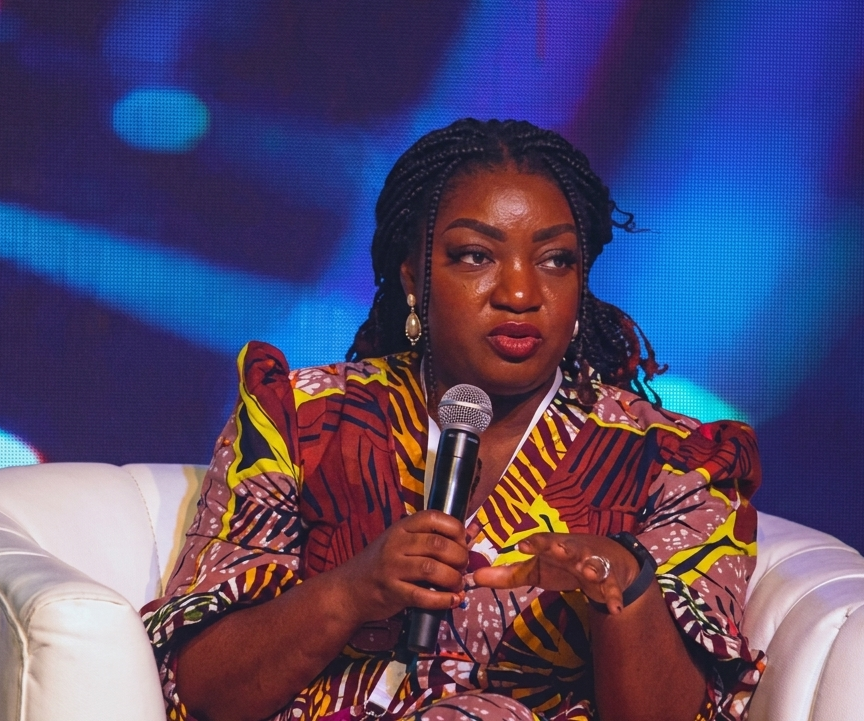
“Today is not just a product launch. It is a step towards democratising how Nigerians engage with their government. With GovGuide Nigeria, we are not simply digitising access to public services; we are making them conversational, multilingual, and available on the channels Nigerians already use every day.
Built in partnership with the Federal Ministry of Communications, Innovation & Digital Economy and NCAIR, powered by Meta’s open-source models, and shaped by hundreds of Nigerian language contributors, GovGuide Nigeria is proof that the next generation of public infrastructure for Africa can, and should, be built in Africa, in our own languages.” Ignatius Willie, CEO, Publica AI
Citizens can now theoretically obtain government-related information more quickly, easily, and conveniently without having to navigate many complicated websites or visit offices in person.
Entrepreneurs, students, job seekers, rural communities, and small company owners may find it easier to access vital opportunities, licenses, registrations, grants, and government initiatives through the platform. The AI-powered interface might also boost digital inclusion by allowing first-time internet users to connect with government operations in their native language.
The chatbot may also relieve the burden on government departments by automating routine enquiries, increasing productivity, and shortening response times. This could eventually lead to lower operating expenses and improved public service delivery across the country.
Concerns and Challenges
Despite the euphoria around the debut, some observers have expressed legitimate worries about the platform’s long-term viability and implementation issues. Nigeria still has significant digital infrastructure limitations, such as low internet penetration, unpredictable electricity supply, and limited smartphone availability in many rural regions.
There are also growing discussions about data privacy, AI accuracy, disinformation hazards, and cybersecurity issues. Critics contend that any AI system managing government information must adhere to extremely high transparency, data protection, and reliability criteria.
The presence of Meta has also sparked criticism due to the company’s previous regulatory issues in Nigeria over privacy and data protection concerns. The debut comes more than a year after the Nigeria Data Protection Commission penalised Meta $32.8 million for suspected violations of the Nigeria Data Protection Act 2023, such as illegal data transfers and a lack of user consent. According to reports, the charge was lifted because Meta agreed to pay legal fees and fund privacy awareness efforts.
Another potential issue is trust. Many Nigerians are sceptical of government digital programmes since prior initiatives have suffered from inadequate upkeep, irregular updates, or low adoption rates. However, analysts feel that if GovGuide is consistently enhanced, properly maintained, and actively promoted, it has the potential to become one of the most impactful government IT platforms ever created in Nigeria.
Conclusion
The official launch of GovGuide Nigeria is a daring, significant, and potentially revolutionary moment in Nigeria’s digital evolution. Nigeria is taking a risk by integrating artificial intelligence, multilingual accessibility, local innovation, and government collaboration to create a smarter and more inclusive public service system.
Although considerable hurdles remain, such as infrastructural limits, trust issues, and worries about digital accessibility, the effort demonstrates Nigeria’s commitment to using AI as a tool for national growth and government transformation.
With the launch of GovGuide, Nigeria has the potential to transform how millions of Nigerians interact with government institutions, making public services faster, easier, smarter, and more accessible than ever before. In a quickly changing digital environment, GovGuide could eventually become one of the most compelling emblems of Nigeria’s ambitious voyage into the future of AI-powered governance.
Related Posts

Political Dynamics, Global Realignment: What Tola Adeyemi Told CEOs at FNCCI-KPMG Luncheon Series 6
As Nigeria heads toward the 2027 election, KPMG’s Tola Adeyemi urges businesses to prepare for multiple outcomes, policy shifts and new opportunities.
NITDA Builders Festival 2026: Smart Way to Unlock Startup Opportunities
NITDA Builders Festival 2026 offers Nigerian startups a path to ₦3bn in potential investment and pilot contracts by connecting real solutions with institutions.

Nigeria’s Internet Traffic: The Essential Growth Drivers Behind a 168% Surge
Nigeria’s internet traffic surged 168% in three years. Discover the key drivers behind the growth and what it means for businesses, SMEs and entrepreneurs.

Konga And Defence Headquarters Launch Nationwide Discount Scheme for Serving, Retired And Veteran Military Personnel
Konga and Defence Headquarters launch a nationwide discount scheme giving serving, retired and veteran military personnel access to essential goods at reduced prices.

Askya Offers African AI Startups Up To $200,000 In Investment Through New Growth Platform
Askya Investment Partners has launched a six-week AI Growth Platform for 10 African startups, offering zero-equity participation, business support and potential investment of up to $200,000