

FG & Meta Expand Digital Inclusion for Rural Youths
Nigeria’s digital economy is approaching a transformative phase, as the Federal Government strengthens its partnership with Meta to increase digital inclusion, internet access, and technology empowerment for millions of disadvantaged rural children.
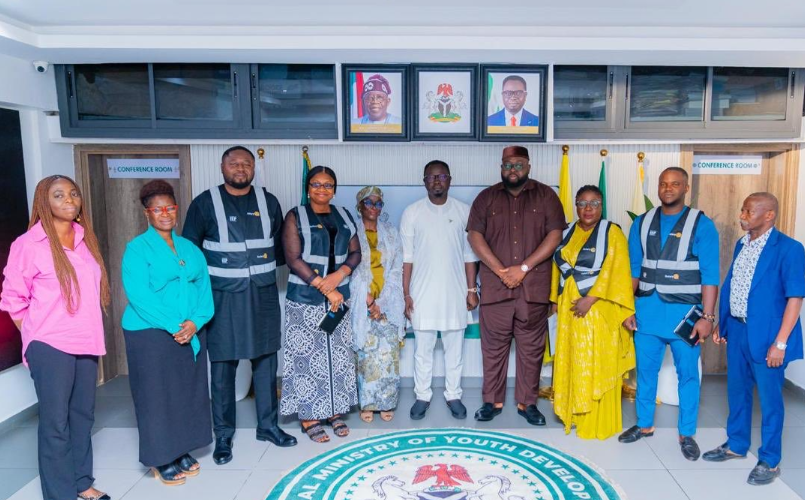
The development occurred during a courtesy visit by representatives of Meta‘s Anglophone West Africa office, led by Sade Dada, to the Federal Ministry of Youth Development, where discussions focused on increasing access to digital literacy, innovation, entrepreneurship, and technology-enabled economic participation for young Nigerians. The plan is one of the most ambitious endeavours yet to bridge Nigeria’s hazardous digital gap while also providing life-changing opportunities in artificial intelligence, remote employment, digital entrepreneurship, and online innovation.
The partnership focuses on digital literacy, AI training, internet access, entrepreneurial development, and economic involvement for those living in rural areas who have traditionally been excluded from Nigeria’s rapidly expanding tech environment.
Nigeria now has one of the world’s youngest populations, with millions of tech-savvy youth ready to engage in the global digital economy. However, the unpleasant reality is that access to dependable internet, modern devices, digital education, and technology infrastructure remains widely disparate across the country.
While major centres like Lagos and Abuja continue to dominate Nigeria’s technology scene, many rural villages continue to face power outages, high internet costs, low broadband penetration, and limited access to digital opportunities. According to the Nigerian Communications Commission, rural internet penetration is still much lower than urban access, resulting in a worrisome imbalance in economic opportunity and digital inclusion.
The FG-Meta collaboration is important and thus considered a revolutionary initiative to democratise access to technology and ensure that young Nigerians are not disadvantaged merely because of their location.
The Primary Goals of the FG and Meta Partnership
Discussions on the plan became public following a high-level meeting between Meta’s Anglophone West Africa office and the Federal Ministry of Youth Development. During the conference, all parties emphasised the critical need to provide rural youngsters with globally competitive digital skills while also establishing pathways into the contemporary digital economy.
According to sources, the collaboration will focus on digital literacy training, artificial intelligence education, innovation support, entrepreneurship development, content production, coding exposure, and digital business empowerment. The Federal Government has emphasised the necessity of making sure that empowerment programmes actively reach excluded rural groups rather than being concentrated on wealthier urban areas.
The federal government now appears keen to rewrite the narrative. During the engagement, Minister of Youth Development Ayodele Olawande reiterated the government’s commitment to supporting innovation, youth empowerment, and inclusive digital development through strategic partnerships with global technology businesses.

According to the Minister, increasing digital inclusion is vital to ensuring that young Nigerians from underserved communities may meaningfully engage in the modern economy.
He emphasised the significance of enrolling more Nigerian youngsters in Meta’s platforms and programs that promote digital skills acquisition, entrepreneurship, innovation, content production, and global prospects.
The programme is tightly aligned with Nigeria’s overall digital transformation strategy under President Bola Ahmed Tinubu’s Agenda, which aims to promote innovation, youth empowerment, and technology-driven economic growth across the country.
AI Training And Digital Skills Take Center Stage
One of the most intriguing parts of the collaboration is its emphasis on artificial intelligence and future-orientated digital capabilities. AI is rapidly transforming industries, redefining jobs, and establishing totally new economic sectors around the globe. Nigeria’s government looks keen to ensure that Nigerian youth do not fall behind in this great technology revolution.
The programme will introduce young Nigerians to modern digital tools such as AI systems, digital marketing platforms, online business development, social media management, coding, data analytics, content production, e-commerce systems, and technological entrepreneurship.
The Federal Ministry of Communications, Innovation, and Digital Economy has already expanded AI-related activities throughout the country. The ministry has teamed with Meta and local developers to establish GovGuide Nigeria, an AI-powered multilingual chatbot meant to improve Nigerians’ access to government services.
The Growth Of Remote Work Opportunities For Nigerians
Another key reason why this project is creating broad excitement is the prospect of more remote work options for Nigerian youngsters.
In recent years, the global workforce has undergone significant changes. Companies worldwide are rapidly hiring remote workers for positions such as customer service, virtual assistance, social media management, software engineering, graphic design, video editing, data analysis, and AI operations.

By providing rural youths with practical digital skills, the FG and Meta program have the potential to enable thousands of Nigerians to get access to international freelancing platforms, remote jobs, and global online marketplaces without having to relocate to expensive urban centres. For many young Nigerians living in neglected areas, this might be a game-changing innovation that reduces unemployment, increases household income, and expands economic independence.
The rise of remote work has also enabled talent to compete globally regardless of location. As long as internet connectivity and digital literacy grow, rural Nigerian youths may soon be able to work for corporations in Europe, North America, Asia, and other African countries without leaving their communities.
Challenges That Could Slow Progress
Despite the optimism around the initiative, many challenges remain.
- Poor electricity provision continues to afflict many rural villages in Nigeria. Many low-income households continue to face high internet fees, while millions of people remain financially unable to purchase digital devices such as computers and smartphones.
- Cybersecurity issues, a lack of knowledge of digital prospects, inadequate infrastructure, and inconsistent broadband development might all hinder implementation if not addressed appropriately. Research conducted in African rural communities has repeatedly revealed that affordability, a lack of exposure, and poor infrastructure continue to be important impediments to digital inclusion.
But the FG-Meta partnership on the long run is part of a larger national campaign to promote digital transformation and youth empowerment. The government has also announced intentions to create tens of thousands of digital employment opportunities for Nigerian youth through strategic foreign partnerships.
Together, these projects indicate that Nigeria is actively pursuing a future in which technology is a primary driver of employment, economic growth, and national competitiveness.
Conclusion
The Federal Government of Nigeria’s developing relationship with Meta has the potential to open up unprecedented economic prospects for millions of underprivileged Nigerians by focusing on rural youths, digital literacy, AI education, internet connectivity, and remote work options.
For many young Nigerians who live distant from big cities, this project may be more than just another government programme. It might serve as a formidable entryway to global prospects, financial independence, and a brighter digital future.
Despite current economic difficulties and infrastructure restrictions, Nigeria’s growing government interest in AI shows that the country is preparing to become one of Africa’s top digital economies.
Amebopreneur
Related Posts

Political Dynamics, Global Realignment: What Tola Adeyemi Told CEOs at FNCCI-KPMG Luncheon Series 6
As Nigeria heads toward the 2027 election, KPMG’s Tola Adeyemi urges businesses to prepare for multiple outcomes, policy shifts and new opportunities.
NITDA Builders Festival 2026: Smart Way to Unlock Startup Opportunities
NITDA Builders Festival 2026 offers Nigerian startups a path to ₦3bn in potential investment and pilot contracts by connecting real solutions with institutions.

Nigeria’s Internet Traffic: The Essential Growth Drivers Behind a 168% Surge
Nigeria’s internet traffic surged 168% in three years. Discover the key drivers behind the growth and what it means for businesses, SMEs and entrepreneurs.

Konga And Defence Headquarters Launch Nationwide Discount Scheme for Serving, Retired And Veteran Military Personnel
Konga and Defence Headquarters launch a nationwide discount scheme giving serving, retired and veteran military personnel access to essential goods at reduced prices.

Askya Offers African AI Startups Up To $200,000 In Investment Through New Growth Platform
Askya Investment Partners has launched a six-week AI Growth Platform for 10 African startups, offering zero-equity participation, business support and potential investment of up to $200,000