

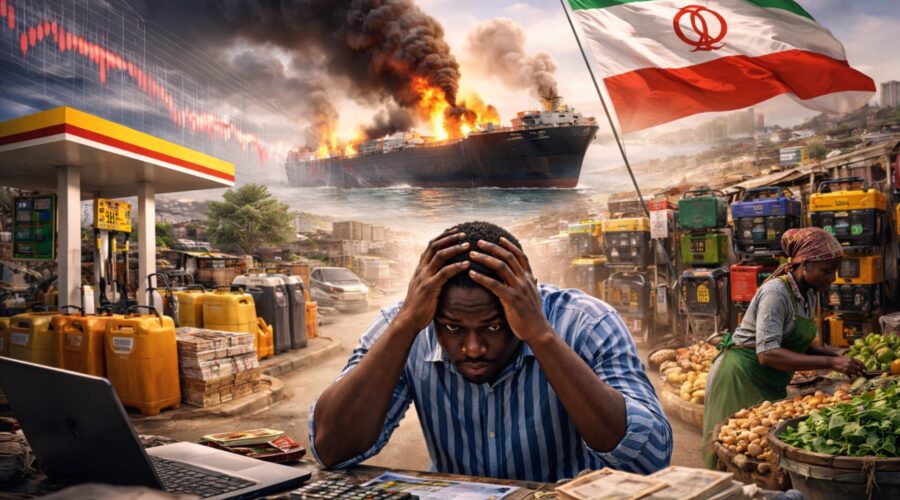
Fuel, Inflation and Uncertainty: The Iran War’s Ripple Effect on Nigeria’s MSMEs
Global conflicts are rarely limited to the countries that are directly involved. Geopolitical tensions can send shockwaves across continents, altering markets, currencies, energy prices, and trade routes in today’s interconnected economy. This same issue is clearly an example of the ongoing conflicts in the Middle East involving Iran. Although Nigeria is geographically distant from the Iran war’s epicentre, the economic consequences are already being felt throughout the country, particularly among Micro, Small, and Medium Enterprises (MSMEs).
MSMEs are the foundation of Nigeria’s economy. They employ millions of Nigerians and make up the great majority of the nation’s companies. These companies are particularly vulnerable to external economic shocks since they have relatively small capital bases and few financial buffers. Nigerian MSMEs are facing a number of indirect consequences that have an impact on their expenses, supply chains, and general business stability as Middle East tensions continue to disrupt international markets.
The volatility of global oil prices and their local repercussions

The international oil market is one of the most direct ways that Nigeria is impacted by the Iran War. The Middle East is important to the world’s energy supply, and any war in the area usually results in significant swings in the price of oil. Due to Iran’s proximity to the Strait of Hormuz, a vital shipping route for crude oil worldwide, military tensions have the potential to impede oil delivery and heighten concerns about shortages. Global oil prices usually rise when such interruptions have place.
Rising oil prices may seem advantageous at the macroeconomic level for Nigeria, which mostly depends on crude oil exports for foreign exchange revenues and government revenue. Price increases have the potential to boost foreign reserves and national revenue.
However, the impact on MSMEs is significantly less positive. Rising global oil prices frequently lead to higher domestic fuel costs. In Nigeria, where many businesses rely heavily on petrol and diesel to power generators due to the epileptic electricity power supply, rising fuel prices dramatically increase operational costs.
For small businesses such as bakeries, fashion workshops, printing presses, logistics companies, and small manufacturing firms, energy costs represent a substantial portion of daily expenses. When fuel prices rise, profit margins fall, causing many enterprises to hike prices or cut production.
Rising production and transportation costs
Energy prices affect far more than just power generation. Fuel is also a major factor of transportation costs in Nigeria. When the price of petrol and diesel grows, so does the cost of transporting commodities between cities and states.
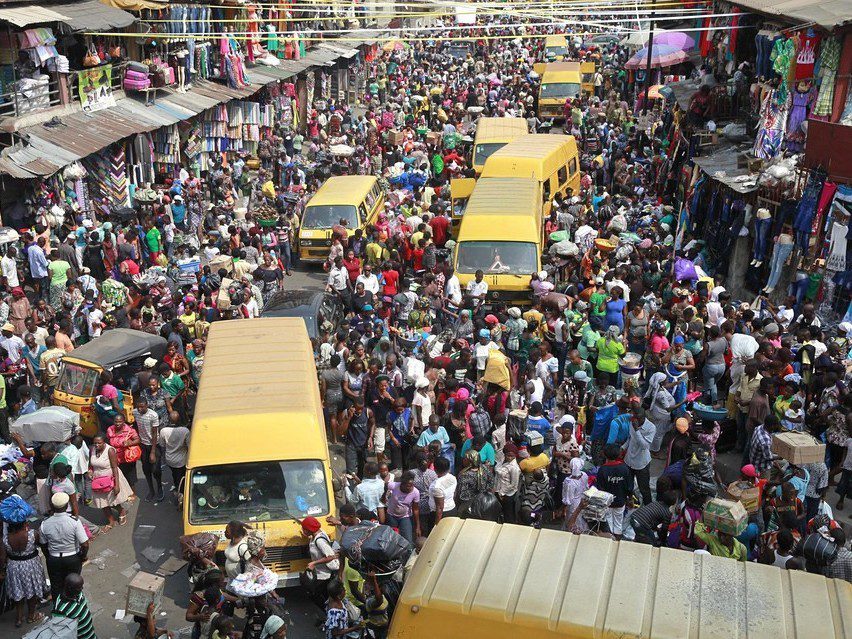
For MSMEs in retail, agriculture, food processing, and distribution, higher transportation costs indicate higher expenses when buying raw materials and delivering completed products to clients. A clothing company, for example, may have to pay extra to transfer fabrics from Lagos markets to production workshops in other states. Similarly, food vendors and agricultural businesses face higher costs when transporting produce from farms to urban markets.
These additional expenses frequently engulf the whole supply chain. As costs rise at each stage of production and distribution, the final price of items will certainly increase. Unfortunately, in an economy where consumer purchasing power is already being strained due to inflation, rising prices can lead to lower demand for products and services.
Exchange rate instability and import costs are increasing pressure on small businesses.
Inflation is another major impact of the Iran war on Nigerian MSMEs. Global wars frequently cause economic uncertainty, which affects commodity pricing and international trade.
As global fuel costs rise, so do shipping and logistical expenses. Nigeria relies extensively on imported commodities and raw resources, such as industrial components, textiles, packaging materials, and electronics. Many small businesses rely on these imports to run efficiently.
When import costs rise due to higher shipping fees or supply disruptions, businesses must either absorb the additional expenses or pass them on to customers. For MSMEs with narrow margins, absorbing such costs is rarely possible. When the naira falls against major global currencies such as the US dollar, the cost of importing equipment, software subscriptions, raw materials, and machinery rises dramatically.
Just for example, if the exchange rate falls, a small printing company that imports ink or printing machines may experience a significant increase in prices. Similarly, tech startups and digital businesses that rely on foreign software platforms may face significant subscription fee increases.
As a result, higher production costs lead to higher retail pricing. This situation drives inflation in the domestic sector, further sweeping away consumers’ purchasing power and making it harder for small businesses to operate.
Credit constraints, borrowing costs and rising interest rates
Global wars can produce economic instability, which can have an impact on financial markets and monetary policy. Governments and central banks frequently respond to growing inflation by tightening monetary policy, which may result in higher interest rates.
In Nigeria, one of the most significant challenges for MSMEs is access to affordable loans. If borrowing costs continue to climb, small firms may find it increasingly difficult to get loans for expansion, equipment upgrades, or operating capital.
During situations of economic uncertainty, banks tend to tighten lending restrictions and raise interest rates. Obtaining financing for small enterprises with limited collateral or credit history is becoming increasingly challenging.
This situation can slow down business growth, limit invention, and discourage new entrepreneurs from entering the market.
Conclusion
The Iran war highlights how geopolitical conflicts can have far-reaching economic consequences beyond the countries involved. For Nigeria and Nigerians, the repercussions are mostly felt through global oil markets, inflation, exchange rate volatility, and financial conditions.
Given that MSMEs account for a large portion of employment and economic activity in Nigeria, these difficulties may have far-reaching consequences for national economic stability.
Finally, the conflict’s long-term effects will be determined by global tensions and Nigeria’s ability to handle its own economic policies. Strategic investments in energy infrastructure, increased access to finance, and policies that encourage local production could assist MSMEs in weathering external shocks and boost Nigeria’s small company ecosystem.
Related Posts

Political Dynamics, Global Realignment: What Tola Adeyemi Told CEOs at FNCCI-KPMG Luncheon Series 6
As Nigeria heads toward the 2027 election, KPMG’s Tola Adeyemi urges businesses to prepare for multiple outcomes, policy shifts and new opportunities.

NITDA Builders Festival 2026: Smart Way to Unlock Startup Opportunities
NITDA Builders Festival 2026 offers Nigerian startups a path to ₦3bn in potential investment and pilot contracts by connecting real solutions with institutions.

Nigeria’s Internet Traffic: The Essential Growth Drivers Behind a 168% Surge
Nigeria’s internet traffic surged 168% in three years. Discover the key drivers behind the growth and what it means for businesses, SMEs and entrepreneurs.

Konga And Defence Headquarters Launch Nationwide Discount Scheme for Serving, Retired And Veteran Military Personnel
Konga and Defence Headquarters launch a nationwide discount scheme giving serving, retired and veteran military personnel access to essential goods at reduced prices.

Askya Offers African AI Startups Up To $200,000 In Investment Through New Growth Platform
Askya Investment Partners has launched a six-week AI Growth Platform for 10 African startups, offering zero-equity participation, business support and potential investment of up to $200,000