

Nigeria’s NDPC Hosts Nine African Nations; Highlights Critical Data Protection Talks And Bold Cross-Border Privacy Framework
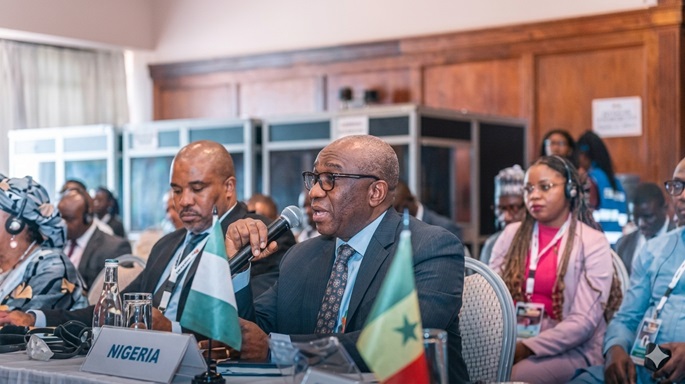
Nigeria is quickly developing as one of Africa’s most powerful technology and digital governance hubs, and recently hosted African data protection authorities and privacy leaders from all around Africa in Abuja in ongoing attempts to integrate cross-border privacy regimes across the continent and improve how countries secure personal information in the digital environment.
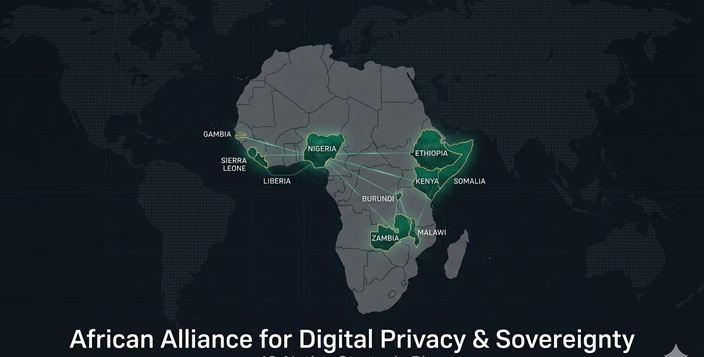
The engagement, sponsored by the Nigeria Data Protection Commission (NDPC) in collaboration with the World Bank and Smart Africa, brings together regulators from nine countries, including The Gambia, Burundi, Sierra Leone, Somalia, Liberia, Malawi, Zambia, Ethiopia, and Kenya.
It also includes regional organisations such as the Economic Community of West African States (ECOWAS), the Economic and Monetary Community of Central Africa, and the Intergovernmental Authority on Development, which indicate a larger push for coordinated data governance across Africa.
The development is considered as a bold, strategic, and potentially transformative step toward establishing a unified African digital economy based on trusted data governance, greater cybersecurity, AI legislation, and fintech expansion.
At the heart of the significant movement is the rising recognition that Africa’s digital future cannot prosper in the absence of clear, modern, and effective data protection systems. As artificial intelligence, digital banking, cloud computing, e-commerce, and cross-border fintech services continue to grow in Africa, governments and regulators are under increasing pressure to develop harmonised privacy laws that protect citizens while also encouraging innovation and foreign investment.
Nigeria’s participation in these talks represents a significant shift in continental influence, particularly as the country postures itself as a regional authority on data governance, digital policy, cybersecurity regulation, and privacy compliance.
The Importance Of Nigeria’s Role in African Data Protection
Nigeria’s digital economy is now one of the largest and fastest expanding in Africa. With a thriving financial environment, rising AI usage, a growing startup culture, and increased international technology alliances, the country currently manages huge amounts of personal and commercial data on a daily basis.
This expansion has generated both exciting prospects and significant risks. Even as much as it has Nigeria’s digital revolution has drawn international investors, multinational technology firms, and cross-border payment systems. On the other hand, concerns about data misuse, cyber threats, illegal spying, identity theft, and unauthorised cross-border data transfers have grown significantly.
The Nigeria Data Protection Act (NDPA) 2023 marked a significant turning point in resolving these challenges. The bill strengthened the legal framework for personal data protection and enhanced the powers of the Nigeria Data Protection Commission (NDPC).
Industry experts now believe Nigeria is attempting to become Africa’s equivalent of a continental digital governance hub, much like the European Union became globally influential through GDPR-style privacy rules.
Speaking at the opening session, NDPC National Commissioner Vincent Olatunji stated that Nigeria’s experience demonstrates the need of transitioning from legislation to implementation in data protection. He stated that Nigeria’s progress was based on President Bola Tinubu’s signing of the Data Protection Act in 2024, which allowed the country to establish a structured regulatory framework.

“What we have in Nigeria today is an ecosystem that works. Other countries are interested in how we got here, and we are also learning from them,”
Vincent Olatunji
Olatunji also stated that Nigeria has built indigenous digital tools for registration, licensing, and compliance monitoring, emphasising the necessity of homegrown solutions in enhancing data sovereignty. He explained that the exchange focuses on cross-border data transfer, particularly within the African Continental Free Trade Area framework, where trust and legal safeguards are crucial.
“We are looking at how personal data can move across countries safely, with proper safeguards and enforceable rights,” he stated.

Elena Gasol, Senior Counsel at the World Bank, provided a broader perspective, stating that Africa’s difficulty is no longer the absence of data privacy legislation, but the ability to successfully implement them.
She explained that the program is created as a practical peer-learning platform rather than a theoretical instruction, allowing regulators to share real-world experiences.
Push For Cross-Border Privacy Frameworks In Africa
One of the most significant issues confronting Africa’s digital ecosystem is fragmentation.
Many African countries now have varied privacy laws, enforcement methods, compliance standards, and cybersecurity regulations. While some countries have sophisticated systems, others are still building fundamental privacy laws.
According to research, data protection laws exist in around 46 African countries, however implementation and enforcement levels vary greatly. This lack of alignment generates significant legal ambiguity for corporations operating in numerous African countries. It also complicates digital trade, fintech growth, AI implementation, health data management, and foreign cloud services. Nigeria’s continued interaction with African regulators is a push to harmonize these frameworks in order to facilitate safer and more trusted cross-border data transfers.
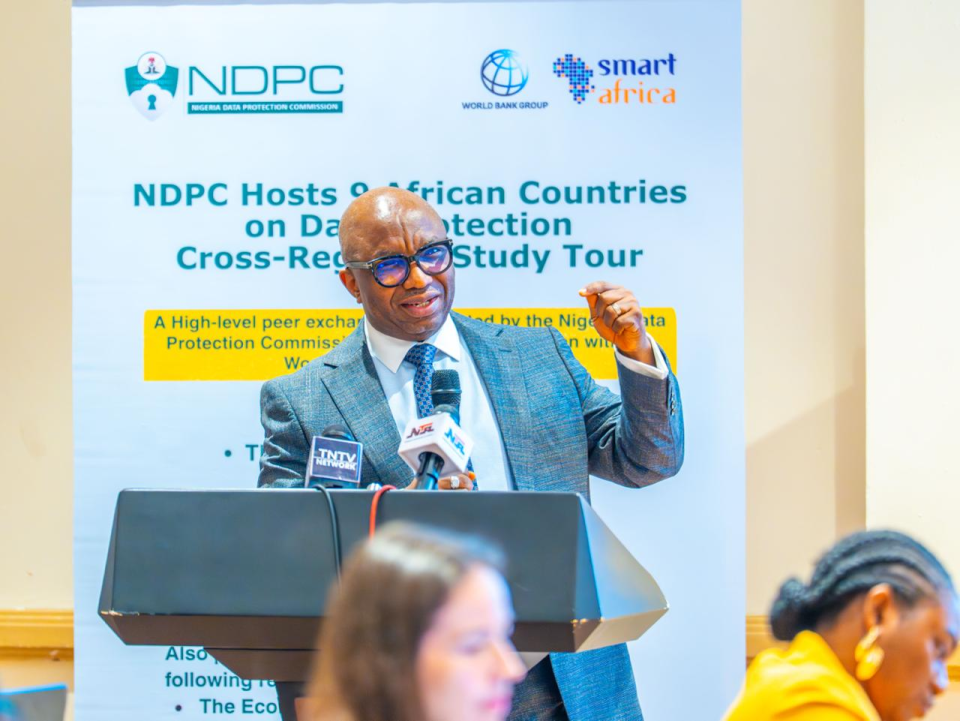
“Africa can no longer afford to be a passive consumer of digital services; we must be the architects of our own data sovereignty. This exchange is a testament to our collective resolve to secure the continent’s digital borders and attract global investment”
Dr. Vincent Olatunji
Nigeria is sending a strong statement to global IT companies and foreign direct investors that the continent is open for business, but only on terms that respect its people’s privacy and security.
The overarching goal is to establish a more integrated African digital market under frameworks linked to the African Continental Free Trade Area (AfCFTA), while protecting privacy rights and data sovereignty. Experts increasingly worry that unless governments collaborate on uniform data protection rules, Africa’s trillion-dollar digital economy would remain mostly untapped.
Nigeria’s Data Protection Laws Very Influential
Nigeria’s NDPA 2023 and the newer General Application and Implementation Directive (GAID) 2025 are gaining continental traction because they impose stronger criteria for data processing, international transfers, accountability, and privacy protection.
Under Nigeria’s current framework, organisations are prohibited from transferring personal data beyond the country unless specific legal safeguards are secured. These precautions could include mandatory business regulations, contractual safeguards, recognised certification systems, or evidence that the destination country meets acceptable protection criteria. This is especially significant for multinational technology companies, fintech startups, cloud providers, AI platforms, and global SaaS companies that handle Nigerian customer data overseas.
According to one legal analysis, Nigerian law allows cross-border transfers “only within a structured legal framework that ensures personal data remains protected beyond national borders.” Positively, it boosts trust, consumer confidence, and Nigeria’s global credibility in digital government. On the negative side, some businesses are concerned that the compliance burden will grow costly, complex, and impossible for smaller enterprises to manage.
And at the forefront is Artificial intelligence which has emerged as a major driving force in these continental privacy debates.
Artificial intelligence systems rely largely on large-scale data collecting, cross-border cloud infrastructure, biometric analysis, behavioural tracking, and machine learning datasets. Without solid privacy legislation, AI expansion can swiftly lead to serious ethical and security concerns.
Nigeria does not want to fall behind in the global AI governance race. The country’s leadership in hosting African privacy regulators is increasingly linked to its goal of becoming a trusted AI innovation destination for African and worldwide investors.
Strong data protection measures are now considered as critical infrastructure for AI growth, as investors, governments, and consumers need assurance that personal information will not be misused.
This is especially important in industries like fintech, digital health, e-commerce, telecommunications, identity management, and smart government systems.
The stakes are really high. Weak privacy governance might harm investor trust, spark regulatory tensions, expose individuals to exploitation, and jeopardise Africa’s digital economic goals. However, strong governance has the potential to open up significant opportunities in AI development, regional digital trade, international alliances, and cloud technology expansion.
Fintech, Digital Payments, and The Data Economy
Nigeria’s fintech industry is one of the primary reasons the country is actively pursuing greater cross-border data governance. Digital payment firms, neobanks, cryptocurrency-related platforms, lending apps, and international remittance systems are continuously exchanging client data across borders.
As African digital commerce grows, policymakers are becoming increasingly worried about who owns African data, where it is held, how it is handled, and if international corporations follow local rules.
According to reports, Nigeria’s privacy policies are becoming increasingly important in digital trade discussions under the AfCFTA and other African economic integration initiatives. The growing importance of cross-border data governance is prompting global corporations to reconsider their African compliance strategy.
Africa is no longer regarded solely as an emerging market by global technology companies. It is emerging as a strategically important digital region with evolving regulatory influence, and moreso Nigeria’s data protection posture is no longer just theoretical.
Regulators are more inclined to scrutinise major internet corporations for potential privacy violations and questionable data practices. In February 2026, Nigeria’s data authority launched an inquiry on Temu for alleged violations of data processing practices, cross-border transfers, and privacy. The development conveyed a significant message to global technology companies operating in Africa.
It showed that Nigerian authorities may now be willing to take harsher enforcement action against corporations accused of misusing consumer data. For privacy activists, this is a great and important step toward accountability. For some businesses, however, it raises concerns about regulatory uncertainty, operational risk, brand damage, and increasing compliance expenses.
Nigeria and Africa continue to face challenges
Despite the momentum, serious obstacles remain. Many African countries continue to suffer with inadequate enforcement ability, low technical competence, insufficient budget, poor digital infrastructure, and uneven regulation implementation. There are also worries about balancing innovation and regulation.
If regulations become too stringent, companies and innovators may find annoying roadblocks that stifle economic progress. If restrictions are not strengthened, citizens may be vulnerable to cybercrime, surveillance misuse, identity theft, and exploitation.
Another big problem is harmonisation itself. Different African countries have different legal traditions, political systems, economic priorities, and levels of technical sophistication. Achieving a unifying framework will necessitate extensive talks and long-term collaboration. Nonetheless, current discussions led by regulators and policymakers show that Africa is progressively progressing toward greater digital policy coordination.
Conclusion
The move by Nigeria to host African data protection leaders and unify cross-border privacy frameworks represents much more than regulatory coordination. It is a strategic attempt to determine the future of African technology governance, AI legislation, fintech growth, cybersecurity collaboration, and digital trade integration.
As the continent moves toward a more linked digital economy, trust, privacy, and responsible data governance are emerging as significant competitive advantages. Nigeria appears to be determined to lead the transformation.
The success of these efforts will be determined by African governments’ ability to develop harmonised frameworks that safeguard citizens while not stifling innovation. One thing is becoming increasingly clear: in Africa’s digital future, data security is no longer optional. It is emerging as one of the most important foundations for economic growth, technical trust, and continental competitiveness.
Related Posts

Political Dynamics, Global Realignment: What Tola Adeyemi Told CEOs at FNCCI-KPMG Luncheon Series 6
As Nigeria heads toward the 2027 election, KPMG’s Tola Adeyemi urges businesses to prepare for multiple outcomes, policy shifts and new opportunities.
NITDA Builders Festival 2026: Smart Way to Unlock Startup Opportunities
NITDA Builders Festival 2026 offers Nigerian startups a path to ₦3bn in potential investment and pilot contracts by connecting real solutions with institutions.

Nigeria’s Internet Traffic: The Essential Growth Drivers Behind a 168% Surge
Nigeria’s internet traffic surged 168% in three years. Discover the key drivers behind the growth and what it means for businesses, SMEs and entrepreneurs.

Konga And Defence Headquarters Launch Nationwide Discount Scheme for Serving, Retired And Veteran Military Personnel
Konga and Defence Headquarters launch a nationwide discount scheme giving serving, retired and veteran military personnel access to essential goods at reduced prices.

Askya Offers African AI Startups Up To $200,000 In Investment Through New Growth Platform
Askya Investment Partners has launched a six-week AI Growth Platform for 10 African startups, offering zero-equity participation, business support and potential investment of up to $200,000