

Esports & Mobile Gaming Are Exploding in Nigeria: Powerful Digital Goldmine for Gen Z Gamers Or Dangerous Future
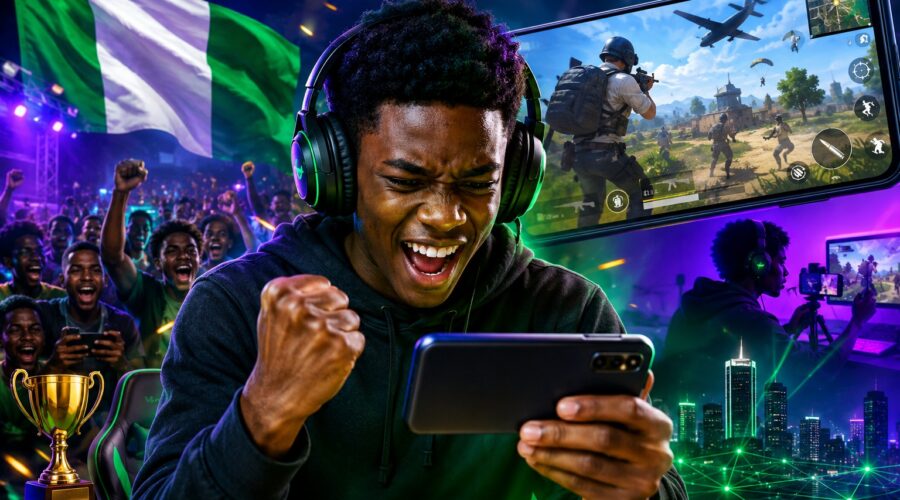
Nigeria’s gaming sector is no longer a secretive underground hobby cherished by a few tech enthusiasts. It has grown into one of Africa’s fastest-growing digital entertainment movements, propelled by mobile esports, game producers, TikTok gaming streams, online competitions, and a devoted youth-driven gaming audience. What began as a casual activity has quickly evolved into a wealthy, highly competitive, and culturally influential ecosystem that is transforming Nigeria’s digital entertainment landscape.
Millions of Nigerian youths now spend hours competing in online games, watching gaming livestreams, creating gaming content on social media, and attending esports tournaments, which continue to draw brands, investors, telecom firms, and digital entrepreneurs.
The rapid proliferation of low-cost cellphones, cheaper internet connections, social media impact, and enhanced mobile technology has provided the ideal atmosphere for gaming culture to thrive in Nigeria.
Nigeria’s Gaming Industry In Its Massive Growth Phase
According to current estimates, Nigeria has around 46 million active gamers, giving it one of Africa’s greatest gaming audiences. Even more noteworthy, approximately 90% of these gamers play primarily on mobile devices, demonstrating that mobile gaming has emerged as the dominating force defining the country’s entertainment future.
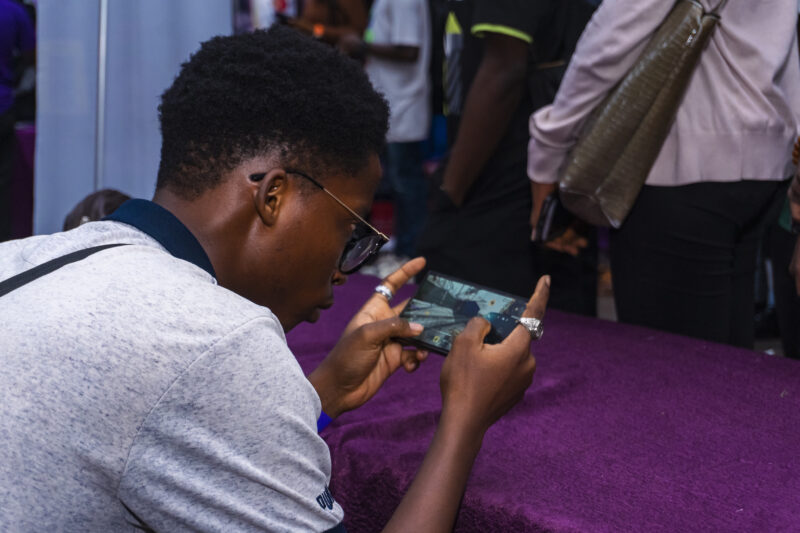
Game is no longer restricted to cybercafés or high-end game systems. A young Nigerian with a competent Android smartphone, an affordable data plan, and access to TikTok or YouTube may instantly join a fast-growing competitive gaming community.
This accessibility has become one of the primary reasons why mobile esports in Nigeria are expanding at such an incredible rate.
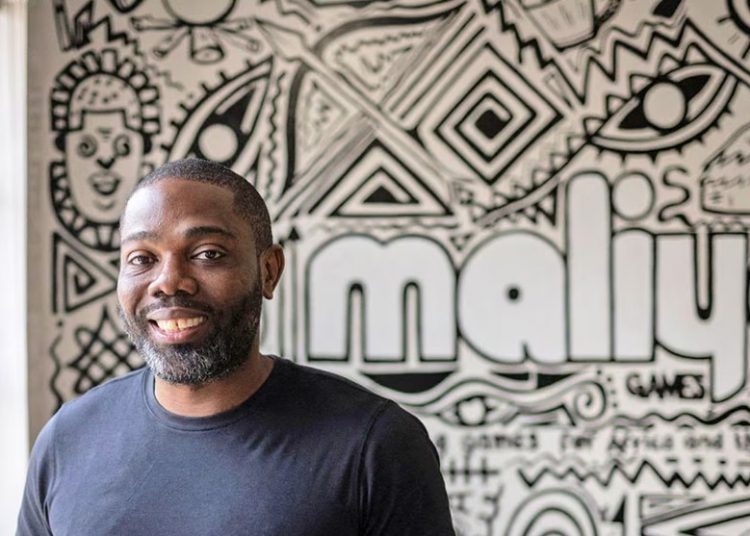
Hugo Obi, founder of Maliyo Games, believes Nigeria’s gaming business embodies the continent’s creativity and digital future. This aptly describes the huge transformation taking place across the country.
Affordable Smartphones Aids The Gaming Explosion
Smartphone accessibility is one of the most important factors driving Nigeria’s mobile gaming revolution. Budget Android handsets from brands such as Tecno, Infinix, Samsung, Xiaomi, and Itel have made mobile gaming more accessible to millions of Nigerians. Even low-end smartphones can now run competitive games such as PUBG Mobile Lite, Free Fire MAX, Call of Duty Mobile, and eFootball with relatively smooth gameplay.
The Nigerian Communications Commission recently acknowledged the growing importance of inexpensive cellphones and announced efforts to reduce device costs in Nigeria.
This is important since the gaming business is strongly reliant on device penetration. Nigeria’s potential esports viewership grows as more people are able to purchase smartphones.
Previously, gaming was considered pricey because consoles and gaming PCs were out of reach for many young Nigerians. Mobile gaming completely erased that barrier. Competitive gaming can now take place almost anywhere, from university dorms and cafés to buses, offices, and private homes. This transition has caused a significant disruption to existing gaming models while creating intriguing potential for mobile-first gaming platforms.
A Much Better Internet Access
Improved internet access is another important element racking up Nigeria’s tremendous growth in esports and mobile gaming. According to recent telecom data, over 83 percent of Nigerian phone users now have internet access, with more than 151 million internet subscribers connecting mostly via mobile networks.
The increased availability of 4G connectivity, as well as ongoing discussions about 5G adoption, is making multiplayer gaming more stable and accessible than ever before. Nigerian telecom companies are now fiercely fighting for data dominance, network quality, and infrastructure investments as digital consumption skyrockets.
Competitive gaming necessitates speed, minimal latency, and reliable connectivity. Although network instability and power issues continue to upset many players, internet advancements have substantially improved the online multiplayer experience.
Some Nigerian gamers on Reddit even described how services such as Starlink and fibre internet providers helped them compete online. This increased internet availability is assisting Nigeria in becoming a serious esports market with immense long-term prospects.
Mobile Esports Tournaments, TikTok Gaming Streams Becoming Big Businesses
Esports in Nigeria are rapidly evolving from casual entertainment to a professional digital sport. Competitive gaming events are gaining sponsorships, media attention, partnerships, and organised gaming communities.
EA Sports FC, PUBG Mobile, Free Fire, Mortal Kombat, Tekken 8, and Call of Duty Mobile games are among the games gaining popularity in Nigeria’s esports sector.
Gaming organisations are establishing professional frameworks centred on tournaments, streaming events, digital competitions, and gaming talent development. According to industry predictions, Nigeria’s esports sector might grow to be worth hundreds of millions of dollars if investments continue to flood in.
The movement’s youthful vigour is what makes it particularly effective. Nigeria has one of the world’s youngest populations, and gaming naturally appeals to the interests of digitally connected Generation Z viewers.
For many Nigerian adolescents, esports is no longer considered “just playing games”. It is now viewed as entertainment, competition, social identification, content creation, and even a potential job route.
Also, TikTok has emerged as one of the most powerful growth engines for Nigeria’s gaming creators. Short-form gaming content, livestream snippets, amusing gameplay moments, esports highlights, reactions, lessons, and live gaming commentary are all gaining traction online.
TikTok, YouTube Shorts, Facebook Gaming, Twitch, and Instagram Reels are being used by game creators to create highly engaged communities based on their personalities and gaming talents. This transition has resulted in a new digital creator economy, in which gamers are becoming influencers, entertainers, and online celebrities.
Gaming material is particularly effective on TikTok because it blends excitement, unpredictability, humour, competition, and social engagement. Fast-paced gameplay footage is inherently suited to short attention spans and viral engagement.
Online industry conversations increasingly highlight the developing relationship between gaming and short-video platforms. Many observers feel that TikTok-style content consumption is affecting how gaming companies market esports content worldwide, and more so Nigerian gaming producers are now capitalising on this momentum to increase audiences, get sponsorships, monetise streams, and build personal brands.
The Economic Opportunities And The Dark Side
Telecom corporations benefit from increased data usage. Smartphone makers gain from the growing demand for gaming-capable smartphones. Brands profit from influencer marketing and young involvement. Nigeria’s gaming industry is offering intriguing business prospects in a variety of sectors. Tournaments and sponsorships provide benefits to gaming organisers.
Advertising revenue from mobile gaming is also predicted to increase rapidly. According to industry predictions, gaming-related ad spending, downloads, and digital monetisation prospects will increase dramatically. This indicates that gaming has moved on from just being entertainment. It is becoming a component of Nigeria’s digital economy.
This fast-increasing ecosystem is bringing benefits to game developers, streamers, esports commentators, content providers, tournament organisers, gaming cafés, influencers, and advertising.
Despite the exciting prospects, Nigeria’s gaming industry raises major problems and unpleasant realities that must be addressed.
Gaming addiction is becoming more widespread among young people who spend an excessive amount of time online.
Some gamers experience productivity loss, sleep deprivation, poor academic performance, and harmful screen reliance. There are also financial worries about in-app purchases, game subscriptions, and aggressive monetisation schemes that drive continuous spending.
Many gamers continue to face difficult challenges such as internet instability, power outages, and high data charges. Competitive gaming gets frustrating when network slowness degrades performance during online bouts.
Furthermore, toxic online behaviour, cyberbullying, cheating, and gambling-related gaming trends continue to cause alarm among parents and regulators. Some critics say that Nigeria still lacks sufficient professional gaming infrastructure as compared to global esports markets such as the United States, China, and South Korea.
These difficulties underscore the critical need for improved digital regulation, responsible gaming education, stronger infrastructure, and industry investment.
The Momentum Is Already Obvious
Despite the hurdles, the future of esports and mobile gaming in Nigeria appears to be extremely promising.
Nigeria has several tremendous advantages that put it in a unique position to dominate esports in Africa. The country boasts a large youth population, rising smartphone penetration, fast-expanding internet access, thriving digital producers, a strong entertainment culture, and increasing investor interest.
Nigeria’s gaming ecosystem’s mobile-first orientation could be its most significant competitive edge. Unlike traditional PC-heavy esports markets, Nigeria’s gaming culture is heavily geared toward mobile accessibility. As smartphones get more powerful and internet access improves, Nigeria might become one of Africa’s most prominent gaming and esports hubs.
Gaming contests are getting larger. Gaming influencers are becoming increasingly noticeable. Brands are increasingly interested. Youth participation is increasing in intensity. Social media involvement is rapidly increasing.
Nigeria is no longer observing the global gaming business from a distance. It is rapidly becoming a part of the future.
Conclusion
The development of esports and mobile gaming in Nigeria is far from a fleeting fad. It exemplifies a tremendous digital shift fuelled by technology, youth culture, internet access, smartphones, social media impact, and innovative thinking.
What began as casual mobile gaming has quickly grown into a thriving ecosystem complete with competitive tournaments, viral game producers, TikTok livestreams, online communities, economic opportunities, and professional esports ambitions.
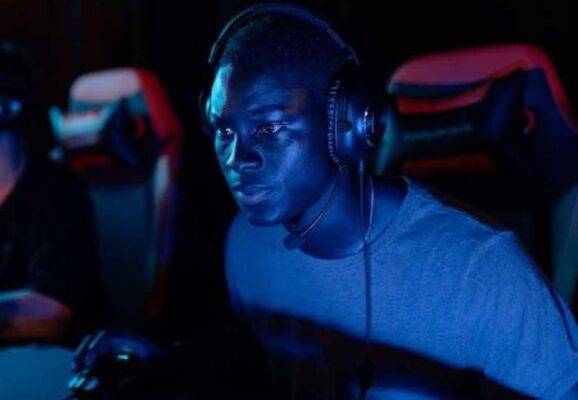
Affordable cellphones and increased internet access have transformed the way Nigerians consume entertainment and connect online. Millions of young Nigerians today consider gaming as more than just a form of entertainment; it is also a source of community, identity, competitiveness, content creation, and even professional opportunities.
Although severe issues such as internet outages, gaming addiction, infrastructural shortages, and monetisation concerns persist, Nigeria’s gaming industry remains enormously powerful and promising.
The future of gaming in Nigeria is no longer foreseeable. It has already arrived.
Related Posts
Marque Technologies: Building World-Class Solutions And Changing The Rules Of Digital Innovation In Africa
Marque Technologies is helping Nigerian businesses grow through AI, enterprise software, NFC digital identity, and smart digital solutions built for Africa.

Bosun Tijani Foundation Opens Applications for Second Cohort of Generative AI Fellowship
The Bosun Tijani Foundation has opened its six-month Generative AI Fellowship, offering young Nigerians hands-on…

CBN Maintains Cautious Monetary Stance Ahead of July 2026 Monetary Policy Committee MPC Meeting
As the July 2026 MPC meeting nears, all eyes are on the CBN. Will interest rates stay put, or will fresh signals reshape Nigeria’s economic outlook?
NITDA Hands Over Digital Identity Security Public Key Infrastructure To NIMC
Nigeria just strengthened its digital future as NITDA hands PKI to NIMC, paving the way for safer digital identities, stronger cybersecurity and trust.
Nigeria Fintech Forum 2026: Nosh Partners As Platinum Sponsor For The Fifth Edition
Nosh joins Nigeria Fintech Forum 2026 as Platinum Sponsor, spotlighting digital payments, crypto, regulation and Africa’s evolving fintech future.