

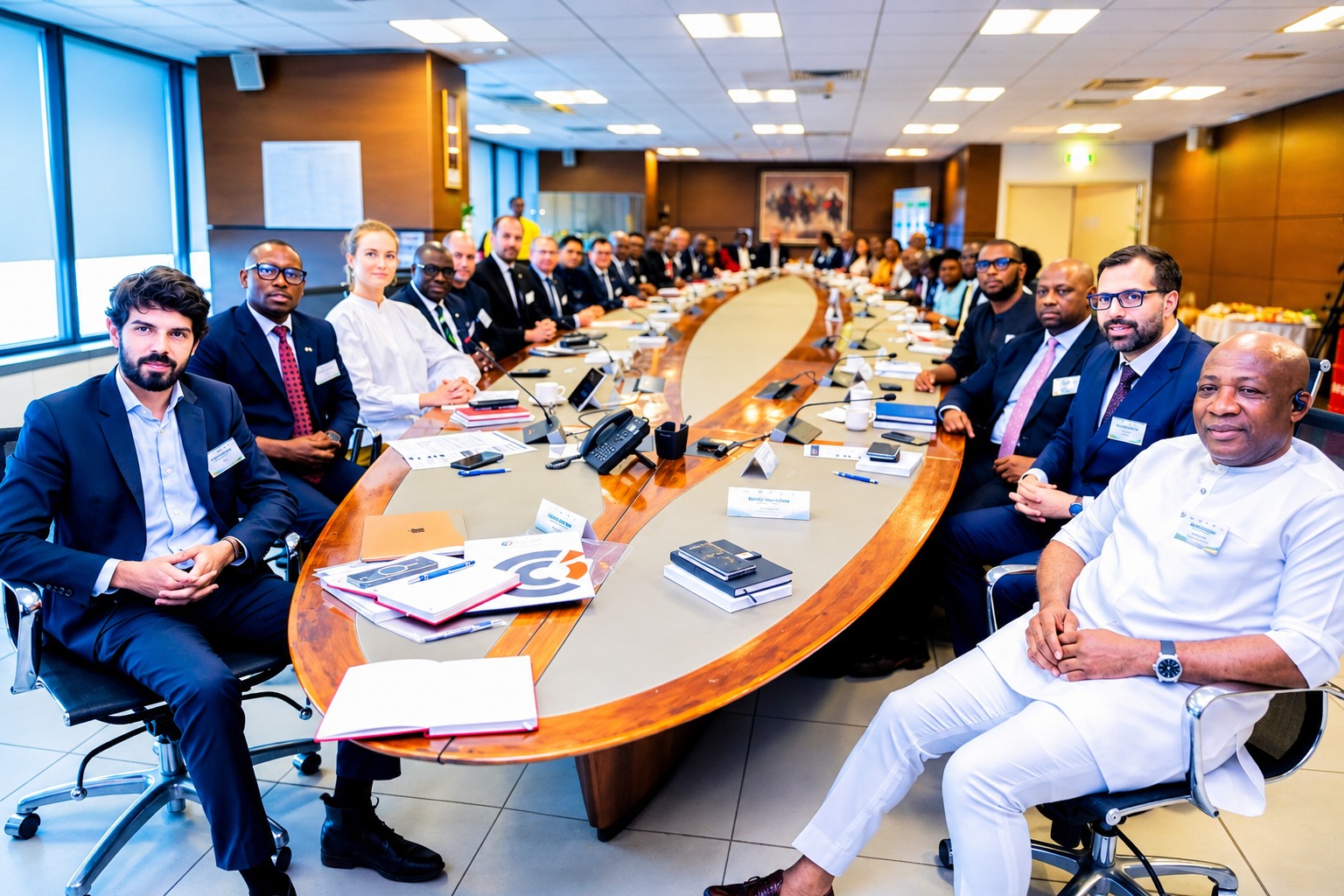
French Week 2026: Energy Roundtable Session Explores Nigeria-France Energy Partnership
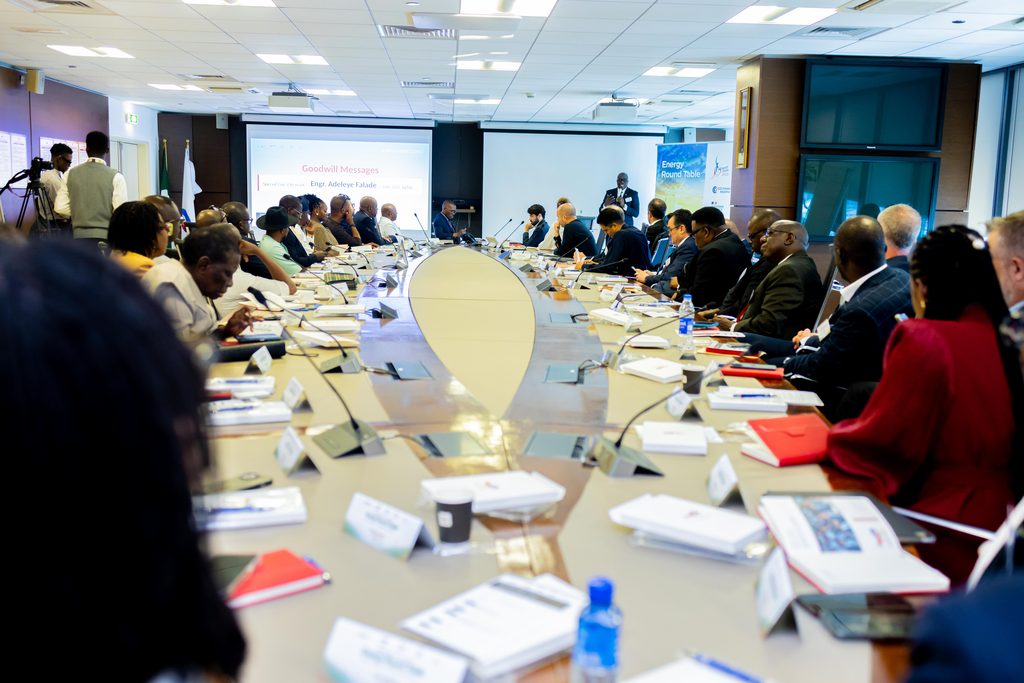
Gas in the ground does not power a factory. That was the thread running through the Energy Roundtable Session of French Week 2026, where Nigerian and French business leaders met in Lagos on Monday, November 2, 2026, to ask how the country’s energy resources can become reliable power for businesses, industries and households.
The session took place at the headquarters of TotalEnergies and brought together representatives of the Nigerian and French business communities, energy industry leaders and other stakeholders. It was organised by the Franco-Nigerian Chamber of Commerce and Industry (FNCCI), in partnership with TotalEnergies, as part of the activities marking French Week 2026.
The roundtable provided an opportunity to discuss how Nigeria and France could strengthen their existing business relationship through investment, knowledge sharing and cooperation in the energy sector. Discussions covered gas development, the energy transition, the business environment, technology transfer and the role of local companies in major energy projects.
Strengthening Nigeria-France Business Cooperation

The opening session highlighted the importance of maintaining a strong business relationship between Nigeria and France. The Consul General of France in Lagos, Laurent Favier, was among the key figures at the event.
France and Nigeria have maintained business relationships across different sectors, including energy, infrastructure, manufacturing and technology.
French companies have continued to operate and invest in Nigeria, while the country remains an important market for businesses looking to expand their activities in Africa.
The President of the Franco-Nigerian Chamber of Commerce and Industry, Guillaume Niarfeix, also played a key role in the roundtable. The Chamber has continued to provide a platform for businesses from both countries to connect, discuss challenges and identify areas where they can work together.
The focus of French Week 2026 is to move business conversations beyond networking and towards partnerships that can produce practical results. The energy roundtable provided an opportunity to examine what this could mean for Nigeria’s energy industry, particularly at a time when the country needs more investment and stronger infrastructure.
Gas Development Remains Important to Nigeria’s Energy Future
One of the major issues discussed during the session was the place of natural gas in Nigeria’s energy development.
Nigeria has large natural gas resources, but the country still faces challenges in making enough gas available to meet the needs of power generation, industries and other users. Gas development also requires investment in production facilities, pipelines, processing plants and distribution infrastructure.
The discussions showed that having gas reserves alone is not enough. The country must also create the conditions that allow companies to develop these resources and deliver gas to the people and businesses that need it.
The Chief Executive Officer of Nigeria LNG Limited, Engr. Adeleye Falade, was among the industry leaders whose contribution brought attention to the importance of gas supply.
His contribution formed part of the wider discussion on the role of gas in supporting Nigeria’s energy needs and strengthening the country’s position in the global energy market.
For Nigeria, gas is important for more than export earnings.
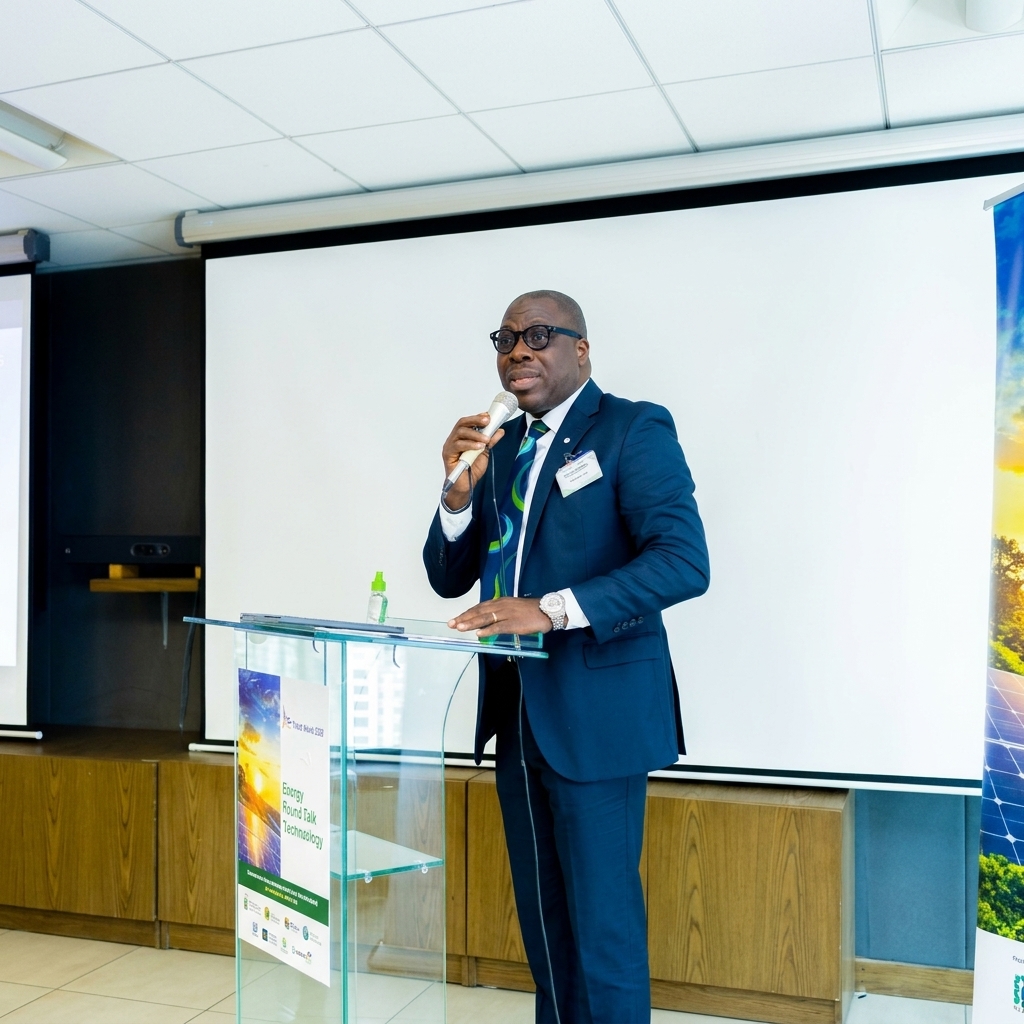
It can support electricity generation, provide energy for industries and serve as an input for businesses that depend on a steady supply of power. However, these benefits depend on the ability to produce, process, transport and supply gas at prices that users can afford.
This makes investment in the entire gas value chain important. More production will have limited impact if the infrastructure required to move gas to consumers is not available or if the cost of supply makes it difficult for businesses to use.
TotalEnergies Highlights the Need for a Better Investment Environment
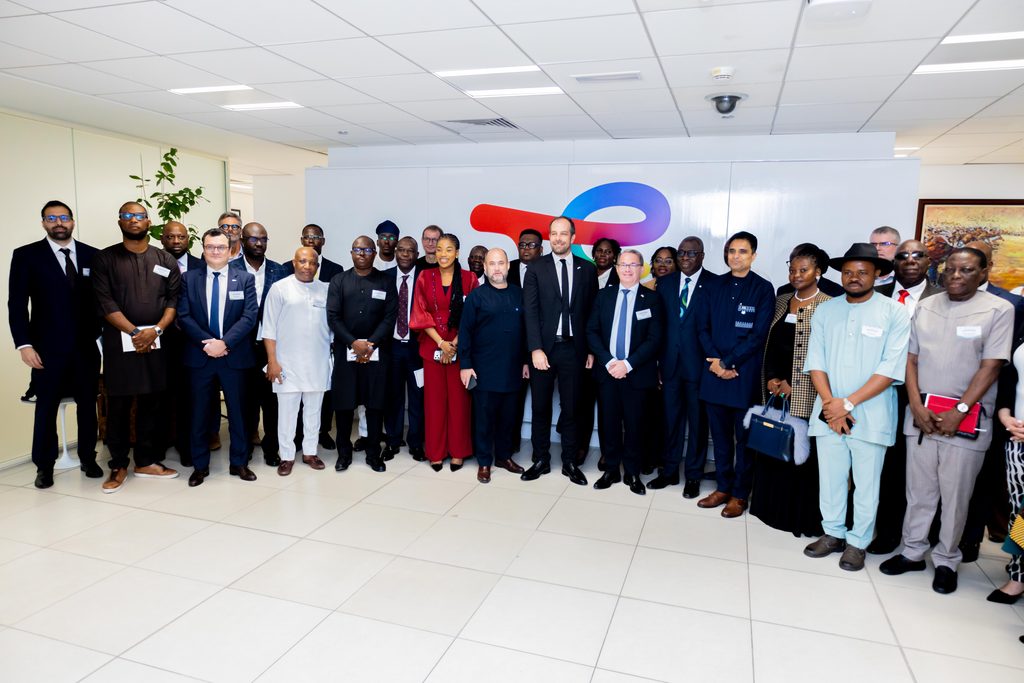
As a major player in Nigeria’s energy industry, TotalEnergies was an important part of the discussions. The Managing Director and Chief Executive of TotalEnergies Upstream Companies in Nigeria, Matthieu Bouyer, served as a co-chair of the roundtable alongside Guillaume Niarfeix.
The discussions highlighted the need for a business environment that encourages companies to invest in energy projects. For investors, decisions are influenced by several factors, including regulations, licensing processes, project costs, pricing arrangements and the time it takes to move a project from planning to production.
Where these conditions are difficult to manage, companies may delay investments or reconsider the commercial value of a project. This can affect the speed at which new energy projects are developed.
Licensing and regulatory processes were among the issues raised in the wider conversation about the challenges of operating in Nigeria’s energy market. Investors need clear rules and a process that allows projects to move forward without unnecessary delays.
Pricing was another important concern. Energy projects require significant funding, and companies must be able to recover their investments. At the same time, the price of gas and other energy products must be considered from the perspective of the businesses and consumers expected to pay for them.
The challenge is to develop a pricing system that supports investment while also making energy available to users. A market that is unable to attract investors may struggle to expand supply, while prices that are too high can make it difficult for industries to remain competitive.
Infrastructure and Investment Must Move Together
Another issue that stood out during the roundtable was the need to connect energy production with the infrastructure required to deliver it.
Nigeria’s energy challenges cannot be addressed through production targets alone. Gas fields, processing facilities, pipelines, power plants and distribution networks must work together. Without the necessary infrastructure, the country may have resources that cannot be fully developed or delivered to the market.
The discussions also brought attention to the need for long-term investment. Energy projects are not usually completed within a short period. They require planning, financing, technical expertise and cooperation between different organisations.
Recent developments show the importance of this approach. In September 2026, TotalEnergies announced a final investment decision with its partner AMNI for the Ima gas development in Nigeria. The project is expected to supply gas to Nigeria LNG and support the expansion of the country’s liquefied natural gas capacity.
Developments such as this show how investment in gas production can support other parts of the energy industry. However, sustaining progress will require more projects, reliable infrastructure and cooperation among companies operating across the sector.
The roundtable provided an opportunity for stakeholders to consider these needs and discuss how partnerships between Nigerian and French businesses could contribute to the development of the industry.
Local Businesses Must Be Part of the Partnership
Beyond investment from international companies, the role of Nigerian businesses was also important to the conversation.
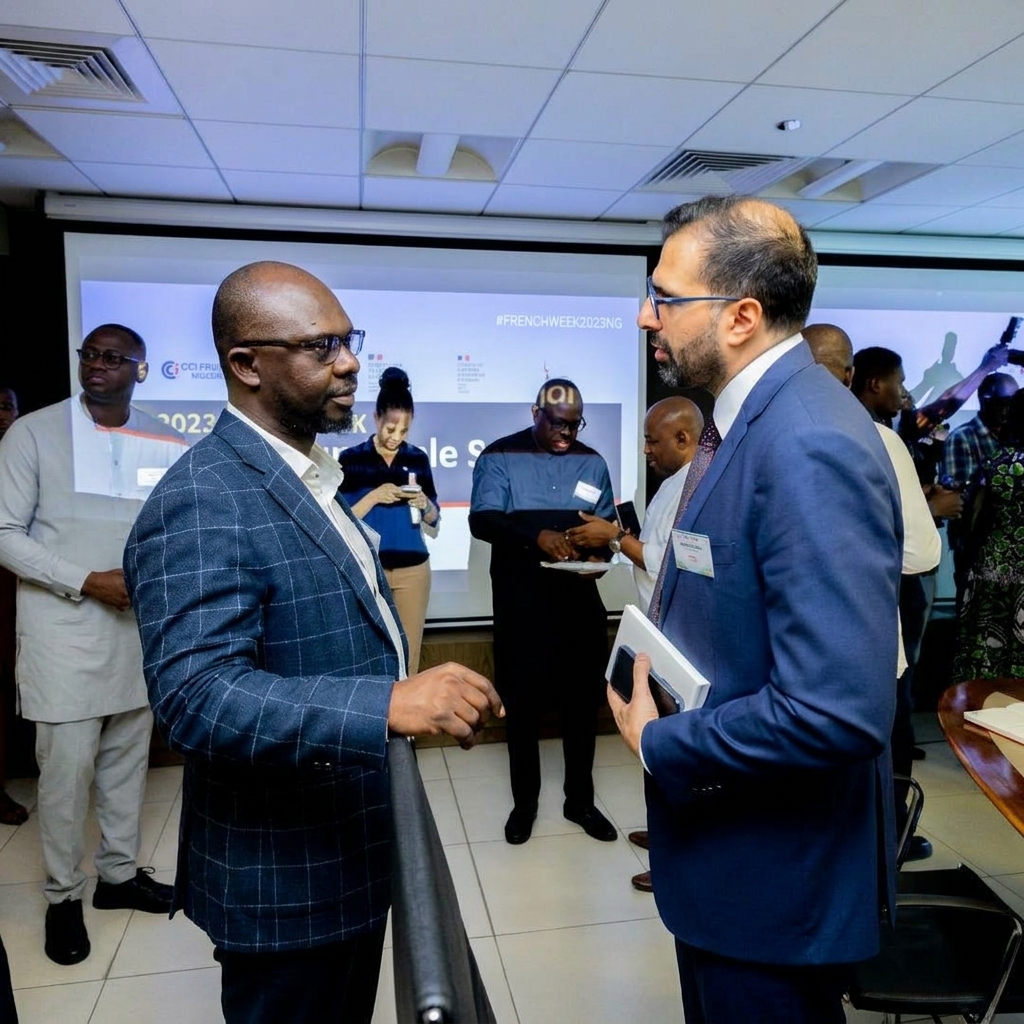
Partnerships between Nigeria and France should create opportunities for local companies to participate in the energy value chain. Nigerian businesses can contribute through engineering services, equipment supply, logistics, maintenance, construction and other support services required by energy projects.
Local participation is important because it allows more of the benefits of investment to remain within the country.
It can also create jobs, support the growth of small and medium-sized businesses and help Nigerian companies build the experience needed to compete in larger projects.
However, local businesses need more than an invitation to participate. They require access to finance, technical knowledge, training and opportunities to meet the standards expected by major energy companies.
Technology transfer is also an important part of this process. When international companies work with Nigerian businesses, there should be opportunities for local professionals to learn, develop their skills and gain experience in the industry.
For Nigeria, this can help reduce dependence on external expertise over time. For French companies, working with capable local partners can also improve their understanding of the market and support the successful delivery of projects.
Balancing Energy Development with the Energy Transition
The energy transition was another part of the wider discussion. Countries around the world are under pressure to reduce emissions and develop cleaner sources of energy. Nigeria must consider these changes while also addressing its need for reliable and affordable energy.
For a country where many businesses still depend on expensive alternative sources of electricity, the transition requires careful planning. Energy development must take into account the country’s current needs, available resources and long-term environmental responsibilities.
Natural gas continues to play an important role in this discussion because it can support power generation and industrial activity. At the same time, investment in cleaner technologies, improved energy efficiency and better environmental practices remains necessary.
The challenge for Nigeria is to build an energy system that can support economic growth without ignoring the need for more sustainable practices. This will require cooperation between government institutions, private companies, investors and technical partners.
France and Nigeria have opportunities to work together in areas such as energy technology, infrastructure development and technical training. Such cooperation can help both countries respond to changes in the global energy market while addressing the needs of the Nigerian economy.
Moving from Discussions to Practical Results
The Energy Roundtable Session formed part of the wider French Week 2026 programme, which is designed to strengthen business connections between Nigeria and France.
The presence of companies and organisations connected to the energy and business sectors, including TotalEnergies, Nigeria LNG, ExxonMobil, NNPC and other industry stakeholders, reflects the range of interests involved in Nigeria’s energy development. French-linked businesses such as Schneider Electric and SPIE Energy Services also represent areas of cooperation in technology and energy services.
The discussions made clear that the relationship between both countries has room to grow, particularly in a sector as important as energy. However, the success of these partnerships will depend on what follows the conversations.
Investors need a business environment that supports long-term projects. Local companies need opportunities to participate and grow. The country also needs infrastructure that can support the movement of energy resources from production sites to industries and consumers.
The roundtable therefore served as an opportunity for stakeholders to examine these issues and consider areas where stronger cooperation could make a difference.
Conclusion
The French Week 2026 Energy Roundtable Session brought attention to some of the major issues affecting Nigeria’s energy sector, from gas supply and pricing to investment, infrastructure and local participation.
It also highlighted the opportunities available for Nigerian and French businesses to work together.
For Nigeria, the priority is to create the conditions that will allow its energy resources to support businesses, industries and economic growth. For France, continued cooperation offers opportunities to contribute expertise, technology and investment to the country’s energy development.
The next step is to turn these conversations into practical partnerships and projects that deliver lasting benefits. As both countries continue to build their business relationship, the energy sector remains an important area where cooperation can create opportunities for investment, businesses and the wider economy.
Follow Amebopreneur for the latest on Nigeria’s tech ecosystem, startup funding opportunities, and the cross-border partnerships shaping Africa’s innovation future.
Related Posts
Nigeria’s Credit Ratings: From Fragile to Credible – What the Upgrades Really Mean
Nigeria’s credit rating upgrades signal renewed investor confidence after major economic reforms. Discover what changed, what it means for businesses and investors, and what lies ahead.
Havelsan and DICON Sign Landmark $2.5 Billion Nigeria Defence MoU Technology Cooperation Agreement at AFRIDEX 2026
Turkish defence technology company Havelsan and Nigeria’s Defence Industries Corporation (DICON) have signed a technology cooperation agreement at AFRIDEX 2026. Discover what the partnership covers, why it matters for Nigeria’s defence technology sector, and what it could mean for local innovation and industrial growth.
UK Connects 25 Nigerian Tech Startups With Global Investors: Investment Matchmaking Programme Opens New Growth Opportunities
The UK government has connected 25 Nigerian technology startups with 15 investors through a strategic investment matchmaking programme at Moonshot 2026 in Lagos, helping founders access capital, international markets and global partnerships.
French Investment in Nigeria Expands: Trade Hits $4.7 Billion
French investment in Nigeria is gaining momentum as bilateral trade reaches $4.7 billion and more than 100 French companies expand across retail, hospitality, logistics, agribusiness and infrastructure. Discover the latest facts, projects, dates and what they mean for Nigeria’s economy.

Beyond the Hype: How Artificial Intelligence Is Reshaping Work, Learning and Business in Nigeria
Discover how AI is transforming work, education and business in Nigeria, the opportunities it offers, the risks to watch and how to prepare for an AI-driven future.