

Nigeria’s Credit Ratings: From Fragile to Credible – What the Upgrades Really Mean
For years, Nigeria’s sovereign credit ratings sat in the lower reaches of speculative grade. By late 2022 and early 2023, Fitch had the country at B- with a negative outlook, Moody’s at Caa1, and S&P at B-. These ratings signalled high perceived risk, limited investor appetite, and elevated borrowing costs for both government and the private sector.
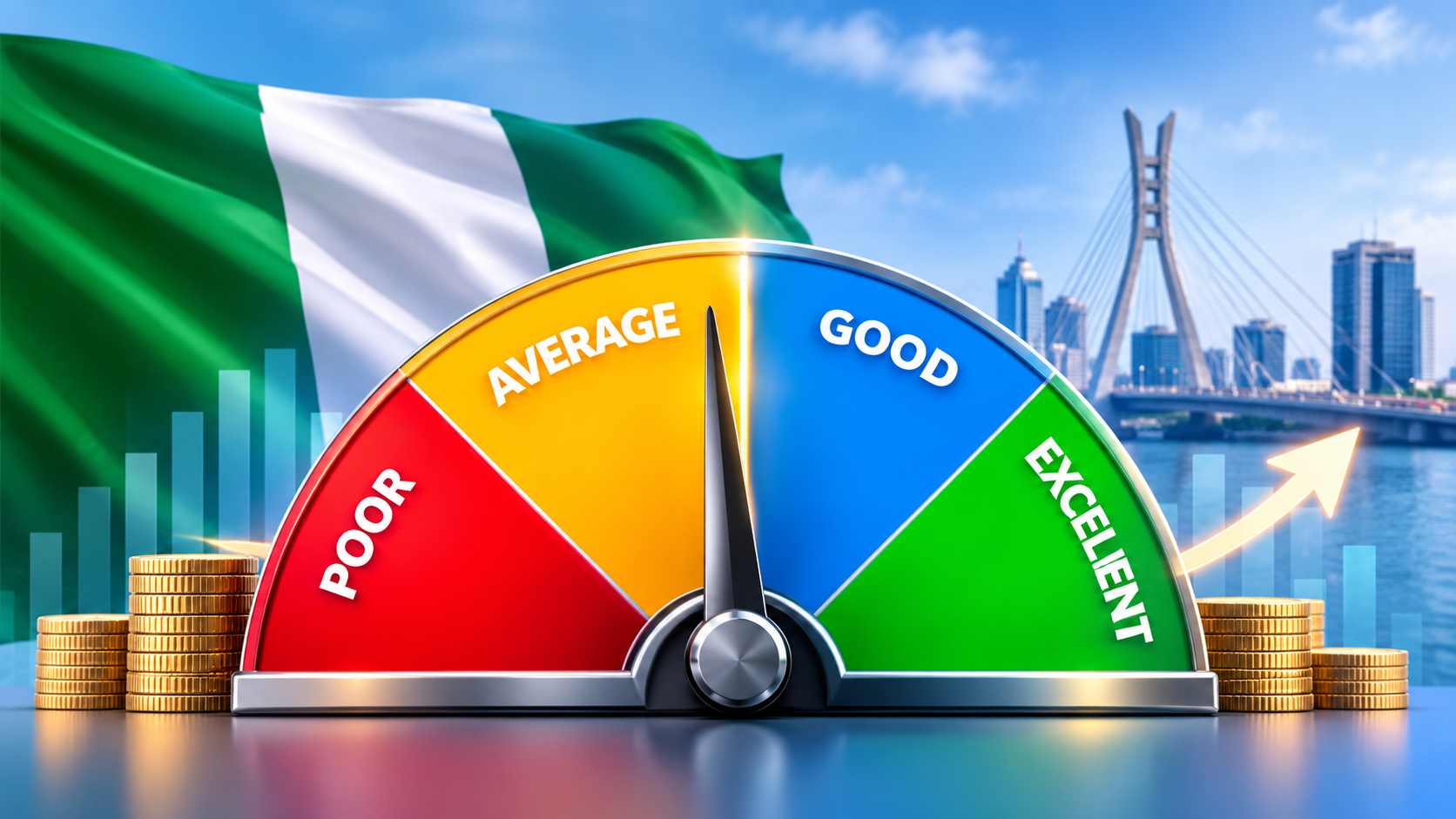
By late 2026, the picture has shifted. Fitch has moved Nigeria to B with a positive outlook, Moody’s to B3 with a positive outlook, and S&P to B with a stable outlook. All three major agencies have either upgraded the rating or improved the outlook. The change is not cosmetic. It reflects a measurable improvement in fiscal credibility, external buffers, and policy consistency.
Here’s the clear comparison of the ratings:
| 2023 (pre-major reforms) | Late 2026 |
| Fitch: B- | Fitch: B (Positive outlook) |
| Moody’s: Caa1 | Moody’s: B3 (Positive outlook) |
| S&P: B- | B (Stable outlook) |
“Following three years of sustained structural reforms, Nigeria’s creditworthiness has improved.”
This improvement did not happen by accident. It was driven by a series of difficult but deliberate reforms. Understanding those reforms, their costs, and their gains is essential for business leaders, policymakers, and anyone trying to read Nigeria’s economic trajectory.
The Core Reforms and Their Real Impact
1. Removal of the Fuel Subsidy
The petrol subsidy had become one of the largest and least transparent drains on public finances. It consumed trillions of naira annually, largely benefiting higher-income groups and creating opportunities for rent-seeking, while leaving the government with less room for capital spending and social investment.
Removing it in mid-2023 produced immediate and severe pain. Transport costs surged, food prices rose, and household purchasing power was squeezed. Businesses faced higher operating costs, particularly those reliant on logistics and generators. Inflation accelerated sharply in the months that followed.
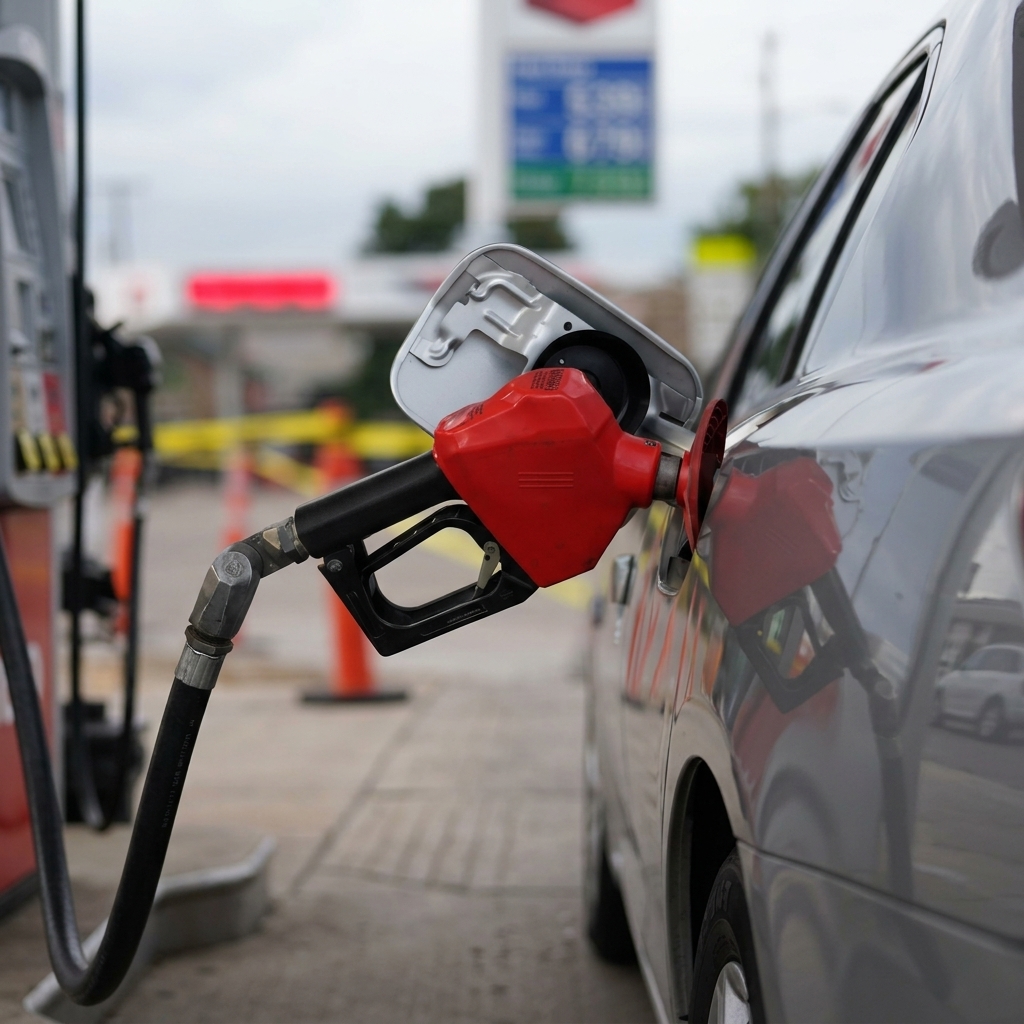
The gains, however, were substantial. The government has reported significant fiscal savings estimated in the trillions of naira over the subsequent period that improved federation account allocations to states and local governments and created space for infrastructure spending and wage adjustments.
More importantly, the reform removed a structural distortion that had long undermined fiscal sustainability. Rating agencies viewed the decision as evidence that the government was prepared to confront politically difficult but economically necessary choices.
2. Unification of the Exchange Rate
For years, Nigeria operated multiple exchange rates. The official rate, the investors’ and exporters’ window, and the parallel market often diverged widely. This created arbitrage opportunities, discouraged formal foreign investment, and made it difficult for legitimate businesses to access foreign currency at transparent prices.
Unifying the rates and allowing greater market determination was another painful step.
The naira depreciated significantly, raising the naira cost of imports, external debt service, and many dollar-linked contracts. Importers and manufacturers faced higher input costs, and the initial volatility unsettled markets.
Over time, the benefits became clearer. Greater transparency improved price discovery, reduced the backlog of unmet foreign exchange demands, and encouraged more formal inflows. External reserves have strengthened notably, and the gap between official and parallel rates has narrowed.
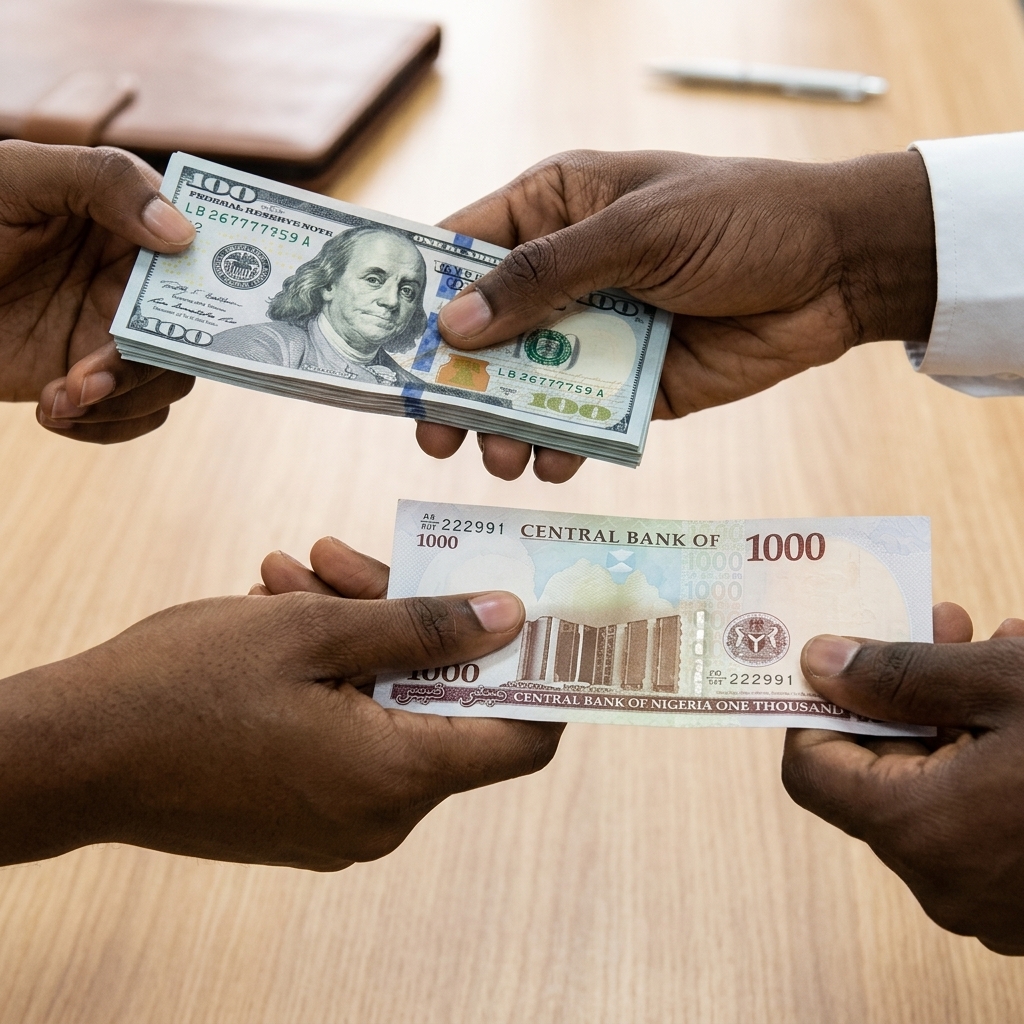
For rating agencies, the reform signalled a shift toward more orthodox and credible monetary and exchange-rate management, a key factor in the improved assessments of Nigeria’s external position.
3. Fiscal Discipline, Revenue Mobilisation, and Debt Management
Beyond the two headline reforms, the government has pursued tighter fiscal management, efforts to broaden the revenue base, and more transparent debt practices.
Tax administration has been strengthened, non-oil revenue collection has improved in relative terms, and there has been greater focus on the sustainability of public debt.
These measures have not eliminated fiscal pressures. Debt service remains high, and the cost of living adjustments required to cushion the impact of earlier reforms have absorbed a significant portion of the newly available resources.
Yet the direction of travel reduced reliance on deficit monetisation, clearer fiscal rules, and better coordination between monetary and fiscal policy has been recognised by the rating agencies as a material improvement in policy credibility.
What the Upgrades Actually Deliver
Higher credit ratings do not automatically transform an economy. They do, however, change the terms of engagement with global capital markets. A stronger rating typically lowers the risk premium investors demand, which can reduce the government’s cost of borrowing over time. It also improves the perception of Nigerian assets among international portfolio managers and can support better pricing for corporate issuers who are benchmarked against the sovereign.
For businesses, the indirect benefits matter. Greater external stability and improved investor confidence can support foreign direct investment, portfolio inflows, and more predictable access to foreign exchange. Over the medium term, these conditions make it easier for firms to plan, invest, and expand.
At the same time, the upgrades remain within the speculative grade. Nigeria is still some distance from investment-grade status. Sustaining the gains will require continued fiscal discipline, further progress on revenue mobilisation, effective management of inflation, and visible delivery of infrastructure and social outcomes that justify the short-term sacrifices.
The Unfinished Task
The rating improvements of 2025–2026 mark a meaningful restoration of credibility after years of policy uncertainty and macroeconomic fragility. They reward the political courage required to confront long-standing distortions. They do not, however, erase the social costs of the adjustment or guarantee that the path ahead will be smooth.
Whether the fiscal space created by reform is used productively, whether inflation continues to moderate, whether the private sector experiences a genuine easing of constraints, and whether the improved external position is maintained through consistent policy rather than temporary inflows, the real test lies in the years ahead.
Ultimately, Nigeria has moved from a position of high vulnerability to one of restored, if still fragile, credibility. The ratings agencies have acknowledged the progress.

The next phase will determine whether that progress becomes the foundation for durable growth or remains a temporary improvement in perception.
Follow Amebopreneur for the latest on Nigeria’s tech ecosystem, startup funding opportunities, and the cross-border partnerships shaping Africa’s innovation future.
Related Posts

French Week 2026: Energy Roundtable Session Explores Nigeria-France Energy Partnership
Nigeria and France are exploring how to turn Nigeria’s vast gas resources into reliable power, unlock energy investments and drive industrial growth.

Havelsan and DICON Sign Landmark $2.5 Billion Nigeria Defence MoU Technology Cooperation Agreement at AFRIDEX 2026
Turkish defence technology company Havelsan and Nigeria’s Defence Industries Corporation (DICON) have signed a technology cooperation agreement at AFRIDEX 2026. Discover what the partnership covers, why it matters for Nigeria’s defence technology sector, and what it could mean for local innovation and industrial growth.
UK Connects 25 Nigerian Tech Startups With Global Investors: Investment Matchmaking Programme Opens New Growth Opportunities
The UK government has connected 25 Nigerian technology startups with 15 investors through a strategic investment matchmaking programme at Moonshot 2026 in Lagos, helping founders access capital, international markets and global partnerships.

French Investment in Nigeria Expands: Trade Hits $4.7 Billion
French investment in Nigeria is gaining momentum as bilateral trade reaches $4.7 billion and more than 100 French companies expand across retail, hospitality, logistics, agribusiness and infrastructure. Discover the latest facts, projects, dates and what they mean for Nigeria’s economy.

Beyond the Hype: How Artificial Intelligence Is Reshaping Work, Learning and Business in Nigeria
Discover how AI is transforming work, education and business in Nigeria, the opportunities it offers, the risks to watch and how to prepare for an AI-driven future.