

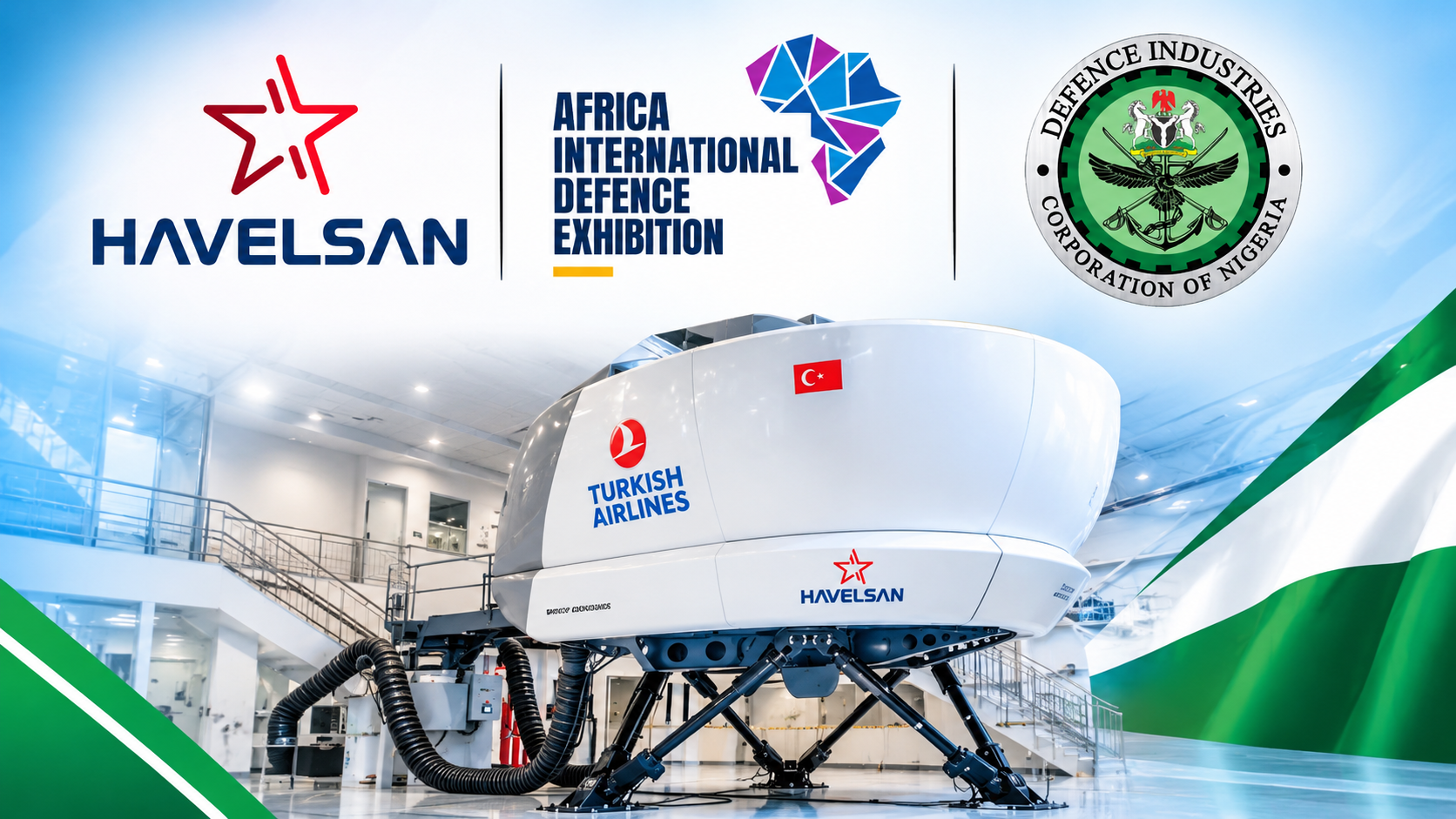
Havelsan and DICON Sign Landmark $2.5 Billion Nigeria Defence MoU Technology Cooperation Agreement at AFRIDEX 2026
The Havelsan Nigeria defence MoU is one of the most talked-about announcements from Africa’s newest defence show.
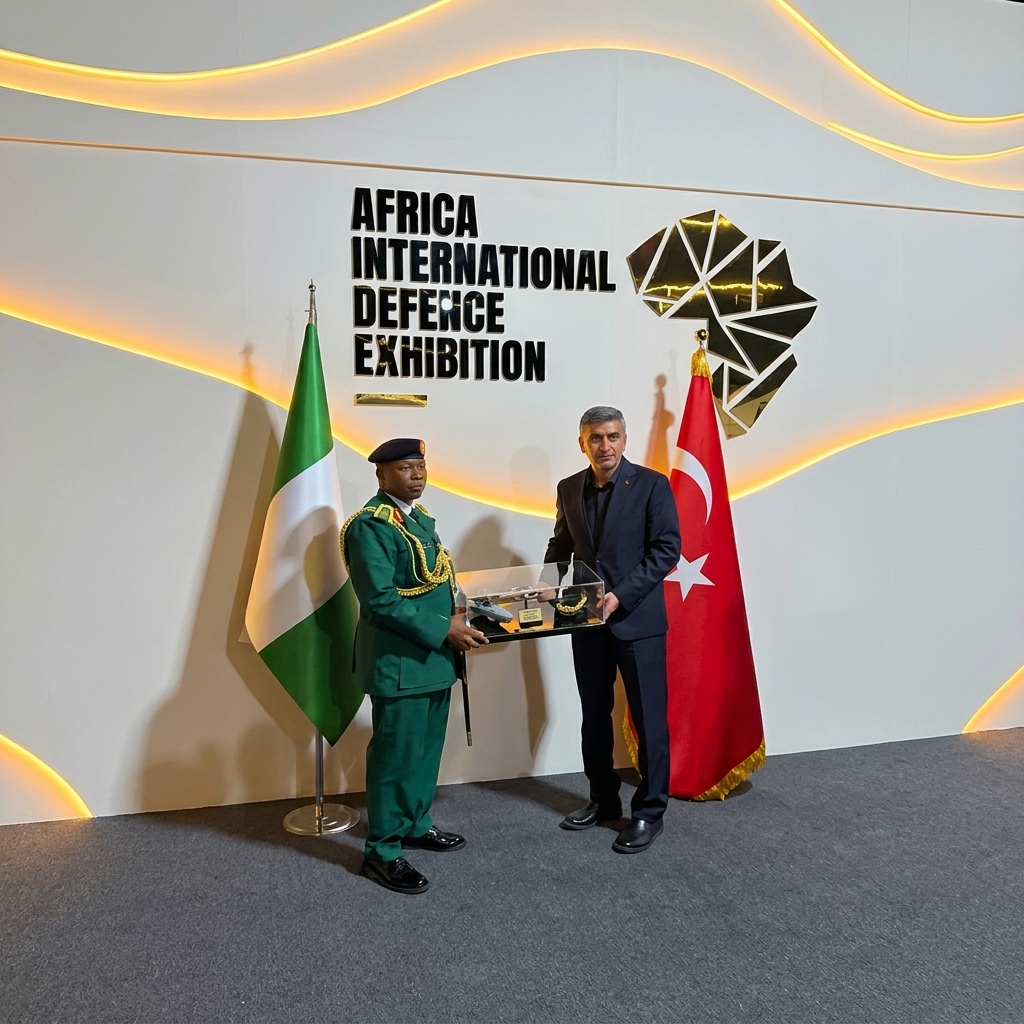
Nigeria’s defence technology sector took another significant step toward industrial collaboration on October 30, 2026, when Turkish defence technology company Havelsan signed a Memorandum of Understanding (MoU) with the Defence Industries Corporation of Nigeria (DICON) during the Africa International Defence Exhibition (AFRIDEX) 2026 in Lagos.
Rather than representing a procurement contract or immediate commercial project, the agreement establishes a formal framework for both organisations to explore long-term cooperation in advanced defence technologies, technology transfer, skills development, and joint innovation.
This shows Nigeria’s growing ambition to strengthen indigenous defence manufacturing and technological capability through international partnerships while positioning itself as an emerging participant in Africa’s rapidly evolving defence technology ecosystem.
AFRIDEX 2026 in Lagos
AFRIDEX stands for the Africa International Defence Exhibition. The official launch took place in Abuja on 25 November 2025, according to the organisers’ own announcement.
The show therefore provided a ready-made stage for deals like this one. One early news report gave different dates, but the organisers’ and government-linked sources consistently say 26 to 29 October.
The said agreement was signed during the 2026 edition of the event, the inaugural Africa International Defence Exhibition held from October 26 to October 29, 2026, at Eko Atlantic, Lagos.
Hosted by DICON under the patronage of the Federal Government of Nigeria, the exhibition brought together defence ministries, military leaders, technology companies and manufacturers from across Africa and around the world to discuss security cooperation, industrial partnerships and technological innovation.
The Havelsan-DICON memorandum followed a dedicated Türkiye – Nigeria Industrial Cooperation Panel, where government officials and industry leaders examined opportunities for joint manufacturing, technology transfer, investment, industrial cooperation and workforce development between both countries.
Who Is Who
Havelsan is one of Türkiye’s leading defence technology companies, specialising in advanced software-driven defence solutions rather than conventional weapons manufacturing.
The company develops technologies covering military command systems, cybersecurity, autonomous platforms, simulation, training systems and digital defence infrastructure for governments and armed forces.
A separate profile describes it as a premier defence contractor in Türkiye known for defence, simulation, IT, and cybersecurity solutions.
Its expertise has increasingly attracted international partnerships as countries seek to modernise defence capabilities through software, artificial intelligence, digital communications and integrated security systems instead of relying solely on traditional military hardware.
On the Nigerian side, the Director-General of DICON is Major-General Babatunde Ibrahim Alaya.
DICON is the state-run defence corporation of Nigeria, headquartered in Kaduna and operated by the Nigerian Armed Forces.
The Quotes That Matter
During AFRIDEX, Adetokunbo Ogundeyin, Managing Director of Proforce, also stressed the importance of stronger collaboration between international manufacturers and Nigerian defence companies.
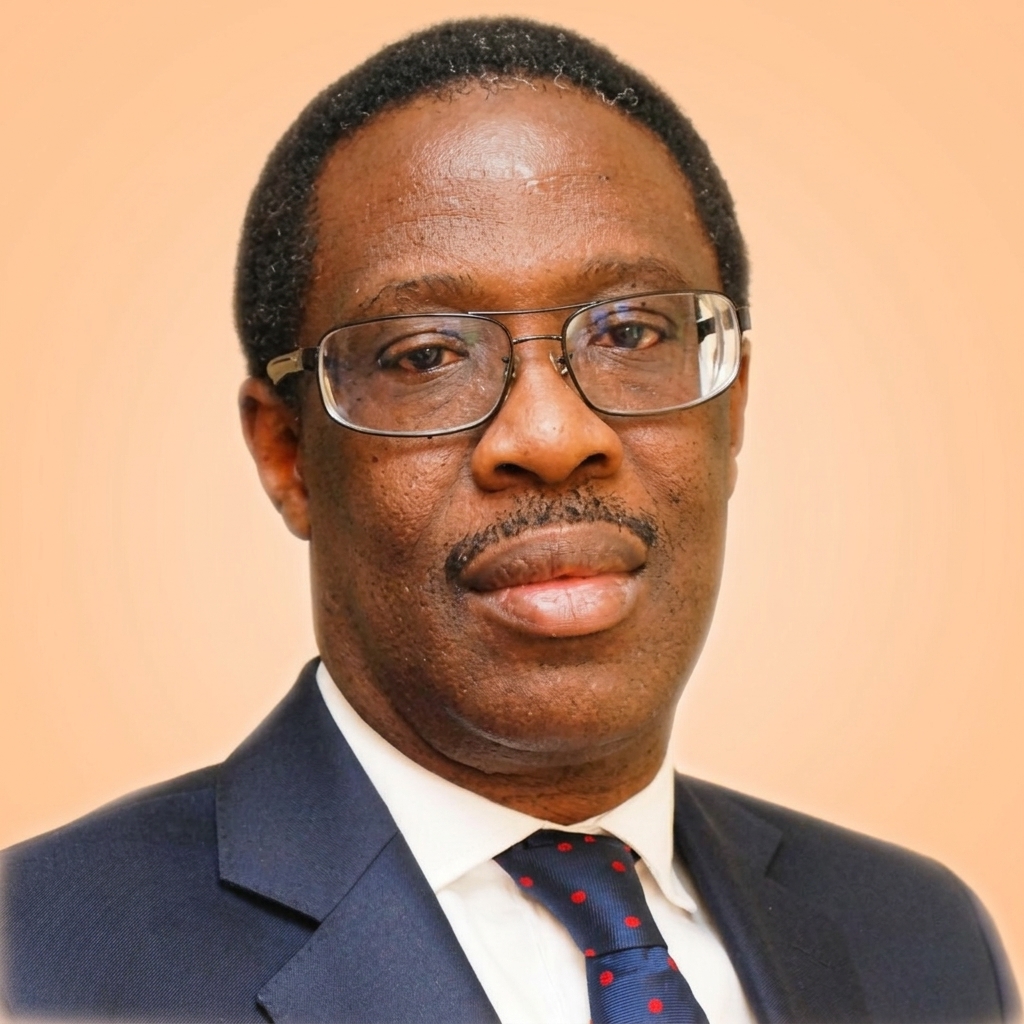
He identified simulation technologies, software integration, autonomous systems and maintenance capabilities as areas where local development could significantly expand.
According to the statement, Alaya called the partnership “a significant milestone” in Nigeria’s push toward defence industrialisation. He also urged Havelsan to implement the agreement promptly and turn its provisions into real technological capabilities for Nigeria’s security challenges.
Unal said AFRIDEX 2026 was a valuable platform for finding strategic partners. He added that Havelsan intends to work alongside indigenous manufacturers rather than compete with them and that the cooperation could open wider defence-industrial opportunities across Africa.
The memorandum reflects Nigeria’s increasing engagement with international defence partners.
During AFRIDEX 2026, Nigeria’s Chief of Defence Staff, General Olufemi Oluyede, held discussions with delegations from Poland, Italy, the United States and U.S. Africa Command covering defence technology, equipment requirements, operational cooperation and training.
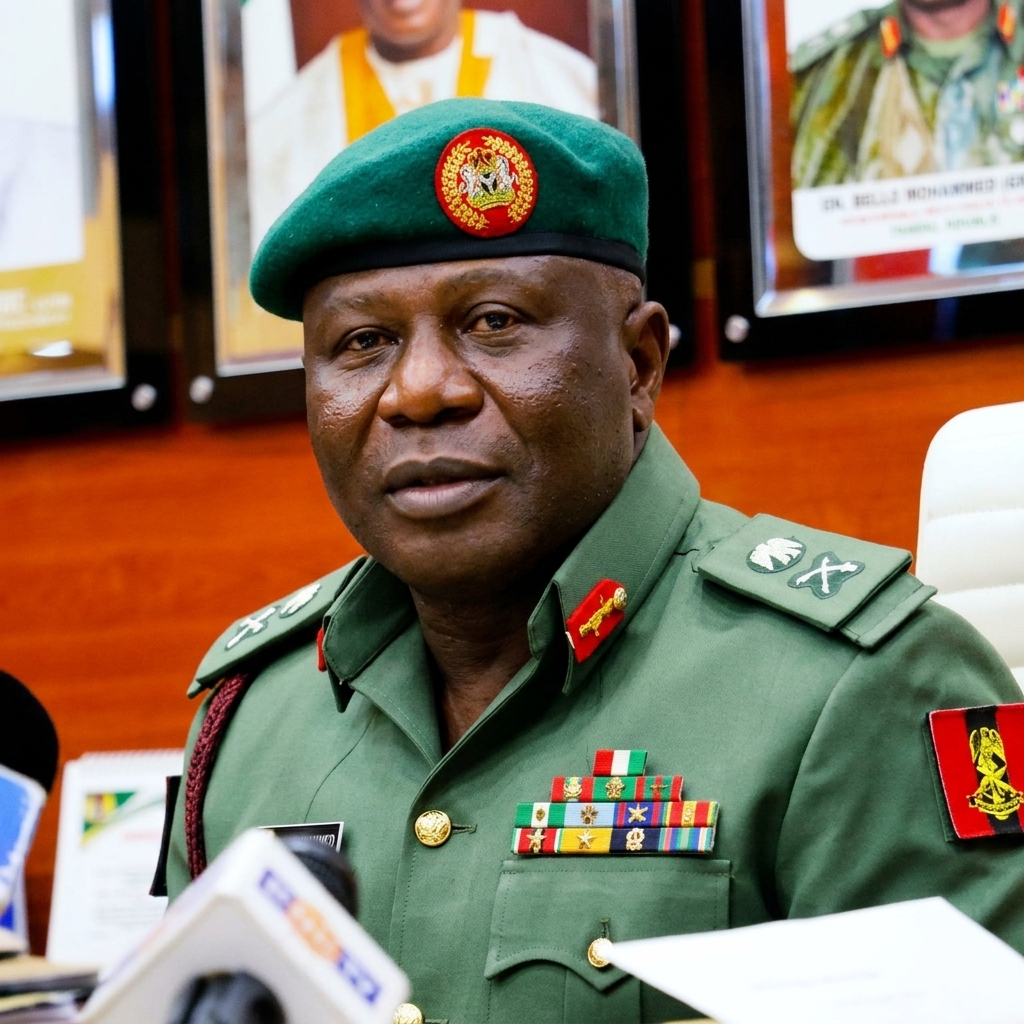
The exhibition also attracted companies and official delegations from Europe, the Middle East, Africa and North America, highlighting Nigeria’s growing role as a regional platform for defence industry collaboration.
Technology Focus Areas and the $2.5 Billion Figure
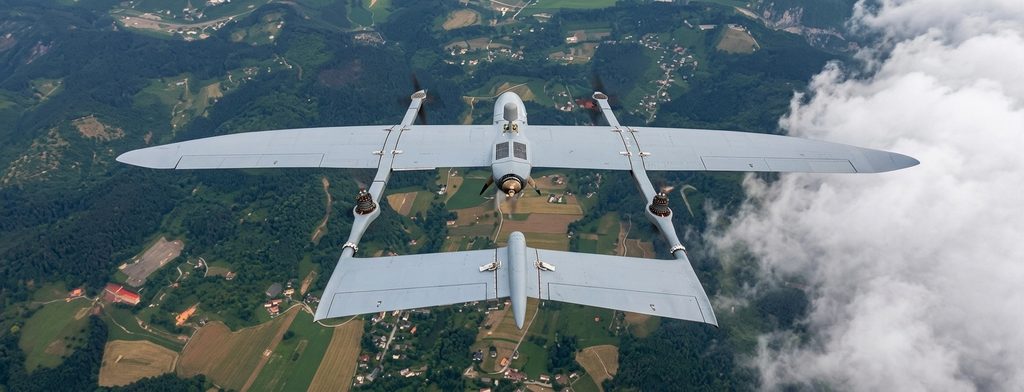
According to DICON, the MoU covers command and control systems, autonomous systems, digital transformation, artificial intelligence, and cybersecurity. Turkish media coverage frames the cooperation in similar terms and mentions areas ranging from C4ISR to cybersecurity. The statement put the projected value of the venture at approximately $2.5 billion.
That figure is a projection attributed to DICON, not a confirmed contract price, payment, or investment. Havelsan’s Turkish-language announcement is more modest. It speaks of developing defence cooperation, assessing opportunities for joint technology projects, and turning the framework into concrete projects.
The DICON Act 2023 and a federal directive to promote indigenous technology underpin DICON’s recent partnerships. Earlier in 2026, DICON signed an MoU with Terra Industries on 23 February 2026. Alaya called it “a transformational step” toward cutting import dependence.
DICON also signed an MoU with EIB Group to expand defence manufacturing capabilities. Nigeria’s defence spending adds to the momentum. The proposed 2025-2026 defence budget was ₦4.91 trillion, about $3.46 billion. Defence is a niche sector, but the steady stream of agreements shows technology transfer into Nigeria is gaining speed.
According to information released following the signing ceremony, the memorandum establishes cooperation across several strategic technology areas.
The agreement includes collaboration on Command, Control, Communications, Computers, Intelligence, Surveillance and Reconnaissance (C4ISR) technologies, simulation and military training systems, unmanned and autonomous systems, information and communication technologies, integrated security solutions and cybersecurity.
Rather than committing both parties to immediate procurement programmes, the memorandum provides a framework through which Havelsan and DICON will assess potential projects, identify mutually beneficial opportunities and develop long-term technological cooperation where feasible.
Huge Optimism And The Open Questions
The positive case is strong. If the MoU becomes a real project, Nigeria could gain skills, local production, and more self-reliance. The reasons for caution are just as real. An MoU is a statement of intent and not a binding purchase order.
Nigeria has repeatedly stated that expanding domestic manufacturing capability, building technical expertise and encouraging local industrial participation are priorities for the country’s defence sector.
During discussions surrounding the exhibition, the Minister of State for Defence, Bello Matawalle, identified investment, technology transfer and the development of local technical expertise as key priorities for strengthening Nigeria’s domestic defence capabilities.
Conclusion
The Havelsan Nigeria defence MoU signed at AFRIDEX 2026 is a verified and significant development.
The Havelsan memorandum aligns directly with that broader objective by focusing on collaboration rather than a one-off equipment purchase. Nigeria has increasingly promoted local defence production through DICON and partnerships with domestic manufacturers.
The Havelsan agreement complements these efforts by creating opportunities to explore shared research, software integration, advanced engineering and technical knowledge exchange.
Although defence technology represents a specialised industry, its impact often extends well beyond military applications.
Technologies such as cybersecurity, secure communications, artificial intelligence, simulation software, autonomous systems and advanced digital infrastructure frequently generate innovations that later find commercial applications across transportation, aviation, emergency management, telecommunications, manufacturing and critical infrastructure.
This makes technology partnerships such as the Havelsan-DICON agreement relevant not only for national security but also for industrial development, workforce skills and broader technological capability.
Follow Amebopreneur for the latest on Nigeria’s tech ecosystem, startup funding opportunities, and the cross-border partnerships shaping Africa’s innovation future.
Related Posts

Nigeria’s Credit Ratings: From Fragile to Credible – What the Upgrades Really Mean
Nigeria’s credit rating upgrades signal renewed investor confidence after major economic reforms. Discover what changed, what it means for businesses and investors, and what lies ahead.
UK Connects 25 Nigerian Tech Startups With Global Investors: Investment Matchmaking Programme Opens New Growth Opportunities
The UK government has connected 25 Nigerian technology startups with 15 investors through a strategic investment matchmaking programme at Moonshot 2026 in Lagos, helping founders access capital, international markets and global partnerships.

French Investment in Nigeria Expands: Trade Hits $4.7 Billion
French investment in Nigeria is gaining momentum as bilateral trade reaches $4.7 billion and more than 100 French companies expand across retail, hospitality, logistics, agribusiness and infrastructure. Discover the latest facts, projects, dates and what they mean for Nigeria’s economy.

Beyond the Hype: How Artificial Intelligence Is Reshaping Work, Learning and Business in Nigeria
Discover how AI is transforming work, education and business in Nigeria, the opportunities it offers, the risks to watch and how to prepare for an AI-driven future.
10 Young Nigerian Startups Win ₦21 Million In Grants: Meet The Entrepreneurs Behind The Ideas
Ten young Nigerian startups win a ₦21 million grant and a Korea trip at the ACE Startup Academy finale. Here are the verified facts.