

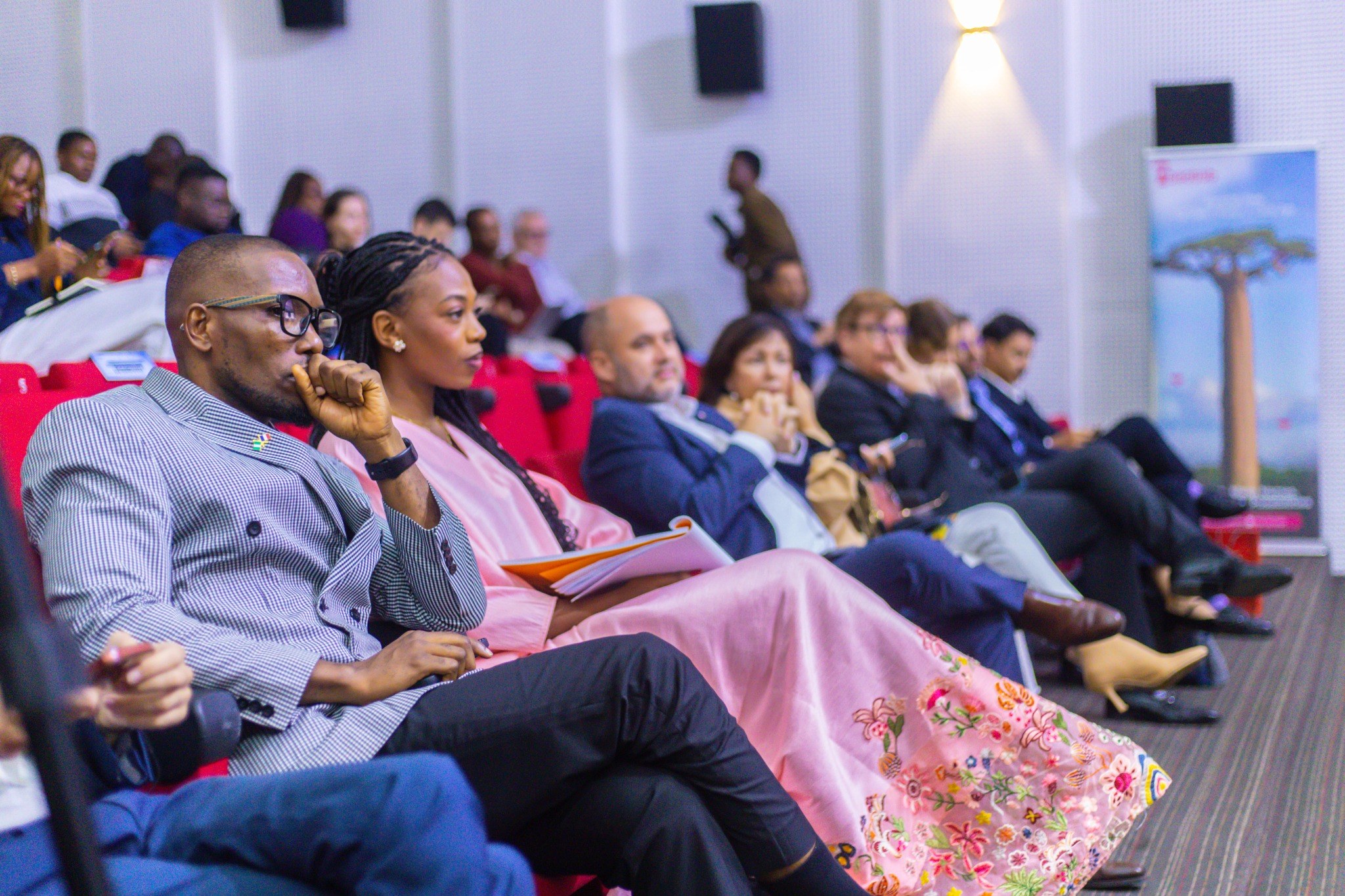
French Week 2026: Reinforcing the Resilience of the Nigerian Startup Ecosystem
The French Tech Summit 2026 brought together technology entrepreneurs, investors, business leaders and other stakeholders to discuss the future of Nigeria’s startup ecosystem and explore ways to build businesses that can survive and grow in a changing business environment.
Held on Tuesday, November 3, 2026, at the Alliance Française Mike Adenuga Centre in Ikoyi, Lagos, the summit was organised by French Tech Lagos in collaboration with the Franco-Nigerian Chamber of Commerce and Industry (FNCCI). It was held under the theme, “Reinforcing the Resilience of the Nigerian Startup Ecosystem.”
The summit provided a platform for discussions on investment, technology, talent development and international partnerships, with participants examining some of the challenges facing startups and the opportunities available to businesses operating in Nigeria’s technology sector.
Opening Remarks Emphasise Stronger Cooperation
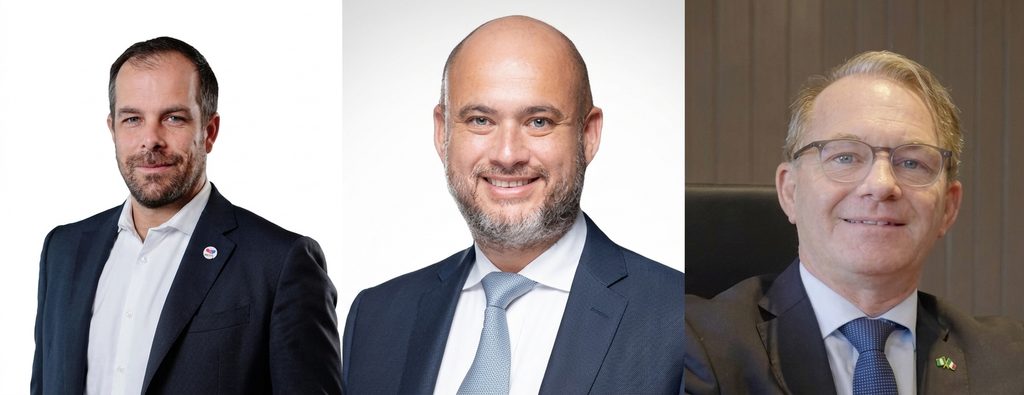
The summit opened with welcome remarks from Yann Gilbert, Guillaume Niarfeix and Laurent Favier, who highlighted the importance of strengthening connections between the French and Nigerian business communities.
Yann Gilbert spoke about the development of French Tech Lagos and the importance of creating a stronger platform for technology entrepreneurs and other stakeholders. Speaking about the organisation’s plans, his remarks reflected the need to build an ecosystem where startups can connect with investors, exchange ideas and access opportunities that support their growth.
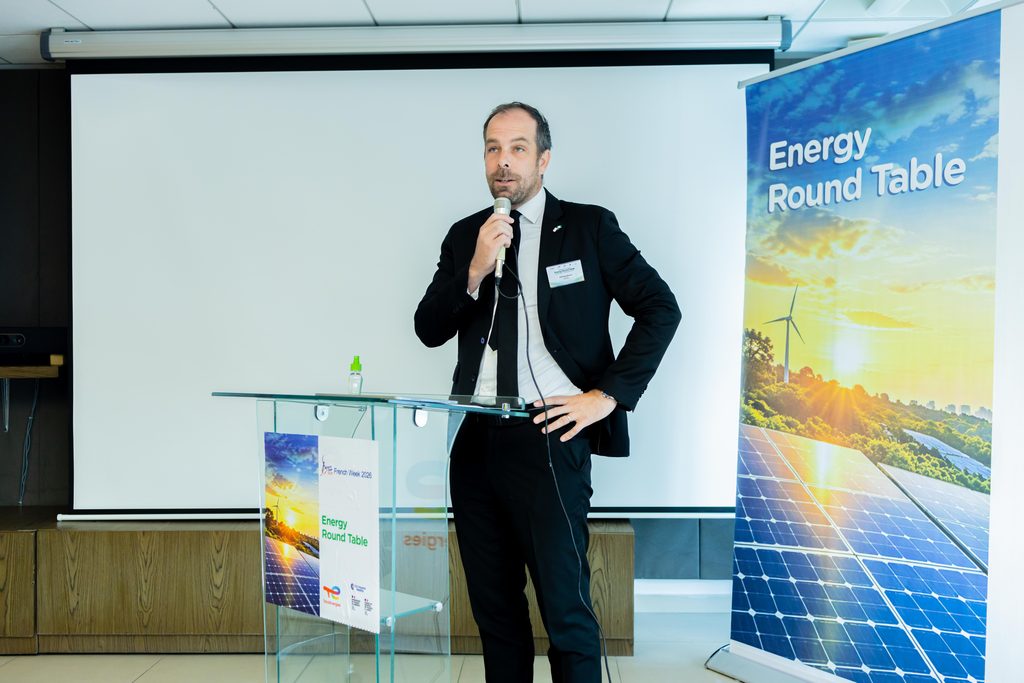
“Our priority for 2026 and somehow 2027 is to structure the organisation.”
Yann Gilbert
Guillaume Niarfeix, President of the FNCCI, highlighted the importance of business cooperation between France and Nigeria. He emphasised the role of the business community in creating opportunities for partnerships and supporting economic activities across both countries. He also referred to the FNCCI’s membership of “over 500 members,” highlighting the size of the business network available to support cooperation.
Laurent Favier, Consul General of France in Lagos, also addressed the importance of continued cooperation, investment and talent development. His remarks reinforced the need for stronger relationships between both countries, particularly in an industry where knowledge, innovation and international connections can support business growth.
The opening session set the direction for the summit, bringing attention to the need for an environment where Nigerian startups can develop their ideas, access support and compete within the wider technology market.
Bpifrance Launches Africa Forward Community in Lagos
Following the opening remarks, attention moved to the launch of the Africa Forward Community in Lagos, an initiative led by Bpifrance to strengthen connections between businesses, investors and entrepreneurs across Africa and other markets.
During the launch, the initiative was described as an “official launch… here in Lagos, in Nigeria.”
The community, which is already present in more than 40 countries, is designed to create opportunities for networking, knowledge sharing and business partnerships. Through the initiative, entrepreneurs and investors can connect with other members of the business ecosystem and explore opportunities for collaboration.
The platform also provides access to EuroQuity, which helps connect businesses with investors and organisations that support enterprise development.
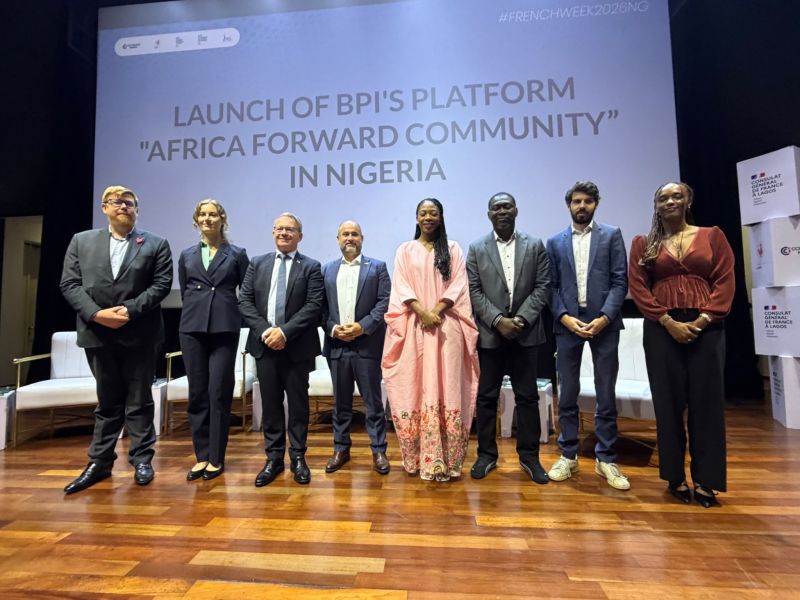
The launch was an important part of the summit because it introduced another avenue through which Nigerian startups and technology businesses could build relationships beyond the local market. It also supported the wider discussion about the importance of international partnerships in helping businesses access knowledge, investment and new opportunities.
For startups looking to expand, such connections can provide access to people and resources that may otherwise be difficult to reach. The initiative therefore complemented the summit’s focus on strengthening the Nigerian startup ecosystem through cooperation and shared opportunities.
Panel Discussions Examine the Challenges Facing Startups
The summit also featured panel discussions that examined some of the challenges facing technology businesses and the steps required to build a more resilient startup ecosystem.
One of the discussions focused on the theme of “Growing Under Constraint”, bringing attention to the realities of building and expanding businesses in an environment where startups must manage limited resources, changing market conditions and competition.
The conversation examined how businesses can continue developing their products and services despite the difficulties associated with operating in a challenging environment. It also highlighted the importance of making practical business decisions, identifying opportunities and developing strategies that allow companies to remain active and competitive.
For startups, resilience involves more than having a good business idea. Companies also need the right people, adequate resources, access to relevant markets and the ability to adjust when circumstances change.
The discussions therefore brought attention to the need for stronger support structures that can help entrepreneurs move beyond the early stages of building a business and develop companies capable of achieving long-term growth.
Developing Competitive Engineering Teams
Another important area of discussion centred on building resilient and competitive engineering teams.
The panel examined the importance of technical talent in the development of technology businesses, particularly as companies increasingly depend on skilled engineers to build, maintain and improve their products.
Artificial intelligence was also part of the conversation, especially its growing influence on software development and the way engineering teams work. During the discussion, the point was made that “AI isn’t taking your job.” Another statement from the conversation emphasised that “You’re only as important as what you bring value to.”
Participants considered how AI tools could support productivity and improve development processes while recognising that technical knowledge and human judgement remain important.
The discussion also highlighted the need for continuous learning and reskilling. As technology changes, engineers must continue developing their skills to remain relevant and respond to new industry demands.
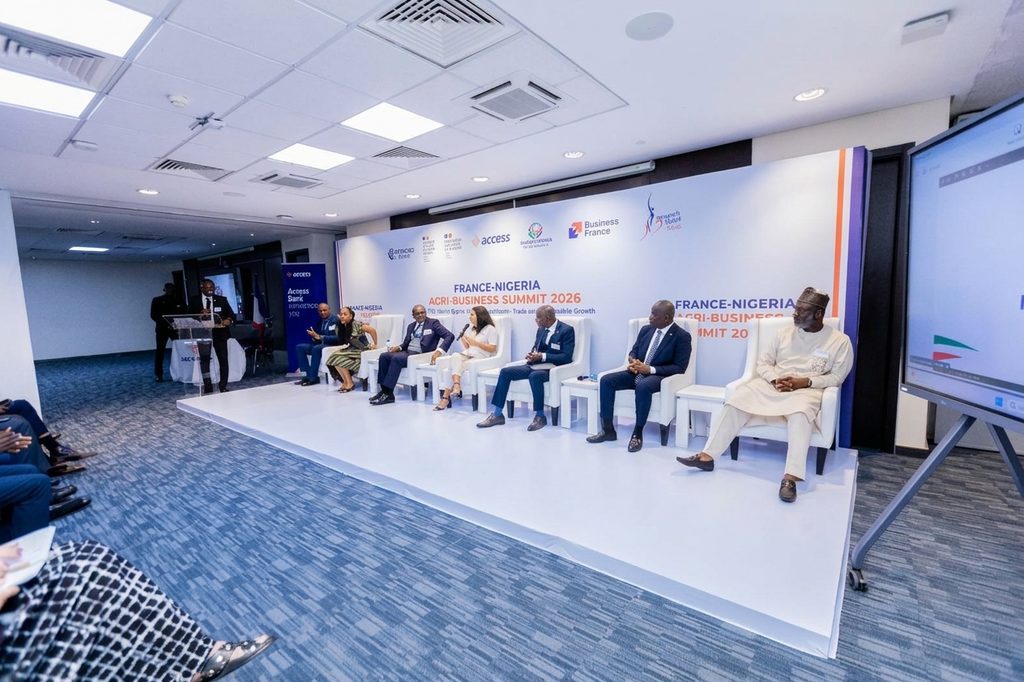
Talent retention was another important consideration. Startups need skilled professionals to develop their products, but attracting and retaining experienced workers can be difficult when companies are competing for the same talent. Career development, working conditions and opportunities for professional growth therefore remain important to building stable teams.
The conversation also pointed to the importance of preparing more people for careers in technology through relevant training and stronger connections between educational institutions and the industry.
These discussions reinforced the idea that a resilient startup ecosystem depends not only on funding and technology but also on the people responsible for developing and sustaining businesses.
AI and Web3 Competition Showcases Practical Innovation
Following the discussions, the summit also featured an artificial intelligence (AI) and Web3 competition that gave selected developers an opportunity to demonstrate how emerging technologies could be used to address practical problems.
The competition attracted applications from different locations, including Kaduna and Ile-Ife in Nigeria, as well as Ghana and Côte d’Ivoire. Following the selection process, the number of participants was reduced through different stages, with five developers eventually taking part in the live building challenge.
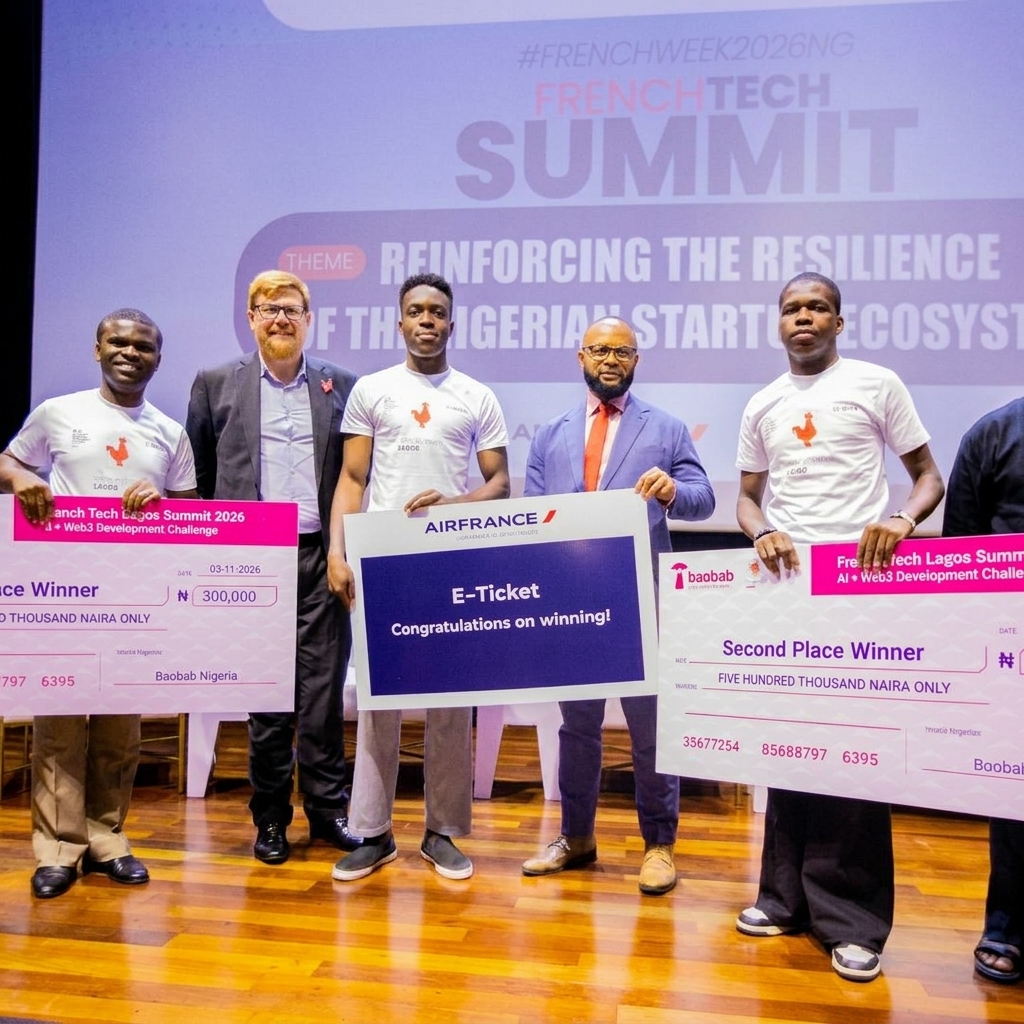
The selected participants were given approximately four hours to develop and present solutions using artificial intelligence and blockchain technology.
The challenge explored the use of tools such as Mistral AI and MetaMask, with the developers working on ideas connected to household savings and financial planning.
One of the solutions demonstrated how technology could help people manage shared savings goals. The proposed platform included features for recording individual contributions, monitoring progress and providing transparency among members of a savings group.
Blockchain technology was considered for maintaining transparent records, while artificial intelligence could support users with insights and recommendations based on their savings activities. The proposed features also included digital dashboards that would allow users to monitor their financial goals.
At the end of the development session, the participants presented their prototypes to a panel of judges, who assessed the ideas and asked questions about their functionality and practical application.
The presentations gave the developers an opportunity to demonstrate their understanding of the technologies and explain how their solutions could address everyday needs.
The competition added a practical dimension to the summit’s discussions. Rather than focusing only on the possibilities of artificial intelligence and blockchain, it showed how developers could combine these technologies to create solutions that respond to real challenges.
Conclusion
The French Tech Summit 2026 brought together important conversations about the future of Nigeria’s startup ecosystem, from international business partnerships and investment opportunities to talent development and emerging technologies.
The launch of the Bpifrance Africa Forward Community provided another platform for connecting businesses across markets, while the panel discussions examined the challenges of building sustainable startups and developing competitive engineering teams.
The AI and Web3 competition also demonstrated the potential of technology to address practical problems through innovation and collaboration.
Overall, the summit reinforced the importance of building an ecosystem where entrepreneurs have access to the right skills, partnerships, investment opportunities and support to develop their businesses. As the Nigerian technology sector continues to grow, sustained cooperation between local and international stakeholders will remain important in helping startups become more resilient and competitive.
Follow Amebopreneur for the latest on Nigeria’s tech ecosystem, startup funding opportunities, and the cross-border partnerships shaping Africa’s innovation future.
Related Posts

Maltina at 50: Why Nigerian Breweries Is Giving the Brand a New Look
After 50 years, Maltina is getting a golden makeover. Discover why Nigerian Breweries is refreshing the iconic brand while keeping its familiar taste and heritage alive.

Beyond the Yield: Nigeria’s Critical Challenge of Turning Portfolio Interest into Long-Term Investment
Nigeria is attracting billions in foreign capital, but is the money building businesses or simply chasing high returns? Discover the investment gap.
France–Nigeria Agri-Business Summit 2026: Strengthening Partnerships, Investment and Sustainable Growth
The France–Nigeria Agri-Business Summit 2026 brought together investors, industry leaders and innovators to unlock agricultural opportunities, strengthen cross-border partnerships and drive sustainable growth.
French Tech Lagos Summit: Reinforcing the Resilience of the Nigerian Startup Ecosystem
The French Tech Lagos Summit 2026 brought together Nigerian and French tech leaders to explore startup resilience, AI innovation, talent development and cross-border investment opportunities.

French Week 2026: Energy Roundtable Session Explores Nigeria-France Energy Partnership
Nigeria and France are exploring how to turn Nigeria’s vast gas resources into reliable power, unlock energy investments and drive industrial growth.