

France–Nigeria Agri-Business Summit 2026: Strengthening Partnerships, Investment and Sustainable Growth
The France–Nigeria Agri-Business Summit 2026 brought together agricultural stakeholders, investors, business leaders, financial institutions, research organisations and government representatives to explore investment opportunities and expand cooperation between France and Nigeria’s agricultural sectors.
Held on Wednesday, November 4, 2026, at Access Bank Headquarters, Victoria Island, Lagos, as part of French Week 2026, the summit was organised under the theme, “France Nigeria: Driving Investments, Trade and Sustainable Growth.”
The event focused on agricultural innovation, access to finance, business partnerships, training and opportunities for sustainable growth.
Exhibition and Opening of the Summit
The programme began with an exhibition featuring organisations from the summit’s Agribusiness Community, which brought together businesses and stakeholders working across different areas of agriculture. Participants showcased their products, services, technologies and activities, giving attendees an opportunity to learn about their contributions to the sector.
Among the organisations represented were the African Quality Assurance Centre (AQAC), Forthworth Farms Limited, Jokun Farms Limited, Sourcing and Produce, and UniLaSalle. Their participation reflected different areas of agricultural activity, including quality assurance, farming, poultry, commodities, technology, sourcing and agricultural education.

The exhibition was followed by the opening remarks, which featured Guillaume Niarfeix, President of the Franco-Nigerian Chamber of Commerce and Industry; Maxime Bieliaeff, Country Director of Business France in Nigeria; and Rachid Benlafquih, Senior Agriculture Counsellor at the Embassy of France in Nigeria.
Their contributions highlighted the importance of translating the existing relationship between France and Nigeria into business opportunities, particularly in agriculture and food production. The speakers also highlighted the role of business connections and institutional support in encouraging companies from both countries to explore areas of cooperation.
This set the tone for the summit’s discussions on investment, agricultural development and opportunities for commercial partnerships.
Building Stronger Connections Through the Agribusiness Club
Following the opening session, attention shifted to the presentation of the France–Nigeria Agribusiness Club (FNABC), which outlined its economic objectives, vision, mandate and membership plans.
The Club was presented as a platform for connecting businesses and stakeholders from both countries, encouraging partnerships, supporting trade opportunities and improving access to relevant business networks.
The session also featured the announcement of the Nigeria Pavilion at the 2027 Salon International de l’Agriculture (SIA 2027) in France. The initiative is expected to provide Nigerian agricultural businesses with an opportunity to showcase their products, connect with international buyers and explore potential business partnerships.
The official launch of the Nigeria Pavilion is scheduled for December 15, 2026, with the involvement of the French Embassy’s Senior Agriculture Counsellor, Business France’s Senior Trade Adviser on AgroTech and the President of the FNABC.
Strengthening Franco-Nigerian Cooperation in Agriculture
The presentation was followed by the official inauguration of the France–Nigeria Agribusiness Club by Laurent Favier, Consul General of France in Lagos.
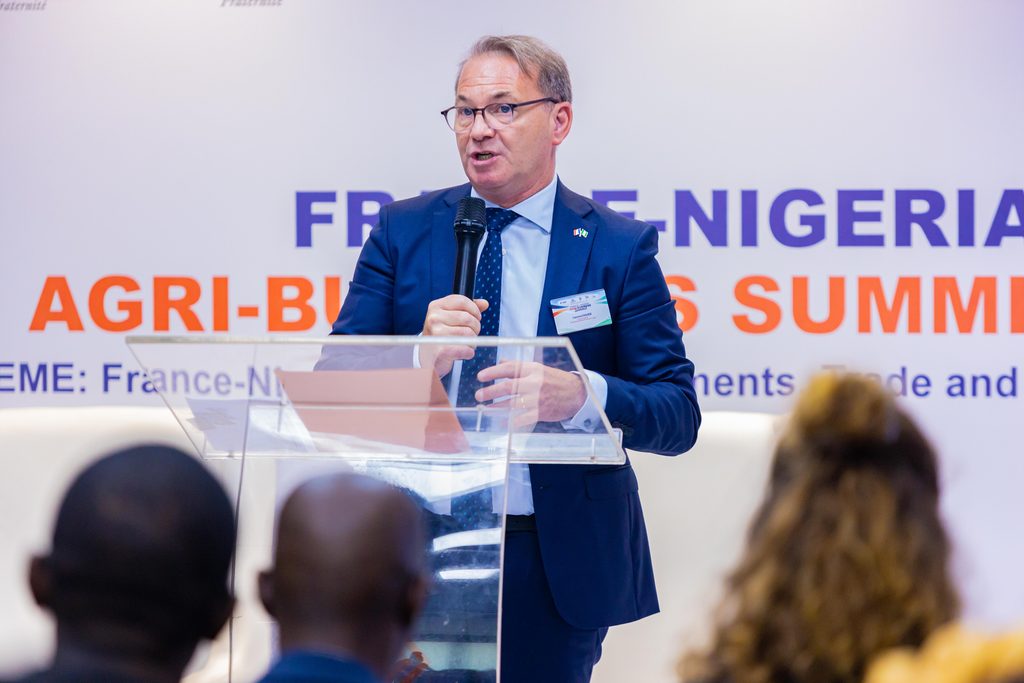
In his address, Favier highlighted the opportunities within Nigeria’s agricultural sector and the potential for French expertise, technology and investment to contribute to its development.
He also drew attention to challenges affecting agricultural production and distribution, particularly infrastructure gaps and post-harvest losses.
He emphasised the importance of improving agricultural facilities, supporting local production and encouraging collaboration between public institutions and private-sector stakeholders.
His remarks reinforced the need to connect Nigeria’s agricultural potential with the investment, technology and expertise required to develop the sector and improve its contribution to the economy.
Bridging the Gap Between Agricultural Research and Practical Solutions
The summit’s keynote address was delivered by Dr Simeon Ehui, Director General of the International Institute of Tropical Agriculture (IITA), under the theme, “Agricultural Innovation and Agribusiness Investment: Opportunities for Sustainable Growth.”
His presentation examined the relationship between agricultural research, innovation and investment, with emphasis on ensuring that scientific discoveries translate into solutions that farmers and agribusinesses can adopt.
Dr Ehui stressed that agricultural research must move beyond laboratories and reach the people responsible for food production. He further emphasised that the adoption of new agricultural technologies depends on the benefits they offer farmers.
Scientific breakthroughs must reach the farmers who produce our food.
A promising technology will not scale unless farmers see value in it.
Dr Simeon Ehui, Director General of the International Institute of Tropical Agriculture (IITA)
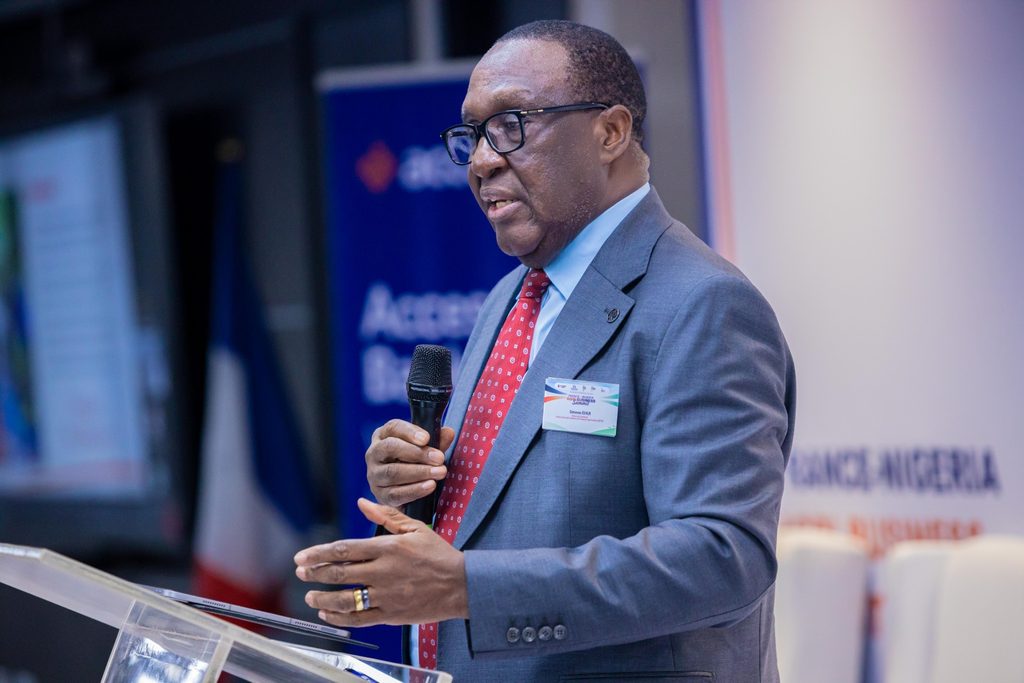
He also discussed the importance of involving farmers and private-sector operators in the development and application of agricultural technologies. He highlighted investment, commercialisation and improved market access as important factors in helping innovations reach more people and generate economic benefits.
Among the technologies and initiatives highlighted were SAH (Semi-Autotrophic Hydroponics), Rhizomax, Aflasafe and Agroloop. SAH is a technique used for the rapid multiplication of yam planting materials, while Aflasafe is a biological control product developed to reduce aflatoxin contamination in crops such as maize and groundnuts.
These initiatives illustrated efforts to address agricultural production challenges and improve the quality and availability of food crops. His presentation also touched on opportunities in aquaculture and the potential to expand agricultural production and exports through research, improved farming practices and stronger business partnerships.
Overall, his message emphasised that agricultural innovation must be supported by investment and adoption at the farm level to contribute to food security, business growth and sustainable development.
Addressing the Financing and Skills Needs of Agribusinesses
The keynote address was followed by two panel discussions examining important areas of agricultural development, particularly financing, value-chain development, specialised training and capacity building.
The first panel, titled “Agribusiness Financing and Value Chain Development,” brought together Tosin Faniro-Dada of Breega, France; Dr Chuka Nwachukwu of UBA, Nigeria; Sally A. Ibrahim of the Agence Française de Développement (AFD), France; Emmanuel Makinwa of Access Bank, Nigeria; and Godwin Gabriel of Baobab, Nigeria.
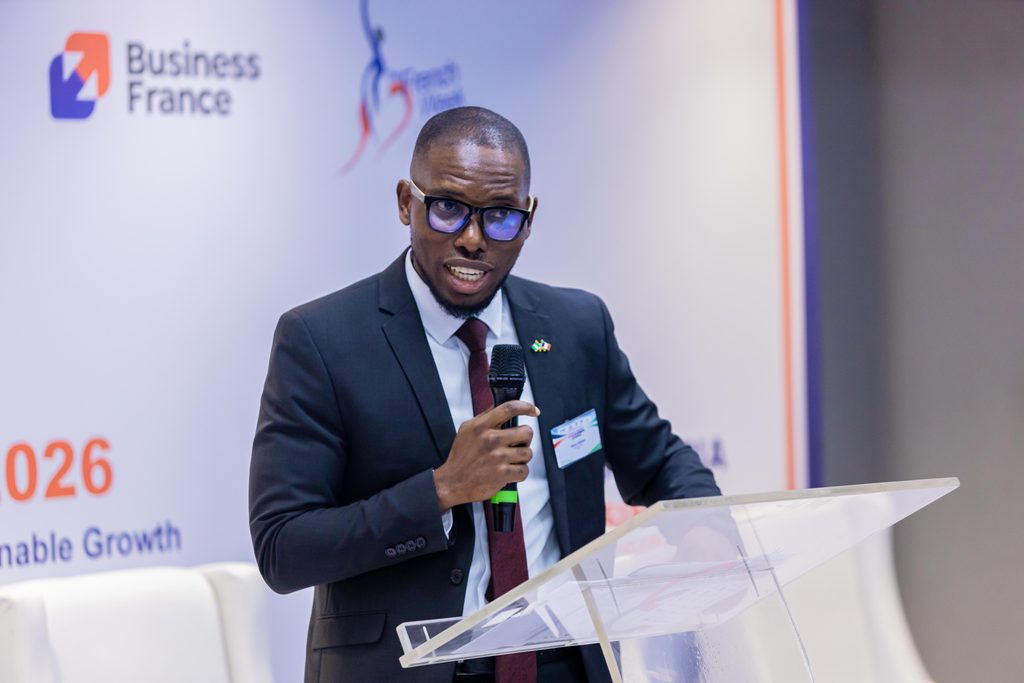
Moderated by Moses Umoru of the Franco-Nigerian Chamber of Commerce and Industry, the discussion examined the role of financial institutions and investors in supporting agribusinesses and improving access to finance.
The panel also considered the importance of financial partnerships in supporting businesses at different stages of agricultural production and processing. It brought together perspectives from investment, development finance and commercial banking on the financing needs of the sector.
The second panel addressed “Supporting Agripreneurs’ Growth Through Specialised Trainings and Capacity Building.” It featured Stephanie Pineau of UniLaSalle, France, and Ayomide Akindolie of Fate Foundation.
Their discussion centred on the importance of specialised training, practical knowledge and capacity-building opportunities in preparing agripreneurs to manage and expand their businesses.
The session also highlighted the contributions of educational institutions and business-support organisations in equipping entrepreneurs with the knowledge and skills needed to operate successfully within the agricultural sector.
Turning Business Discussions into Strategic Partnerships
One of the major outcomes of the summit was the signing of three strategic partnership agreements involving organisations from France and Nigeria.
The first agreement involved M2i, the Tomatoes and Orchard Producers Association of Nigeria (TOPAN), and the Federal Ministry of Agriculture and Food Security. The partnership is aimed at supporting the deployment of environmentally friendly crop-protection solutions, particularly for tomato farmers.
The second agreement brought together Lesaffre, the Association of Master Bakers and Caterers of Nigeria (AMBCN), and the Premium Breadmakers Association of Nigeria (PBAN).
The collaboration is expected to support technical development, improve skills and strengthen product quality within Nigeria’s baking industry.
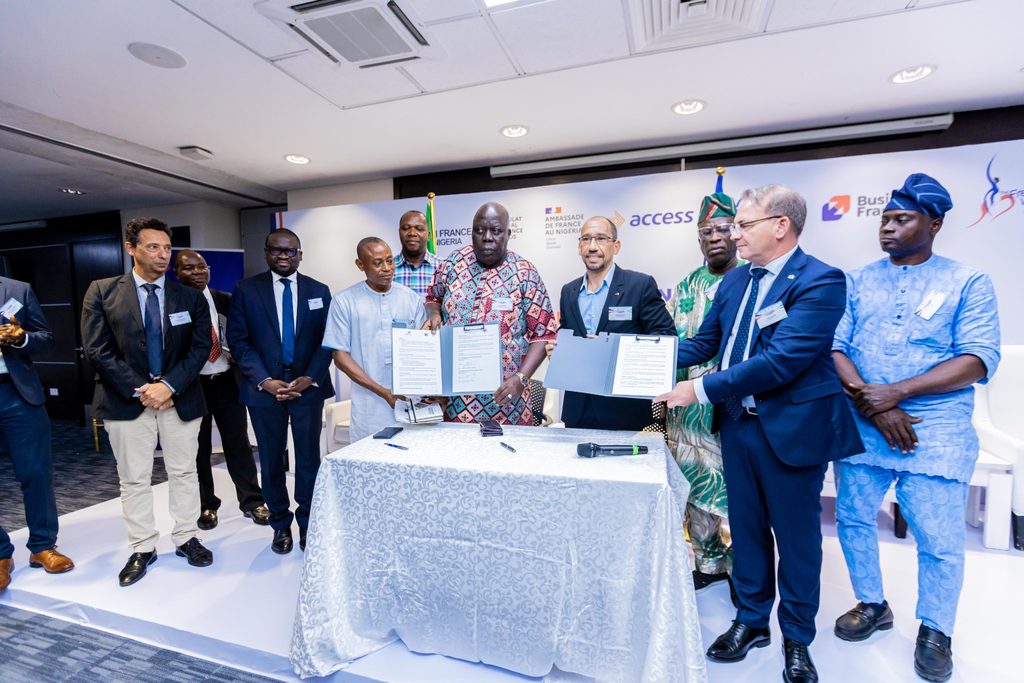
The third agreement was signed between JR Farms and UniLaSalle. It focuses on training and capacity development for agribusiness professionals, with the aim of improving practical knowledge and expertise within the agricultural sector. Together, the agreements turned the summit’s aim of linking French expertise with Nigerian opportunities into concrete commitments, covering crop protection, technical development and professional training.
Conclusion
The France–Nigeria Agri-Business Summit 2026 highlighted the importance of collaboration, investment and innovation in addressing challenges and creating opportunities within the agricultural sector. Through the participation of businesses, financial institutions, research organisations and other stakeholders, the summit provided an opportunity to explore areas where French expertise and Nigerian agricultural potential could complement each other.
The discussions and partnership agreements demonstrated the value of building relationships that extend beyond conversations into business development, technical cooperation and capacity building. With the planned launch of the Nigeria Pavilion at the 2027 Salon International de l’Agriculture in France, the summit also set the stage for further engagement between businesses from both countries and greater international exposure for Nigerian agricultural products.
Follow Amebopreneur for the latest on Nigeria’s tech ecosystem, startup funding opportunities, and the cross-border partnerships shaping Africa’s innovation future.
Related Posts

OPay Withdraws Planned US IPO: What Does It Mean for the Fintech’s Growth Plans?
OPay’s $304 million US IPO was withdrawn just hours after pricing, raising questions about regulatory scrutiny, investor confidence and the fintech’s next growth move.

Beyond Traditional Savings: The Smart Path More Nigerians Are Taking Toward Real Wealth Creation
As inflation erodes the value of idle cash, more Nigerians are looking beyond traditional savings to smarter investment options that build lasting wealth.

French Week 2026: Reinforcing the Resilience of the Nigerian Startup Ecosystem
How can Nigerian startups survive, scale and compete globally? French Tech Summit 2026 explored investment, AI, talent development and international partnerships shaping the future of Nigeria’s startup ecosystem.

Maltina at 50: Why Nigerian Breweries Is Giving the Brand a New Look
After 50 years, Maltina is getting a golden makeover. Discover why Nigerian Breweries is refreshing the iconic brand while keeping its familiar taste and heritage alive.

Beyond the Yield: Nigeria’s Critical Challenge of Turning Portfolio Interest into Long-Term Investment
Nigeria is attracting billions in foreign capital, but is the money building businesses or simply chasing high returns? Discover the investment gap.