

African Startups Raise $260.3 Million In September 2026, But Funding Remains Concentrated Among A Handful Of Winners
A Mixed Month For African Startup Funding
African startups raised a total of $260.3 million across 54 disclosed deals in September 2026, according to data published by Nairametrics on October 8, 2026, and credited to the Research Team.
On one hand, the year-on-year increase suggests that substantial capital continues to flow into promising businesses. On the other, the overwhelming share captured by a small number of transactions raises questions about how much funding is reaching early-stage founders and smaller companies.
Funding climbed an impressive 88.21% compared with the $138.3 million recorded in September 2025, yet it also slumped by a disappointing 40.19% from the $435.2 million raised in August 2026, when M&A transactions are excluded.

This push-and-pull between encouraging year-on-year growth and a worrying monthly slowdown sets the tone for the entire report, and it reflects a broader pattern that has defined African tech investment throughout 2026, a landscape of sporadic mega-rounds propping up otherwise cautious capital flows.
The most striking and genuinely alarming figure in the entire dataset is concentration. The ten largest transactions accounted for more than four-fifths of all disclosed funding, swallowing $222.6 million, a dominant 85.52% of all capital raised, meaning that the remaining 44 disclosed deals were left fighting over roughly $37.7 million combined.
This does not mean that only ten companies received investment, or that every smaller startup struggled to raise money. It does, however, demonstrate that the aggregate funding figure was heavily influenced by a small group of large transactions.
The concentration was actually less extreme than in August, when the ten largest deals captured $428 million, or 98.35% of the month’s $435.2 million total. In September 2025, the top ten deals raised $112.2 million, compared with $222.6 million in September 2026.
For context, concentration in August 2026 was even more extreme, with the top 10 startups capturing a staggering 98.35% of that month’s $428 million. The slight easing of concentration in September is a cautiously positive sign, hinting that capital may be beginning to spread, however thinly, beyond the usual blue-chip names.
The latest numbers also point to the growing importance of energy, financial technology and electric mobility in attracting investment, while highlighting the difference between a continent-wide funding recovery and the financial reality facing individual startups.
Month-On-Month Versus Year-On-Year
Breaking the data down further reveals a genuinely compelling tension. On a month-on-month basis, the picture is discouraging: total funding fell sharply from August’s $435.2 million, and the top 10 startups alone raised $222.6 million in September compared with the towering $428 million the top 10 captured in August. A steep retreat for the ecosystem’s biggest players.
Yet year-on-year, the story flips into something genuinely encouraging. September 2026’s $260.3 million dwarfs the $138.3 million raised in the same month of 2025, an uplift of 88.21%. The top 10 startups alone grew their haul from $112.2 million in September 2025 to $222.6 million in September 2026, an impressive jump of approximately 98.40%.
However, one less celebratory detail tempers the enthusiasm: the total number of disclosed deals actually fell, from 62 in September 2025 down to 54 in September 2026.
Fewer companies secured capital even as the dollar totals climbed, which signals that average ticket sizes swelled while deal volume and breadth of access softened, a trend that raises real questions about how inclusive this funding growth truly is.
The Ten Biggest Deals Of September 2026
Odyssey Energy Solutions Leads With A Powerful $74 Million Combined Raise
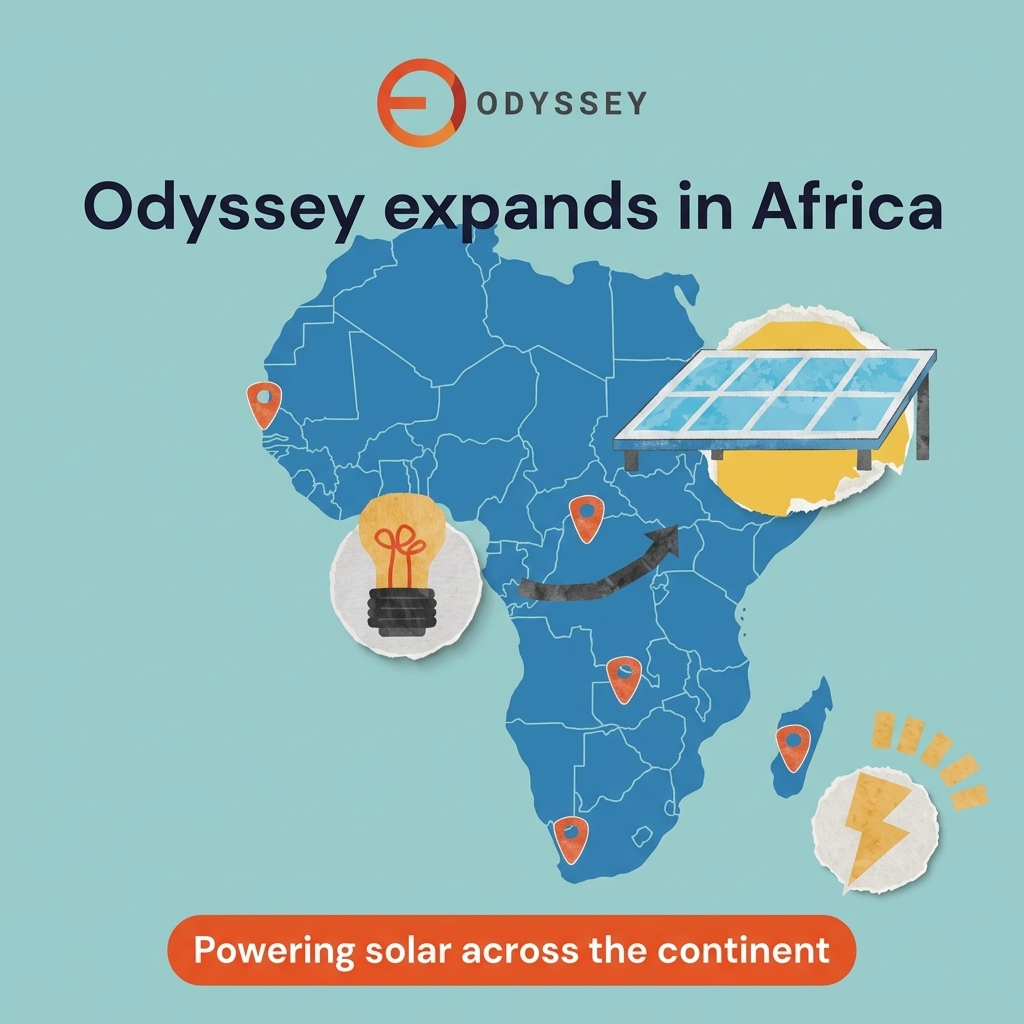
The single largest and most powerful transaction of the month belonged to Odyssey Energy Solutions, a pan-African energy company that secured a combined $74 million, split between a $27 million equity round and $47 million in debt financing.
New equity backers included Broadscale Group, FMO, and Al Mada Ventures, while existing investors such as Union Square Ventures, Equal Ventures, Abstract Ventures, Twelve Below, FJ Labs, MCJ, and Transition Ventures also participated.
On the debt side, British International Investment, BIO, the Facility for Energy Inclusion (represented by Cygnum Capital), and the Energy Entrepreneurs Growth Fund (represented by TripleJump) all contributed. This dominant raise cemented energy as the month’s standout sector.
Paymob Secures $35 Million To Fuel Fintech Expansion
Egyptian payments infrastructure company Paymob closed a $35 million pre-Series C round, co-led by Mubadala Investment Company and the European Bank for Reconstruction and Development, with British International Investment, Global Ventures, and Development Partners International also joining in.
The fresh capital pushes Paymob’s total disclosed funding past $125 million, building on its $50 million Series B in 2022 and a $22 million Series B extension in 2024.

The company intends to use the funds to expand digital payments acceptance across the Middle East and North Africa region and to build new tools for small and medium-sized merchants.
Arc Ride Raises A Robust $33.3 Million For Electric Mobility
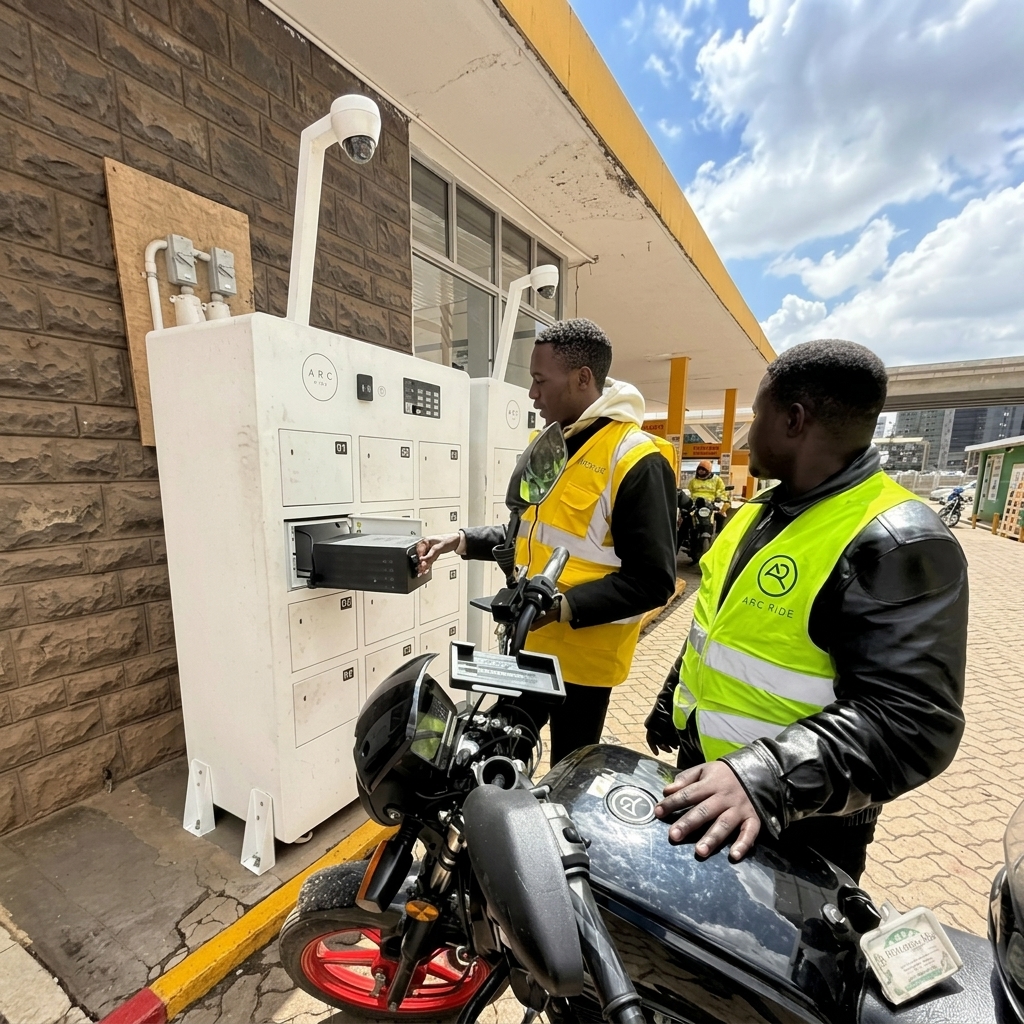
Kenya-based Arc Ride completed a $33.3 million financing round dedicated to scaling its battery-swapping infrastructure and electric mobility network.
The round was led by Novastar Ventures and Norrsken22, with the International Finance Corporation, British International Investment, and Proparco joining as co-investors, alongside existing backers Musashi Seimitsu and Talanton.
A notable debt component came from BII’s Kinetic programme and Mirova, underscoring how blended finance structures are becoming a defining feature of Africa’s climate mobility sector.
Spiro Adds $18 Million In Debt To Expand Battery-Swapping
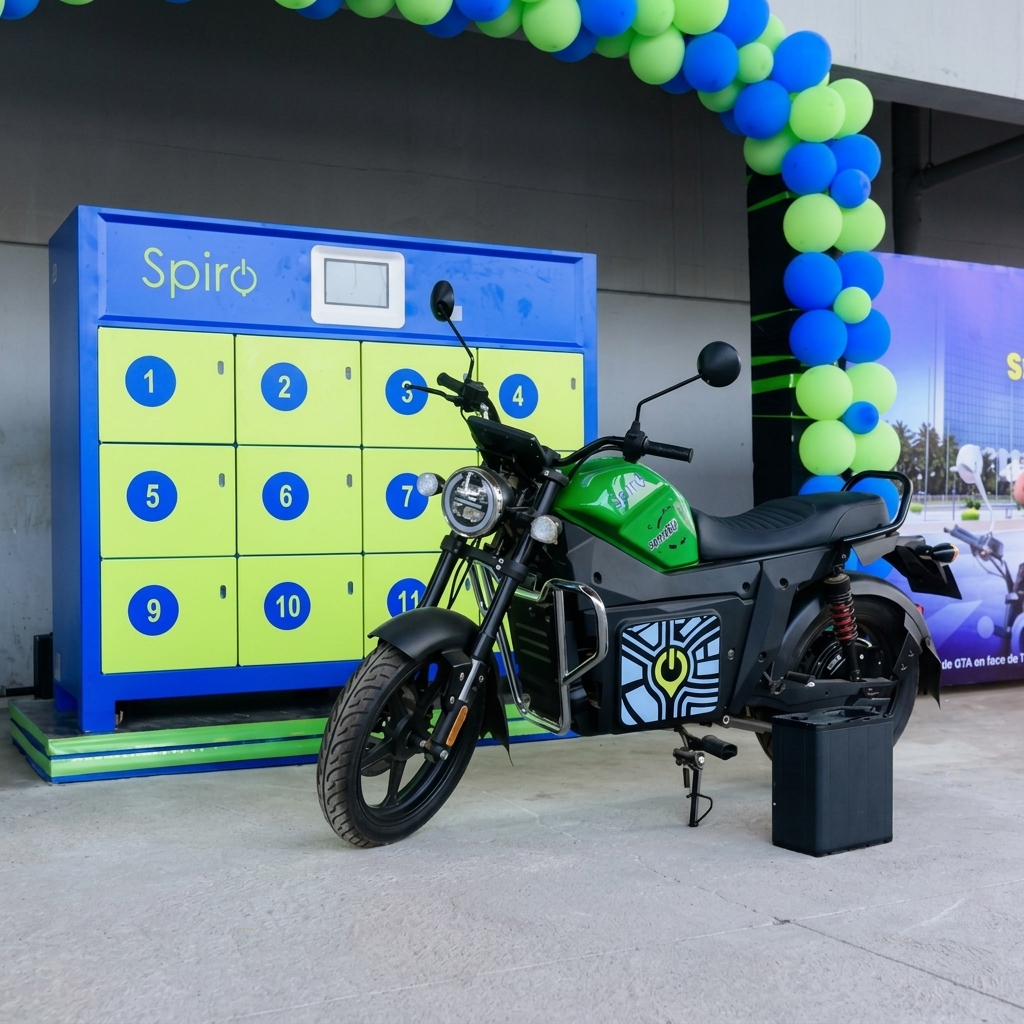
Kenya-based Spiro, a leader in two-wheel electric transportation, banked an additional $18 million in debt funding from the Africa Go Green Fund, managed by Cygnum Capital, earmarked for expansion into Uganda and Rwanda.
This builds on an earlier debt facility closed in December 2025, under which AGG committed $18 million and Nithio contributed $7 million.
Synapse Analytics Lands $13 Million Series A

Egyptian fintech infrastructure startup Synapse Analytics secured $13 million in a Series A round led by Paris-based Partech Africa, with participation from existing investors Algebra Ventures and Silicon Badia, bringing its total funding to $17 million.
The capital will accelerate development of its artificial intelligence-powered decision-making platform for financial institutions.
Nawy Pushes Deeper Into Shariah-Compliant Housing Finance With $12.3 Million
Egyptian proptech platform Nawy closed its second Ijarah-based fixed-income fund issuance at $12.3 million with Synergy Capital.
The issuance notably drew non-governmental and non-profit organisations as first-time participants.
The broader five-year securitisation programme targets $97.8 million, and this second issuance pushed total capital raised above $19.6 million in under a year.

Zeal Closes $10 Million To Expand Across MENA
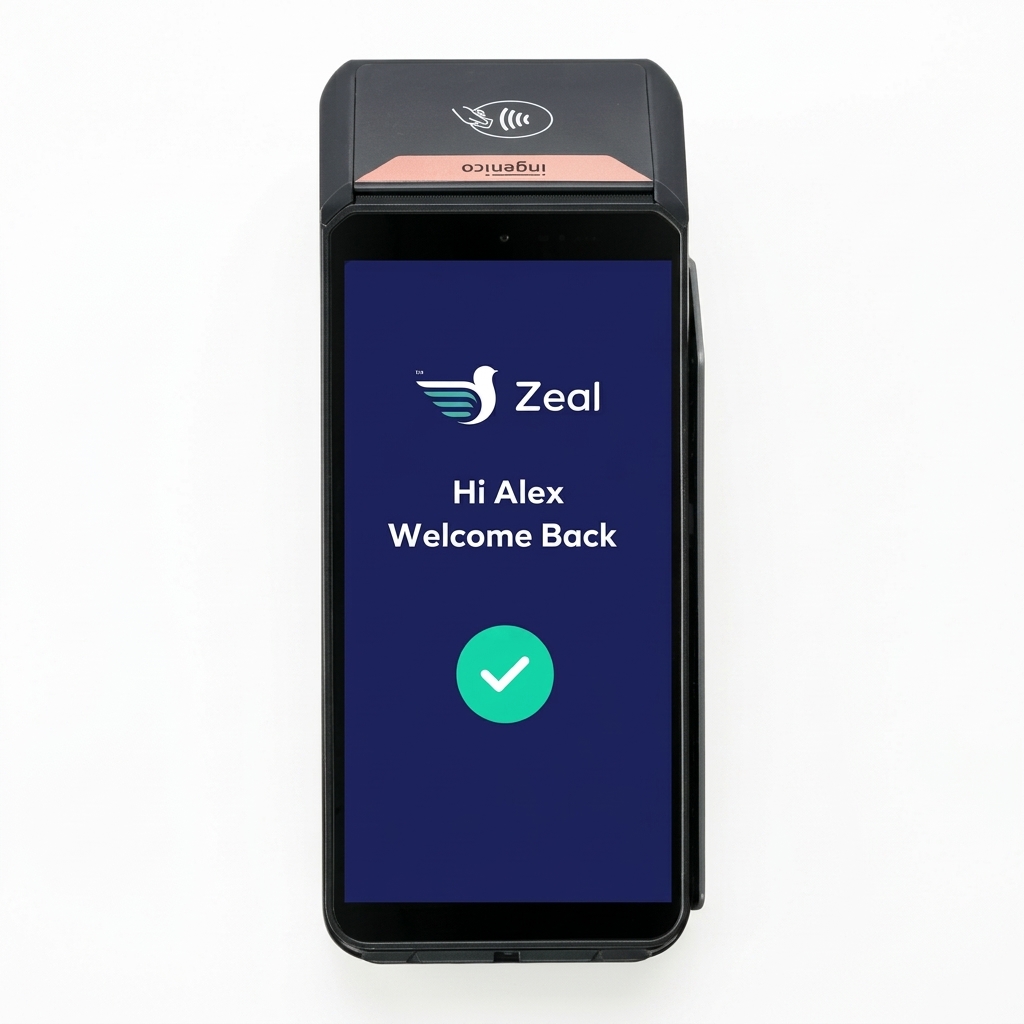
Egyptian fintech startup Zeal closed a $10 million round aimed at expanding its payment-device and point-of-sale technology across the Middle East, Europe, and Africa.
Notably, the company declined to disclose the funding stage, the names of participating investors, or further deal structure details, an opacity that stands out against the otherwise well-documented transactions in this report.
SunCulture Secures $10 Million Securitisation Deal
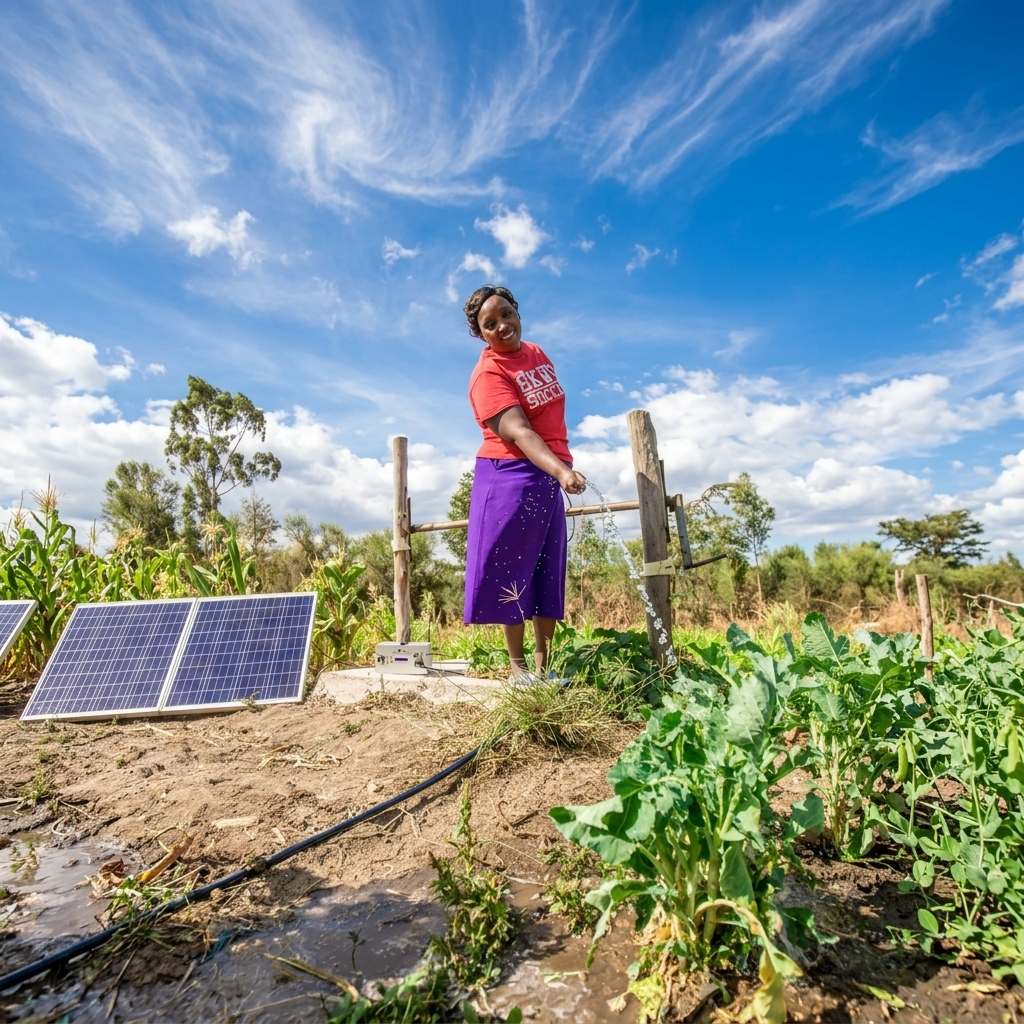
Kenya-based SunCulture raised $10 million through a securitisation deal with Mirova, structured through a special purpose vehicle that acquires payment receivables from its smallholder farmer customers.
This innovative approach allows the company to recycle capital tied up in customer receivables and expand access to agricultural equipment. It illustrates how climate-focused finance can support businesses serving farmers.
Watu Raises $7 Million Debt Facility

Ugandan asset-financing company Watu secured a $7 million debt facility from AHL Venture Partners, extending a partnership dating back to 2022, to fund working capital and expand motorcycle, three-wheeler, smartphone, and electric-motorcycle financing across African markets.
Its business includes financing motorcycles, three-wheelers, smartphones and electric motorcycles. The funding supports the lending capacity required for an asset-finance business.
Sun King And PowerGen Tie At $5 Million Each
Rounding out the top ten, Kenya’s Sun King received a $5 million investment from Acumen Fund to scale pay-as-you-go solar access in Zambia, a deal expected to help electrify nearly 5.6 million people over five years, including up to 4.5 million gaining first-time electricity access.
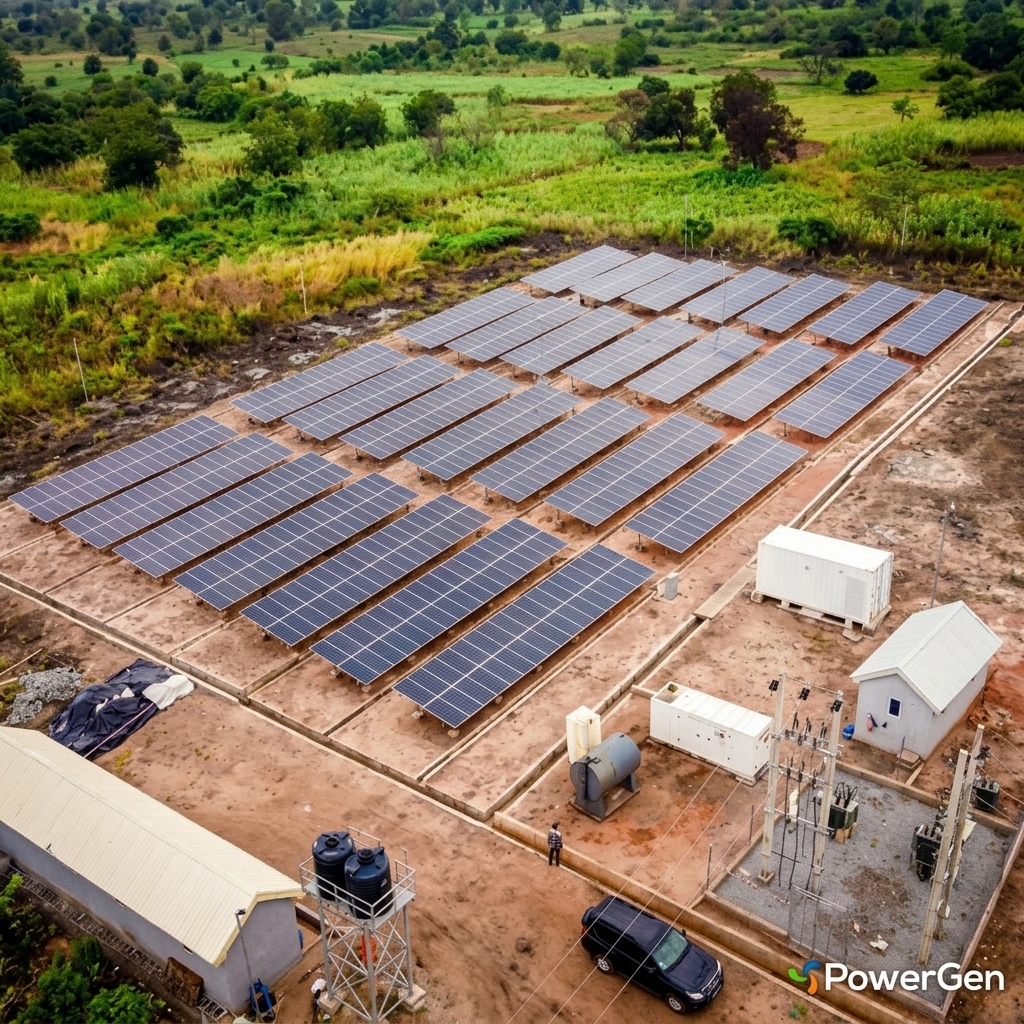
Meanwhile, PowerGen, which operates across Kenya, Nigeria, Sierra Leone, and the Democratic Republic of Congo, raised $5 million backed by All On through a mezzanine investment supporting mini-grid projects in Nigeria.
Energy Dominates, Fintech Follows Closely
The Energy and Water sector emerged as the undisputed winner of September, attracting $94.2 million, or 36.19% of total funding, spread across five deals, a dominance driven overwhelmingly by Odyssey Energy Solutions’ giant $74 million raise alongside contributions from SunCulture, PowerGen, and Sun King.
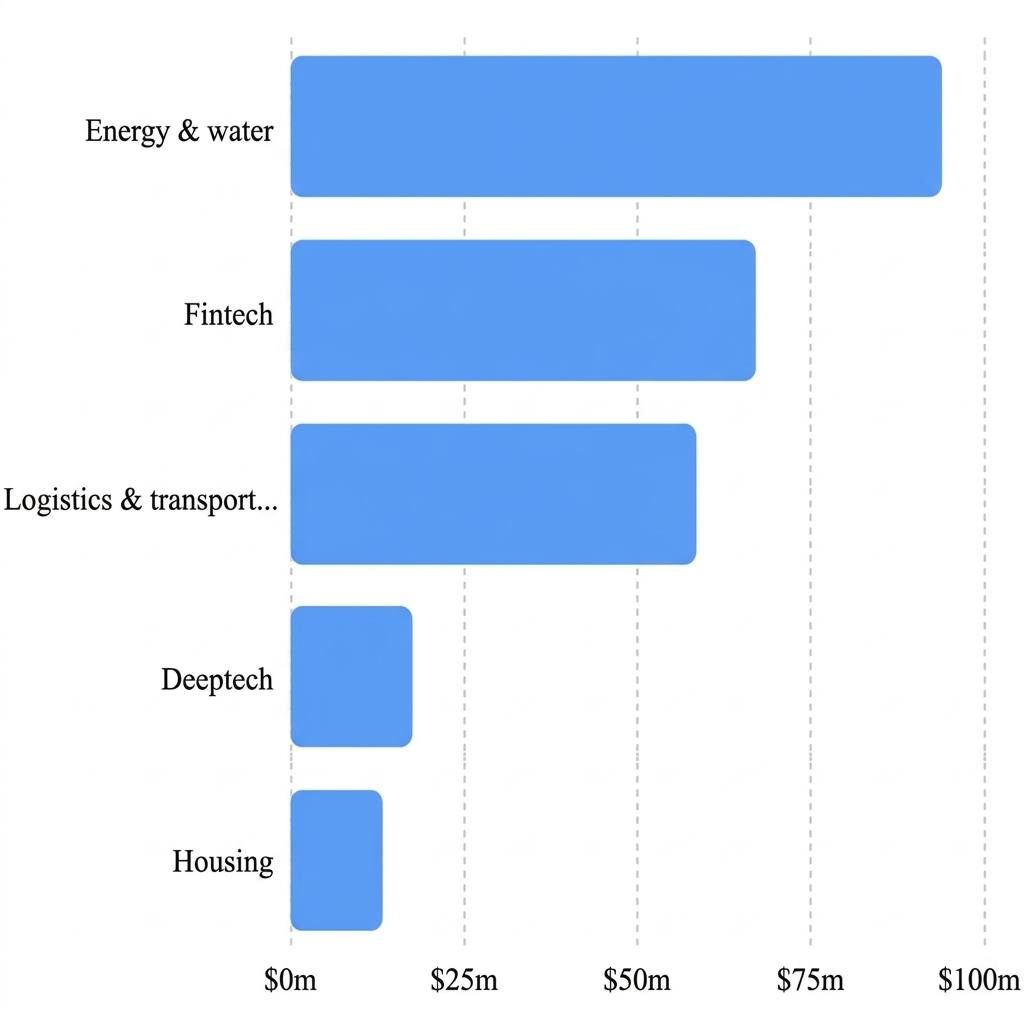
Fintech followed in second place with a solid $67 million, or 25.74% of the month’s total, spread much more broadly across 17 deals, suggesting healthier, more distributed investor appetite in that sector.
Logistics and Transport came in third with $58.5 million, or 22.47%. Deeptech attracted a more modest $16.6 million, Housing drew $12.5 million, Agriculture and Food trailed with just $3.9 million, and Education and Jobs brought up the rear with a disappointingly thin $3.3 million, a figure that underscores how underfunded Africa’s education-technology space remains relative to energy and fintech.
Regional And Country-Level Breakdown
At the regional level, Northern Africa claimed the largest conventional geographic share, attracting $75.3 million, or 28.93% of total funding, across 12 deals.
Pan-African transactions not tied to a single region followed closely behind with $74.1 million, representing 28.47% of the total, a figure heavily boosted by Odyssey Energy Solutions’ continent-wide raise.
Eastern Africa pulled in $62.9 million, or 24.16%, across the highest deal count of 15 transactions. Western Africa attracted $39.1 million, or 15.02%, spread across 18 deals, the largest number of transactions of any region despite a comparatively modest dollar total, a signal of smaller average deal sizes in that market.
Southern Africa trailed with $8.4 million, or 3.23%, while Central Africa recorded a strikingly weak $0.5 million, highlighting a persistent and concerning funding gap in that sub-region.
At the country level, Egypt topped the list, attracting $74.6 million, or 28.66% of total African startup funding, across nine deals, driven by strong showings from Paymob, Nawy, Synapse Analytics, and Zeal. Kenya ranked second with $54.2 million, or 20.82%, also across nine deals, propelled by Arc Ride, Spiro, SunCulture, and Sun King.
Nigeria, despite being Africa’s largest startup ecosystem by reputation, managed just $11.3 million, or 4.34% of the continental total, across nine deals, a notably underwhelming performance for the country.

South Africa and Uganda tied at $8.4 million each, representing 3.23% apiece. Ghana contributed $6.9 million, or 2.65%. Côte d’Ivoire brought in $1.6 million, and Senegal closed out the list with $1.3 million spread across two deals.
Taken together, these figures creates a genuinely important picture of where African venture capital stands in late 2026. The encouraging year-on-year growth, up a powerful 88.21% from September 2025, suggests renewed investor confidence and a African Startups Raise $260.3 Million in September 2026, but Funding Remains Concentrated Among a Few Deals
Conclusion
Early-stage businesses often require relatively modest amounts of capital to develop products, test demand, recruit initial employees and establish commercial relationships. If the majority of disclosed funding goes to a small number of established companies, smaller founders may struggle to secure the resources needed to reach the next stage.
At the same time, large transactions can create positive spillovers. Well-funded companies may hire employees, purchase services from smaller suppliers, expand into new markets and build infrastructure that other businesses can use.
The year-on-year increase is encouraging because it shows that disclosed investment remained above the previous year’s September level. The month-on-month decline is a reminder that startup funding is volatile and can depend heavily on the timing of large rounds.
The dominance of energy, fintech and mobility transactions also illustrates the breadth of Africa’s investment opportunities. Investors are backing businesses that address essential economic needs, from electricity and payments to transport and agricultural equipment.
African startups raised $260.3 million across 54 disclosed deals in September 2026, with the ten largest transactions capturing 85.52% of the total. Funding declined 40.19% from August but rose 88.21% compared with September 2025.
The numbers tell a story of renewed investment alongside persistent concentration. Energy, fintech and electric mobility attracted substantial capital, while debt and structured financing played an important role in several major transactions.
For Africa’s startup ecosystem, the opportunity is to turn this investment into productive businesses, jobs, innovation and stronger regional markets. The challenge is ensuring that funding is not limited to a small number of established companies while promising early-stage businesses struggle to obtain the capital they need.
Follow Amebopreneur for the latest on Nigeria’s tech ecosystem, startup funding opportunities, and the cross-border partnerships shaping Africa’s innovation future.
Related Posts

Political Dynamics and Global Realignment: Lessons for Nigerian CEOs
At the 2026 FNCCI CEO Luncheon, business leaders explored how political uncertainty, global realignment and economic reforms are shaping business resilience in Nigeria.

East Africa Foods Secures $40 Million to Power a Food Revolution Across Tanzania and Kenya
Tanzania’s East Africa Foods has raised approximately $40 million to expand its food supply-chain infrastructure, cut devastating post-harvest losses, and reach 100,000 smallholder farmers across East Africa.
Africa Is Building Toward the Next Trillion-Dollar Digital Economy as AfriTECH 6.0 Returns to Lagos
AfriTECH 6.0 returns to Lagos on November 13, 2026, bringing African tech leaders together to tackle the next $1 trillion digital economy opportunity.
World Bank Raises Africa’s 2026 Growth Forecast to 4.3%, Urges Investment in Artificial Intelligence
The World Bank has raised Africa’s 2026 growth forecast to 4.3% and is urging low-cost AI adoption to supercharge small-business productivity, agriculture, and education across the continent.

Nigeria’s Business Future: How Businesses Can Survive Uncertainty
As Nigeria approaches the 2027 election, discover how businesses can navigate uncertainty, manage rising costs, adopt AI wisely and prepare for economic and policy shifts.