

Nigeria’s Business Future: How Businesses Can Survive Uncertainty
Running a business in Nigeria is already challenging. With the 2027 election approaching, rising costs, changes in government policies, global conflicts and the rapid growth of new technology, businesses have even more to consider.
For Tola Adeyemi, CEO of KPMG One Africa and Senior Partner at KPMG Nigeria, the answer is not to wait for everything to become certain. Instead, businesses need to prepare for different possibilities and be ready to respond when things change.
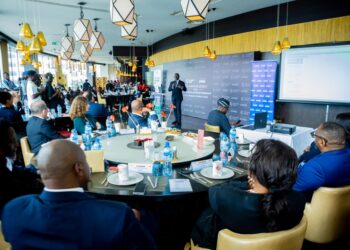
Adeyemi spoke at the sixth Annual CEO Luncheon organised by the Franco-Nigerian Chamber of Commerce and Industry (FNCCI) in partnership with KPMG in Lagos.
The event, themed “Political Dynamics and Global Realignment: A CEO’s Playbook for Resilient Growth”, brought together discussions on political, economic and global developments that could affect businesses in Nigeria and across Africa.
Businesses Are Facing Several Uncertainties
According to Adeyemi, Nigerian businesses are operating in an environment where several factors can affect their plans. These include political developments, geopolitical conflicts, supply-chain disruptions, inflation and high financing costs.
He also pointed out that events happening outside Nigeria can eventually affect businesses and consumers in the country. The Russia-Ukraine war, for example, affected food prices in Nigeria, despite the conflict taking place thousands of kilometres away.
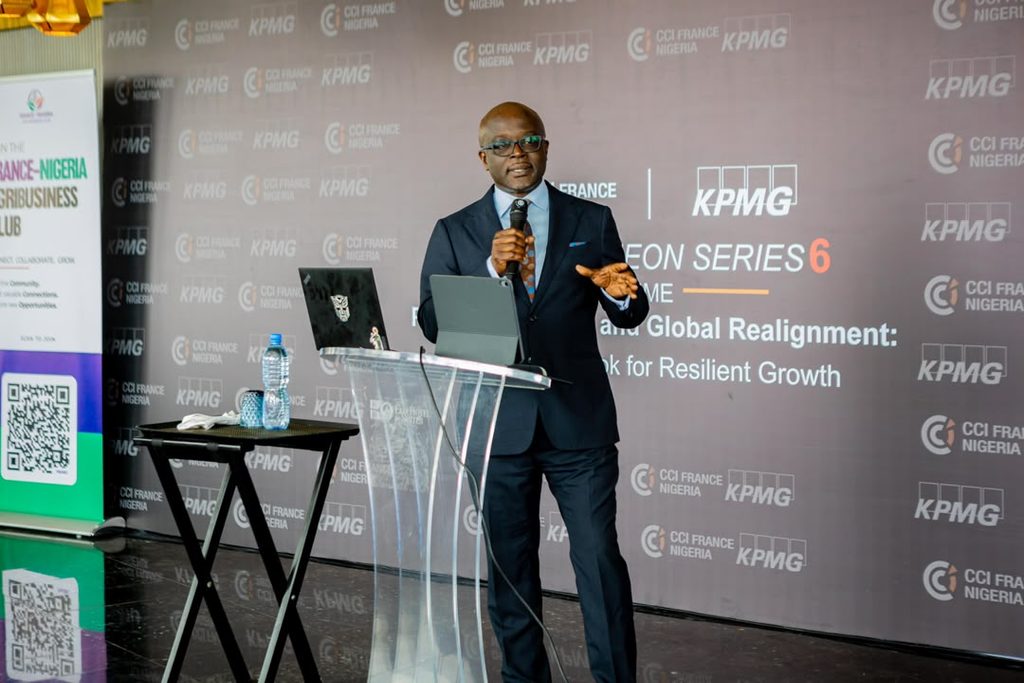
“Who would have guessed previously that a war in faraway Russia, Ukraine, would affect food prices in the streets of Lagos?”
Tola Adeyemi
The point is simple: businesses cannot afford to look only at what is happening in the local market. Changes in other parts of the world can affect prices, supplies, financing and what consumers are able to spend.
Adeyemi therefore encouraged businesses to pay attention to these changes and be prepared to respond when circumstances shift.
Businesses Should Prepare For Different Election Outcomes
The 2027 election was also a major part of the discussion. Adeyemi advised businesses not to assume that they already know how the election will turn out. Instead, they should consider different possible outcomes and think about how each could affect their operations.
He identified three possible scenarios.
The first is that the incumbent remains in power, which could bring some continuity in government policies. The second is an opposition victory, which could result in changes to existing policies. The third is an inconclusive election that could lead to a rerun and create another period of uncertainty.
But Adeyemi said businesses should not focus on trying to predict who will win. “Nobody actually knows what the answer will be,” he said.
Rather, businesses should consider what each possible outcome could mean for them. Issues such as taxation, revenue, monetary policy, infrastructure, security, social development and government priorities could all affect business decisions.
For business owners, preparing for these possibilities could make it easier to respond if the political environment changes after the election.
AI Should Solve A Business Problem
Artificial intelligence was another important part of the discussion.
As more businesses look towards AI, Adeyemi cautioned companies against adopting the technology simply because it is popular.
He said businesses should first look at how their current processes work, identify areas that need improvement and redesign those processes before introducing AI.
“Don’t bring in AI onto your existing processes,” he said.
The message is that businesses should first understand the problem they are trying to solve before deciding whether AI is the right solution.
Adeyemi also highlighted the importance of good data. Businesses with poorly organised or fragmented data may invest in AI without getting the results they expect.
For companies considering AI investments, improving internal processes and organising their data could therefore be just as important as adopting the technology itself.
Nigeria Remains A Long-term Game
At the end of the discussion, Adeyemi’s message was not that the challenges facing Nigerian businesses would disappear. Rather, businesses need to learn how to operate in an environment where change and uncertainty are part of the reality.
He described Nigeria as a difficult market, but one that still offers opportunities for businesses that are prepared to adapt.
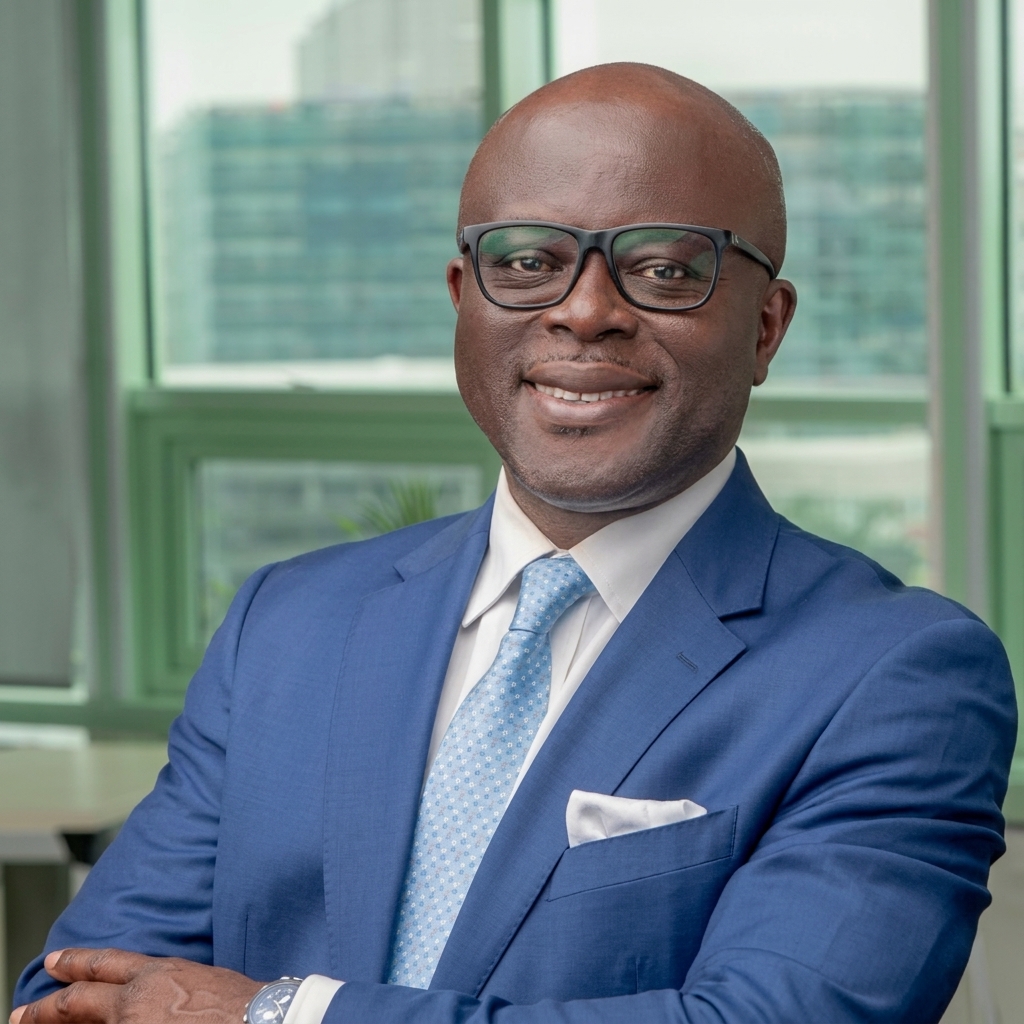
“Nigeria is a long game. It’s not a short sprint. It’s a marathon, not a sprint,”
Tola Adeyem
For businesses, the lesson goes beyond the 2027 election. Government policies, economic conditions, technology and developments in the global market will continue to change.
Conclusion
Businesses may not be able to control these changes, but they can prepare for them. For many companies, being ready for different possibilities could make the difference between simply reacting to uncertainty and being able to keep moving despite it.
Follow Amebopreneur for the latest on Nigeria’s tech ecosystem, startup funding opportunities, and the cross-border partnerships shaping Africa’s innovation future.
Related Posts
Political Dynamics and Global Realignment: Lessons for Nigerian CEOs
At the 2026 FNCCI CEO Luncheon, business leaders explored how political uncertainty, global realignment and economic reforms are shaping business resilience in Nigeria.

East Africa Foods Secures $40 Million to Power a Food Revolution Across Tanzania and Kenya
Tanzania’s East Africa Foods has raised approximately $40 million to expand its food supply-chain infrastructure, cut devastating post-harvest losses, and reach 100,000 smallholder farmers across East Africa.
Africa Is Building Toward the Next Trillion-Dollar Digital Economy as AfriTECH 6.0 Returns to Lagos
AfriTECH 6.0 returns to Lagos on November 13, 2026, bringing African tech leaders together to tackle the next $1 trillion digital economy opportunity.

World Bank Raises Africa’s 2026 Growth Forecast to 4.3%, Urges Investment in Artificial Intelligence
The World Bank has raised Africa’s 2026 growth forecast to 4.3% and is urging low-cost AI adoption to supercharge small-business productivity, agriculture, and education across the continent.
African Startups Raise $260.3 Million In September 2026, But Funding Remains Concentrated Among A Handful Of Winners
African startup funding hit $260.3 million in September 2026 across 54 deals, down 40% from August but up 88% year-on-year, as Odyssey Energy Solutions, Paymob, and Arc Ride dominate a highly concentrated month.