

Dangote Secures $600m AFC Loan to Expand Fertiliser Production
A Significant Boost To Nigeria’s Agriculture, Food Security, And Industrial Growth
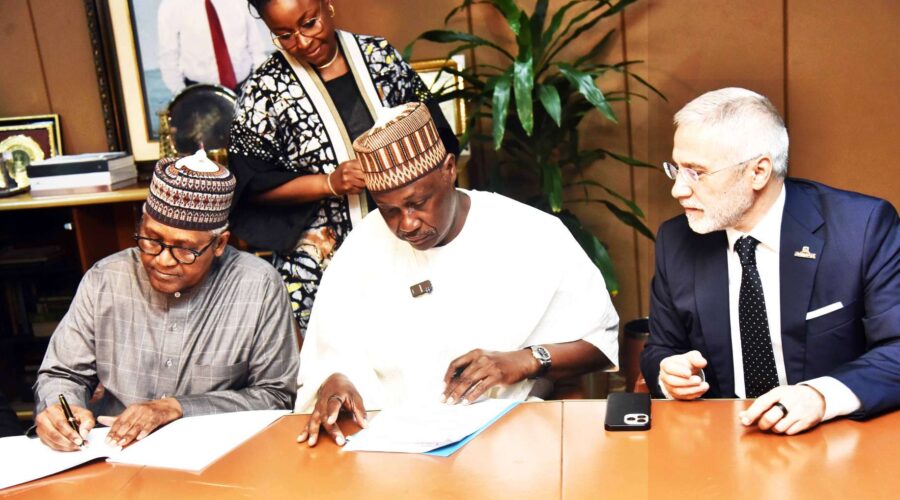
The Dangote Group has acquired a $600 million loan facility from the Africa Finance Corporation (AFC) to fund a significant expansion of its fertiliser production activities, which is estimated to generate more than $4 billion in foreign exchange revenues for Nigeria through exports.
The funding granted to GreenView Fertiliser Corporation, Dangote Fertiliser’s holding company, will be used to expand Nigeria’s urea fertiliser production capacity as well as to build a new production plant in Ethiopia. The invention has been described as a crucial step that might change Africa’s fertiliser supply chain, reduce import dependency, and improve food security across the continent.
The $600 million AFC Loan Deal Explained
The investment intends to greatly increase fertiliser output and establish Africa as a competitive global fertiliser manufacturing base, ultimately planned to raise Nigeria’s Dangote Fertiliser production capacity from around 3 million metric tonnes per annum (MTPA) to 9 MTPA, effectively doubling present capacity. The expansion will also fund a new 3 million metric tonnes per year urea fertiliser facility in Ethiopia.
For decades, many African countries have relied significantly on imported fertiliser to support farming activities, leaving local economies vulnerable to foreign exchange pressure, international price swings, and supply chain disruptions.
Dangote hopes to change that narrative with this development by expanding local manufacturing capability and providing a consistent source of fertiliser for African farmers.
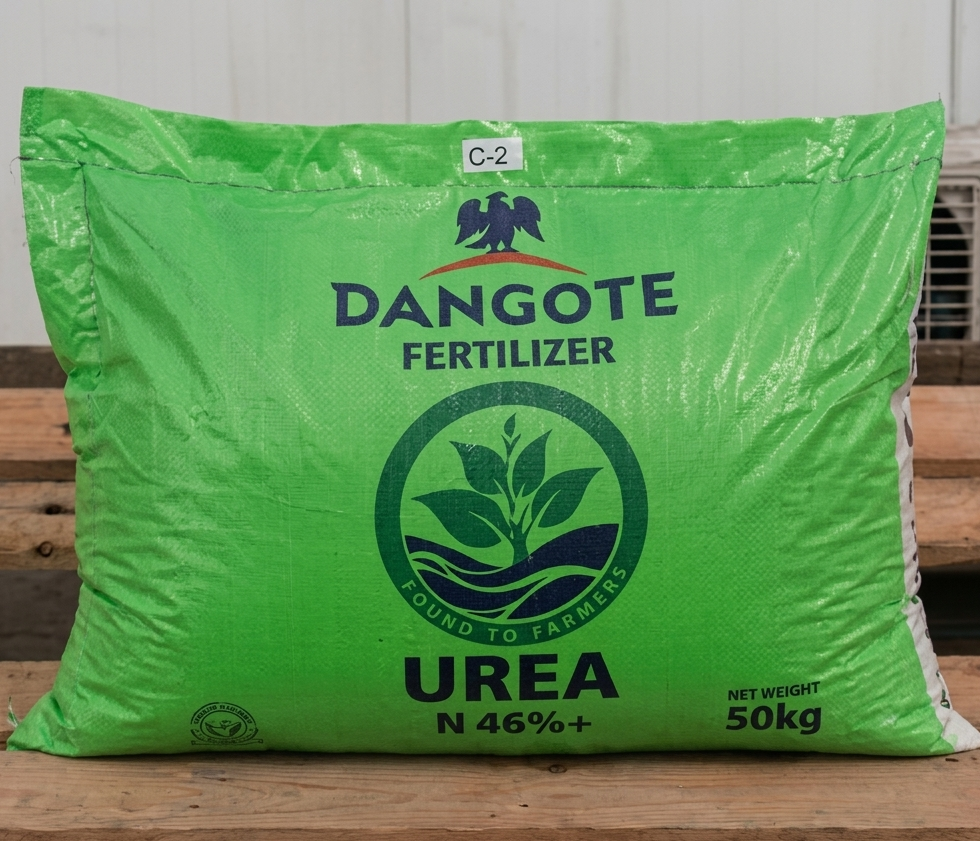
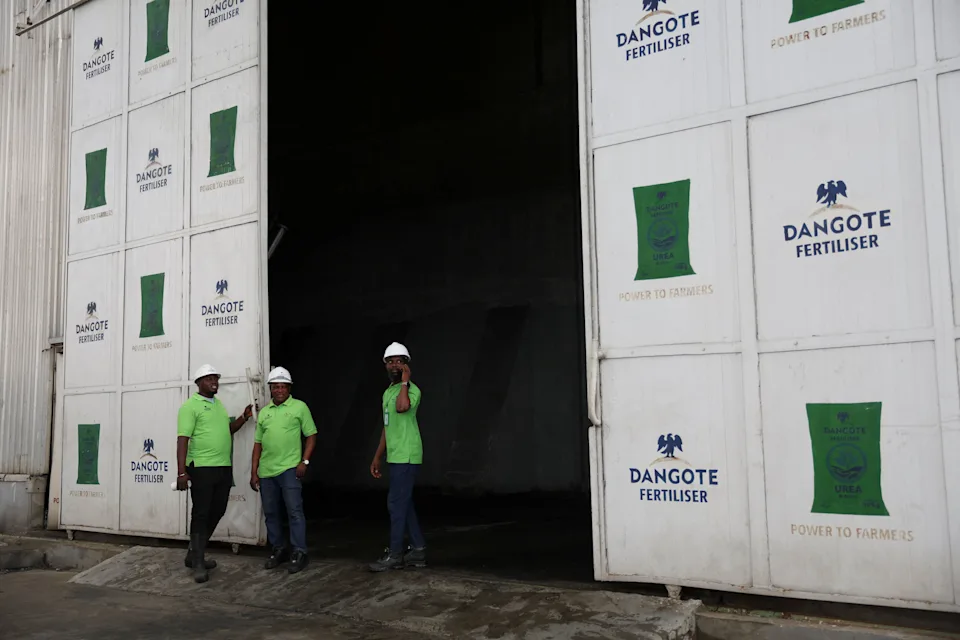
The Dangote Fertiliser complex in Ibeju-Lekki, Lagos, is already one of Nigeria’s largest non-oil industrial developments. The project commenced commercial operations in 2022, producing urea fertiliser for Nigerian farmers and exporting to worldwide markets such as Africa, Europe, and the Americas.
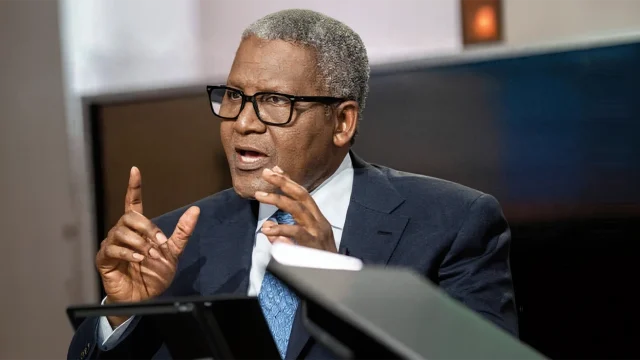
Aliko Dangote’s Statement on Expansion
Speaking about the arrangement, Aliko Dangote, President and CEO of Dangote Industries Limited, called it another significant step in the company’s long-term industrial strategy.
Dangote indicated that expanding fertiliser manufacturing in Nigeria and establishing a new facility in Ethiopia would strengthen Africa’s food security, increase agricultural productivity, and broaden its industrial base. He noted that the AFC’s renewed assistance indicates its belief in Dangote Group’s commitment to establish globally competitive African industrial platforms.
With this investment, we will be able to export fertiliser worth more than $4 billion each year for the next three years.
It represents a significant contribution to Nigeria’s foreign exchange earnings and demonstrates our commitment to national economic growth,” Dangote said in a statement yesterday.
Aliko-Dangote
Meanwhile, the Africa Finance Corporation highlighted the investment as part of its aim to promote significant African infrastructure and industrial projects.
Samaila Zubairu, President and CEO of AFC, stated that the transaction exemplifies the company’s capital recycling model, explaining that the corporation previously invested in Dangote Industries Limited and successfully received repayment before redeploying and increasing its commitment to the next phase of growth.
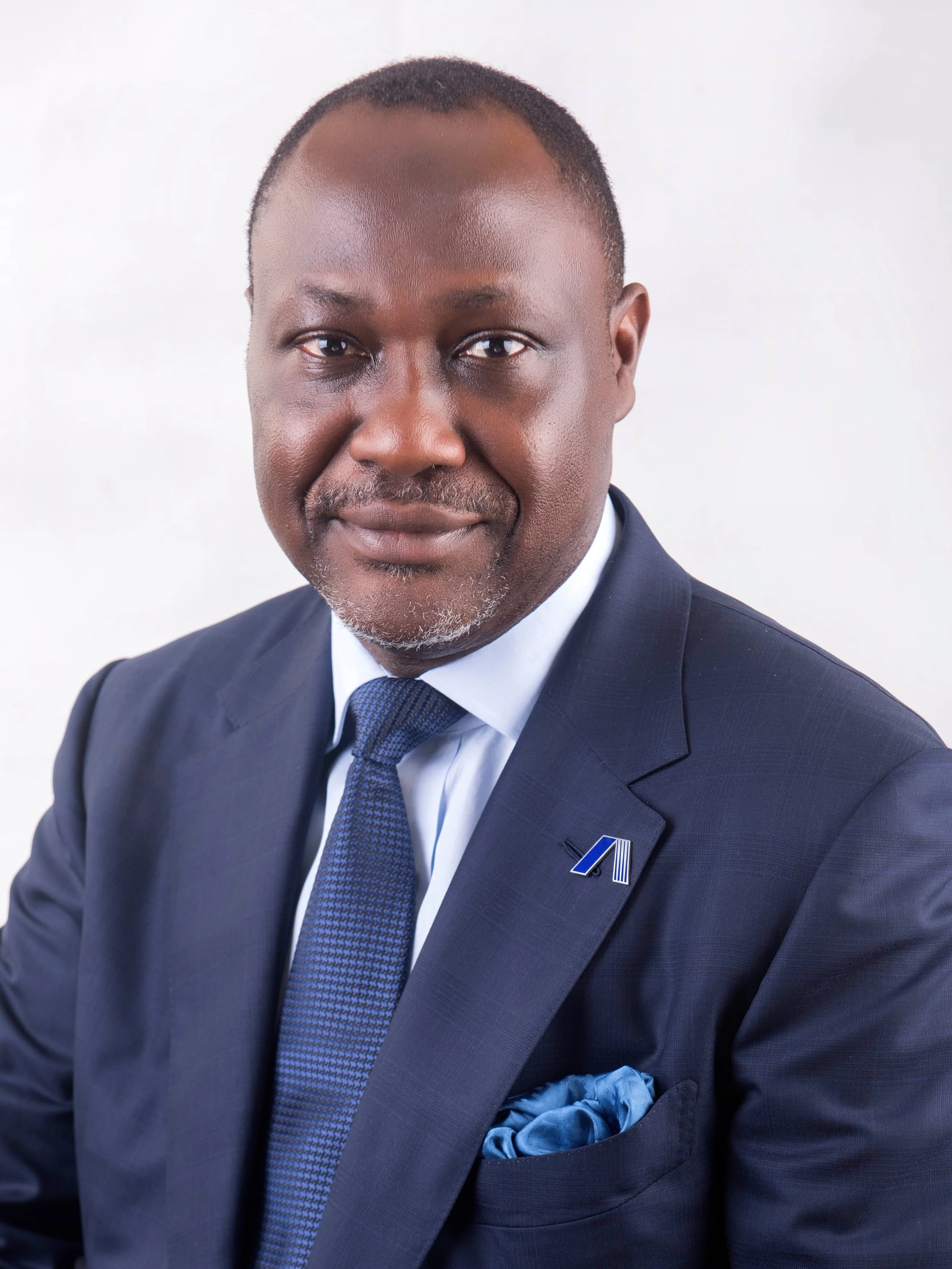
By supporting the expansion of Dangote Fertiliser, AFC is backing a proven African industrial leader whose investments will strengthen food security, reduce import dependence, and create long-term economic value across the continent.
Samaila Zubairu
According to the AFC, assisting Dangote Fertiliser corresponds with the larger goals of improving food security, reducing import dependence, and producing long-term economic benefit across Africa.
One of the most anticipated benefits is increased fertiliser supply. Farmers in Africa have always had difficulty acquiring affordable and dependable fertiliser supply. Increased local output could help to stabilise supplies, relieve pressure from international markets, and boost agricultural productivity.
A larger fertiliser sector could also assist farmers in raising crop yields, contributing to Nigeria’s food security goals. With a growing population and rising food demand, a consistent supply of fertiliser is important to agricultural productivity.
The initiative could help relieve foreign exchange pressure, as Nigeria spends a large amount of money purchasing agricultural inputs. Producing more fertiliser locally keeps more money in the domestic economy, whereas export chances create more foreign earnings. Economic benefits include jobs, exports, and industrial growth.
Ethiopia Fertiliser Plant: Expanding Beyond Nigeria
A crucial component of the expansion strategy is the establishment of a new fertiliser production platform in Ethiopia. This development indicates Dangote Group’s intention to establish a continental industrial network rather than relying solely on Nigeria.
The Ethiopia project is projected to improve fertiliser availability in East Africa and strengthen regional agricultural supply chains.
The strategy is similar to Dangote’s past approach in cement manufacturing, when the company moved beyond Nigeria into many African markets.
This fertiliser development comes after Dangote Group’s big industrial initiatives, including its massive refinery and petrochemical investments.
Conclusion
The project contains multiple good signals. It demonstrates growing trust in African manufacturing, develops local production capability, and advances the goal of lessening reliance on imported commodities. It also demonstrates a change from an Africa that primarily consumes imported goods to an Africa capable of producing critical commodities on a vast industrial scale.
The corporation has constantly maintained a strategy of developing large-scale manufacturing facilities to reduce imports and boost African production capability. The fertiliser industry fits perfectly into this plan because it links agriculture, energy, manufacturing, and international trade.
While obstacles in infrastructure, competition, and execution persist, the expansion represents a significant move toward local manufacturing and economic independence.
If fully achieved, Dangote’s fertiliser goal might become another landmark chapter in Africa’s industrial transformation tale, proving that large-scale African-led investments can produce long-term economic benefits.
Related Posts

NITDA Builders Festival 2026: Smart Way to Unlock Startup Opportunities
NITDA Builders Festival 2026 offers Nigerian startups a path to ₦3bn in potential investment and pilot contracts by connecting real solutions with institutions.

Nigeria’s Internet Traffic: The Essential Growth Drivers Behind a 168% Surge
Nigeria’s internet traffic surged 168% in three years. Discover the key drivers behind the growth and what it means for businesses, SMEs and entrepreneurs.

Konga And Defence Headquarters Launch Nationwide Discount Scheme for Serving, Retired And Veteran Military Personnel
Konga and Defence Headquarters launch a nationwide discount scheme giving serving, retired and veteran military personnel access to essential goods at reduced prices.

Askya Offers African AI Startups Up To $200,000 In Investment Through New Growth Platform
Askya Investment Partners has launched a six-week AI Growth Platform for 10 African startups, offering zero-equity participation, business support and potential investment of up to $200,000

Cabo Verde Telecom and DE-CIX Plan New South Atlantic Connectivity Corridor
DE-CIX and Cabo Verde Telecom have signed a non-binding Letter of Intent to explore a South Atlantic connectivity corridor linking Lisbon and São Paulo, strengthening direct digital infrastructure across Europe, Africa, and Latin America.