

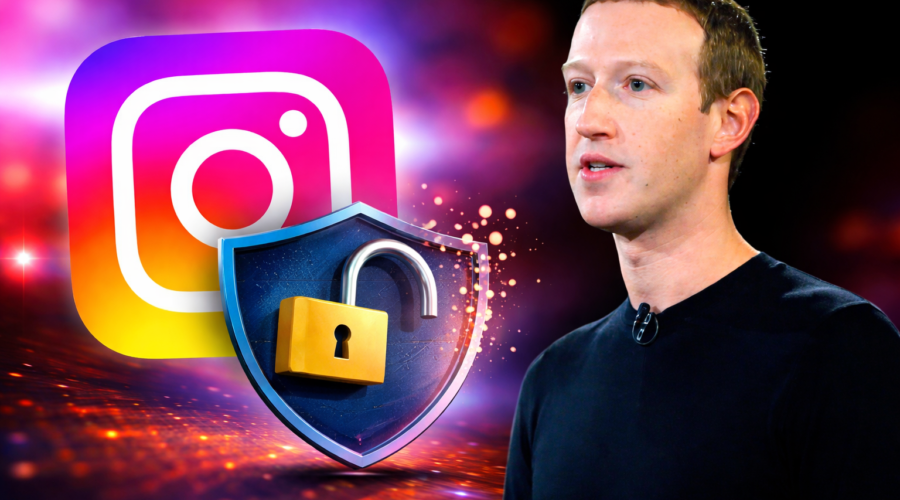
Meta Will Remove End-To-End Encryption From Instagram DMs On May 8, 2026 – Learn What End-To-End Encryption Means, How It Works, And What It Means For your Privacy
The world of digital communication is built on trust, trust that private conversations will stay private.
For years, social media platforms have tried to balance user privacy, safety, moderation, and business needs. That balance has recently become the focus of a major debate, with Meta announcing that Instagram will discontinue end-to-end encrypted direct messages (DMs) on May 8, 2026. This decision has ignited debates among privacy advocates, cybersecurity experts, and ordinary people who rely on messaging platforms for personal and professional communication.
The change represents a significant shift in how Instagram handles user messages, raising broader concerns about privacy, security, and the future of encrypted online communication.
Understanding End-to-end encryption
End-to-end encryption (also known as E2EE) is a security method that ensures that only the sender and intended recipient can read a message. When a message is sent via E2EE, it is encrypted on the sender’s device before being transmitted. The message is secure while travelling across networks and servers, and it can only be extracted by the recipient’s device using a unique cryptographic key.
In practice, this means that no intermediary, including the platform hosting the conversation, has access to the content of the message. Even if the company’s servers were compromised or subpoenaed by authorities, the encrypted message would be inaccessible without the recipient’s private key.
This approach differs significantly from traditional messaging systems, in which messages are often encrypted during transmission but are still accessible to the service provider once they reach the company’s servers. End-to-end encryption eliminates this possibility by making sure the platform does not have the keys needed to decrypt user conversations.
“End-to-end encrypted messages and calls ensure only you and the people you’re communicating with can see or listen to what is sent, and no one else, not even Meta, can do so. Keep in mind, for reporting and optional features, you or someone in the chat may still choose to share messages with Meta,” the company said in a statement.
Because of its strong security, E2EE has become a standard feature in modern communication tools such as secure messaging apps and encrypted email services.
Instagram’s journey with encryption
Instagram did not initially launch with end-to-end encrypted messaging. Instead, years later, the platform added it as an optional feature. The encryption rollout began around 2022 as part of Meta’s overall strategy to establish its messaging ecosystem across multiple platforms.
The company had thought of a future in which messaging across Instagram, Facebook Messenger, and WhatsApp would be run on a unified infrastructure, with privacy-focused encryption playing a key role in that ecosystem. However, Instagram’s encrypted chat feature remained optional and limited, resulting in many users never enabling it.
Meta confirmed in March 2026 that Instagram’s encrypted chats will be discontinued entirely on May 8, 2026. Users have been advised to download any encrypted messages or media before the feature is removed.
The announcement surprised many observers because Meta had previously emphasised encryption as the future of messaging.
Why Is Meta Removing Encryption?
Meta has not provided a single comprehensive explanation for the decision, but it appears that several factors influenced the move.
Low user adoption is one of the commonly cited reasons. Another important consideration is regulatory pressure. Governments and law enforcement agencies worldwide have expressed concern that strong encryption can make it difficult to detect illegal activities such as child exploitation or organised crime conducted through private messaging.
Furthermore, removing encryption may enable Meta to improve moderation systems, content detection, and AI-powered features that rely on conversation analysis. When messages are end-to-end encrypted, platforms cannot access their contents to perform automated safety checks or AI processing.
Law enforcement and some child safety organisations have repeatedly criticised Meta’s use of encryption, claiming that the feature makes it more difficult to catch predators targeting children on social media. The issue was recently brought up several times during a child safety trial in New Mexico. Internal documents obtained as part of the trial show Meta executives and researchers debating the trade-offs between security and privacy in relation to encryption.
In testimony broadcast during the trial, Zuckerberg stated that safety concerns were
“a large part of the reason why it took so long” to bring encryption to Messenger. “There’s been debate about this, but I think the majority of folks, from people who use our products to people who are involved in security overall, believe that strong encryption is positive,” he added.
These overlapping pressures from regulatory authorities, safety groups, and internal business considerations appear to have influenced Meta’s decision.
End-to-End Encryption: The benefits
End-to-end encryption has emerged as one of the most important privacy technologies for the modern internet. In an era where billions of people communicate online on a daily basis, encryption serves as a digital lock to protect sensitive information.
One of its most important responsibilities is to protect individuals from unauthorised surveillance. Without encryption, conversations could be accessed by hackers, corporations, or government agencies. Encryption ensures that private communications stay private.
It is also critical for professionals who rely on secure communication, such as journalists, activists, lawyers, and business executives. These individuals frequently exchange sensitive information that, if disclosed, could jeopardise lives, reputations, or organisations.
Another significant advantage is protection from cybercrime. Even if attackers intercept encrypted messages during transmission, they cannot decipher the contents without the necessary keys. Many cybersecurity experts consider strong encryption to be an essential component of digital privacy.
Finally, encryption promotes trust in digital platforms. Users are more likely to communicate openly when they know their conversations are secure.
Conclusion
According to a Meta spokesperson, the feature will be removed due to low adoption.
“Very few people were opting in to end-to-end encrypted messaging in DMs, so we’re removing this option from Instagram in the coming months,” a spokesperson said.
“Anyone who wants to keep messaging with end-to-end encryption can easily do that on WhatsApp.”
By removing the end-to-end encryption feature in Instagram DMs, the app is transitioning to a messaging model in which the platform may have more visibility into conversations. While this could improve moderation and safety measures, it also raises questions about how private user communications will be maintained.
The change highlights the difficult trade-offs that modern technology companies face. As governments demand greater oversight of online activity and users demand greater privacy protections, platforms must navigate competing expectations, which are frequently impossible to meet simultaneously.
Finally, the future of encrypted communication will most likely be determined by how societies balance privacy, security, and accountability in the digital age. Instagram’s move could be just one step in a larger global debate over who controls our online conversations.
Related Posts

Political Dynamics, Global Realignment: What Tola Adeyemi Told CEOs at FNCCI-KPMG Luncheon Series 6
As Nigeria heads toward the 2027 election, KPMG’s Tola Adeyemi urges businesses to prepare for multiple outcomes, policy shifts and new opportunities.

NITDA Builders Festival 2026: Smart Way to Unlock Startup Opportunities
NITDA Builders Festival 2026 offers Nigerian startups a path to ₦3bn in potential investment and pilot contracts by connecting real solutions with institutions.

Nigeria’s Internet Traffic: The Essential Growth Drivers Behind a 168% Surge
Nigeria’s internet traffic surged 168% in three years. Discover the key drivers behind the growth and what it means for businesses, SMEs and entrepreneurs.

Konga And Defence Headquarters Launch Nationwide Discount Scheme for Serving, Retired And Veteran Military Personnel
Konga and Defence Headquarters launch a nationwide discount scheme giving serving, retired and veteran military personnel access to essential goods at reduced prices.

Askya Offers African AI Startups Up To $200,000 In Investment Through New Growth Platform
Askya Investment Partners has launched a six-week AI Growth Platform for 10 African startups, offering zero-equity participation, business support and potential investment of up to $200,000