

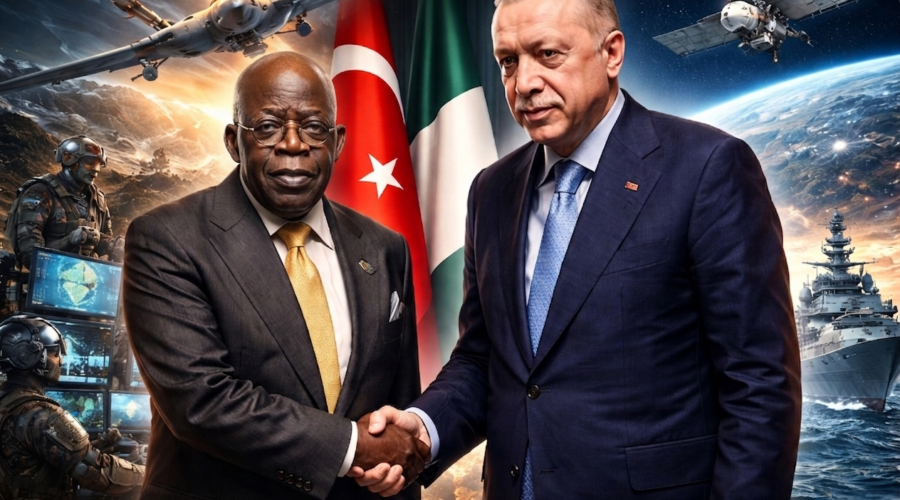
Nigeria–Türkiye Defense Deal: Targets Training, Technology Air And Naval Expansion To Train Special Forces
Nigeria’s national security infrastructure is coming into a dramatic, revolutionary evolution, with technology taking center stage in its defence policy. In a historic and extremely significant step, the Nigeria-Turkiye Defence Deal signals a clear path for hugely modern fighting capabilities, digital intelligence systems, and sophisticated border security.
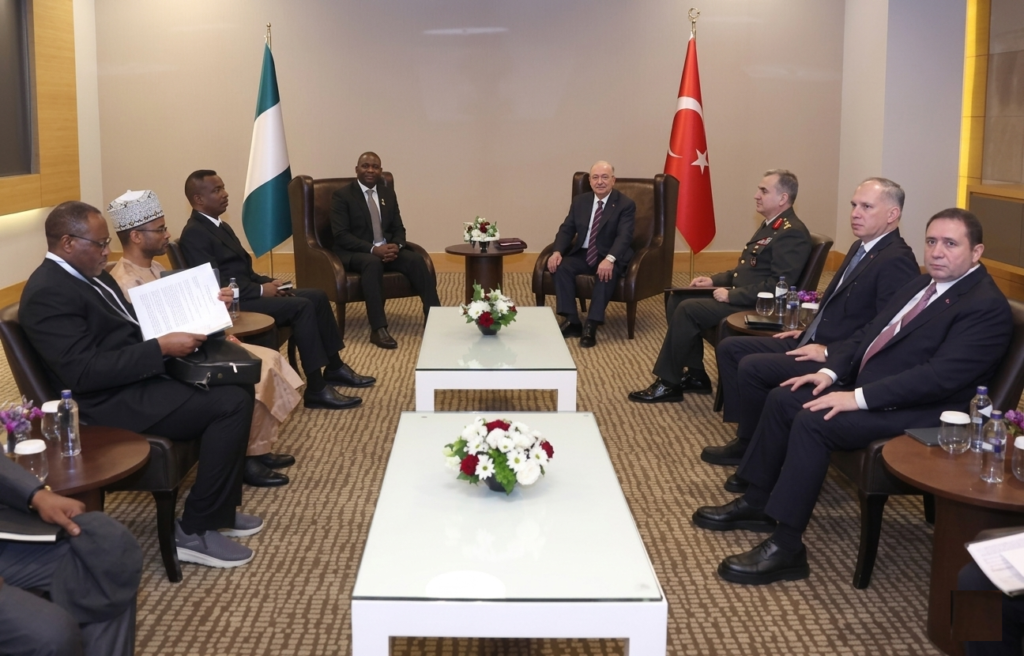
The Chief of Defence Staff (CDS), Gen. Christopher Musa, and the Chief of the Air Staff, Air Marshal Sunday Aneke, have visited ASELSAN, Turkey’s foremost defence electronics business, as Nigeria seeks this military and technological collaboration.
According to a statement released, Gen. Musa stated that they were met by Turkey’s President of Defence Industries, Mr Haluk Görgün. ASELSAN specialises in military communications, radar, surveillance, and electronic systems for land, air, and naval forces.
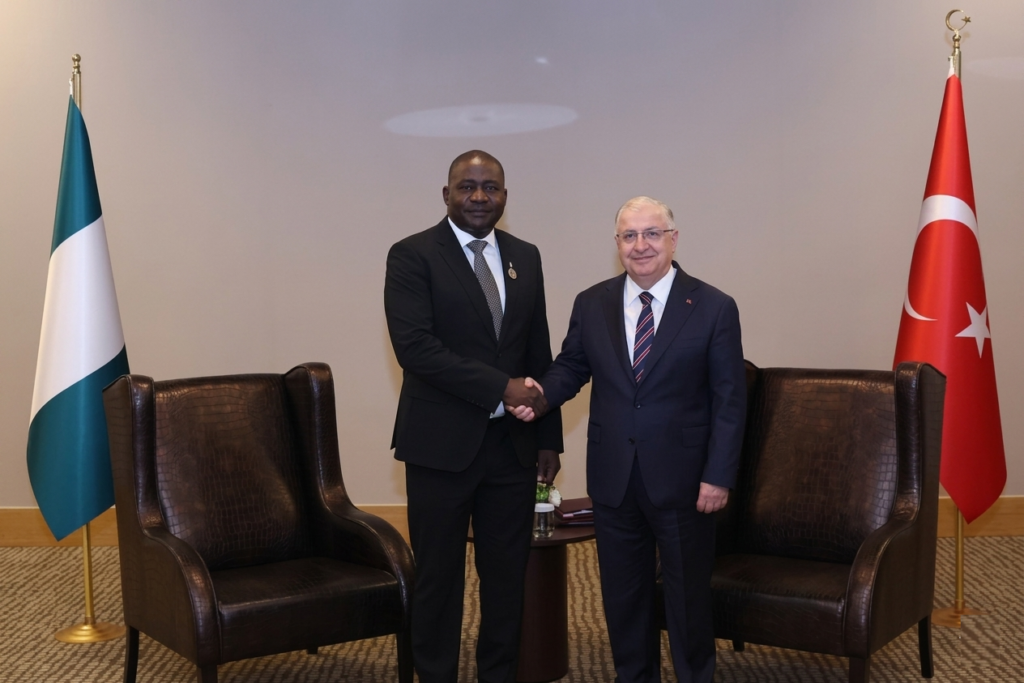
“We conducted a practical inspection of defence equipment and held discussions on ongoing cooperation and potential avenues for deeper defence synergy between Nigeria and Türkiye,”
Gen. Christopher Musa
He explained that the engagement was part of Nigeria’s larger attempt to improve its defense capabilities through strategic partnerships and technology transfer. This signals a high-stakes, forward-thinking shift where technology, security, and geopolitics come into play with a profoundly significant way.
Nigeria-Turkiye Defence Deal: A Game Changer in Military Cooperation
The agreement between Nigeria and Turkey was finalized at a high-level discussions at the Antalya Diplomacy Forum 2026, when both countries pledged to a strong and broad defense partnership.
The deal comes at a time when Nigeria faces ongoing and complex security concerns such as insurgency, banditry, and cross-border crime. The urgency of the crisis has forced politicians to consider new, technology-driven solutions rather than relying simply on traditional military measures.
Meanwhile, President Tinubu announced recently that Nigeria is improving economic, security, and diplomatic ties with the Republic of Turkey, as the two countries committed to work toward a $5 billion bilateral trade volume. Tinubu and Turkish President Erdoğan conducted a joint press briefing at the State House in Ankara after high-level bilateral talks during his state visit to Turkey.
The Nigerian leader emphasised the need of open trade, inclusive economic growth, and shared wealth, stating that Nigeria is interested in partnerships that increase possibilities and empower vulnerable populations.
“What is important to the countries being discussed is trade and business without restrictions, giving opportunities to those who are ready to learn, work and prosper,
“How do we build an inclusive economy together? How do we reform the economy and involve vulnerable people? How do we ensure peace in the world?”
President Bola Ahmed Tinubu.
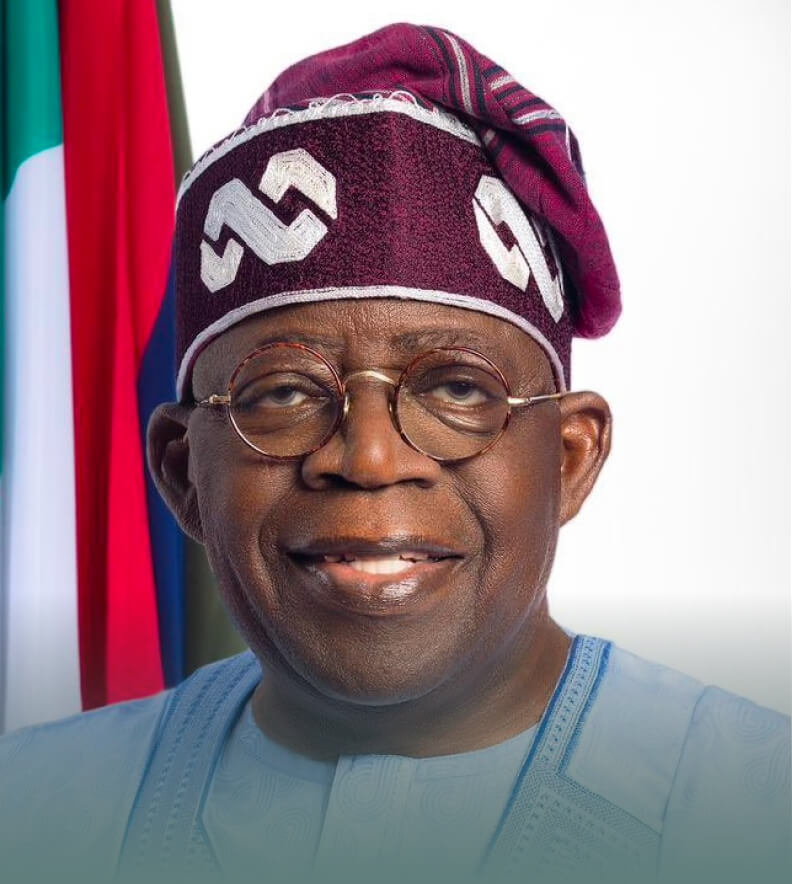
President Tinubu also underlined Nigeria’s commitment to supporting peace and stability across Africa, despite security concerns in some regions of the country, stressing that conversations with Turkey included cooperation against terrorism and other destabilizing forces.
The alliance indicates a strong alignment of interests, with Turkey contributing decades of counter-terrorism experience and Nigeria looking to rapidly enhance its defence infrastructure.
Surveillance Technology, Border Systems, Reinventing the National Security Infrastructure
The implementation of modern surveillance technology is one of the agreement’s most important and influential cornerstones. Türkiye has stated its willingness to provide Nigeria with modern sophisticated surveillance equipment such as unmanned aerial vehicles (UAVs), satellite-enabled monitoring, and anti-drone technology.
This is expected to improve Nigeria’s situational awareness and allow security personnel to spot threats before they escalate. However, while this is a very exciting development, it raises issues about data security, operational dependability, and long-term sustainability. Relying significantly on imported technology may expose risks if not accompanied by robust local capacity development.
Also, the Nigeria open borders have long been a vulnerable area exploited by armed groups, traffickers, and criminal networks. This agreement directly addresses that difficulty by developing integrated border control systems and improved intelligence-sharing arrangements.
The implementation of digitised border monitoring and coordinated intelligence systems is projected to convert border security from a disparate system to a unified, technology-driven defence network. This is a promising and perhaps revolutionary step, but its success will be highly dependent on implementation. Even the most sophisticated systems can become inefficient or underutilised if they are not properly maintained, trained, and coordinated by several agencies.
Air and Naval Digital Capabilities, Training and Technology Transfer
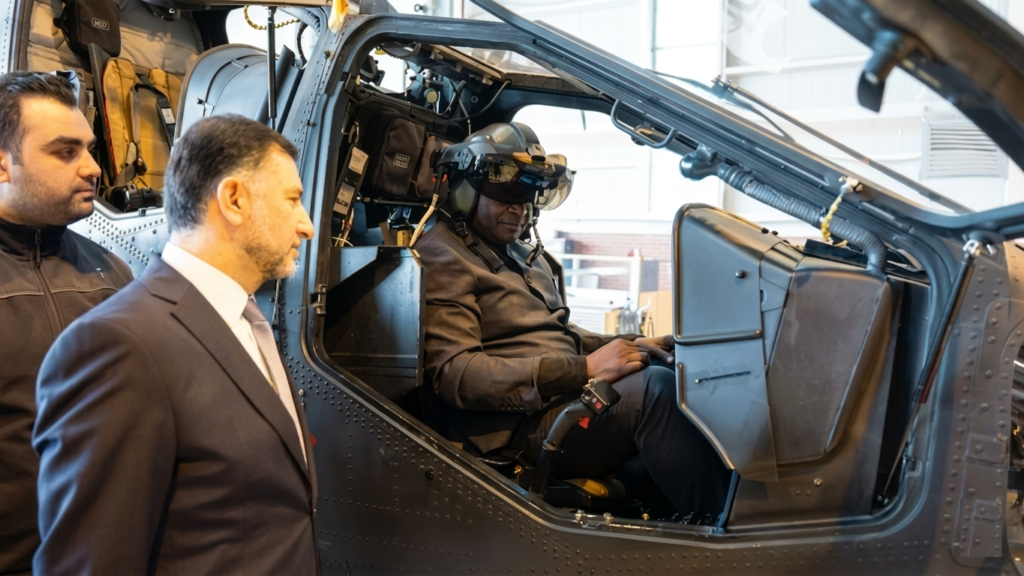
The deal also covers the aviation and maritime domains, with ambitions to strengthen Nigeria’s digital capabilities in these sectors. Discussions include aircraft repair systems, unmanned platforms, and maritime surveillance technologies that aim to improve operational readiness.
In the naval area, Nigeria intends to venture into the marine domain awareness systems, which are critical for protecting its coastal waters from piracy and unlawful activity.
Meanwhile, the air force will benefit from sophisticated digital systems that enhance flight operations and mission efficiency. However, the ambitious scope of these changes creates significant financial and logistical challenges, particularly in a country already facing economic constraints.
According to a statement issued on Sunday by the Ministry of Defense’s Chief Information Officer, Queeneth Iheoma-Hart, the planned training center would act as a long-term hub for capacity development, with Nigeria having already identified a suitable coastline area for the permanent facility. She also stated that a temporary site will be supplied to let operations get started.
Under the agreement, Nigerian Armed Forces troops would receive specialized training in areas such as Special Forces operations, counterterrorism, intelligence integration, counter-drone and counter-IED operations, and United Nations pre-deployment exercises.
Aside from training, she stated that the agreement includes provisions for technology transfer, defence industry engagement, and joint development of military capabilities. According to the statement, both sides have promised to collaborate on surveillance systems, unmanned aerial platforms, and satellite-enabled monitoring to handle increasing security risks.
The deal also includes improved border control, intelligence sharing, coordinated responses to non-state actors, and assistance for Nigeria’s disarmament and reintegration programs for former soldiers.
Speaking on the event, Musa described the meeting’s outcome as “a significant step forward” in Nigeria-Turkey defence relations.
“We are committed to delivering tangible, measurable results that strengthen our national security and advance the Renewed Hope Agenda,”
Gen. Christopher Musa
In recent years, Nigeria has expanded its defense collaborations to better respond to growing security concerns like as terrorism and banditry. The arrangement with Turkey comes at a time when US forces are in the country to assist with training, information collecting, and equipment support.
The inclusion of technology transfer and co-development projects is particularly crucial because it allows Nigeria to create its own defence capabilities rather than becoming a passive consumer of foreign systems.
Conclusion
This agreement is part of a larger trend in which Nigeria is prioritising defense-tech integration as a national goal. The country is gradually integrating itself into the worldwide shift toward technology-driven security frameworks. Türkiye, on the other hand, is increasing its influence as a major defence technology exporter, making this collaboration mutually beneficial.
However, detractors may argue that such relationships create geopolitical dependencies and strategic hazards, particularly if Nigeria becomes unduly reliant on a single partner for crucial security infrastructure.
While the deal is certainly ambitious and forward-thinking, it does not come without challenges. There are concerns about corruption, incompetence, and policy inconsistencies, which have historically hampered significant projects in Nigeria. Without addressing these systemic concerns, even the most innovative and well-funded initiatives risk falling short of their full potential.
If Nigeria does it correctly, this might be the start of a new era in which technology becomes the backbone of national security, establishing the country as a powerful force in Africa’s defensive environment. If it does it wrong, it risks becoming another squandered opportunity wrapped in ambition.
In either case, it is sure that technology is no longer an option in national defense; it is the battlefield itself.
Related Posts

Political Dynamics, Global Realignment: What Tola Adeyemi Told CEOs at FNCCI-KPMG Luncheon Series 6
As Nigeria heads toward the 2027 election, KPMG’s Tola Adeyemi urges businesses to prepare for multiple outcomes, policy shifts and new opportunities.
NITDA Builders Festival 2026: Smart Way to Unlock Startup Opportunities
NITDA Builders Festival 2026 offers Nigerian startups a path to ₦3bn in potential investment and pilot contracts by connecting real solutions with institutions.

Nigeria’s Internet Traffic: The Essential Growth Drivers Behind a 168% Surge
Nigeria’s internet traffic surged 168% in three years. Discover the key drivers behind the growth and what it means for businesses, SMEs and entrepreneurs.
Konga And Defence Headquarters Launch Nationwide Discount Scheme for Serving, Retired And Veteran Military Personnel
Konga and Defence Headquarters launch a nationwide discount scheme giving serving, retired and veteran military personnel access to essential goods at reduced prices.

Askya Offers African AI Startups Up To $200,000 In Investment Through New Growth Platform
Askya Investment Partners has launched a six-week AI Growth Platform for 10 African startups, offering zero-equity participation, business support and potential investment of up to $200,000