

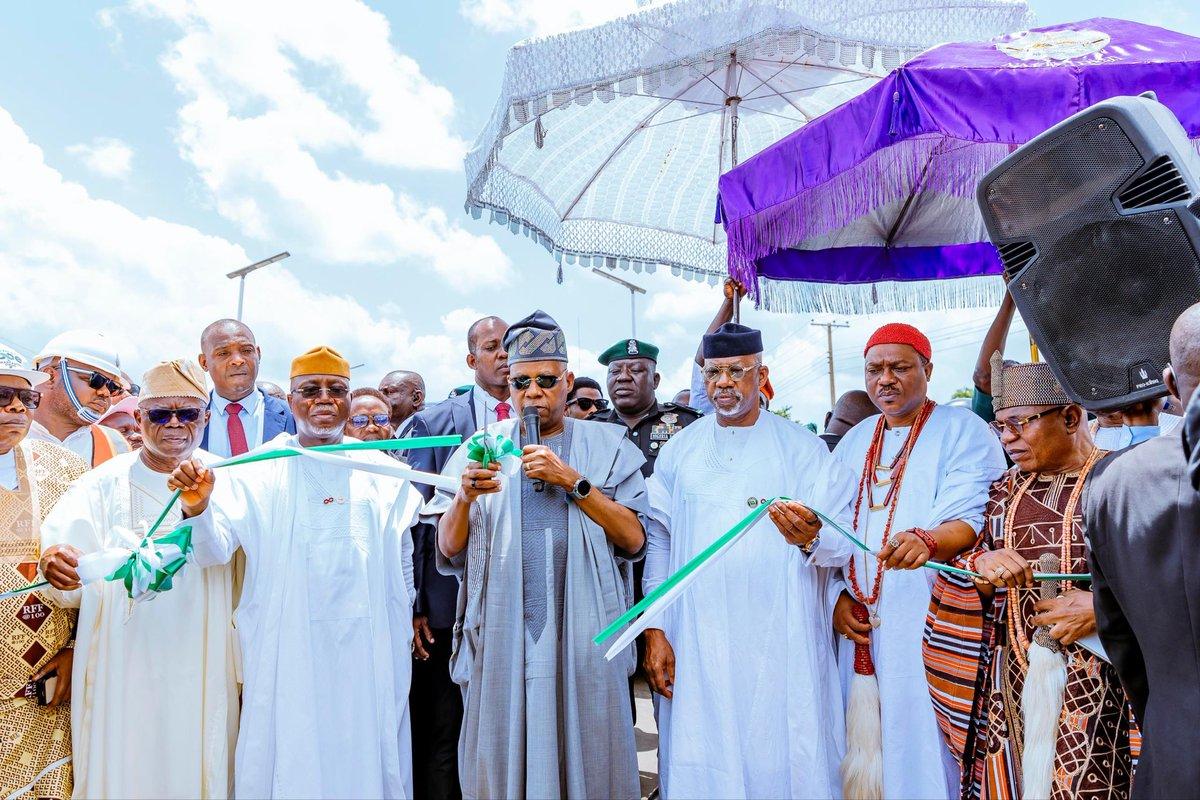
Borno Innovation Hub Opens in Maiduguri As Nigeria Targets Digital Skills, Youth Employment and Connectivity for 230,000 People
A Breakthrough Moment for Digital Skills in Northern Nigeria
Commissioned on November 23, 2026, by Vice President Kashim Shettima, the facility was developed through a partnership involving the Federal Ministry of Communications, Innovation and Digital Economy, IHS Nigeria and the Borno State Government
It is expected to provide a dedicated environment where young people, technology enthusiasts, entrepreneurs and beneficiaries of the Federal Government’s Three Million Technical Talent (3MTT) programme can develop their technical capabilities, collaborate on projects and connect with opportunities in the digital economy.
However, the innovation hub is only one part of a much broader digital development strategy for Borno State.
Alongside the commissioning, the Federal Government disclosed plans to deploy 89 additional telecommunications towers across rural communities in the state. The proposed infrastructure is expected to extend connectivity to approximately 230,000 people who currently lack adequate access to telecommunications services.
The development brings two important issues into focus: the need to equip young Nigerians with marketable digital skills and the need to provide the internet infrastructure required to turn those skills into productive economic opportunities.
For a state where insecurity, infrastructure gaps and economic disruption have presented significant development challenges, the combination of technology infrastructure, digital education and entrepreneurship support could create a new avenue for economic participation.
Ambassador Babagana Kingibe Innovation Hub
The name of the innovation hub carries an important connection to Borno State’s political and diplomatic history.

Ambassador Babagana Kingibe is a Nigerian diplomat and former senior public servant whose career includes serving as Minister of Foreign Affairs and Secretary to the Government of the Federation.
Naming the facility after him connects the project to a distinguished figure from the state whose contributions to national public administration and diplomacy have been recognised by the Vice President.
At the commissioning, Shettima described Kingibe as a distinguished son of Borno whose service in diplomacy, public administration and national affairs had left an enduring mark on Nigeria.
The naming also gives the facility a symbolic purpose beyond technology. It represents an attempt to connect Borno’s historical contributions to national development with the next generation of innovators, entrepreneurs and technology professionals.
Rather than allowing the state’s identity to be defined exclusively by its security challenges, the project presents another narrative: Borno as a place capable of producing talent, developing ideas and participating in emerging industries.
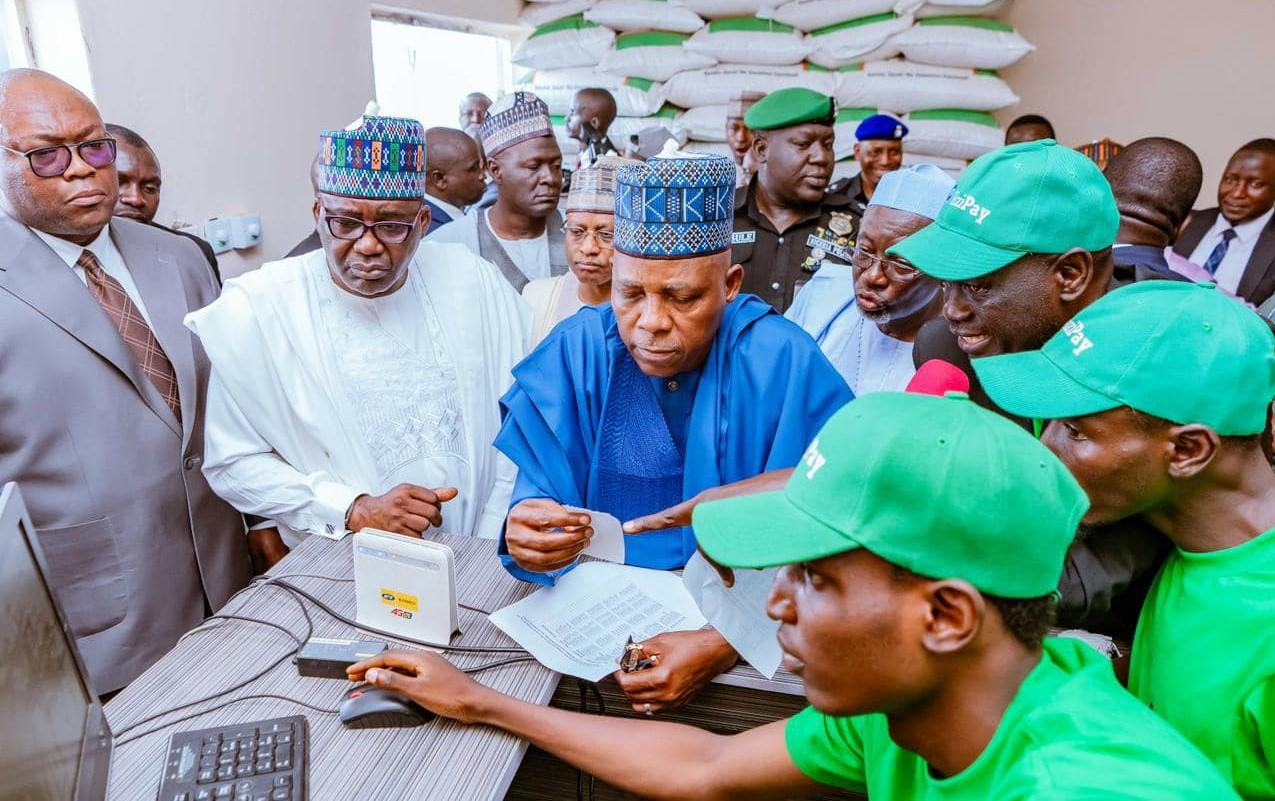
The ceremony was attended by Borno State Governor, Professor Babagana Umara Zulum, and the Minister of Communications, Innovation and Digital Economy, Dr. Bosun Tijani. IHS Nigeria’s leadership was also represented at the event.
Importantly, the hub is not being presented merely as a building for computer training. Its broader purpose is to create an environment where people can acquire technical knowledge, develop practical projects, explore business ideas and build professional portfolios that demonstrate their capabilities to prospective employers.
According to IHS Nigeria, operations at the facility had already commenced under the management of Co-creation Hub, popularly known as CcHub, a pan-African innovation ecosystem organisation.
How the Hub Will Support Nigeria’s 3MTT Digital Skills Programme
One of the most important aspects of the new Maiduguri innovation hub is its relationship with the Federal Government’s Three Million Technical Talent programme, commonly known as 3MTT.
Launched by the Federal Ministry of Communications, Innovation and Digital Economy, the 3MTT programme is designed to develop technical talent at scale and prepare Nigerians for opportunities in the domestic and international technology industries.
Its ambition is to train three million technical talents, with an emphasis on building the human capital required to support Nigeria’s digital economy.
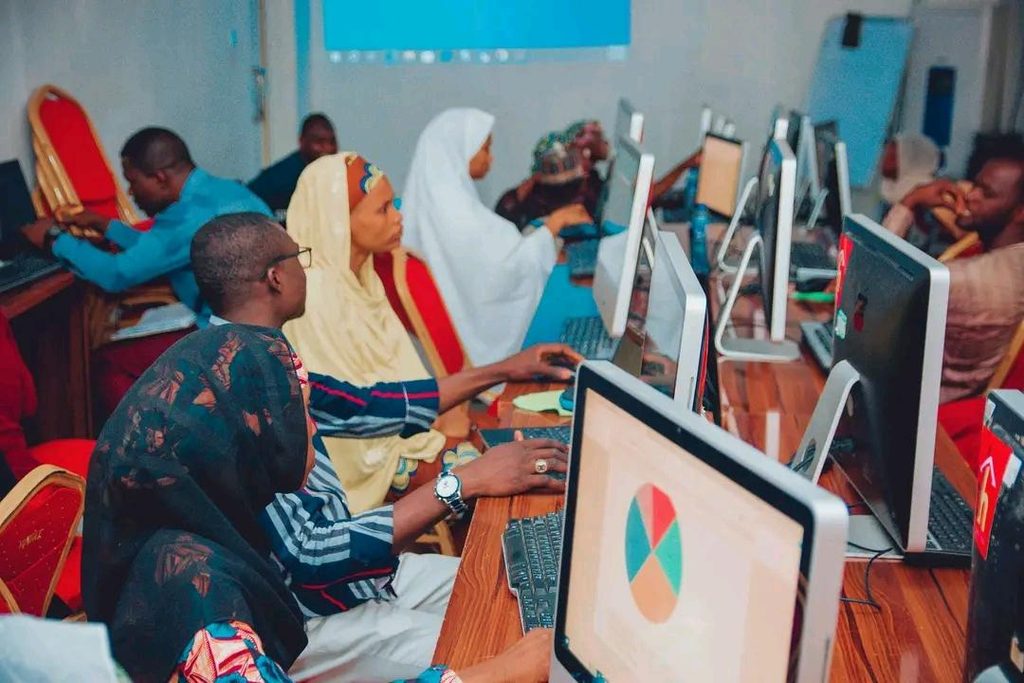
The programme focuses on developing practical capabilities across technology-related disciplines, including software development, data analysis, cybersecurity, cloud computing, artificial intelligence and other technical fields.
The Maiduguri facility is expected to serve as a collaborative learning environment for 3MTT participants in Borno State.
According to the Federal Ministry, fellows will have opportunities to work on projects, collaborate with other participants, develop professional portfolios and demonstrate their technical capabilities to potential employers.
This is an important distinction because completing a digital skills course does not automatically guarantee employment. Employers and clients frequently want to see evidence of practical competence, including completed projects, problem-solving abilities and demonstrable experience.
Minister Tijani urged young people to treat the hub as their own. He said its long-term impact would depend on how productively they use it.
Governor Zulum welcomed the federal investment but did not hide the problem. He noted that several local government areas in Borno still lack adequate internet connectivity. He also made a pledge, promising “political will and commitment” to the sustainability of projects supported by the ministry.

The Minister also disclosed that applications for the next 3MTT cohort were expected to open in December 2026. This creates another opportunity for aspiring technology professionals in Borno and other parts of Nigeria to participate in the programme.
IHS Towers, the Private-Sector Partner Behind the Innovation Hub
The involvement of IHS Nigeria is another important dimension of the project.
IHS Nigeria is part of IHS Towers , one of the world’s largest independent owners, operators and developers of shared communications infrastructure by tower count. The company focuses on telecommunications infrastructure in emerging markets and operates across Cameroon, Côte d’Ivoire, Nigeria, South Africa and Zambia.
According to its November 23, 2026, announcement, IHS Towers operates more than 28,000 telecommunications towers across its five markets. Its infrastructure business supports mobile network operators and the broader telecommunications ecosystem by providing shared tower infrastructure.

For the Maiduguri project, however, its contribution extends into digital inclusion, youth empowerment and community development.
Mohamad Darwish, Chief Executive Officer of IHS Nigeria, described the commissioning as an important step towards opening up opportunities for young people across Borno and the wider North-East region.
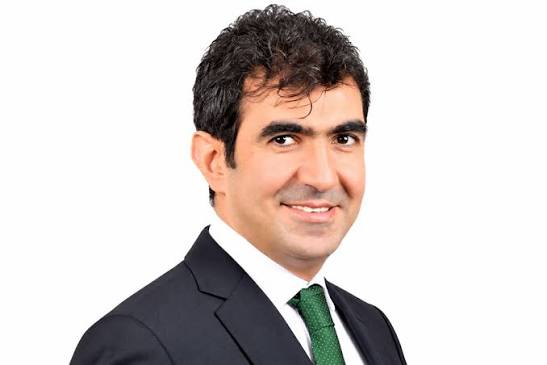
The Babagana Kingibe Innovation Hub is IHS Nigeria’s gift to the people of this region, but open to everyone from across the country.
Mohamad Darwish
He further explained that the project was founded on the belief that young people should have access to the tools, skills, mentorship and opportunities required to succeed.
The company’s position is that digital infrastructure investments should produce benefits beyond telecommunications connectivity, including education, entrepreneurship and economic participation.
IHS Nigeria also confirmed that the innovation hub complements its partnership with the Federal Ministry of Communications, Innovation and Digital Economy on the 3MTT Learning Community.
The 89 Rural Telecommunications Towers Connecting 230,000 People Without Adequate Access
While the new innovation hub is designed to develop digital talent, another major challenge facing Borno State is the lack of reliable telecommunications infrastructure in several rural communities.
The Federal Government has acknowledged that parts of the state remain inadequately connected to mobile telecommunications and internet services.
During the commissioning activities, Dr. Bosun Tijani disclosed that government research had identified the need for 89 additional telecommunications towers in Borno State to address existing connectivity gaps.
The planned deployment is expected to benefit approximately 230,000 people who currently lack adequate telecommunications access, according to reporting by TVC News on November 24, 2026.
The proposed towers form part of the Nigerian Universal Communications Access Project (NUCAP), a government initiative focused on extending telecommunications access to underserved and unserved communities.
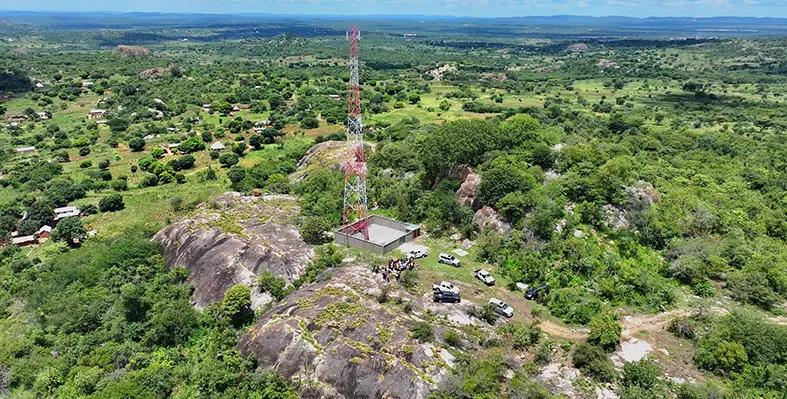
The rollout is expected to begin in December 2026.
Businesses depend on reliable internet access to communicate with customers, receive payments, advertise products, manage inventory and reach markets outside their immediate locations. For students and technology professionals, connectivity is equally important. Digital education, remote work, software development, online certifications and international freelance opportunities all depend on dependable internet access.
Without reliable connectivity, even the most promising digital skills programme can struggle to produce meaningful economic outcomes.
The proposed 89 towers address a fundamental problem that a technology hub alone cannot solve. However, it is important to distinguish between an announced infrastructure plan and completed
Project BRIDGE
The Borno innovation hub and proposed rural telecommunications towers are also connected to a larger national ambition to expand broadband infrastructure across Nigeria.
That initiative is known as Project BRIDGE, which stands for Building Resilient Digital Infrastructure for Growth.
The Federal Government’s Project BRIDGE initiative is designed to expand Nigeria’s fibre-optic network through the planned deployment of approximately 90,000 kilometres of fibre infrastructure nationwide.
The objective is to improve broadband availability, strengthen telecommunications infrastructure and provide the foundation for a more connected digital economy.
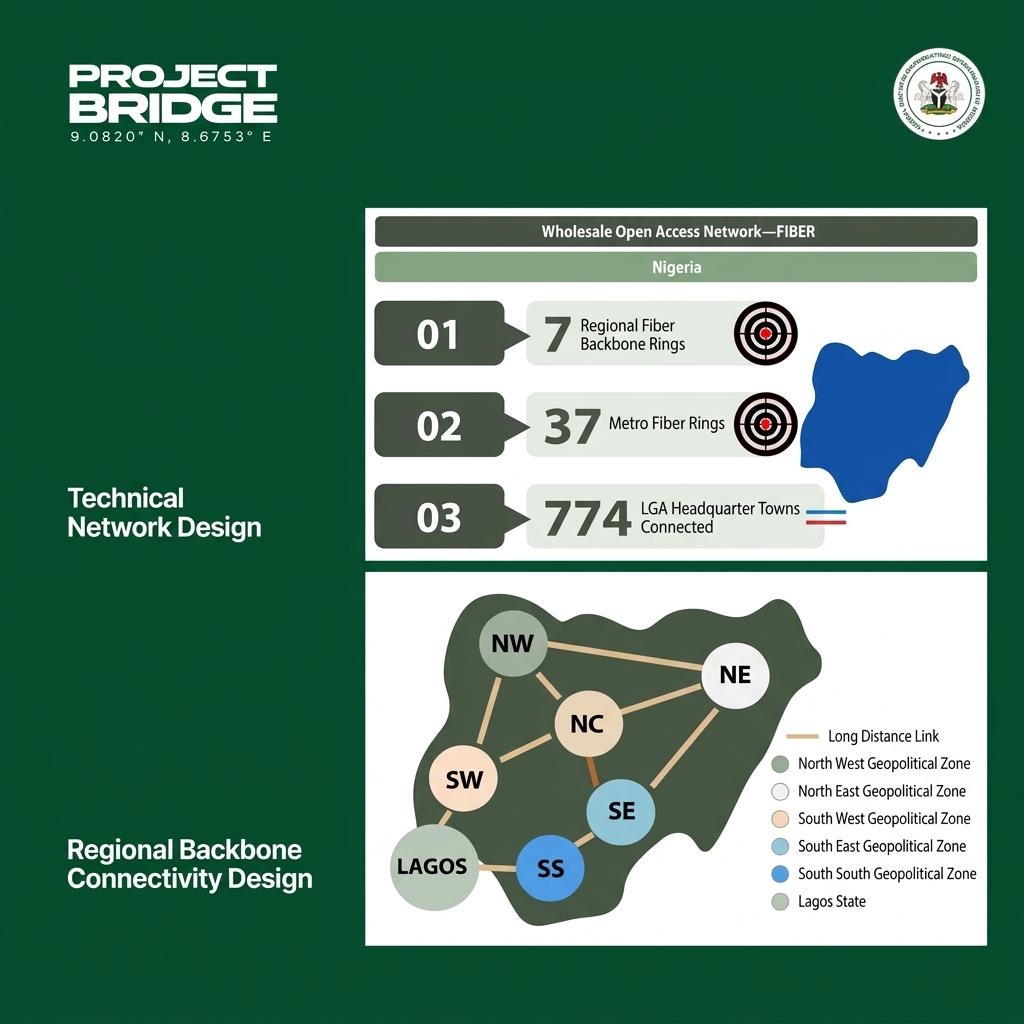
Vice President Shettima referenced the initiative during the Maiduguri commissioning, explaining that extending fibre-optic infrastructure to more communities would help connect Nigerians to emerging economic opportunities.
Borno State has been identified as one of the priority locations in the broader connectivity agenda. Fibre-optic cables provide high-capacity connections that transport internet data over long distances, while telecommunications towers provide the wireless access through which mobile devices connect to networks.
Vice President Kashim Shettima used the occasion to emphasise that Nigeria must move beyond consuming technology and develop the capacity to produce technological solutions, build businesses and export technical talent.
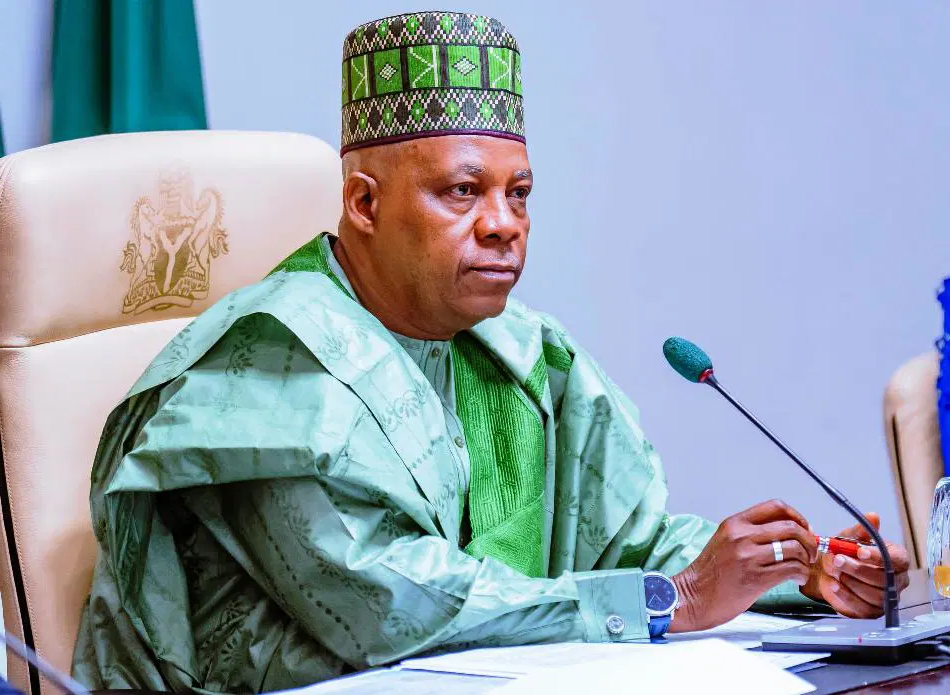
“Nigeria must produce technology, build enterprises around invention and export technical talent to the world. We have too much talent to settle for consumption.”
Kashim Shettima
The Vice President also connected the initiative to President Bola Ahmed Tinubu’s ambition of creating two million technology-related jobs. According to Shettima, young Nigerians must be placed at the centre of the country’s economic transformation, with access to the education, infrastructure and opportunities required to compete internationally.
He also described the new hub as a potential “playground of ideas” where young people could develop their creativity and turn their knowledge into practical solutions.
For the Minister of Communications, Innovation and Digital Economy, Dr. Bosun Tijani, the project represents an opportunity to connect infrastructure development with human capital investment. His argument is that building broadband networks without equipping people to use them effectively would limit the economic benefits of those investments.
“As we connect more communities, we are also helping more young people acquire the skills they need to make use of that connectivity.”
Bosun Tijani

The Minister further explained that the hub would support 3MTT fellows in Borno by providing opportunities to collaborate, build projects and develop professional portfolios.
Governor Babagana Zulum also welcomed the development, highlighting the importance of connectivity to economic development, employment creation and the state’s security objectives.
He acknowledged that several local government areas still lacked adequate connectivity and expressed the Borno State Government’s willingness to work with the Federal Government to address the problem.
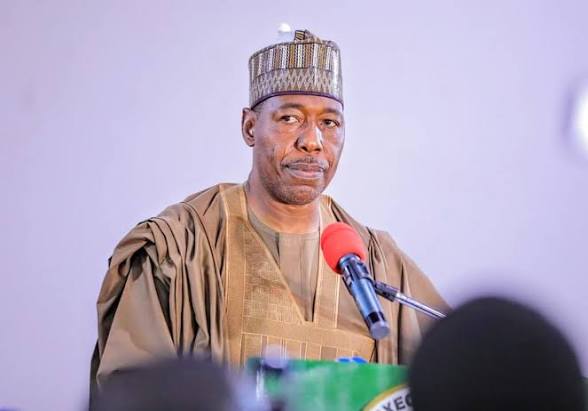
“I therefore express my political will and commitment to partner with the Ministry of Communications, Innovation & Digital Economy to ensure the sustainability of all the projects coming through the support of the Ministry.”
Babagana Zulum
He highlights an important factor in the project’s long-term success: federal investment alone will not guarantee sustainable outcomes without state-level cooperation and effective implementation.
Co-Creation Hub (CcHub) to Manage the Innovation Ecosystem
Another important organisation involved in the project is Co-creation Hub (CcHub).
CcHub being a pan-African innovation organisation known for supporting technology entrepreneurs, startups, innovation programmes and the development of technology ecosystems. According to IHS Nigeria’s official announcement, CcHub is responsible for managing operations at the Ambassador Babagana Kingibe Innovation Hub.
This is an important development because establishing an innovation facility is only the beginning. Its long-term value depends on the quality of the programmes delivered, the expertise of its management team and the opportunities it creates for participants.
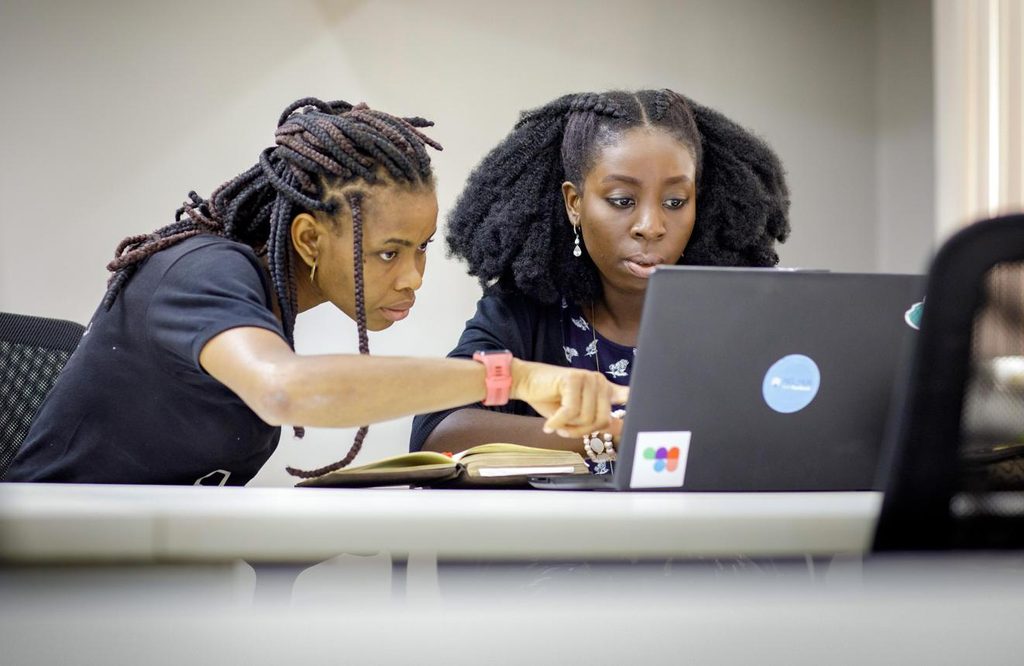
Under CcHub’s management, the facility is delivering programmes focused on digital skills, innovation, entrepreneurship, startup support and ecosystem development. The involvement of an established innovation ecosystem organisation could help provide a more structured environment for aspiring founders and technology professionals in Borno.
For example, a young person learning software development could potentially use the facility to collaborate with other developers, develop a functional product, receive mentorship and explore opportunities to commercialise an idea.
An aspiring entrepreneur could also benefit from exposure to business development, networking and startup support. The important point is that the hub is intended to support more than classroom-based digital training. Its stated mandate also includes innovation and enterprise development.
Conclusion
The commissioning of the Ambassador Babagana Kingibe Innovation Hub is a promising development for Borno State and Nigeria’s broader digital economy. With Vice President Kashim Shettima leading the commissioning, the Federal Ministry of Communications, Innovation and Digital Economy providing policy direction, IHS Nigeria supporting the initiative and CcHub managing operations, the project brings together government, private-sector infrastructure investment and innovation ecosystem expertise.
More importantly, its relationship with the 3MTT programme creates an opportunity to connect technical education with practical experience, entrepreneurship and employment.
The proposed deployment of 89 rural telecommunications towers, expected to reach approximately 230,000 people, adds another important dimension by addressing the connectivity barriers that could prevent communities from benefiting from digital opportunities.

For Borno State, this could represent an important opportunity to reposition its economic future around innovation, technical talent and digital entrepreneurship.
For Nigeria, it reinforces a crucial message: the country’s next generation of technology entrepreneurs and digital professionals will not come from Lagos and Abuja alone.
The future of Nigeria’s digital economy depends on taking opportunity beyond the major cities and ensuring that talent, wherever it exists, has the infrastructure and support to succeed.
Follow Amebopreneur for the latest on Nigeria’s tech ecosystem, startup funding opportunities, and the cross-border partnerships shaping Africa’s innovation future.
Related Posts

Can AI Finally Solve Nigeria’s SME Record-Keeping Problem?
Can AI fix record-keeping for Nigerian SMEs? Explore Omata AI, WhatsApp bookkeeping, inventory, payment reconciliation and real software costs.
NSIA Deepens Role as Catalytic Investor Across Health, Energy and Innovation
NSIA is driving Nigeria’s long-term growth with bold investments in healthcare, renewable energy, infrastructure and homegrown innovation.

Nigeria’s Largest Listed Firms Increase Capital Spending by 42.48% to ₦3.41 Trillion as Investment Expands
Nigeria’s biggest listed companies raised capital spending by 42.48% to ₦3.41 trillion, signalling a major investment push across telecoms, cement and energy.

Who Gets the Money? Inside AfDB’s $102 Million Bet on Nigerian Businesses and Farmers
AfDB’s $102 million funding package targets 200 Nigerian businesses, 5,000 farmers and 6,000 jobs. Find out who qualifies and where the money goes.

Airtel Foundation ₦100 million Technology Scholarship For Undergraduates: Everything Nigerian Students Must Know Before December 24
Airtel Foundation opens its ₦100 million tech scholarship for Nigerian undergraduates. See who qualifies, what you get, and the December 3, 2026 deadline.