

Nigeria’s Digital TV SwitchOver Finally Becomes Reality: Sets June 17, 2026 for full DSO Rollout
For more than a decade, Nigeria’s Digital Switch Over project has been one of the country’s most delayed and irritating technological transformations. Governments set timelines, broadcasters planned migration, and millions of Nigerians waited indefinitely for the promised future of crystal-clear digital television. After years of ambiguity, missed targets, technological delays, and public scepticism, the Federal Government has announced that the long-awaited Digital TV SwitchOver project will be launched countrywide on June 17, 2026.
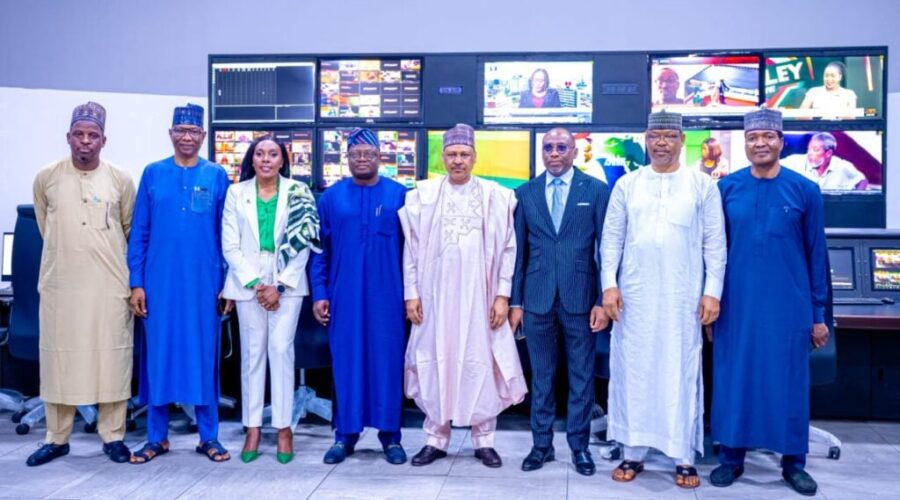
The announcement was made in Abuja by Mohammed Idris, Minister of Information and National Orientation, during a tour of NIGCOMSAT facilities at the Obasanjo Space Center.
Speaking after a facility tour of Nigerian Communications Satellite Limited’s headquarters in Abuja on Wednesday, Minister of Information and National Orientation Mohammed Idris stated that the initiative would transform broadcasting, advertising, and television viewership in Nigeria and Sub-Saharan Africa.
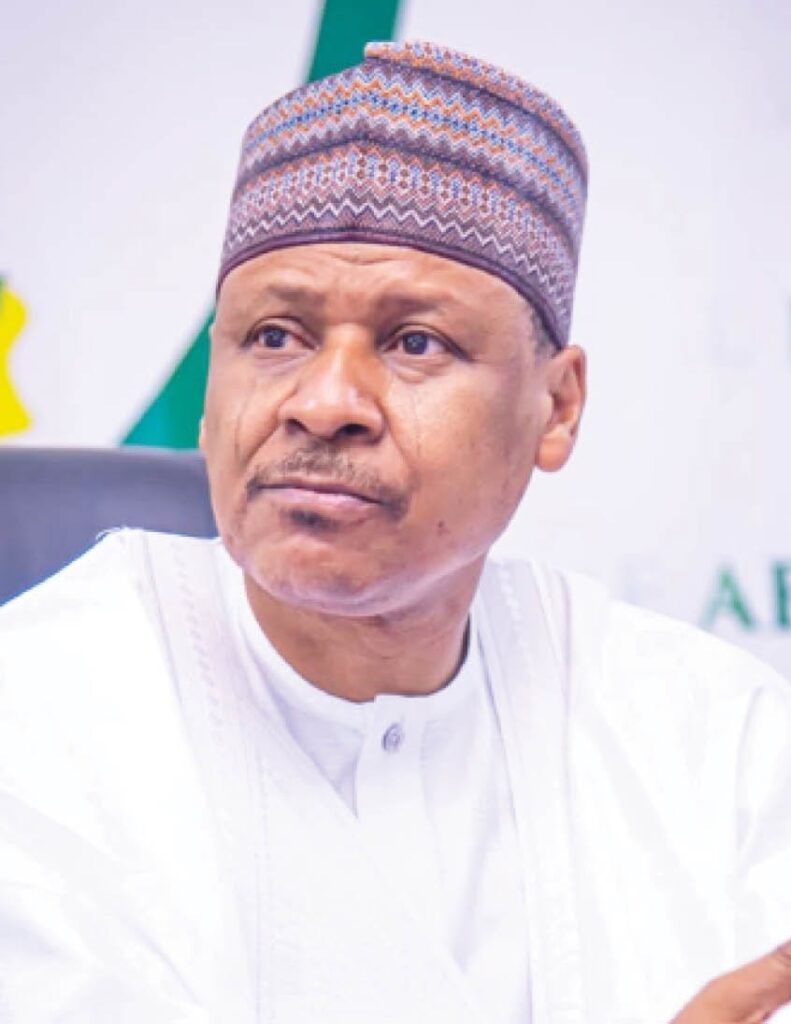
“The promise that President Bola Tinubu made that he is going to reform all sectors. We are seeing this reform in action in the broadcast industry.”
“You recall that for many years, Nigerians have been grappling with this idea of the DSO, the digital switchover. In other words, removing our transmissions from analogue to digital. Now this has happened, and it is ready to be commissioned by the 17th of June this year,”
Mohammed Idris
He stated that Nigerians have waited years for the shift from analogue to digital broadcasting and that the process was now completed and ready for commissioning on June 17.
The deployment might open up significant prospects in media-tech advertising, content production, smart TV sales, digital broadcasting infrastructure, and audience analytics. At the same time, doubts linger regarding pricing, accessibility, technical readiness, and if Nigeria will finally deliver on what previous administrations have failed to do.
What Exactly is Nigeria’s Digital Switchover (DSO)?
Nigeria’s Digital Switchover refers to the country’s transition from outmoded analogue television transmission to modern digital terrestrial television broadcasting. Instead of receiving blurry analogue transmissions with limited channels and low picture quality, viewers will now receive better digital signals that may support hundreds of television channels at once.
With the June 17, 2026 implementation date fixed, Nigeria is finally attempting to close the painful digital divide. Nigeria’s DSO journey has been filled with setbacks, disputes, and missed deadlines. The country initially planned to implement the transition in accordance with international norms in 2015, but several hurdles have continually hindered progress.
Funding issues hindered infrastructure deployment in numerous jurisdictions. Technical issues led to confusion among broadcasters and customers. There were also severe worries about encrypted set-top boxes, licensing structures, operating costs, and ineffective public awareness campaigns.
Mohammed Idris, Minister of Information and National Orientation, recognised this frustration publicly by saying:
“It’s been a shame in the past that Nigeria hasn’t been able to do this. But now the digital transition is complete.”
June 17, 2026
The confirmed June 17 debut date represents Nigeria’s efforts to reposition itself in Africa’s fast-growing digital media sector. According to government authorities, the DSO deployment would first include more than 100 free television channels before progressively shifting to full HD broadcasting.
This implies that viewers may soon see dramatically improved image quality, more entertainment alternatives, educational programmes, regional content diversity, and better sports broadcasting experiences. The government also says that the system would support real-time audience measuring technologies, allowing advertisers to better understand viewer behaviour. That invention alone might totally transform Nigeria’s television advertising ecosystem.
Perhaps the most commercially significant feature of the Digital Transition is its impact on advertising technology and audience measurement. Traditional television advertising in Nigeria has frequently suffered from poor analytics and incorrect audience data. Advertisers frequently struggled to determine what viewers were watching and which groups were consuming specific material.
According to reports, the new DSO infrastructure includes audience-measuring capabilities to assist marketers in making more informed and strategic decisions.
“This will help advertisers to make informed decisions about what programme it is that people are watching and what it is that Nigerians want to watch across all the demographics.” Mohammed Idris
This development could result in explosive expansion in Nigeria’s media-tech advertising business. Brands may begin to allocate more sums to data-driven television advertisements. Media agencies should improve their targeting powers. Broadcasters may now compete based on measurable audience engagement rather than vague estimations.
Massive Opportunity for Nigerian Content Creators: Smart TV and decoder demand could skyrocket
With over 100 channels slated to launch, the need for new programming might skyrocket. This could present significant potential for filmmakers, television producers, journalists, documentary creators, animation companies, sports analysts, music networks, and regional broadcasters.
The National Broadcasting Commission apparently aims to construct regional studios beyond Lagos, Abuja, and Kano to accommodate larger content creation across the country. This strategy has the potential to decentralise Nigeria’s entertainment industry and provide rising innovators from underdeveloped locations with more access to national audiences.
The DSO implementation is also likely to generate a massive demand for digital-ready televisions and compatible decoders throughout Nigeria. Millions of households are currently using older analogue television systems, which may require digital set-top boxes to receive the new broadcast signals. While many new smart TVs support digital broadcasting standards, older models may require upgrades.
According to the minister, the project would improve audience measurement for broadcasters and marketers, allowing them to identify viewing habits and make more educated advertising decisions.
Now science is at play. I mean, if you are now watching a particular station, you know who is watching what and how many people are watching.”
“So the standard measurement that was omitted in the previous experiment is now available here. This will help advertisers to make informed decisions about what programme it is that people are watching and what it is that Nigerians want to watch across all the demographics. Mohammed Idris
According to government sources, the latest rollout is different from prior attempts since preceding set-top boxes were encrypted and pricey. According to the Minister of Information, the new system would be free, with the government covering some of the running costs.
The Role of NigComSat in Nigeria’s Satellite Infrastructure
Nigeria Communications Satellite Limited (NigComSat), in collaboration with the National Broadcasting Commission and the Federal Ministry of Information, is leading the DSO rollout.
NigComSat’s leadership says the firm is committed to guaranteeing continuous service delivery and strengthening Nigeria’s technological capabilities. According to reports, new satellites will be launched to bolster the nation’s communication infrastructure.
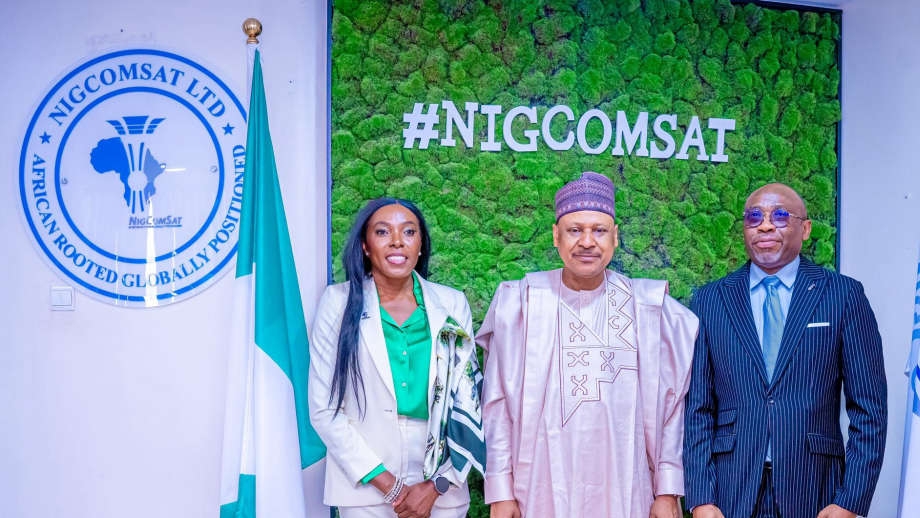
The DSO initiative is intimately linked to that wider aim. By modernising broadcast technology, enhancing audience analytics, and boosting digital media consumption, the project has the potential to increase technological adoption among consumers and enterprises.
Idris further stated that the rollout was made possible via the participation of NigComSat, the National Broadcasting Commission, the Ministry of Communications, and the Ministry of Information and National Orientation.
Success would send a strong statement that Nigeria can finally carry out large-scale digital infrastructure upgrades efficiently. However, failure would increase public scepticism and exacerbate worries about institutional inefficiencies.
Conclusion
Nigeria’s statewide Digital Switch Over-implementation, set for June 17, 2026, is one of the most ambitious and long-awaited media technology changes in the country’s history.
After years of agonising delays, broken promises, and public dissatisfaction, the Federal Government claims the digital television era has finally come.
The predicted benefits are tremendous. Better broadcast quality, more television channels, smarter advertising systems, broader content development options, growing demand for smart TVs, and stronger digital infrastructure have the potential to totally change Nigeria’s media environment.
What happens after June 17 will likely determine whether Nigeria’s Digital Switch Over is a groundbreaking technological success or another overhyped government project that falls short of expectations.
Related Posts

Political Dynamics, Global Realignment: What Tola Adeyemi Told CEOs at FNCCI-KPMG Luncheon Series 6
As Nigeria heads toward the 2027 election, KPMG’s Tola Adeyemi urges businesses to prepare for multiple outcomes, policy shifts and new opportunities.

Access Bank $500 Million Eurobond Repayment: An Essential Lesson in Financial Planning
Access Bank’s $500m Eurobond repayment offers a powerful lesson in liquidity planning, foreign-currency risk and smart financial management for Nigerian businesses.
Funding is Available, But Are Nigerian Small Businesses Ready for It?
Funding exists for Nigerian small businesses, but access remains a challenge. Discover what SMEs need to become funding-ready and turn capital into sustainable growth.
Meta, 3MTT, NCAIR & RAIN Partner to Accelerate AI Skills and Innovation in Nigeria
Meta, 3MTT and RAIN launch AI Academy Nigeria to equip developers with AI skills, build startups and turn Nigeria’s growing AI talent into global innovation.
Nomba and Synafare Commit ₦2 Billion to Solar Financing for 300 Nigerian SMEs
Nomba and Synafare are committing ₦2 billion to solar financing, helping 300 Nigerian SMEs cut energy costs, boost productivity and power their growth.