

TikTok Backs Africa’s Fight Against AI Misinformation With Additional $200K Literacy Program
Changing the Rules for Digital Safety
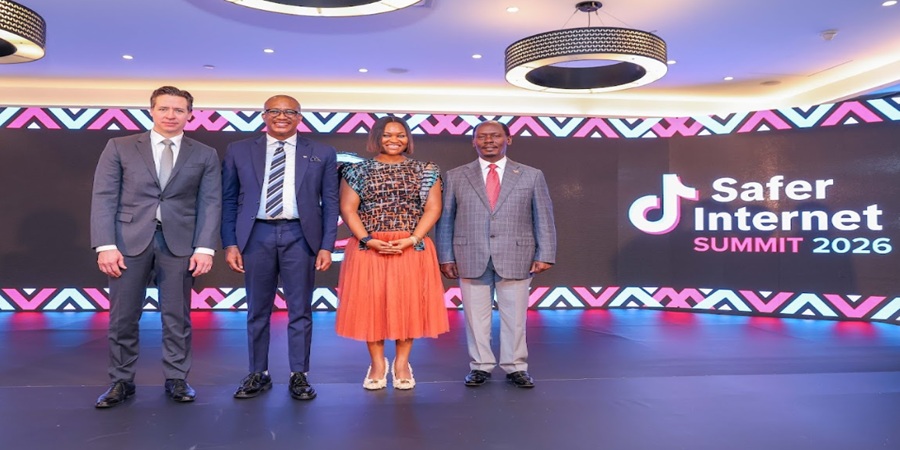
In order to promote AI media literacy initiatives throughout Sub-Saharan Africa, TikTok has committed an additional $200,000 investment. This was revealed by the video platform at its third annual Safer Internet Summit in Nairobi. The third annual Sub-Saharan Africa Safer Internet Summit in Nairobi on March 10th revealed this funding in the form of advertising credits, which are meant to give local organisations already working in their communities more power.
The company’s total investment in AI literacy since the global fund’s start in November 2025 is now $2.2 million thanks to the latest financing.
The summit series, which began in Ghana in 2024, proceeded to Cape Town in 2025, and is currently in Nairobi in 2026, is a reflection of TikTok’s growing collaborations with governments and regulators throughout sub-Saharan Africa to tackle issues related to digital safety.
Importance
The investment builds on TikTok’s $2 million initial AI Literacy Fund, which was set up to help nonprofits that were trying to make AI less scary and deal with new risks. This new allocation for a specific region shows that people are aware that Sub-Saharan Africa’s rapidly growing digital landscape is a good place for new ideas to grow, but it’s also becoming more vulnerable to false information, deepfakes, and lies that are spread online.
Deepfake technology and AI-generated media in general are real problems for society in Africa. AI has made it easier and cheaper to make fake images, audio, and video that look real. This can spread false stories, lower trust in public institutions, or even change the way people talk about politics.
Domestic data also shows how strong even small amounts of false information can be. This shows how important it is for regular people and online creators to be media literate.
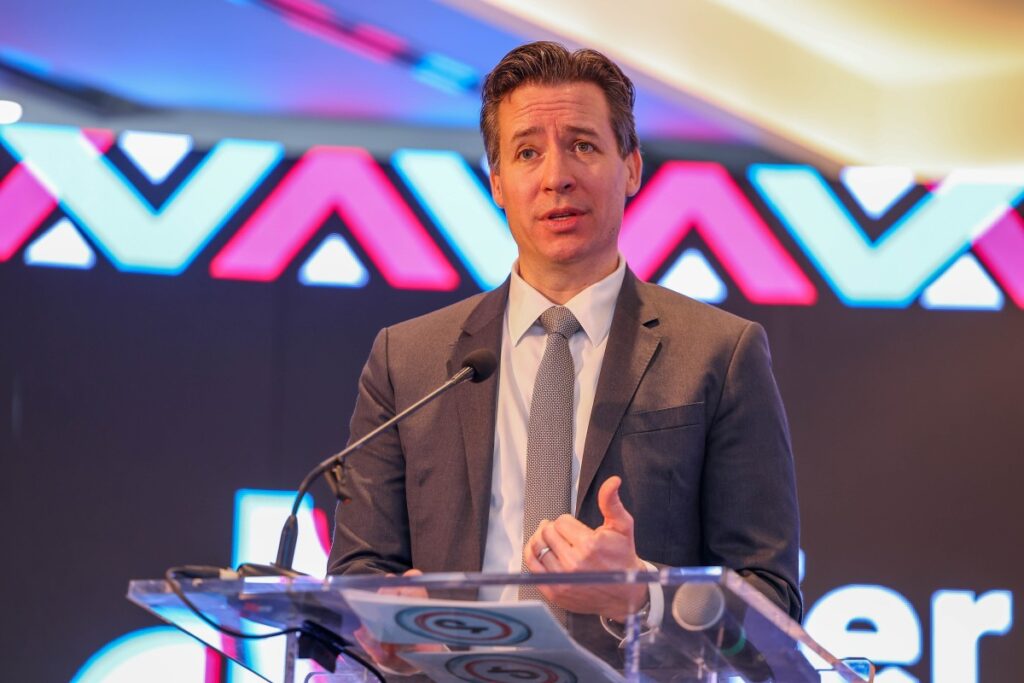
“With the rapid advancement of AI, we are committed to educating our community online so they feel empowered to have responsible experiences with AI, whether that’s as viewers or creators. We are partnering with trusted local organisations that communities already know and rely on, because their expertise and deep local connections are essential to making AI literacy programmes truly impactful.”
Valiant Richey, Global Head of Partnerships, Elections & Market Integrity at TikTok, stated,
Local organisations are on the front lines.
Instead of putting all of its money into TikTok’s own infrastructure, the company is focusing on working with local African organisations that have strong ties to their communities and a history of teaching people how to use media and check facts:
- Mtoto News in Kenya is making content to help young people use AI safely. This is important for a generation that is very connected and very open to digital risk.
- Africa Check is expanding its fact-checking work in Nigeria, South Africa, and Kenya. It is teaching people how to spot deepfakes and false information made by AI.
- The Centre for Journalism Innovation and Development (CJID) continues to help independent fact-checkers and fight information disorder across Africa through its DUBAWA platform.
This plan is in line with what TikTok said: that local knowledge and trust networks are essential for real AI literacy work. Teaching people that AI exists is one thing; helping them make sense of content on a platform that people use every day for news, entertainment, community engagement, and even political debate is another.
Kenyan government officials, for example, praised the initiative but called for more cooperation and stronger local responses. This is especially important as the region gets ready for big elections and wonders how platforms like TikTok will deal with politically charged false information.
The talks at the summit made it clear that no one group has all the answers. Companies, civil society, regulators, and everyday users all have important roles to play in creating a digital ecosystem that is both new and reliable.
Conclusion: A Step Toward Digital Resilience
Digital literacy isn’t just about “critical thinking” online anymore; it’s also about keeping democracy, young people, and community trust safe in a world where AI can make realistic deepfakes with just a few clicks. TikTok’s additional $200,000 investment in media literacy across Sub-Saharan Africa is a big step in the right direction. It shows that platforms are starting to take responsibility for the digital spaces they help create.
The real effect will depend on how well these programmes are adopted and whether other tech companies and governments do the same. But for now, this project is a big step toward giving people the tools they need to not just watch content but also understand it in a time when seeing isn’t always believing.
Related Posts
Askya Offers African AI Startups Up To $200,000 In Investment Through New Growth Platform
Askya Investment Partners has launched a six-week AI Growth Platform for 10 African startups, offering zero-equity participation, business support and potential investment of up to $200,000
African Governments Are Now Training Their Civil Servants to Use AI as AfDB Launches Free Programme for Public Officials
The African Development Bank, UNDP, Google and Apolitical have launched free AI training for African public officials, covering AI skills, leadership, risks and government procurement.

At Just 16, Nigerian Tech Prodigy Belusochim Ugochukwu Takes On Machine Learning and Robotics Job At Apple Inc.
At just 16, Nigerian tech prodigy Belusochim Ugochukwu is making waves at Apple, taking on machine learning, robotics, and groundbreaking AI research.

CBN Maintains Cautious Monetary Stance Ahead of July 2026 Monetary Policy Committee MPC Meeting
As the July 2026 MPC meeting nears, all eyes are on the CBN. Will interest rates stay put, or will fresh signals reshape Nigeria’s economic outlook?
AfCFTA, Agility And Industrial Growth: How African CFOs Are Rethinking Business Strategy
Discover how AfCFTA is reshaping African business strategy as CFOs embrace regional trade, industrial growth and resilient corporate leadership.