

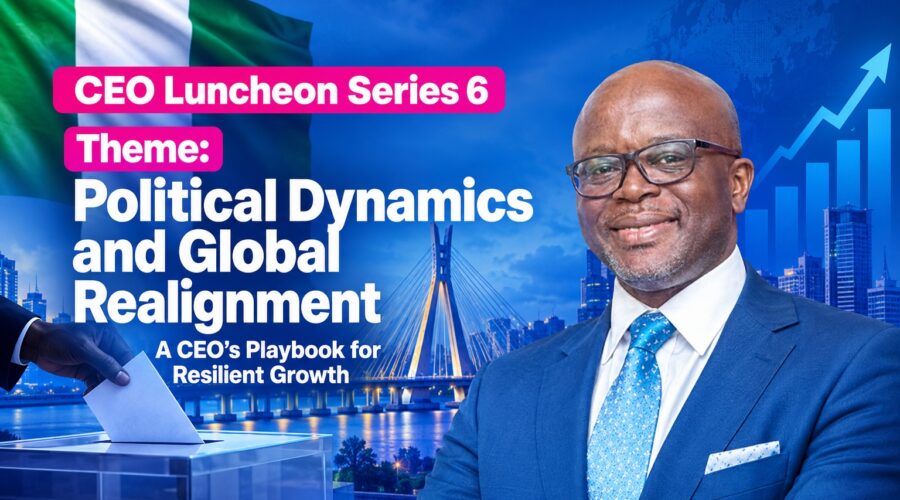
Political Dynamics, Global Realignment: What Tola Adeyemi Told CEOs at FNCCI-KPMG Luncheon Series 6
Nigerian businesses have been advised to prepare for different political outcomes ahead of the 2027 general elections, as changes in government could affect policies on taxation, monetary policy, infrastructure, subsidies and other areas of the economy.
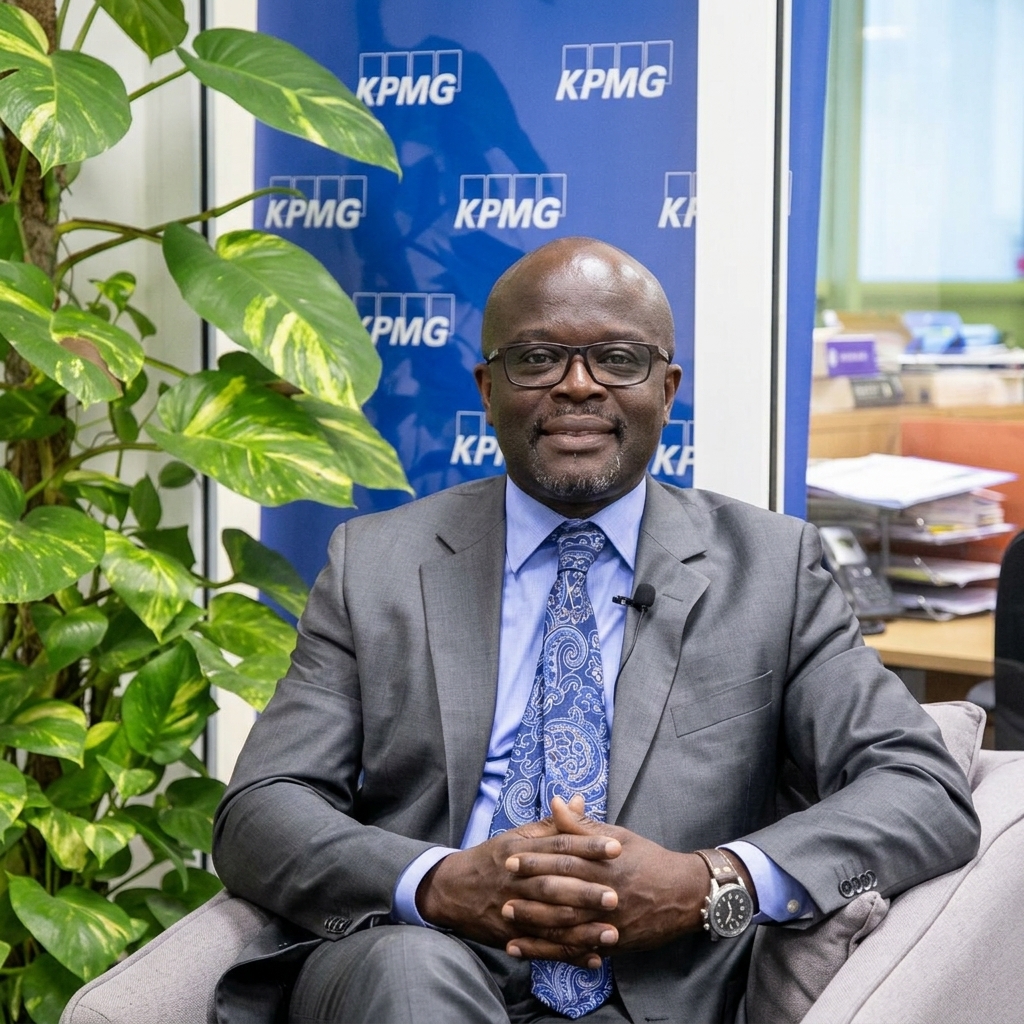
The advice was given by Tola Adeyemi, CEO of KPMG One Africa and Senior Partner of KPMG Nigeria, while speaking at the sixth series of the Annual CEO Luncheon organised by the Franco-Nigerian Chamber of Commerce and Industry (FNCCI) in partnership with KPMG in Lagos.
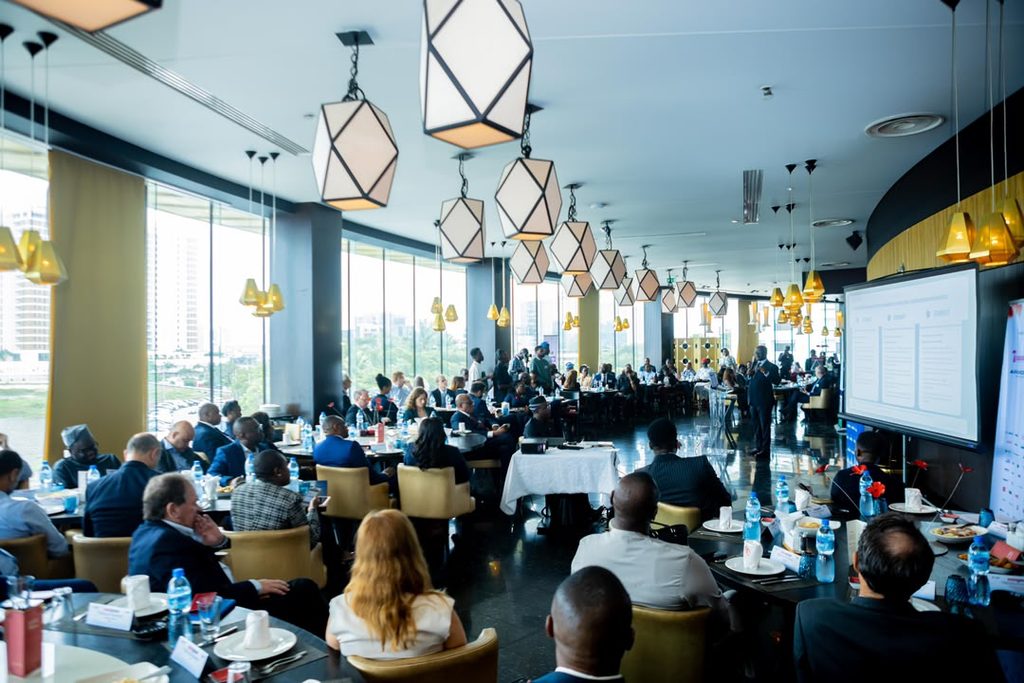
The event, held under the theme “Political Dynamics and Global Realignment: A CEO’s Playbook for Resilient Growth”, brought together business leaders to discuss the political and economic developments shaping the operating environment in Nigeria.
Adeyemi said businesses should not rely on a single prediction about the outcome of the 2027 election but should develop plans for different possibilities. He identified three possible scenarios: the incumbent retaining power, an opposition victory resulting in a shift in government, and an inconclusive election that could lead to a rerun.
According to him, the first scenario could result in policy continuity, while a change in government could lead to a recalibration of existing policies. An inconclusive election, he said, could create a period of heightened uncertainty for businesses. He urged companies to examine how each scenario could affect fiscal policy, taxation, revenue mobilisation, monetary policy, infrastructure spending, social development, security and sector priorities.
Adeyemi said businesses should also consider how changes in the Central Bank of Nigeria’s policy direction could affect their operations, noting that companies had already experienced the impact of changes in monetary policy on the economy.
He said the purpose of scenario planning was not to predict the election result but to ensure that businesses were prepared for different outcomes.
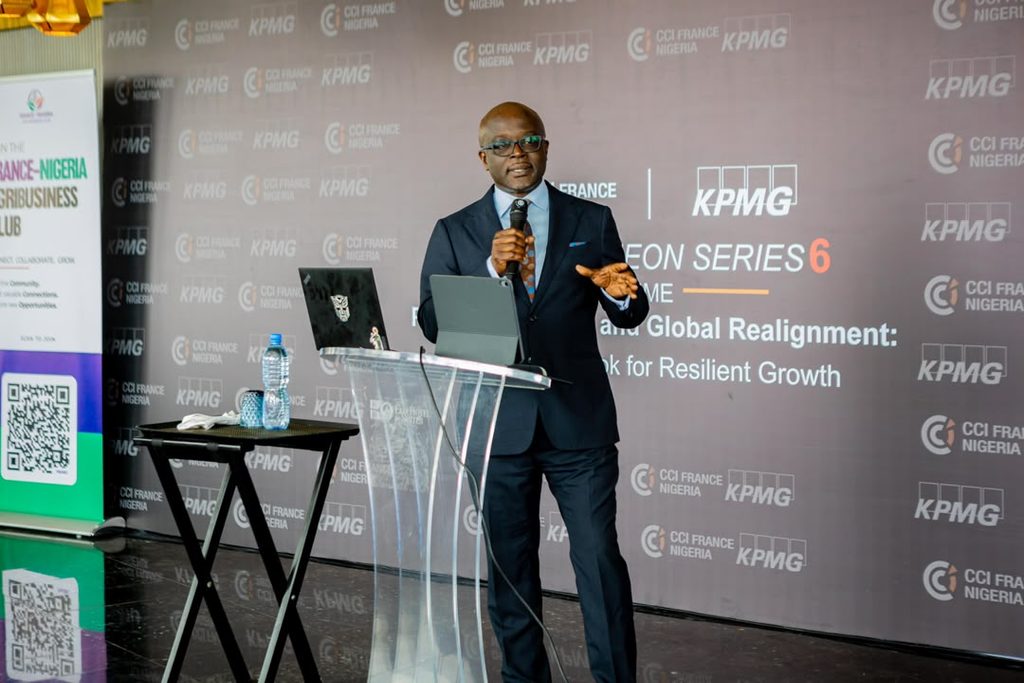
“Nobody actually knows what the answer will be.”
Tola Adeyemi
He advised businesses to think about the different outcomes that could come from the election and prepare for each one.
He also noted that the election was not the only uncertainty businesses had to deal with. Changes in the global economy, geopolitical conflicts, disruptions to supply chains, inflation and the rising cost of financing are also putting pressure on businesses.
Adeyemi also encouraged Nigerian businesses to look beyond Nigeria and explore opportunities in other African countries. He said Nigeria could serve as a base for businesses looking to expand across the continent, especially with the opportunities created by the African Continental Free Trade Area (AfCFTA).
He also spoke about the need for foreign-owned companies operating in Nigeria to understand and work more closely with the local market. “Localise, localise,” he said, encouraging businesses to work with Nigerian talent, suppliers and local partners while still making use of foreign technology, capital and expertise.
He cautioned companies against adopting AI simply because it has become popular, saying businesses should first examine their processes, redesign them for greater efficiency and then determine where AI can create real value.
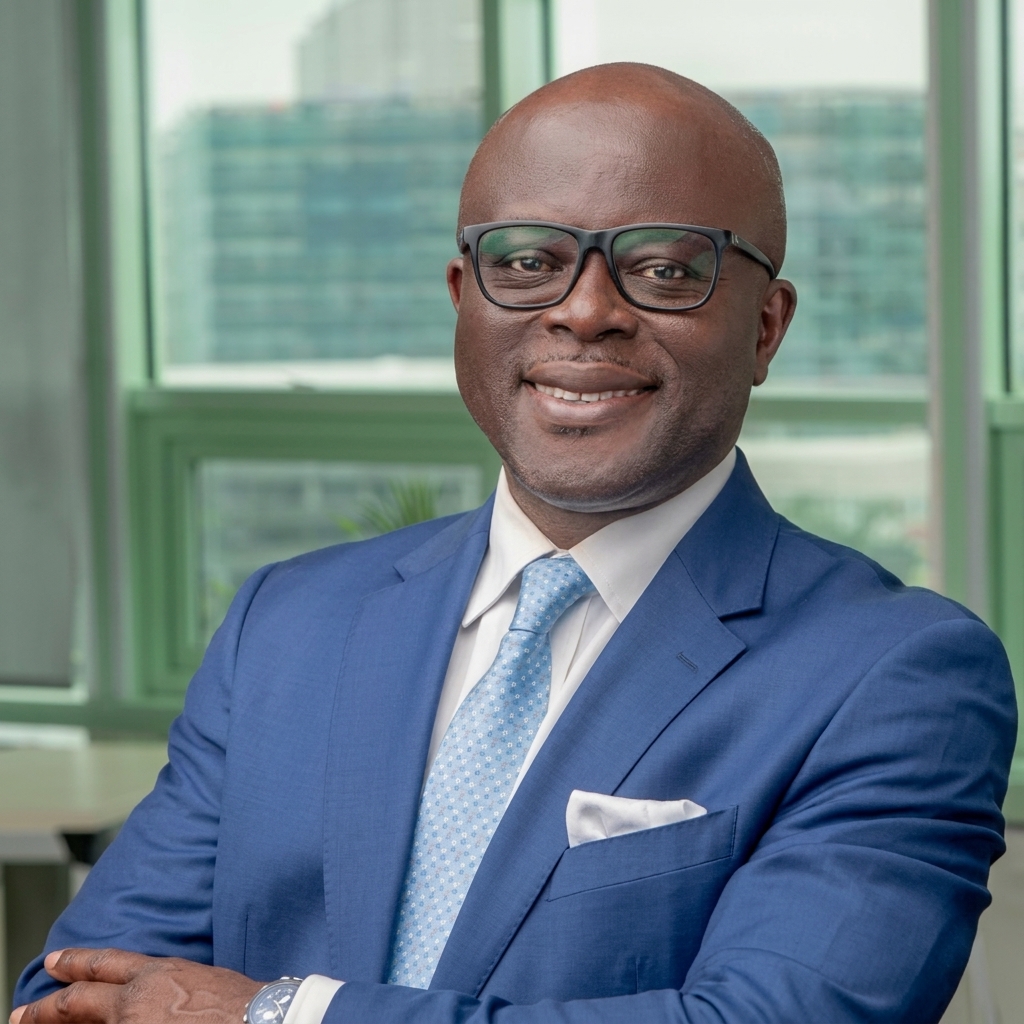
“Don’t bring in AI onto your existing processes.”
Tola Adeyemi
He further explained that businesses could achieve greater benefits by redesigning their processes before introducing AI. He also warned businesses about the importance of data quality, saying companies with fragmented or poorly organised data risk creating an expensive system that fails to deliver meaningful results when AI is introduced.
As businesses prepare for an increasingly uncertain environment, Adeyemi said resilience would require companies to anticipate change, absorb its impact, adapt quickly and respond to new opportunities.
He described Nigeria as a difficult market to operate in but said the challenges also created opportunities for businesses capable of solving problems in areas such as power, transportation, housing, water, logistics and digital infrastructure.
“Nigeria is a long game. It’s not a short sprint. It’s a marathon, not a sprint,”
Tola Adeyemi
He further encouraged businesses to remain patient and persistent.
The sixth annual CEO luncheon provided a platform for business leaders to examine how political developments, global realignment and technological changes could affect companies operating in Nigeria as the country approaches another election cycle.
Follow Amebopreneur for the latest on Nigeria’s tech ecosystem, startup funding opportunities, and the cross-border partnerships shaping Africa’s innovation future.
Related Posts
Access Bank $500 Million Eurobond Repayment: An Essential Lesson in Financial Planning
Access Bank’s $500m Eurobond repayment offers a powerful lesson in liquidity planning, foreign-currency risk and smart financial management for Nigerian businesses.
Funding is Available, But Are Nigerian Small Businesses Ready for It?
Funding exists for Nigerian small businesses, but access remains a challenge. Discover what SMEs need to become funding-ready and turn capital into sustainable growth.
Meta, 3MTT, NCAIR & RAIN Partner to Accelerate AI Skills and Innovation in Nigeria
Meta, 3MTT and RAIN launch AI Academy Nigeria to equip developers with AI skills, build startups and turn Nigeria’s growing AI talent into global innovation.
Nomba and Synafare Commit ₦2 Billion to Solar Financing for 300 Nigerian SMEs
Nomba and Synafare are committing ₦2 billion to solar financing, helping 300 Nigerian SMEs cut energy costs, boost productivity and power their growth.
Ghana’s Wobil Technologies Is Putting Solar to Work in Rice Farming, And Fighting Africa’s Post-Harvest Crisis
Ghana’s Wobil Technologies is using solar-powered machinery to cut rice losses, lower farming costs and help smallholder farmers keep more of every harvest.